Old Maps of Rock County, Minnesota for Metal Detecting
Plan your next treasure hunt with 75 historic maps of Rock County. Find old homesites, ghost towns, trails, and gathering spots that may be lost to time — perfect for identifying promising metal detecting locations.
- Locate forgotten sites: Uncover places like long-lost settlements, abandoned rail lines, or gathering spots.
- Plan better hunts: Use map overlays combined with LiDAR or satellite views to narrow in on historically rich areas.
- Made for detectorists: Thousands of hobbyists use these maps to discover relics, coins, and hidden history.
Use these historic maps to boost your research and find new opportunities beneath the surface of Rock County.
Rock County, MN maps
(75)- 1955 Map of Sioux Falls, 1967 Print
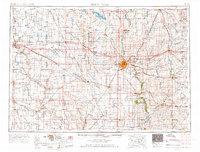 1955 Sioux Falls1967 Print · USGSThe eastern South Dakota and western Minnesota borderlands come alive in the mid-fifties, showing the vital rail-to-river connections of the era. Genealogists can trace family footprints across townships like Madison and Pipestone, while following the paths of the Big Sioux River and the Chicago and North Western line.3 unique versions available
 - 1958 Map of Sioux Falls
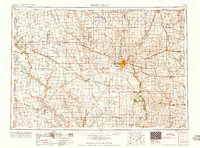 1958 Sioux Falls1958 Print · USGSThe tri-state borderlands of South Dakota, Minnesota, and Iowa are captured here during the mid-century peak of the regional rail network. Genealogists and historians can trace local landmarks like Augustana Academy, the St Marys Cem, and the path of the Illinois Central through Rock Rapids.
 - 1967 Map of Valley Springs, 1968 Print
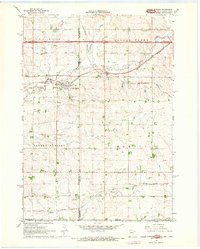 1967 Valley Springs1968 Print · USGSThe tri-state border region of the Upper Midwest is captured in the late sixties, showcasing the intersection of rail and road. Trace family roots and vanished landmarks near Valley Springs, Benclare, and the Nerison Cem.2 unique versions available
 - 1967 Map of Edgerton South, 1968 Print
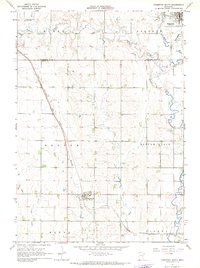 1967 Edgerton South1968 Print · USGSPipestone and Rock Counties are captured in the late sixties, showing a landscape defined by the Chicago Rock Island and Pacific railroad. Genealogists and local historians can trace the town layouts of Edgerton and Hardwick, or locate family plots at Hillside Cem.
 - 1967 Map of Magnolia, 1968 Print
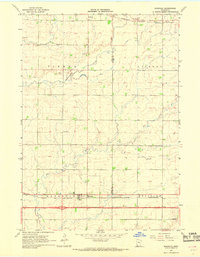 1967 Magnolia1968 Print · USGSSouthwestern Minnesota's prairie borderlands are captured in the late sixties as the modern interstate era arrived. Researchers can trace the legacy of early settlements via Kenneth, School No 60, and the older Chicago and North Western rail line.
 - 1967 Map of Garretson East, 1968 Print
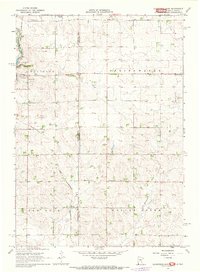 1967 Garretson East1968 Print · USGSThe South Dakota and Minnesota borderlands are captured here in the late sixties, centered on the railroad hub of Garretson. Researchers can locate several pioneer-era burial grounds including Sherman Cem and Springwater Cem, alongside the winding Devils Gulch.
 - 1967 Map of Hills, 1968 Print
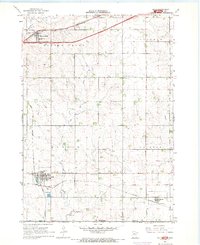 1967 Hills1968 Print · USGSSouthwestern Rock County is shown here in the late sixties, a landscape where the Illinois Central and Chicago and North Western railroads defined the local economy. Researchers can trace historic property boundaries and locate community landmarks like Beaver Valley Cem and School No 1851.2 unique versions available
 - 1967 Map of Kenneth, 1968 Print
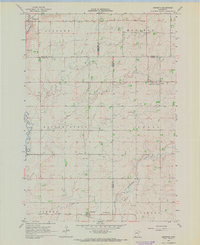 1967 Kenneth1968 Print · USGSAcross the prairie townships of southwest Minnesota in the 1960s, this survey shows the rail-and-road network connecting Kenneth and Leota. Genealogists and researchers can trace the Chicago Rock Island and Pacific rail line and locate the Leota Cem.
 - 1967 Map of Jasper SE, 1968 Print
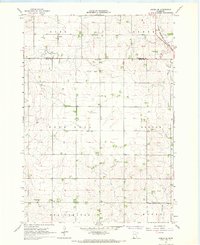 1967 Jasper SE1968 Print · USGSRock County's rural townships are shown in detail during the late sixties, capturing the agricultural grid and rail infrastructure of the day. Genealogists can locate family landmarks such as Rose Dell Ch, the Townhall, and the Chicago Rock Island and Pacific railroad line.
 - 1967 Map of Hills NE, 1968 Print
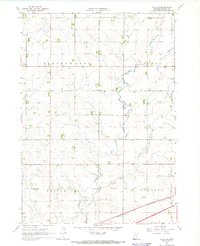 1967 Hills NE1968 Print · USGSRock County's agricultural landscape is captured here in the late sixties, showing the structured grid of family farms and townships. Genealogists and local historians can trace rail history along the Chicago and North Western or locate the rural Townhall and winding Little Beaver Creek.
 - 1967 Map of Jasper, 1968 Print
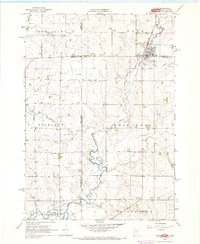 1967 Jasper1968 Print · USGSThe tri-state border region of Minnesota and South Dakota was a busy rail and quarrying hub in the late sixties. Researchers can trace the Great Northern rail lines and locate family sites at Rosendal Cem or the village of Sherman.
 - 1967 Map of Ellsworth, 1969 Print
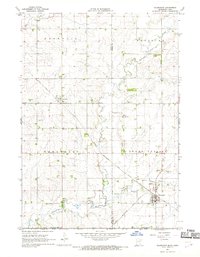 1967 Ellsworth1969 Print · USGSThe Minnesota-Iowa borderlands near Ellsworth and Kanaranzi are captured here in the late sixties, showing a landscape defined by rail and agriculture. Genealogists and local historians can trace the Chicago Rock Island and Pacific line and family burial sites like Ashwood and St Marys Cem.
 - 1967 Map of Ash Creek, 1969 Print
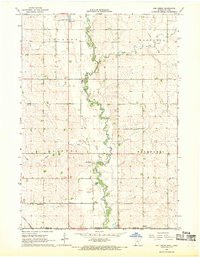 1967 Ash Creek1969 Print · USGSSouthwestern Minnesota and northwestern Iowa meet here in the late sixties along the winding Rock River. Genealogists and local historians can trace family farmsteads and rural infrastructure, including School No 1839, Ebenezer Ch, and the tiny settlement of Ash Creek.2 unique versions available
 - 1967 Map of Luverne, 1969 Print
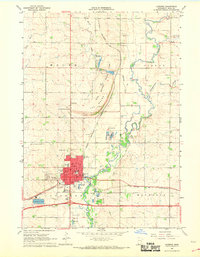 1967 Luverne1969 Print · USGSRock County in the late sixties reveals a landscape of river-valley agriculture and rail-driven growth. Genealogists can trace family names at Restlawn Memorial Gardens or St Catherines Cem and locate local landmarks like the Drive-in Theater.2 unique versions available
 - 1985 Map of Sioux Falls
 1985 Sioux Falls1985 Print · USGSIn the mid-1980s, the borderlands of South Dakota, Minnesota, and Iowa reveal a landscape shaped by the Big Sioux River and a growing urban hub. Researchers can trace the development of Sioux Falls and locate smaller communities like Dell Rapids, Garretson, and Valley Springs.2 unique versions available
 - 2010 Map of Ash Creek, 2010 Print
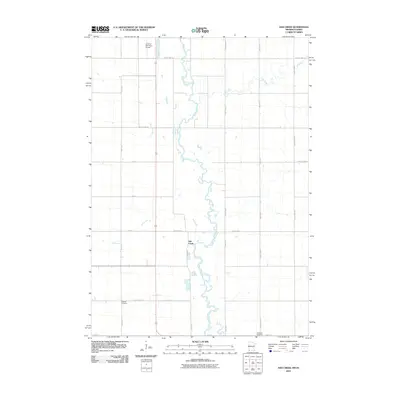 2010 Ash Creek2010 Print · USGSLyon County and the Iowa-Minnesota borderlands are captured here in the early twenty-first century, showcasing a landscape of structured section lines and river valleys. Researchers can locate ancestral sites at Eastside Cemetery or trace the winding path of the Rock River past the settlement of Ash Creek.
 - 2010 Map of Ellsworth, 2010 Print
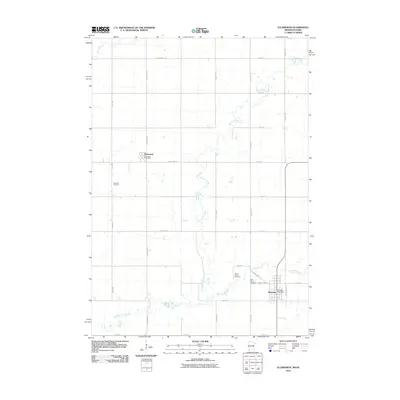 2010 Ellsworth2010 Print · USGSNobles County at the turn of the decade reveals a structured agricultural landscape spanning the Minnesota-Iowa border. Researchers can locate family burial sites at Ashwood Cemetery and trace the paths of Kanaranzi Creek near the settlement of Ellsworth.
 - 2010 Map of Hills NE, 2010 Print
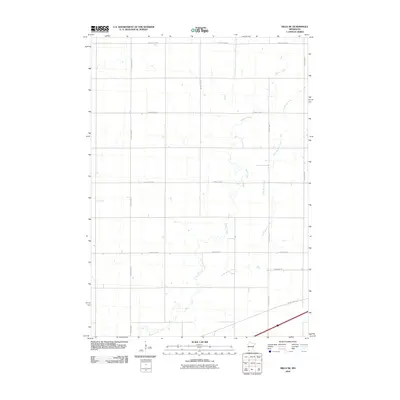 2010 Hills NE2010 Print · USGSSouthwest Rock County’s prairie landscape is captured in the early twenty-first century, showcasing the intersection of the grid-based road system and natural watercourses. Genealogists and local researchers can trace family farm locations along Beaver Creek and follow the routes of County Hwy-63 and County Hwy-11.
 - 2010 Map of Jasper SE, 2010 Print
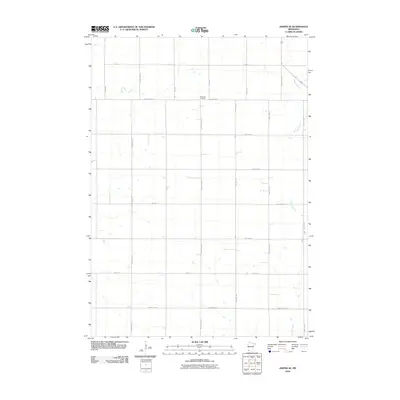 2010 Jasper SE2010 Print · USGSMound Township at the end of the first decade of the 2000s shows a landscape of enduring agricultural tradition and precise prairie grids. Genealogists and local historians can locate Rose Dell Cemetery or trace the paths of Poplar Creek and Beaver Creek.
 - 2010 Map of Jasper, 2010 Print
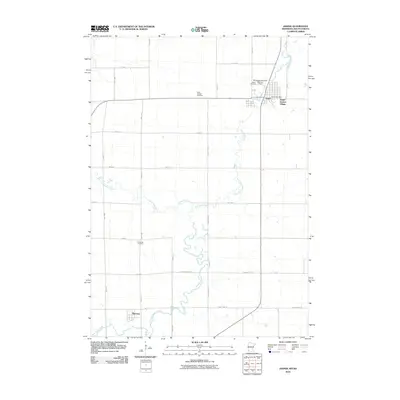 2010 Jasper2010 Print · USGSThe rural borderlands of Minnesota and South Dakota come into focus in the early twenty-first century, centered on the community of Jasper. Researchers can trace local lineage through sites like Saint Joseph Cemetery and Rosendal Cemetery or follow the paths of Pipestone Creek.
 - 2010 Map of Edgerton South, 2010 Print
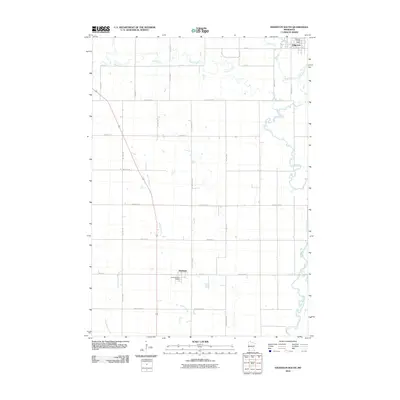 2010 Edgerton South2010 Print · USGSPipestone County at the start of the 2010s shows a landscape defined by traditional agriculture and the steady presence of the Rock River. Genealogists and local historians can trace the precise layout of Edgerton and Hardwick, including the locations of the Edgerton Post Office and Hardwick Post Office.
 - 2010 Map of Luverne, 2010 Print
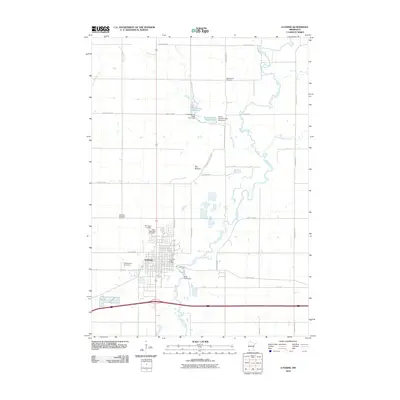 2010 Luverne2010 Print · USGSLuverne and the surrounding Rock County prairie are documented here during the early twenty-first century. Genealogists and historians can locate numerous burial sites such as Norwegian Cemetery and Blue Mound Cemetery, or trace the waters of the Rock River through Blue Mounds State Park.
 - 2010 Map of Magnolia, 2010 Print
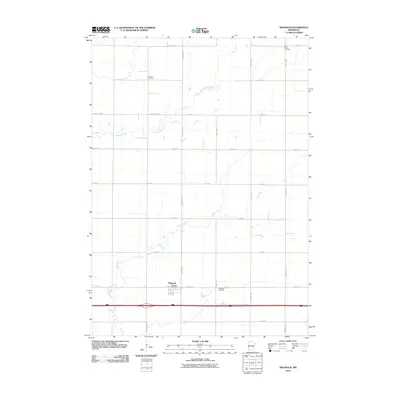 2010 Magnolia2010 Print · USGSMagnolia and its surrounding Rock County farmland are captured here in the early twenty-first century as a meticulously ordered agricultural landscape. Genealogists can locate family sites at Saint Marys Cemetery or Westside Cemetery and trace the paths of Champepadan Creek.
 - 2010 Map of Valley Springs, 2010 Print
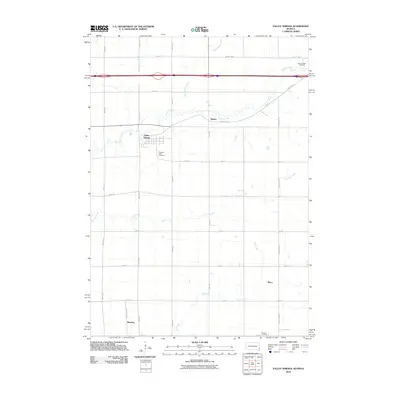 2010 Valley Springs2010 Print · USGSValley Springs and the surrounding townships appear in detail during the early twenty-first century, showing a landscape defined by prairie agriculture and prairie streams. Researchers can locate family sites near Pleasant View Cemetery, Benclare, and the winding path of Blood Run.
 - 2010 Map of Kenneth, 2010 Print
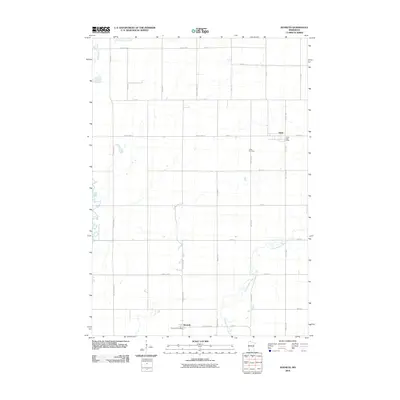 2010 Kenneth2010 Print · USGSPipestone County remains a study in rural resilience during this era of Minnesota's agricultural history. Local researchers can trace the community footprints of Leota and Kenneth, including the Leota Cemetery and historic Kenneth Post Office site.
Showing maps 1-25 of 75
Top cities of Rock County
- Luverne historical maps
- Beaver Creek historical maps
- Magnolia historical maps
- Hardwick historical maps
- Kenneth historical maps
Frequently asked questions
- What are the different types of historical maps available for Rock County?
- What is the oldest map of Rock County?
- Where can I purchase historical maps of Rock County for my home or office?
- Where can I download high-res historical maps of Rock County?
- Are there historical topographic maps available for Rock County?
- Is there historical aerial imagery available for Rock County?
- Where are historical maps of Rock County sourced from?