Old Maps of Normanna Township, Minnesota
Explore 43 old maps of Normanna Township, spanning from 1895 to today. These high-resolution historic maps reveal how streets, neighborhoods, landmarks, and natural features evolved over time — perfect for genealogy, metal detecting, research, and local history exploration.
What you can do with these maps:
- See how Normanna Township changed over time: Compare historical maps to modern-day views to trace roads, homesites, rail lines & more.
- View detailed metadata: Each map includes creators, publishers, year, scale, and archive source.
- Overlay maps with satellite & LiDAR: Visualize the past alongside modern tools to explore terrain & human change.
- Trusted historical sources: Maps sourced from the USGS, Library of Congress, and other archives.
- Access maps your way: View online, download high-res files, or order prints for personal or research use.
Start exploring old maps of Normanna Township to uncover forgotten places, hidden landmarks, and the deep history beneath your feet.
Normanna Township, MN maps
(43)- 1895 Map of Duluth
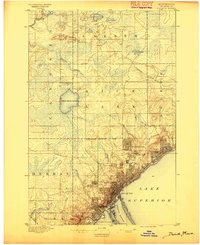 1895 Duluth1895 Print · USGSDuluth in the mid-1890s shows a rapidly expanding port city before the turn of the century. Genealogists and historians can trace the early street grids of Woodland Park and Lester Park or explore the original shoreline of Duluth Harbor.5 unique versions available
 - 1953 Map of French River, 1955 Print
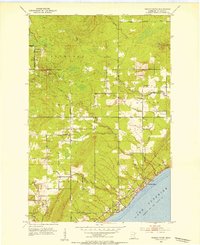 1953 French River1955 Print · USGSThe North Shore of Lake Superior comes alive in the early fifties as timberlands met the burgeoning iron-and-rail industry. Genealogists and local historians can trace the foundations of Bloomingdale, Normanna Cem, and the path of the Duluth Missabe and Iron Range railroad.4 unique versions available
 - 1953 Map of Arnold, 1955 Print
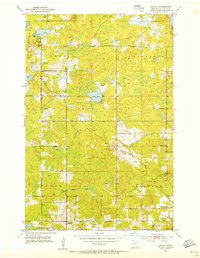 1953 Arnold1955 Print · USGSThe rural countryside north of Duluth is shown here in the mid-1950s, characterized by growing townships and a dense network of glacial lakes. Local historians can trace early community sites like Arnold, the Exeter Farms Ch, and the Gnesen Sch.5 unique versions available
 - 1953 Map of Duluth, 1959 Print
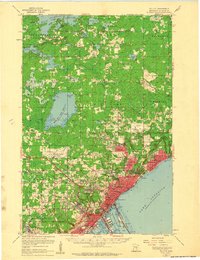 1953 Duluth1959 Print · USGSThe port city of Duluth and its timber-and-iron hinterlands are captured here in the early 1950s. Genealogists and historians can locate family landmarks from Minnesota Point to the Duluth Municipal Airport, including Calvary Cem and Lakewood Sch.
 - 1953 Map of Ashland, 1964 Print
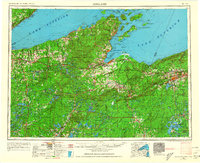 1953 Ashland1964 Print · USGSNorthern Wisconsin's lakefront and timberlands are seen here in the mid-1950s, showing the intersection of industrial rail lines and vast wilderness. Genealogists and historians can trace the Soo Line through rail towns like Mellen or locate family roots in the Apostle Islands and Bad River Indian Reservation.3 unique versions available
 - 1953 Map of Duluth, 1964 Print
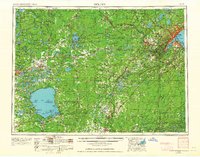 1953 Duluth1964 Print · USGSNortheastern Minnesota and northwestern Wisconsin are shown here during a period of industrial maturity and expanding conservation. Genealogists and historians can trace rail-connected towns like McGrath and Wahkon, or locate heritage sites within the Fond du Lac Indian Reservation.2 unique versions available
 - 1954 Map of Barrs Lake, 1955 Print
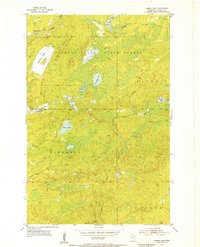 1954 Barrs Lake1955 Print · USGSSt. Louis County was a landscape of dense timber and glacial waters in the mid-fifties, just as rural patterns were changing. Genealogists and local historians can trace the upper Cloquet River and locate the site of School No 27 (Abandoned).4 unique versions available
 - 1954 Map of Thompson Lake, 1955 Print
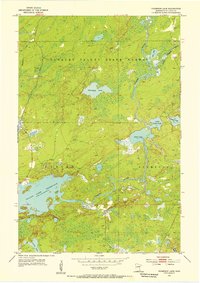 1954 Thompson Lake1955 Print · USGSSt. Louis County is defined by its deep woods and expansive river systems in the mid-1950s. Trace the winding course of the Cloquet River or locate family-named landmarks like Thompson Lake and the vast Island Lake Reservoir.3 unique versions available
 - 1954 Map of Two Harbors, 1964 Print
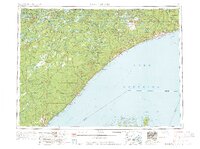 1954 Two Harbors1964 Print · USGSThe Minnesota North Shore and Superior National Forest are shown here in the mid-fifties, just as the taconite industry was reshaping the coast. Genealogists and historians can trace the rail lines of the Duluth Missabe and Iron Range or locate remote outposts like Sawbill Landing and Section Thirty.2 unique versions available
 - 1954 Map of Hibbing, 1966 Print
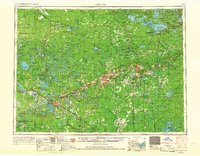 1954 Hibbing1966 Print · USGSNorthern Minnesota's Iron Range thrives during the mid-1960s, showing the industrial landscape between the Mesabi Range and the Mississippi River. Genealogists and historians can trace the rail lines of the Great Northern RR through mining hubs like Hibbing and Virginia.3 unique versions available
 - 1957 Map of Two Harbors
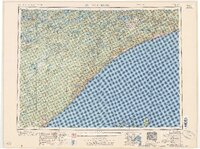 1957 Two Harbors1957 Print · USGSMinnesota's North Shore and the Arrowhead region are shown here in the mid-fifties as the taconite industry and cold war defense shaped the landscape. Researchers can trace the Duluth Missabe and Iron Range railroad, locate the Split Rock Light, and explore the iron-mining era at Taconite.
 - 1957 Map of Hibbing
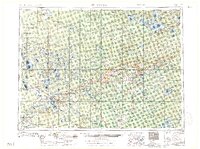 1957 Hibbing1957 Print · USGSNorthern Minnesota's Iron Range is shown at its industrial peak in the mid-fifties, dominated by the massive iron pits and rail corridors of the Mesabi Range. Researchers can trace the rail networks of the Duluth Missabe and Iron Range and locate mining hubs like Hibbing, Virginia, and Bovey.
 - 1958 Map of Ashland
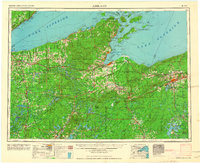 1958 Ashland1958 Print · USGSCoastal Wisconsin and the Michigan borderlands meet here in the late fifties, dominated by the timbered expanses and iron-rich ranges. Genealogists can trace family footprints in settlements like Odanah and Montreal, or locate landmarks such as the Coast Guard Station and Agricultural Experiment Station.
 - 1958 Map of Hibbing
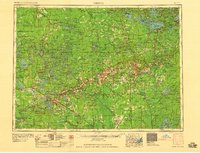 1958 Hibbing1958 Print · USGSThe Mesabi Iron Range reached its mid-century height during this era, defining the landscape between Grand Rapids and Virginia. Genealogists and historians can trace the mining-town networks of Hibbing and Chisholm or locate numerous iron mines and rail spurs.
 - 1958 Map of Two Harbors
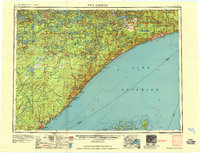 1958 Two Harbors1958 Print · USGSThe North Shore and Arrowhead region of Minnesota are captured in the 1950s as iron ore shipping and wilderness preservation shaped the land. Researchers can trace the Duluth Missabe and Iron Range RR, find maritime landmarks like Split Rock Light, and locate remote settlements from Babbitt to Grand Marais.
 - 1958 Map of Duluth
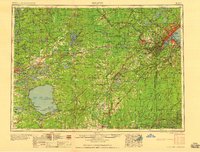 1958 Duluth1958 Print · USGSNortheastern Minnesota and the Wisconsin borderlands are shown in detail during the late 1950s, centered on the bustling rail yards and ports of Duluth. You can trace the historic routes of the Soo Line and Duluth Missabe & Iron Range through small towns like McGrath, Bruno, and Wrenshall.
 - 1964 Map of Hibbing
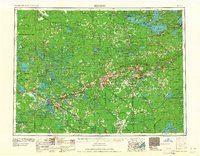 1964 Hibbing1964 Print · USGSNorthern Minnesota’s iron-rich corridor is captured here during a peak era of mid-century industrial activity. Researchers can trace the rail-to-mine connections through Mesabi Range towns like Hibbing and Virginia or locate lakefront settlements near Pokegama Lake.
 - 1964 Map of Two Harbors
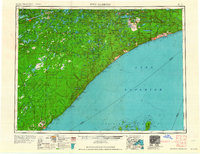 1964 Two Harbors1964 Print · USGSThe North Shore of Lake Superior is captured here during the mid-1950s, a time of significant industrial mining growth and emerging tourism. Genealogists and historians can trace the rail lines of the Duluth Missabe and Iron Range and locate landmarks like Split Rock Light and the U S Air Force Radar Station.
 - 1976 Map of Two Harbors, 1994 Print
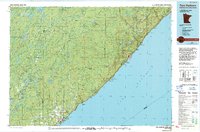 1976 Two Harbors1994 Print · USGSThe North Shore of Lake Superior comes alive in this mid-seventies survey of the Minnesota timber and iron country. Trace the Duluth Missabe and Iron Range RR from Two Harbors past Split Rock Lighthouse State Park to the industrial port at Silver Bay.
 - 1977 Map of Hibbing, 1994 Print
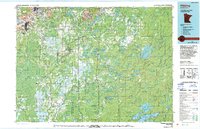 1977 Hibbing1994 Print · USGSThe Iron Range of northern Minnesota comes into sharp focus during the late seventies, detailing the massive mining works and rail networks of St. Louis County. Researchers can trace family roots in Hibbing, Chisholm, and Virginia, or locate old post offices like Leoneth and Iron.
 - 1980 Map of Port Wing
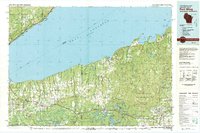 1980 Port Wing1980 Print · USGSThe Lake Superior shoreline and the deep forests of Bayfield and Douglas counties are captured here in the early eighties. Genealogists and historians can trace the rail lines through Iron River or locate the lakeside landings at Cornucopia and Port Wing.
 - 1980 Map of Duluth
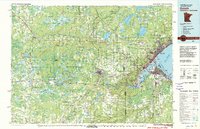 1980 Duluth1980 Print · USGSThe Twin Ports of the early 1980s showcase a landscape defined by heavy rail lines and Lake Superior shipping. Trace the iron-ore routes through Proctor or locate family sites near Sunrise Memorial Cem and Floodwood.
 - 1992 Map of French River, 1995 Print
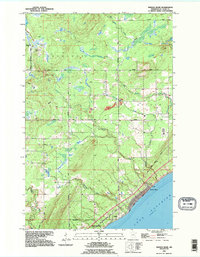 1992 French River1995 Print · USGSThe North Shore of Lake Superior comes alive in the early 1990s as it transitions from the forested township of Normanna to the shoreline. Researchers can trace the coastal settlement of Clifton or locate the Normanna Cem and several vital waterways like the French River.
 - 2010 Map of Barrs Lake, 2010 Print
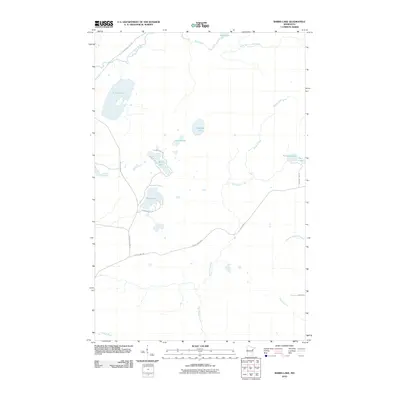 2010 Barrs Lake2010 Print · USGSNormanna Township was a landscape of dense woods and glacial waters during the early 2000s. Researchers can trace the drainage of the Little Cloquet River and locate secluded shorelines at Lieuna Lake, Briar Lake, and Barrs Lake.
 - 2010 Map of Arnold, 2010 Print
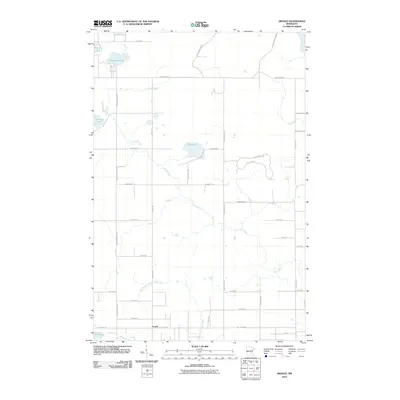 2010 Arnold2010 Print · USGSNorth of Duluth during the early 2000s, this area shows the transition from suburban outskirts to the lake-studded woods of Saint Louis County. Researchers can trace the drainage of the Lester River and locate local landmarks like Eagle Lake, Schultz Lake, and the settlement of Arnold.
Showing maps 1-25 of 43
Top cities near Normanna Township
Frequently asked questions
- What are the different types of historical maps available for Normanna Township?
- What is the oldest map of Normanna Township?
- Where can I purchase historical maps of Normanna Township for my home or office?
- Where can I download high-res historical maps of Normanna Township?
- Are there historical topographic maps available for Normanna Township?
- Is there historical aerial imagery available for Normanna Township?
- Where are historical maps of Normanna Township sourced from?