Old Maps of West Point, Mississippi for Academic Research
Study the evolution of West Point with 30 high-resolution historic maps. Whether you're teaching, researching, or modeling changes in land use, these maps provide essential visual documentation of urban, environmental, and geographic change.
- Analyze long-term change: Track patterns in development, transportation, and natural features.
- Ideal for environmental or urban studies: Support academic projects with primary historical map data.
- Use in the classroom or lab: Educators and researchers rely on these maps to bring historical context to life.
These maps are a powerful tool for teaching, research, and visualizing how West Point has changed over the decades.
West Point, MS maps
(30)- 1953 Map of West Point, 1973 Print
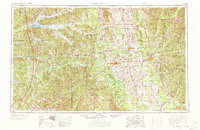 1953 West Point1973 Print · USGSNorth-Central Mississippi and the Alabama borderlands are captured here during the mid-twentieth century as new reservoirs and national forests transformed the landscape. Researchers can trace the path of the Mississippi & Skuna Valley railroad or locate old landings along the Tombigbee River and Schooner Creek.3 unique versions available
 - 1958 Map of West Point
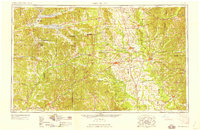 1958 West Point1958 Print · USGSNortheastern Mississippi and western Alabama are shown in the late 1950s, highlighting a region defined by its river-and-rail economy. Researchers can trace family roots through numerous settlements like Artesia and Vardaman or explore the corridor of the Tombigbee River.
 - 1959 Map of West Point, 1960 Print
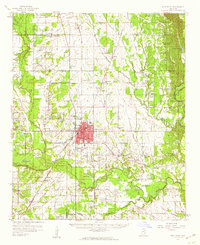 1959 West Point1960 Print · USGSClay County and the surrounding Black Prairie region appear here in the late fifties, centered on the rail junction at West Point. Researchers can trace rural lineages through numerous family-named landmarks and local sites like Holmes Jr College, Sandy Clay Sch, and the Town Creek Ch Cem.3 unique versions available
 - 1963 Map of West Point
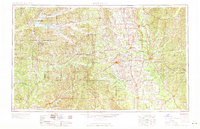 1963 West Point1963 Print · USGSEastern Mississippi and western Alabama are captured in the early sixties as industrial centers and rail lines connected the Black Prairie to the hills. Genealogists and historians can trace family-named watercourses and the early footprints of Starkville, Columbus, and the Noxubee National Wildlife Refuge.2 unique versions available
 - 1982 Map of West Point, 1983 Print
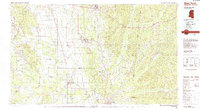 1982 West Point1983 Print · USGSEastern Mississippi and western Alabama are captured in the early eighties as the river-and-rail economy evolved. Trace family roots and old township lines near West Point, Columbus Air Force Base, and the historic Natchez Trace Parkway.
 - 1984 Map of West Point
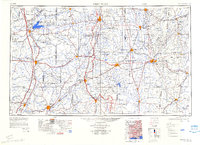 1984 West Point1984 Print · USGSNorth-Central Mississippi in the mid-eighties shows a landscape defined by massive water management projects and dense timberlands. Researchers can trace the legacy of rural settlements like Geeslin Corner or the rail corridors of the Illinois Central Gulf RR near Grenada Lake.3 unique versions available
 - 1987 Map of West Point
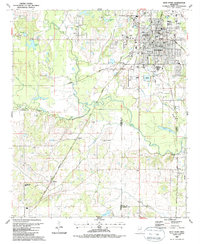 1987 West Point1987 Print · USGSWest Point and the surrounding river bottoms of Clay County appear here in the late eighties during a period of steady growth. Genealogists can trace family landmarks and local institutions from Lindsey Chapel and Muldrow to the sprawling grounds of Greenwood Cem.
 - 1987 Map of Waverly
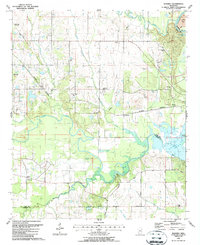 1987 Waverly1987 Print · USGSThe rural borderlands of Clay and Lowndes counties are captured here in the late eighties, just north of the recently formed Columbus Lake. Genealogists and local historians can trace family ties through Tibbee Cem, Lee Cem, and several country churches like Shady Grove Ch.
 - 1987 Map of Strong
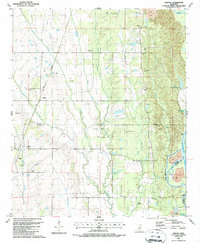 1987 Strong1987 Print · USGSThe Tombigbee River valley in the late eighties shows a landscape of traditional settlements and modern engineering projects. Genealogists can trace family sites like Strong Cem and Mt Zion Ch alongside the newly formed Columbus Lake.
 - 1987 Map of Muldon
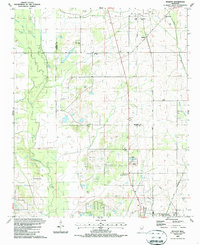 1987 Muldon1987 Print · USGSClay and Monroe Counties in the late eighties show a landscape of energy production and rural community. Genealogists can trace family roots at Le Noir Cem and Siloam Cems or locate old pulpits like New Hope Ch.
 - 2012 Map of West Point, 2012 Print
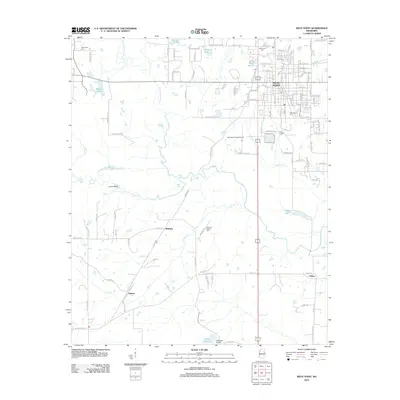 2012 West Point2012 Print · USGSWest Point and the surrounding Clay County countryside are shown here in the early twenty-first century, anchored by a complex network of creeks and prairie lands. Genealogists and local historians can locate several burial grounds, including Mayhew Mission Cem, and trace rural communities like Muldrow and Osborn.
 - 2012 Map of Muldon, 2012 Print
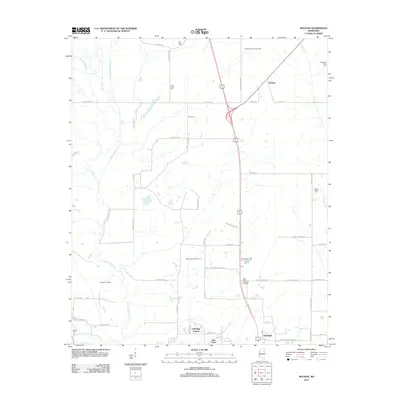 2012 Muldon2012 Print · USGSClay County at the start of the 2010s shows a landscape of gas production fields and quiet rural communities. Genealogists can locate several historic burial sites like Le Noir Cem and Siloam Cem alongside the winding Chuquatonchee Cr.
 - 2012 Map of Waverly, 2012 Print
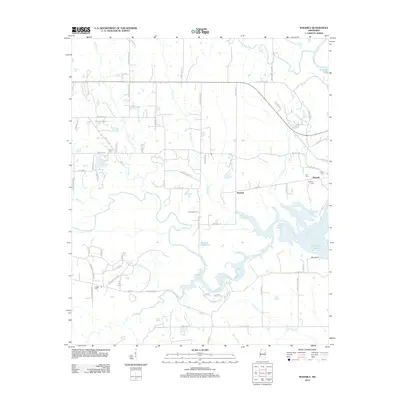 2012 Waverly2012 Print · USGSEastern Clay County at the start of the 2010s is defined by the winding waters of the Tombigbee River and Columbus Lake. Genealogists and local historians can trace family roots through several documented burial sites, including Tibbee Cem, Pooles Cem, and the historic area of Waverly.
 - 2012 Map of Strong, 2012 Print
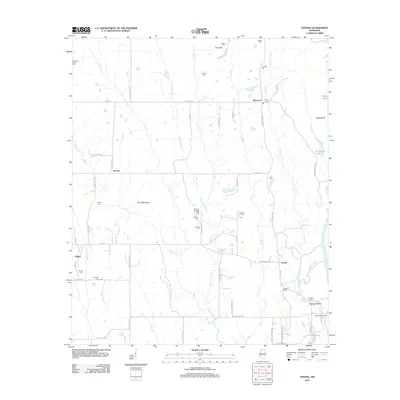 2012 Strong2012 Print · USGSClay County's rural landscape is captured here in the early twenty-first century as life continues around the Tombigbee River. Genealogists and local historians can trace family locations near Darracott, Vinton, and many community landmarks like Strong Cem or Abbott Cem.
 - 2015 Map of Waverly, 2015 Print
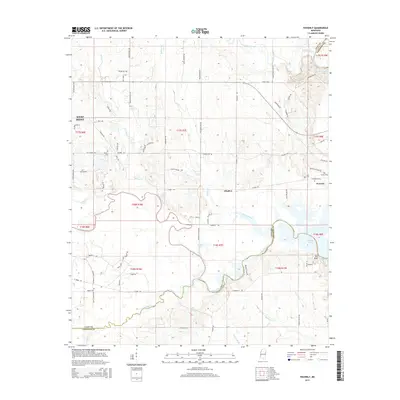 2015 Waverly2015 Print · USGSThe Lowndes and Clay County line comes alive in this modern survey of the Tombigbee River valley. Genealogists can trace family heritage through local burial sites like Pitchlynn Cem and Lee Cem or locate the historic Waverly Mansion.
 - 2015 Map of West Point, 2015 Print
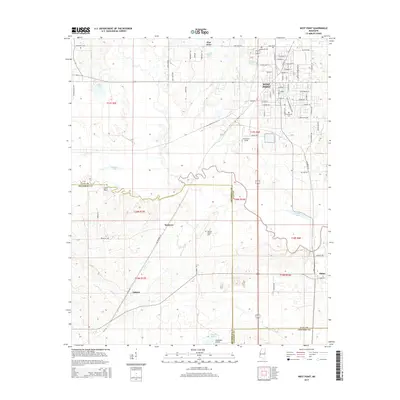 2015 West Point2015 Print · USGSWest Point and the surrounding Black Prairie region are documented here in the mid-2010s as a crossroads of three counties. Researchers can trace family sites at Greenwood Cem, locate the rural community of Osborn, or study the wetlands around Tibbee Lake.
 - 2015 Map of Strong, 2015 Print
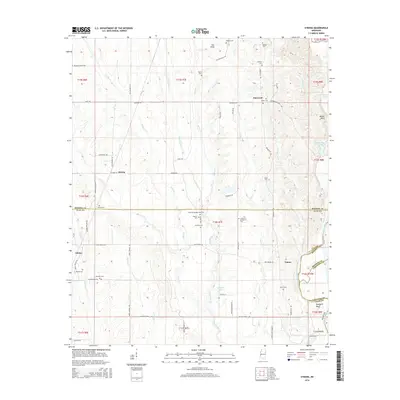 2015 Strong2015 Print · USGSThis Clay County landscape near the Tombigbee River is captured as it appeared in the mid-2010s. Genealogists can locate several local burial sites like Vinton Cem and Moore Cem, while tracing the rural crossroads of Strong and Darracott.
 - 2015 Map of Muldon, 2015 Print
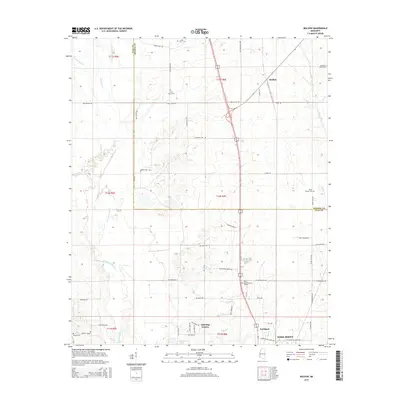 2015 Muldon2015 Print · USGSThe Clay and Monroe county borderlands near West Point are mapped here in the mid-2010s, showing a landscape of rural creek bottoms and growing residential clusters. Genealogists can locate several family and community landmarks, such as Paine Chapel Cemetery, Muldon, and Siloam Cemetery.
 - 2018 Map of West Point, 2018 Print
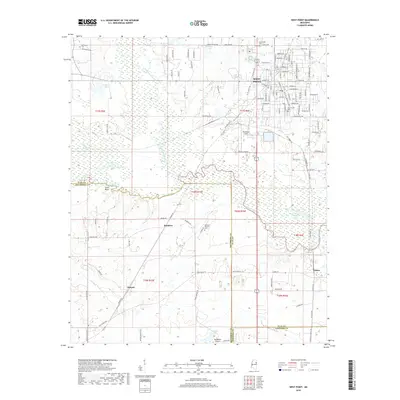 2018 West Point2018 Print · USGSThe city of West Point and its surrounding Mississippi prairie are captured here in the late twenty-teens. Researchers can trace family roots at Greenwood Cemetery or locate old community hubs like Lyons Bluff, Muldrow, and Tibbee.
 - 2018 Map of Muldon, 2018 Print
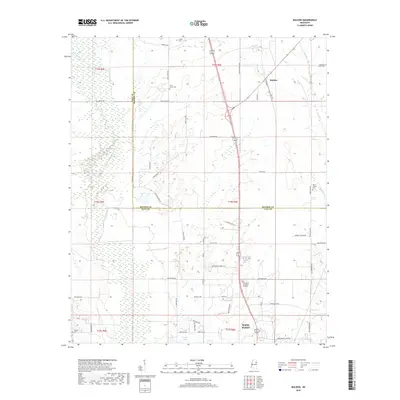 2018 Muldon2018 Print · USGSThe borderlands of Clay and Monroe Counties come into focus in the late 2010s, centering on the rural community of Muldon. Genealogists can trace family heritage at Le Noir Cem, Mountain Union Cem, and Third Union Cem near the headwaters of Chuquatonchee Cr.
 - 2018 Map of Waverly, 2018 Print
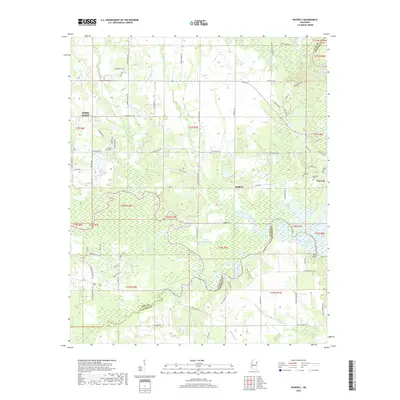 2018 Waverly2018 Print · USGSThe river plains and bottomlands of Clay and Lowndes County are documented here as they appeared in 2018. Genealogists and local historians can trace legacy sites like Pitchlynn Cem, Pooles Cem, and the old settlement at Waverly along the Tombigbee River.
 - 2018 Map of Strong, 2018 Print
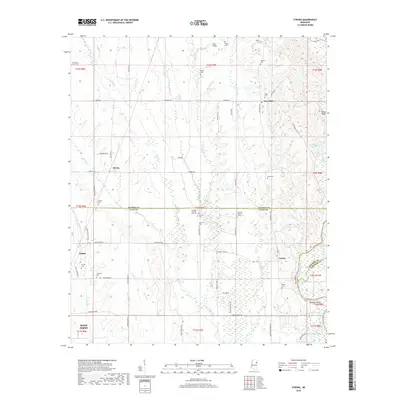 2018 Strong2018 Print · USGSThe rural borders of Clay, Monroe, and Lowndes counties meet in this 2018 survey, centered on the river-fed landscapes north of West Point. Genealogists and local historians can trace family locations through numerous community sites like Strong Cem, Vinton, and Darracott.
 - 2020 Map of Muldon, 2020 Print
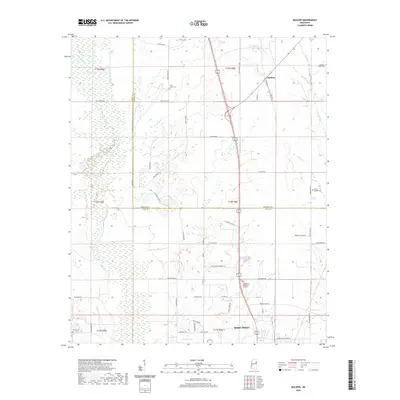 2020 Muldon2020 Print · USGSThe northern reaches of West Point and the rural community of Muldon are captured here in the early twenty-first century. Genealogists and local historians can trace family roots through several local burial grounds, including Le Noir Cemetery, Third Union Cemetery, and Siloam Cemetery.
 - 2020 Map of Waverly, 2020 Print
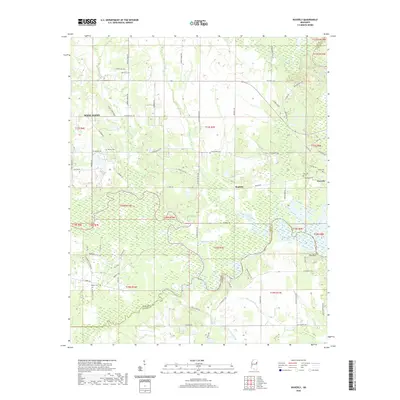 2020 Waverly2020 Print · USGSIn the early twenty-first century, the river country between Clay and Lowndes counties remains a landscape of wetlands and quiet settlements. Researchers can trace family history through sites like Pitchlynn Cem or follow old routes like Old Waverly Rd near Columbus Lake.
 - 2020 Map of Strong, 2020 Print
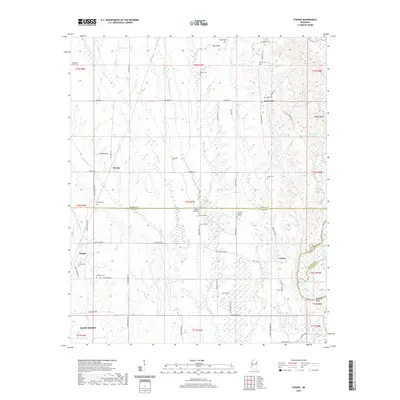 2020 Strong2020 Print · USGSThe West Point area and its surrounding rural communities are captured here as they appeared recently, centered on the Clay and Monroe county lines. Genealogists can locate numerous local burial sites like Concord Cem and the Mountain Union Cem near Strong.
Showing maps 1-25 of 30
Top cities near West Point
- Columbus historical maps
- Starkville historical maps
- Aberdeen historical maps
- New Hamilton historical maps
- Artesia historical maps
Top neighborhoods of West Point
Frequently asked questions
- What are the different types of historical maps available for West Point?
- What is the oldest map of West Point?
- Where can I purchase historical maps of West Point for my home or office?
- Where can I download high-res historical maps of West Point?
- Are there historical topographic maps available for West Point?
- Is there historical aerial imagery available for West Point?
- Where are historical maps of West Point sourced from?