Old Maps of Flowood, Mississippi for Academic Research
Study the evolution of Flowood with 51 high-resolution historic maps. Whether you're teaching, researching, or modeling changes in land use, these maps provide essential visual documentation of urban, environmental, and geographic change.
- Analyze long-term change: Track patterns in development, transportation, and natural features.
- Ideal for environmental or urban studies: Support academic projects with primary historical map data.
- Use in the classroom or lab: Educators and researchers rely on these maps to bring historical context to life.
These maps are a powerful tool for teaching, research, and visualizing how Flowood has changed over the decades.
Flowood, MS maps
(51)- 1903 Map of Jackson
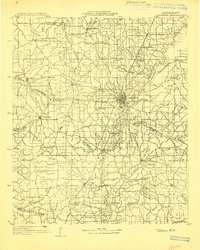 1903 Jackson1903 Print · USGSCentral Mississippi at the dawn of the new century shows a landscape transformed by expanding rail lines and river commerce. Genealogists and researchers can trace family roots through early settlements like Pocahontas, Ridgeland, and Clinton or locate the historic Asylum grounds.
 - 1905 Map of Jackson
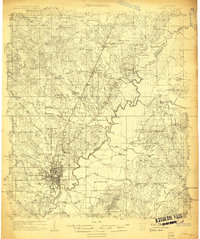 1905 Jackson1905 Print · USGSJackson and its surrounding counties are shown at the height of the railroad era, as five major lines converge on the state capital. Genealogists can trace early rural life through Tougaloo University, family landmarks like Horns Mill, and churches such as Liberty Grove Church.3 unique versions available
 - 1908 Map of Jackson
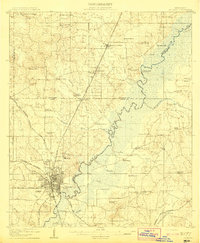 1908 Jackson1908 Print · USGSCentral Mississippi thrives as a railroad and institutional hub at the beginning of the twentieth century. Genealogists can trace the early footprints of Jackson and Tougaloo University, or locate family landmarks like Beadmans Mill and Madison Station.2 unique versions available
 - 1922 Map of Pelahatchee
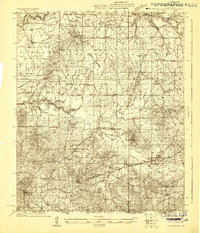 1922 Pelahatchee1922 Print · USGSRankin County during the early 1920s reveals a landscape of dispersed agricultural communities and transit corridors. You can trace the roots of local settlements at Sand Hill and Leesburg, or locate family landmarks like Pisgah School and St Helen Church.
 - 1924 Map of Pelahatchee
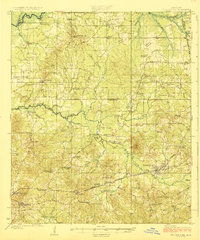 1924 Pelahatchee1924 Print · USGSRankin County in the 1920s is a landscape of rural schoolhouses and family-named prairies centered on the vital Alabama and Vicksburg RR. Researchers can trace the heritage of local communities through landmarks like the Brandon depot, Trickum Bridge, and Goshen Springs.
 - 1950 Map of Pelahatchie, 1968 Print
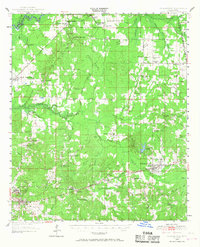 1950 Pelahatchie1968 Print · USGSRankin County's rural landscape is captured here at mid-century, from the busy rails of Brandon to the quiet reaches of Goshen Springs. Researchers can trace old family names at Andrews Chapel, St Helens Ch, or the Spring Hill Cem while following the historic Choctaw Treaty Line of 1820.2 unique versions available
 - 1952 Map of Pelahatchie
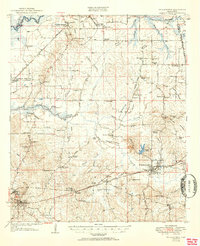 1952 Pelahatchie1952 Print · USGSRankin County during the early 1950s shows a landscape still defined by its nineteenth-century boundaries and growing rail hubs. Genealogists and historians can trace family locations near Goshen Springs, the Choctaw Treaty Line of 1820, and Andrews Chapel.
 - 1953 Map of Meridian, 1966 Print
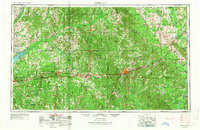 1953 Meridian1966 Print · USGSEast Central Mississippi and the Alabama borderlands are captured here during a period of steady growth and infrastructure expansion. Genealogists and historians can trace rail-town development along the Gulf Mobile & Ohio Railroad and find early settlements like Scooba, Pelahatchie, and De Kalb.2 unique versions available
 - 1955 Map of Jackson
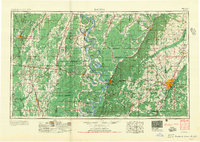 1955 Jackson1955 Print · USGSThe Lower Mississippi Valley at the middle of the century reveals a landscape of deep river meanders and growing rail hubs. Genealogists and historians can trace the mid-century footprints of Vicksburg National Military Park, old river landings at Port Gibson, and the rail corridors of the Illinois Central Railroad.3 unique versions available
 - 1957 Map of Meridian
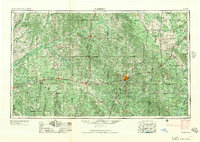 1957 Meridian1957 Print · USGSEast Central Mississippi and parts of Western Alabama come alive in the mid-1950s, centered on the transit hub of Meridian. Researchers can trace old rail lines like the Illinois Central and find historic sites such as the Choctaw Indian Reservation and Roosevelt State Park.
 - 1961 Map of Jackson
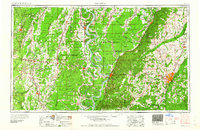 1961 Jackson1961 Print · USGSThe Lower Mississippi Delta and the state capital area are captured here during the post-war era of infrastructure expansion. Researchers can trace the complex river oxbows and rail lines connecting Vicksburg, Yazoo City, and the Illinois Central Railroad network.
 - 1962 Map of Jackson
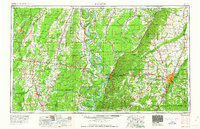 1962 Jackson1962 Print · USGSThe Mississippi Delta and the state capital region are mapped here in the early sixties, showing a landscape defined by the great river and the growing city of JACKSON. Genealogists can trace family roots through numerous landmarks like Cedar Hill Cem, rural stops on the Illinois Central RR, and historic sites like Champion Hill.2 unique versions available
 - 1963 Map of Madison, 1964 Print
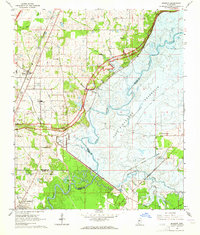 1963 Madison1964 Print · USGSThe area around Madison and Ridgeland appears in the early sixties just as the Ross Barnett Reservoir was being formed. Researchers can trace land tracts near the Natchez Trace Parkway or locate family sites like True Vine Cem and Bennett Chapel.3 unique versions available
 - 1963 Map of Jackson SE, 1964 Print
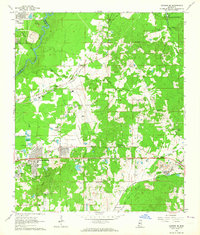 1963 Jackson SE1964 Print · USGSRankin County east of the Pearl River is captured during a period of rapid change in the early sixties as the reservoir began to take shape. Researchers can trace family sites like Old Sea Cem, rural landmarks such as Wallace Chapel, and the era's infrastructure from the Jackson Municipal Airport to the Gulf Mobile and Ohio line.3 unique versions available
 - 1963 Map of Jackson, 1964 Print
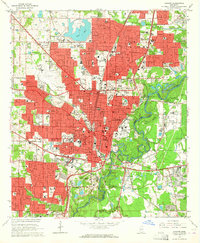 1963 Jackson1964 Print · USGSJackson is shown in the early sixties as a thriving state capital defined by its academic campuses and rail corridors. Researchers can trace the mid-century city layout from the State Capitol to local landmarks like Jackson State Col and Hawkins Field.3 unique versions available
 - 1965 Map of Meridian
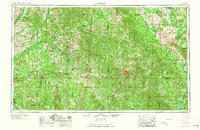 1965 Meridian1965 Print · USGSEast Mississippi and West Alabama are mapped here in the mid-sixties as the region's modern highway and reservoir systems began to take shape. Researchers can trace rural lineages through local landmarks like Prince Chapel and Tuscahoma Landing, or follow the historic Gulf Mobile & Ohio rail lines.
 - 1980 Map of Jackson SE
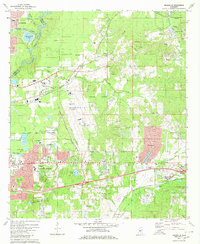 1980 Jackson SE1980 Print · USGSRankin County enters a period of modern expansion in the 1980s, where traditional settlements meet the growing infrastructure of the Pearl River corridor. Researchers can trace family sites at Drakes Ch, Flora Hills Cem, and the neighborhoods of McLaurin Heights.2 unique versions available
 - 1980 Map of Madison
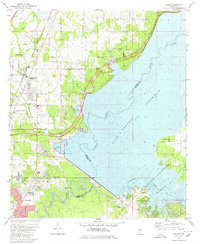 1980 Madison1980 Print · USGSThe outskirts of Jackson and the newly developed Madison area are captured in the late 1970s as suburban life began to flourish near the Ross Barnett Reservoir. Genealogists and local historians can trace family markers at Jessamine Cem or explore the corridor of the Natchez Trace Parkway.
 - 1980 Map of Jackson, 1981 Print
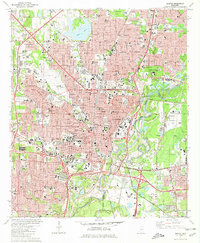 1980 Jackson1981 Print · USGSJackson and the Pearl River valley appear here in the early eighties as a thriving capital city and regional hub. Genealogists and researchers can trace family roots through numerous sites like Cedar Lawn Cemetery and Jackson State University.2 unique versions available
 - 1982 Map of Brandon, 1983 Print
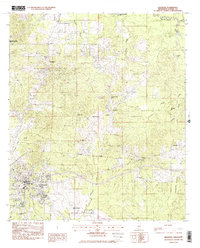 1982 Brandon1983 Print · USGSRankin County enters the early eighties with the bustling town of Brandon anchored by the Illinois Central Gulf rail line. Genealogists and researchers can trace numerous local landmarks including Langford, True Vine Ch, and Andrew Chapel Cem.
 - 1982 Map of Goshen Springs, 1983 Print
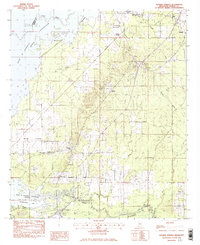 1982 Goshen Springs1983 Print · USGSRankin County in the early eighties shows the evolving shoreline of the Ross R Barnett Reservoir alongside traditional rural centers. Genealogists can trace family landmarks like Pisgah Sch, Pilgram Branch Ch, and the settlements of Fannin and Sandhill.
 - 1984 Map of Forest
 1984 Forest1984 Print · USGSCentral Mississippi in the mid-eighties centers on the timberlands and rail corridors of the Bienville National Forest. Genealogists and historians can trace old settlements like Conehatta and Hillsboro or follow the Illinois Central Gulf line through Morton and Newton.2 unique versions available
 - 1984 Map of Jackson
 1984 Jackson1984 Print · USGSCentral Mississippi in the mid-eighties shows a landscape defined by the growing suburbs of Jackson and the riverfront legacy of Vicksburg. Researchers can trace the Natchez Trace Parkway or locate local landmarks like Utica College and Mississippi State Hospital.
 - 1998 Map of Jackson SE
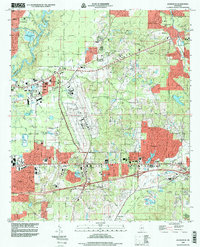 1998 Jackson SE1998 Print · USGSRankin County at the end of the nineties shows a landscape of suburban growth and major aviation infrastructure east of the Pearl River. Researchers can find deep local detail in family cemeteries and community centers like Union Cemetery, Luckney, and Hinds Community College.
 - 1998 Map of Madison
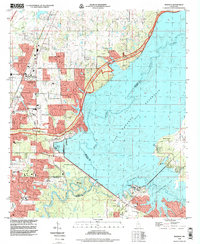 1998 Madison1998 Print · USGSMadison and Ridgeland undergo rapid suburban growth just before the turn of the millennium as the state capital expands north. Genealogists and local researchers can trace legacy landmarks like Jessamine Cem, the historic Natchez Trace Parkway, and Mule Jail Lake.
Showing maps 1-25 of 51
Top cities near Flowood
- Jackson historical maps
- Clinton historical maps
- Madison historical maps
- Pearl historical maps
- Brandon historical maps
- Ridgeland historical maps
See more
Top neighborhoods of Flowood
- Luckney historical maps
- Wells historical maps
- Dogwood Place historical maps
- Creekwood Place historical maps
- Plaza historical maps
Frequently asked questions
- What are the different types of historical maps available for Flowood?
- What is the oldest map of Flowood?
- Where can I purchase historical maps of Flowood for my home or office?
- Where can I download high-res historical maps of Flowood?
- Are there historical topographic maps available for Flowood?
- Is there historical aerial imagery available for Flowood?
- Where are historical maps of Flowood sourced from?