2000s (21st Century) Maps of Morton, Mississippi
Explore 17 historic maps of Morton from the 2000s (21st Century). These maps offer a rare glimpse into what life looked like during the 2000s — showing old roads, neighborhoods, homes, and landmarks that have changed or disappeared over time.
Whether you're researching your family's past, planning a metal detecting trip, or studying how Morton's landscape evolved across the 2000s, these high-resolution maps are a powerful tool for exploring the history of this region.
- Focus on a specific era: All maps on this page are from the 2000s, giving you a focused view of this time period.
- See what’s changed: Compare century-old streets, trails, and buildings to today's modern landscape using overlays and satellite layers.
- Research with precision: Use these maps for genealogy, historical research, land use analysis, or educational projects.
- View, download, or print: Maps are fully viewable online in high resolution, and can be downloaded or printed for your own records.
Start exploring Morton's history through authentic maps from the 2000s. This is your window into the past.
Morton, MS maps
(17)- 2000 Map of Pulaski, 2002 Print
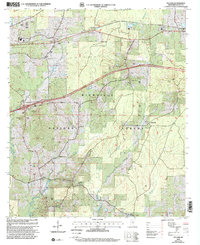 2000 Pulaski2002 Print · USGSThe woods of Scott County appear at the turn of the millennium, showing a landscape shaped by timber and tradition. Genealogists can trace family landmarks like North Morton Cem, Hunter Town, and the rural community of Pulaski.
 - 2000 Map of Forkville, 2002 Print
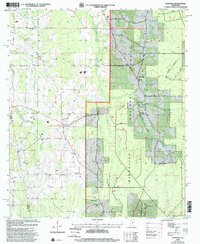 2000 Forkville2002 Print · USGSCentral Mississippi at the turn of the millennium reveals a landscape of small forest settlements and country churches. Researchers can trace family roots at Latham Cem or locate community hubs like Forkville and Line Prairie Ch.
 - 2012 Map of Forkville, 2012 Print
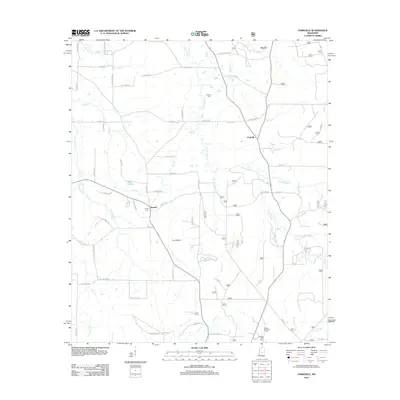 2012 Forkville2012 Print · USGSScott County near Morton is captured here in the early 2010s, showing a rural landscape woven together by winding creek bottoms and named prairies. Researchers can locate family landmarks such as Latham Cem and trace the paths of Coffee Bogue and Sugar Bogue through the settlements of Forkville and Branch.
 - 2012 Map of Pulaski, 2012 Print
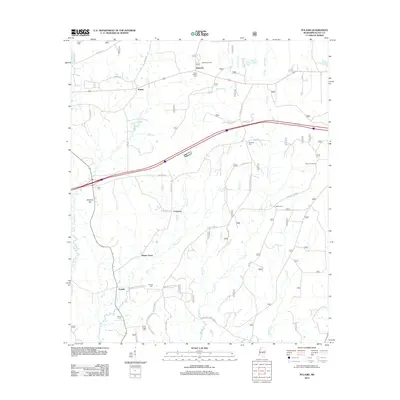 2012 Pulaski2012 Print · USGSScott County's rural landscape is captured here in the early twenty-first century, showing a network of established timber and farming communities. Genealogists and researchers can trace family landmarks and burial sites such as Luther Chapel Cem, Raworth, and the Moore Fire Tower.
 - 2012 Map of Morton, 2012 Print
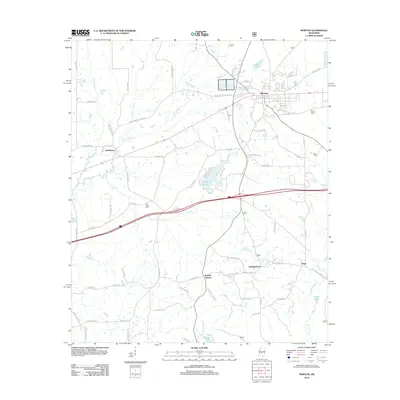 2012 Morton2012 Print · USGSScott County and the town of Morton are shown here in the early twenty-first century as the landscape transitioned between established rail corridors and modern highway networks. Researchers can pinpoint historical burial sites like Line Creek Cem and small settlements such as Kracker Station and Stage.
 - 2015 Map of Forkville, 2015 Print
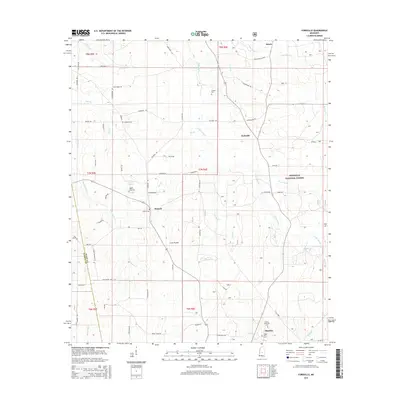 2015 Forkville2015 Print · USGSScott County rural life and the edges of the national forest are captured here in the mid-2010s. Genealogists and local historians can trace family road names and cemetery locations like Liberty Cem, Hodge Hill Cem, and the settlement of Forkville.
 - 2015 Map of Pulaski, 2015 Print
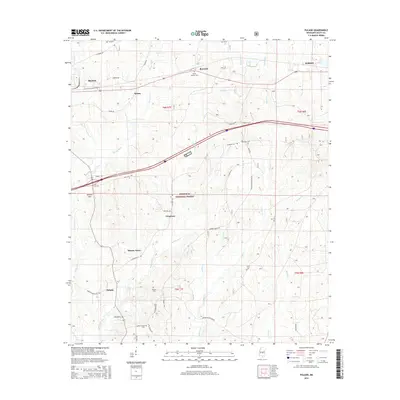 2015 Pulaski2015 Print · USGSScott County's forested interior is revealed in this mid-2010s survey, showing the quiet intersection of small timber-country settlements and federal lands. Genealogists and local historians can trace rural burial grounds like Searcy Cem and settlements such as Pulaski, Frogtown, and Hunter Town.
 - 2015 Map of Morton, 2015 Print
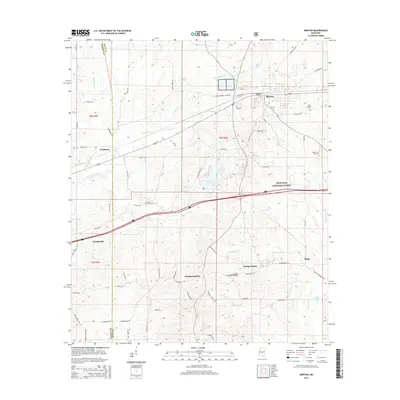 2015 Morton2015 Print · USGSScott and Rankin counties appear here in the mid-2010s, centered on the growing town of Morton and the sprawling Bienville National Forest. Genealogists and local historians can trace rural family sites like East Morton Cem, Walker Cem, and the small settlement at Kracker Station.
 - 2018 Map of Forkville, 2018 Print
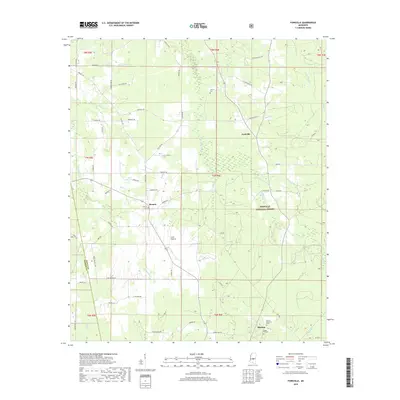 2018 Forkville2018 Print · USGSScott County reveals its rural character and forest borders in the late 2010s. Researchers can locate family sites and landmarks like Latham Cemetery, the community of Branch, and the prairie openings at Bald Prairie.
 - 2018 Map of Pulaski, 2018 Print
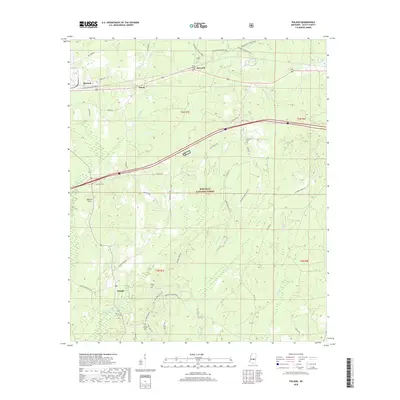 2018 Pulaski2018 Print · USGSScott County's piney woods and the Bienville National Forest are shown here as they appeared in the late 2010s. Local historians can trace the rural roots of Pulaski or locate family burial sites like Luther Chapel Cem and Searcy Cem.
 - 2018 Map of Morton, 2018 Print
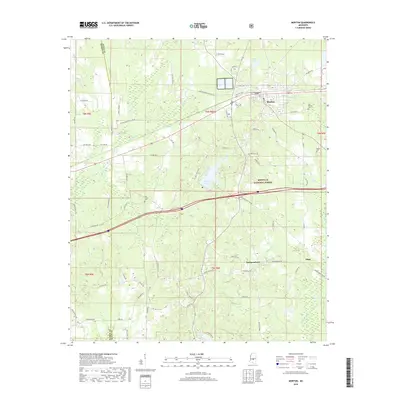 2018 Morton2018 Print · USGSThe community of Morton and the surrounding woods of the Bienville National Forest are shown here in the late 2010s. Genealogists can locate family landmarks like East Morton Cem and rural settlements such as Independence and Stage.
 - 2021 Map of Forkville, 2021 Print
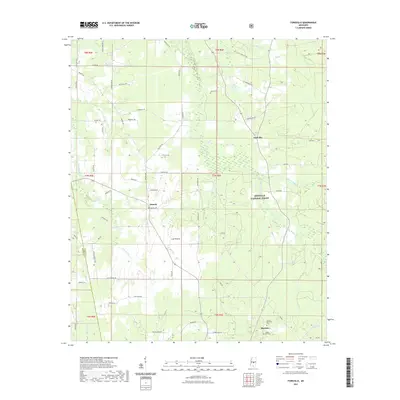 2021 Forkville2021 Print · USGSThe border of Rankin and Scott Counties comes into focus in this contemporary survey of the Central Mississippi timberlands. Genealogists and local historians can trace family locations near Morton, Forkville, and Line Prairie, or locate the Latham Cem and Liberty Cem.
 - 2021 Map of Morton, 2021 Print
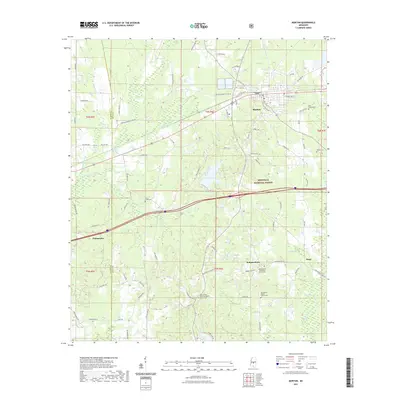 2021 Morton2021 Print · USGSCentral Mississippi's woodland and farm interface is captured here in the early twenty-first century, centered on the Morton community. Researchers can locate numerous family and congregational burial sites including Walker Cem and the Line Creek Cem.
 - 2021 Map of Pulaski, 2021 Print
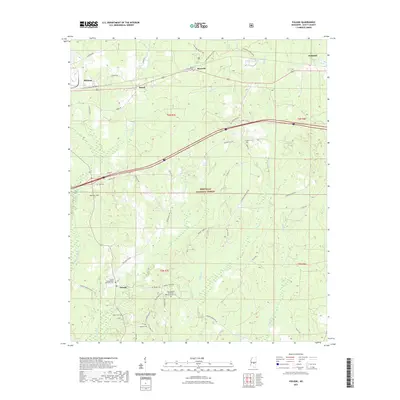 2021 Pulaski2021 Print · USGSScott County enters the twenty-first century as a landscape of timber and tradition, where the Bienville National Forest frames quiet rural communities. Genealogists can locate family landmarks like Warrens Cem or the Pulaski Independent Methodist Cem.
 - 2024 Map of Forkville, 2024 Print
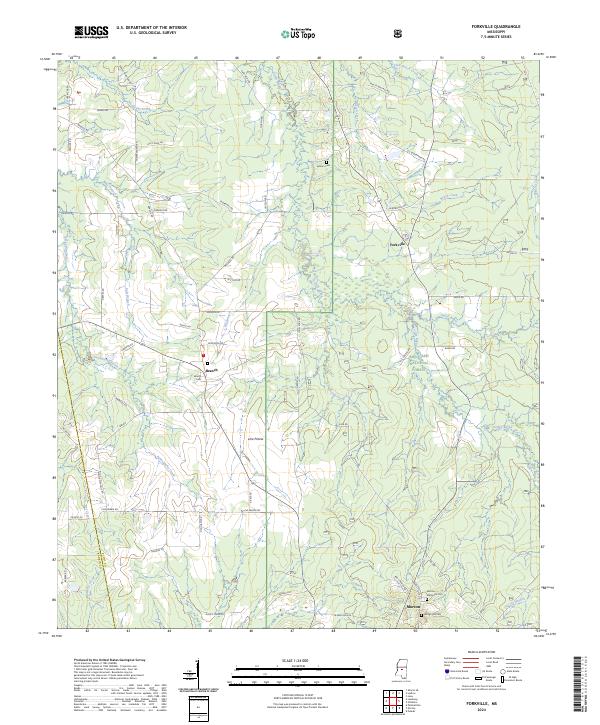 2024 Forkville2024 Print · USGSCentral Mississippi woodlands meet the northern reaches of the Bienville National Forest in this recent survey. Local researchers can trace family landmarks and rural communities from Forkville and Branch down to the Latham Cem.
 - 2024 Map of Pulaski, 2024 Print
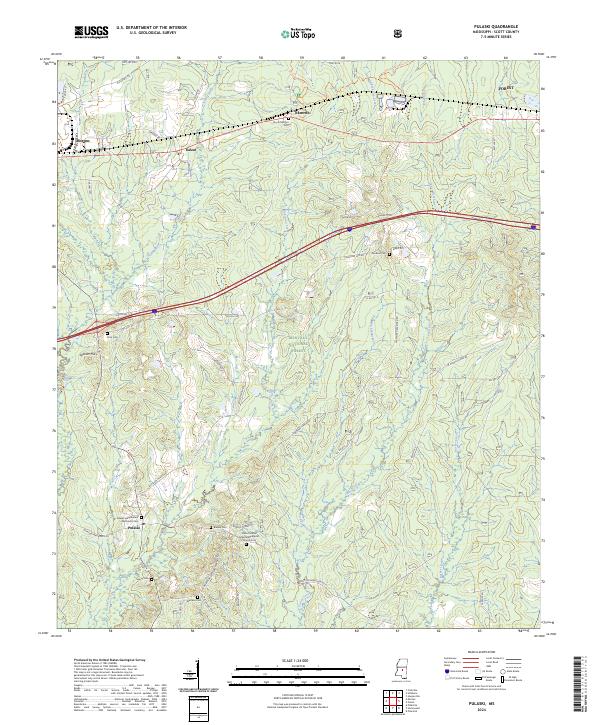 2024 Pulaski2024 Print · USGSScott County’s forest lands and rural settlements are documented here in the contemporary era. Researchers can trace family history through numerous remote burial sites like Brassel Cem, Faulkner Cem, and the Mount Mariah Missionary Baptist Church Cem.
 - 2024 Map of Morton, 2024 Print
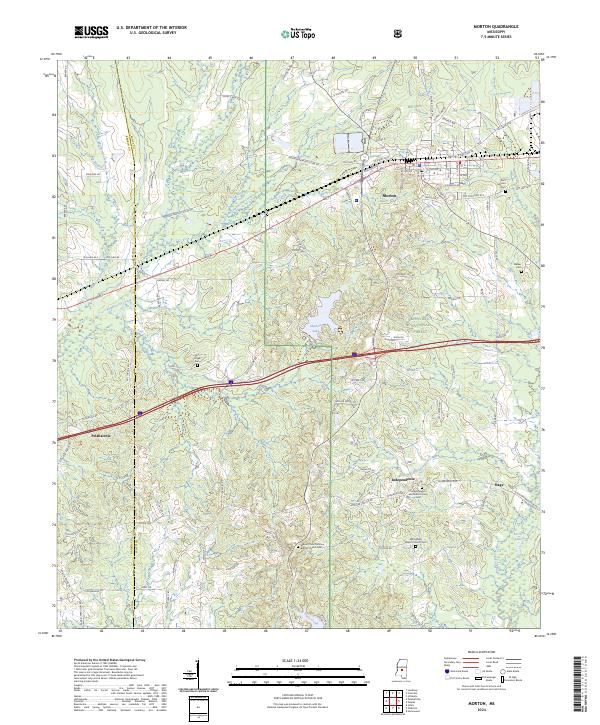 2024 Morton2024 Print · USGSMorton and the surrounding pine woods of the Bienville National Forest appear here in detail during the early 2020s. Genealogists can trace family connections through numerous sites like East Morton Cem, Walker Cem, and Line Creek Cem.
End of results
Showing maps 1-17 of 17
Top cities near Morton
Frequently asked questions
- What are the different types of historical maps available for Morton?
- What is the oldest map of Morton?
- Where can I purchase historical maps of Morton for my home or office?
- Where can I download high-res historical maps of Morton?
- Are there historical topographic maps available for Morton?
- Is there historical aerial imagery available for Morton?
- Where are historical maps of Morton sourced from?