Old Maps of Bentonville, Missouri for Metal Detecting
Plan your next treasure hunt with 15 historic maps of Bentonville. Find old homesites, ghost towns, trails, and gathering spots that may be lost to time — perfect for identifying promising metal detecting locations.
- Locate forgotten sites: Uncover places like long-lost settlements, abandoned rail lines, or gathering spots.
- Plan better hunts: Use map overlays combined with LiDAR or satellite views to narrow in on historically rich areas.
- Made for detectorists: Thousands of hobbyists use these maps to discover relics, coins, and hidden history.
Use these historic maps to boost your research and find new opportunities beneath the surface of Bentonville.
Bentonville, MO maps
(15)- 1887 Map of Warsaw
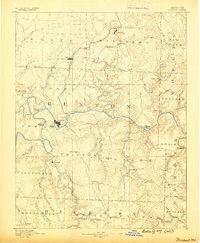 1887 Warsaw1887 Print · USGSBenton County was a land of river junctions and railheads in the late 1880s. Local historians can trace the early footprints of Warsaw, the winding Missouri Pacific Railroad, and riverside settlements like Fairfield and Duroc.
 - 1894 Map of Warsaw
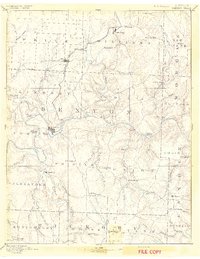 1894 Warsaw1894 Print · USGSBenton County and its neighbors are shown here in the mid-1880s, centered on the river junctions that shaped early Missouri commerce. Genealogists can trace family roots through old rural centers like Fairfield, Boylers Mills, and Cross Timbers before the river valleys were transformed.4 unique versions available
 - 1945 Map of Fristoe
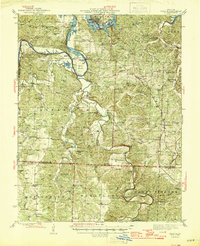 1945 Fristoe1945 Print · USGSBenton and Hickory Counties appear here in the mid-1940s, showing a landscape of Ozark ridges and river bottomlands before major mid-century changes. Researchers can trace ancestral locations through numerous rural schools and river crossings like Evening Shade Sch and Little Mill Creek Ford.3 unique versions available
 - 1947 Map of Jefferson City, 1949 Print
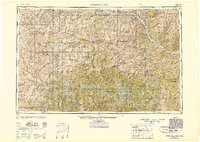 1947 Jefferson City1949 Print · USGSCentral Missouri and the northern Ozarks come into focus in this late 1940s survey of the river-and-rail landscape. Genealogists and historians can trace the growth of Jefferson City and Sedalia or locate family roots near Bagnell Dam and the Lake of the Ozarks.
 - 1954 Map of Jefferson City
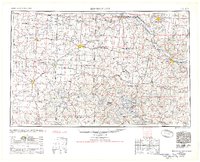 1954 Jefferson City1954 Print · USGSCentral Missouri in the early postwar years showcases a landscape defined by the winding Lake of the Ozarks and the state capital at Jefferson City. Researchers can trace the mid-century rail networks of the Missouri Pacific RR and locate rural communities like Tuscumbia, St Elizabeth, and St Anthony.2 unique versions available
 - 1955 Map of Jefferson City, 1967 Print
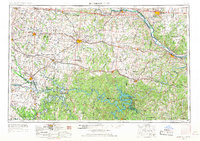 1955 Jefferson City1967 Print · USGSCentral Missouri in the mid-fifties is defined by the winding Missouri River and the expanding reach of Lake of the Ozarks. Researchers can trace the rail corridors of the Missouri Pacific or locate the early footprint of Whiteman AFB and Jefferson City.4 unique versions available
 - 1958 Map of Jefferson City
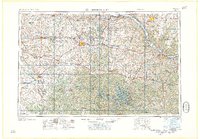 1958 Jefferson City1958 Print · USGSCentral Missouri in the late fifties shows a region transforming through the growth of Whiteman Air Force Base and the Lake of the Ozarks. Researchers can trace rail lines like the Missouri Pacific or find family roots at Enloe Cemetery and Mount Pleasant Cem.
 - 1959 Map of Jefferson City
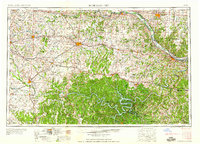 1959 Jefferson City1959 Print · USGSCentral Missouri is captured during the mid-fifties as the river economy and rail networks like the Missouri Pacific met the rise of the automobile. Local researchers can trace family landmarks and rural infrastructure from the Lake of the Ozarks up to Providence Cemetery and Knob Noster State Park.
 - 1980 Map of Quincy, 1982 Print
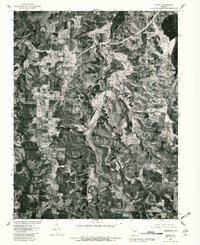 1980 Quincy1982 Print · USGSHickory County farmsteads and wooded bottomlands are shown in clear aerial detail during the early eighties. Researchers can trace land-use patterns around Bentonville and see the early footprint of the Harry S Truman Reservoir.
 - 1982 Map of Quincy
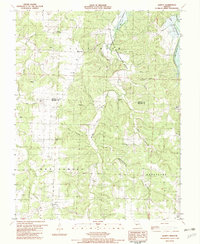 1982 Quincy1982 Print · USGSHickory and Benton counties are documented here in the early eighties as the landscape adapted to the new Harry S Truman Reservoir. Researchers can trace old family lines through landmarks like Mt Zion Cem, Bentonville, and Pleasant Grove Ch.
 - 1983 Map of Harry S Truman Reservoir, 1984 Print
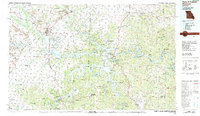 1983 Harry S Truman Reservoir1984 Print · USGSBenton and Henry counties center on the vast Harry S Truman Reservoir in the early 1980s as the landscape adapted to its new shoreline. Genealogists and historians can trace old river crossings like Bledsoe Ferry, local landmarks like Mt Zion Ch, and unique settlements such as Tightwad.
 - 2011 Map of Quincy, 2011 Print
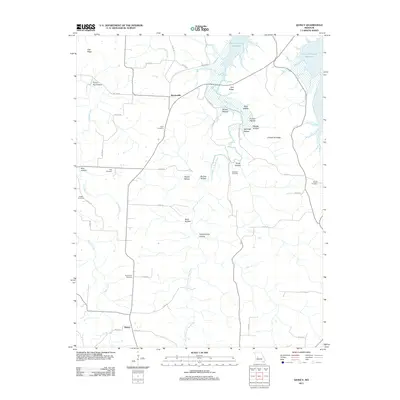 2011 Quincy2011 Print · USGSCovers Bentonville, including Quincy, Benton County, and other nearby areas
 - 2014 Map of Quincy, 2014 Print
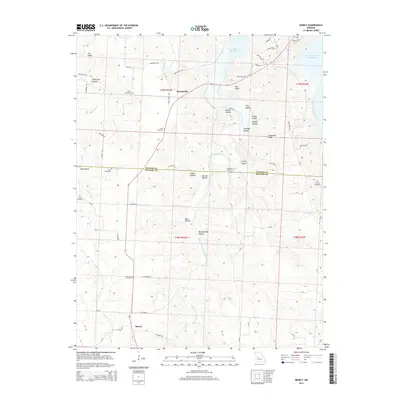 2014 Quincy2014 Print · USGSCovers Bentonville, including Quincy, Benton County, and other nearby areas
 - 2017 Map of Quincy, 2017 Print
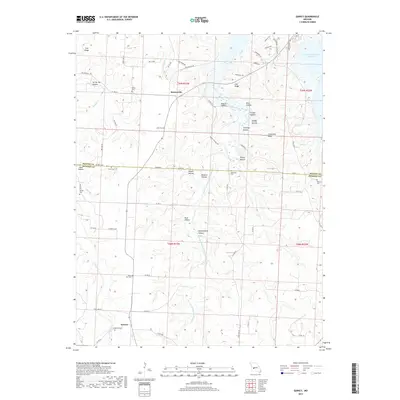 2017 Quincy2017 Print · USGSCovers Bentonville, including Quincy, Benton County, and other nearby areas
 - 2021 Map of Quincy, 2021 Print
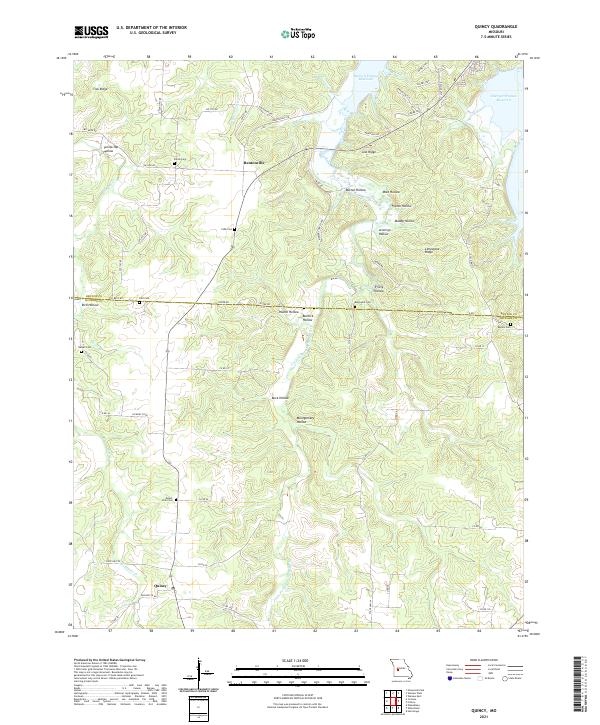 2021 Quincy2021 Print · USGSHickory and Benton Counties come into focus in the early 2020s, showing the rural communities near the upper reaches of the Harry S Truman Reservoir. Genealogists can locate several local burial grounds, including Shiloh Cem and Mount Zion Cem, situated near the Little Pomme de Terre River.
End of results
Showing maps 1-15 of 15
Top cities near Bentonville
- Warsaw historical maps
- Weaubleau historical maps
- Hermitage historical maps
- Wheatland historical maps
- Cross Timbers historical maps
- Collins historical maps
See more
Frequently asked questions
- What are the different types of historical maps available for Bentonville?
- What is the oldest map of Bentonville?
- Where can I purchase historical maps of Bentonville for my home or office?
- Where can I download high-res historical maps of Bentonville?
- Are there historical topographic maps available for Bentonville?
- Is there historical aerial imagery available for Bentonville?
- Where are historical maps of Bentonville sourced from?