Old Maps of Polo, Missouri for Hiking & Exploration
Hike through history with 11 historic maps of Polo. Explore old trails, ghost towns, and forgotten backroads — perfect for outdoor adventurers and local explorers.
- Rediscover forgotten places: Map out old mining camps, roads, and footpaths that no longer exist on modern maps.
- Layer with modern tools: Combine with LiDAR or satellite views to plan hikes through historical terrain.
- Made for exploration: Popular among hikers, overlanders, and local history lovers.
Use these maps to find adventure and explore the hidden past of Polo.
Polo, MO maps
(11)- 1924 Map of Polo
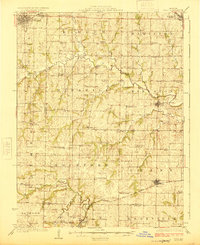 1924 Polo1924 Print · USGSCaldwell County rural life in the early twenties is centered around a dense network of school districts and small rail towns. Genealogists can trace family roots through dozens of local landmarks like Kendall Church, Yankee Ridge School, and the Stoner Bridge.2 unique versions available
 - 1950 Map of Kansas City
 1950 Kansas City1950 Print · USGSMid-century Kansas and Missouri are captured here during a period of industrial growth and shifting transportation. Genealogists and historians can trace rail lines like the Wabash RR or locate ancestral homes near the Potawatomi Indian Reservation and Horton.
 - 1954 Map of Kansas City
 1954 Kansas City1954 Print · USGSThe Missouri-Kansas borderlands flourished in the post-war era as river commerce and rail networks converged at the Missouri River. Genealogists and historians can trace the foundations of Kansas City and smaller rural hubs like Hiawatha or Sabetha.
 - 1956 Map of Kansas City, 1967 Print
 1956 Kansas City1967 Print · USGSThe Kansas-Missouri border region thrived during the mid-fifties, centered on the growing metropolitan cores and the busy river valleys. Researchers can trace the layout of significant government sites like Fort Leavenworth and the Lake City Army Ammunition Plant.4 unique versions available
 - 1960 Map of Kansas City
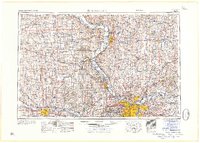 1960 Kansas City1960 Print · USGSMid-century Kansas and Missouri meet at the river forks, showing a sprawling rail-and-river economy during the 1950s growth era. Genealogists and researchers can trace tribal lands like the Kickapoo Indian Reservation or follow the early interstate corridors through Saint Joseph and Independence.3 unique versions available
 - 1984 Map of Polo
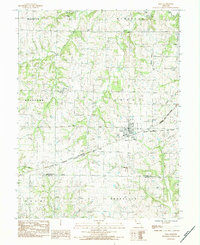 1984 Polo1984 Print · USGSPolo was a busy rail crossroads in the 1980s, where the Milwaukee Road met the North Western. Genealogists can trace rural family roots through numerous local burial grounds including Dunkard Cem, Mayes Cem, and Baker Cem.
 - 1986 Map of Saint Joseph
 1986 Saint Joseph1986 Print · USGSNorthwest Missouri thrived as a regional transportation and educational hub during the mid-eighties, centered on the historic river city of Saint Joseph. Researchers can locate specific local landmarks like Burlington Cemetery, Pigeon Hill Church, and the winding Pony Express Trail.2 unique versions available
 - 2012 Map of Polo, 2012 Print
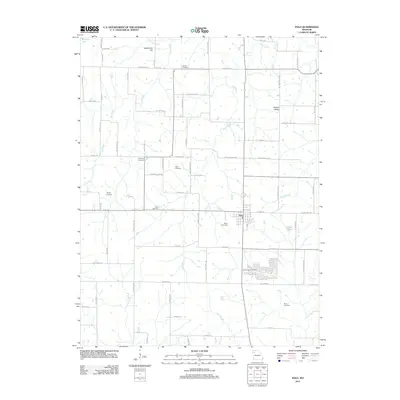 2012 Polo2012 Print · USGSCaldwell County’s rural landscape is centered on the town of Polo in the early 2010s, showing a region deeply rooted in its local history. Genealogists and historians can trace many family-named landmarks and burial sites, including Dunkard Cemetery, Baker Cemetery, and Needmore Hill.
 - 2014 Map of Polo, 2014 Print
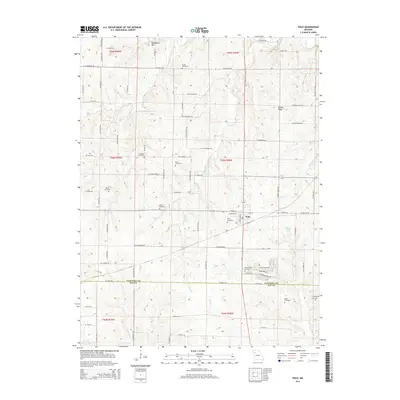 2014 Polo2014 Print · USGSThe intersection of Caldwell and Ray Counties comes into focus during the early twenty-first century, centered on the community of Polo. Genealogists can trace a wealth of burial sites across the farmland, from Dunkard Cemetery to McVeigh Cemetery.
 - 2017 Map of Polo, 2017 Print
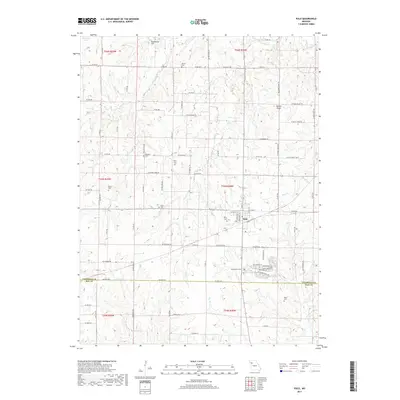 2017 Polo2017 Print · USGSThe town of Polo and the rolling farm country of the Caldwell and Ray county line are documented here in the late 2010s. Family historians can locate numerous rural burial grounds, including Wiley Cemetery, Dunkard Cemetery, and Baker Cemetery.
 - 2021 Map of Polo, 2021 Print
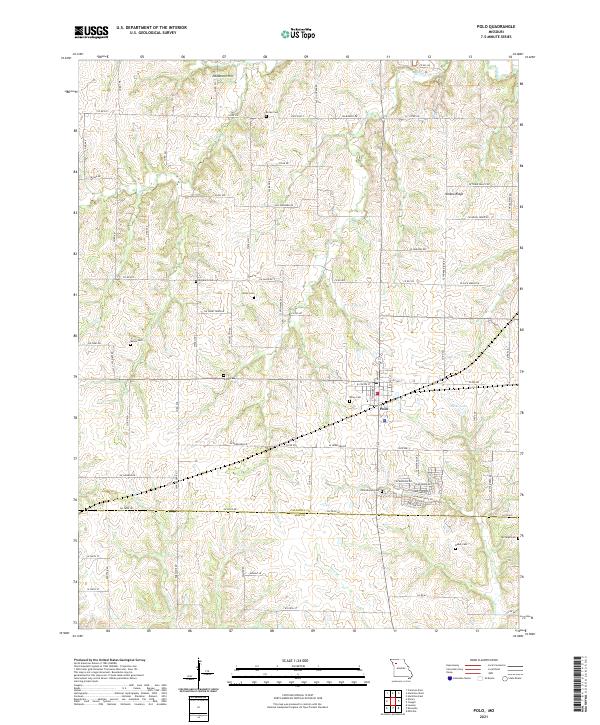 2021 Polo2021 Print · USGSThe rural border of Caldwell and Ray counties comes into focus in this recent survey of the Missouri countryside. Genealogists can locate numerous burial sites across the landscape, including Dunkard Cem, Wiley Cem, and Baker Cem.
End of results
Showing maps 1-11 of 11
Top cities near Polo
- Excelsior Springs historical maps
- Cameron historical maps
- Lawson historical maps
- Lathrop historical maps
- Hamilton historical maps
- Crystal Lakes historical maps
See more
Frequently asked questions
- What are the different types of historical maps available for Polo?
- What is the oldest map of Polo?
- Where can I purchase historical maps of Polo for my home or office?
- Where can I download high-res historical maps of Polo?
- Are there historical topographic maps available for Polo?
- Is there historical aerial imagery available for Polo?
- Where are historical maps of Polo sourced from?