Old Maps of Central Township, Missouri for Academic Research
Study the evolution of Central Township with 42 high-resolution historic maps. Whether you're teaching, researching, or modeling changes in land use, these maps provide essential visual documentation of urban, environmental, and geographic change.
- Analyze long-term change: Track patterns in development, transportation, and natural features.
- Ideal for environmental or urban studies: Support academic projects with primary historical map data.
- Use in the classroom or lab: Educators and researchers rely on these maps to bring historical context to life.
These maps are a powerful tool for teaching, research, and visualizing how Central Township has changed over the decades.
Central Township, MO maps
(42)- 1901 Map of De Soto
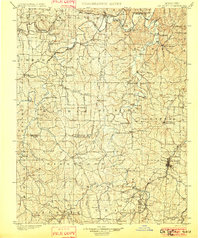 1901 De Soto1901 Print · USGSJefferson and Franklin Counties at the turn of the century show a landscape defined by industrial milling and river fords. Genealogists can trace early homesteads near Hillsboro or industrial sites like Vulcan Mine and Byrnes Mill.5 unique versions available
 - 1915 Map of Crystal City
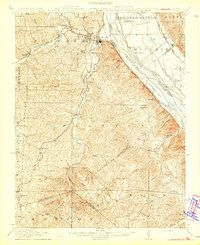 1915 Crystal City1915 Print · USGSThe Missouri-Illinois riverfront comes alive in this early 1900s survey of the industrial corridor between Crystal City and VALLES MINES. Researchers can trace the path of the St Louis and San Francisco railroad and locate old community centers like Rush Tower or the Telegraph School.4 unique versions available
 - 1930 Map of De Soto NE
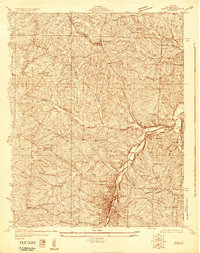 1930 De Soto NE1930 Print · USGSJefferson County settlement and rural education are captured in the early 1930s as the railroad and river networks shaped the valley. Genealogists can locate family landmarks like Peter Moore Sch and Buckie Sch near the Victoria and De Soto corridors.
 - 1930 Map of Pacific SE
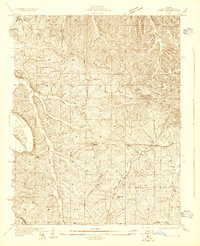 1930 Pacific SE1930 Print · USGSJefferson County rural life in the early 1930s is captured here through its network of country schoolhouses and river valleys. Researchers can trace historic routes like Le May Ferry Road and find old settlements such as Belews and Goldman.2 unique versions available
 - 1937 Map of Fletcher
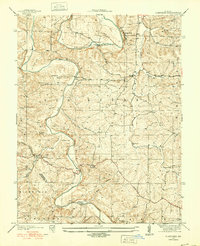 1937 Fletcher1937 Print · USGSJefferson and Washington counties in the 1930s were defined by the deep loops of the river and scattered rural settlements. Researchers can trace the location of family-named landmarks like McCain Cem, the community at Fletcher, and local schools such as Mammoth Sch.2 unique versions available
 - 1938 Map of Cedar Hill
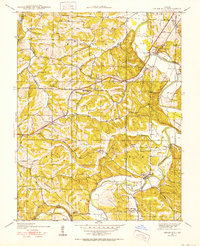 1938 Cedar Hill1938 Print · USGSJefferson County before the Second World War was a network of river-bottom mills and ridge-top schools connected by winding country roads. Genealogists can trace family footprints at Morse Mill, the MCCULLOCH FORD crossing, and rural schools like Bethlehem Sch.2 unique versions available
 - 1938 Map of Fletcher
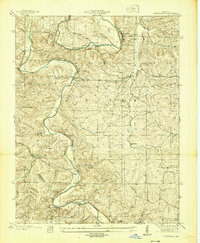 1938 Fletcher1938 Print · USGSThe Big River loops through Jefferson County in the late 1930s, showing a landscape of small river towns and family farmsteads. Genealogists can trace local roots at McCain Cem, Maness Sch, and the settlements of Fletcher and Frumet.
 - 1940 Map of Cedar Hill
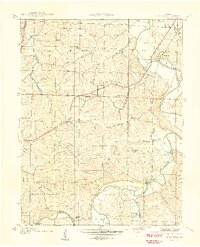 1940 Cedar Hill1940 Print · USGSJefferson County was a landscape of small river towns and hilltop schoolhouses just before the 1940s. Genealogists and local historians can trace family roots through landmarks like St Martins Ch, Morse Mill, and the many rural schools including Bethlehem Sch.
 - 1949 Map of Saint Louis
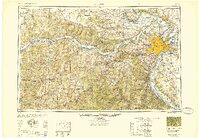 1949 Saint Louis1949 Print · USGSGreater St. Louis and its surrounding river valleys are captured here just after the war, showing the metropolitan core and the rural Ozark fringe. Researchers can trace the sprawling rail network of the Wabash RR or locate landmarks like Meramec Caverns Airport and Scott Air Force Base.2 unique versions available
 - 1949 Map of Crystal City, 1959 Print
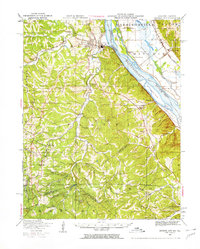 1949 Crystal City1959 Print · USGSThe Mississippi River valley comes alive in the late 1940s, showing the industrial pulse of Festus and the rural reaches of Jefferson County. Genealogists can locate numerous vanished landmarks like the Telegraph School, Valle Mines, and the Rush Tower river landing.2 unique versions available
 - 1954 Map of Belew Creek, 1959 Print
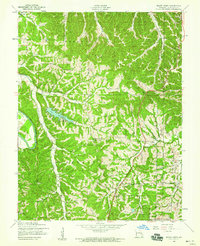 1954 Belew Creek1959 Print · USGSJefferson County hills in the mid-1950s are defined by winding waterways and ridge-top settlements. Genealogists can trace the rural landscape around Lake Tishomingo, Goldman, and local landmarks like Glade Chapel and the Lookout Tower.5 unique versions available
 - 1954 Map of Cedar Hill, 1959 Print
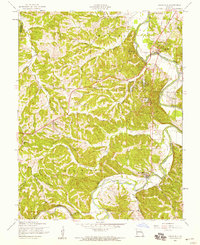 1954 Cedar Hill1959 Print · USGSThe Big River valley of Jefferson County is captured here in the mid-fifties, showing the rural communities before suburban expansion. Researchers can find many lost local landmarks, including Maple Grove Sch, the 101 Ranch, and Skullers Cem.5 unique versions available
 - 1955 Map of De Soto NE
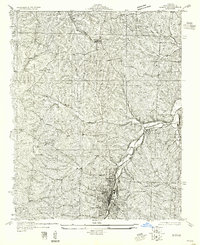 1955 De Soto NE1955 Print · USGSJefferson County's rural character is preserved here in the mid-1950s, showing the early infrastructure connecting local rail hubs. Family historians can locate a dense network of country schools like Buckie Sch and New Hope Sch along the banks of Joachim Creek.
 - 1958 Map of De Soto NE
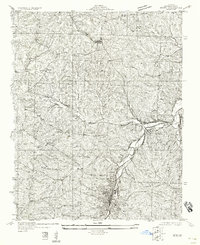 1958 De Soto NE1958 Print · USGSJefferson County during the early twentieth century shows a landscape defined by rail and creek valleys. Genealogists and local historians can trace the foundations of Festus and Hematite or locate rural landmarks like Haverstick Sch and the Missouri Pacific line.
 - 1960 Map of De Soto, 1961 Print
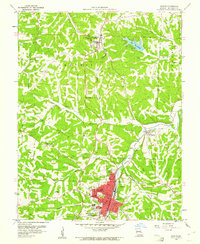 1960 De Soto1961 Print · USGSJefferson County was a landscape of winding creek valleys and rail-fed towns in the early sixties. Genealogists can trace family roots through several sites including Good Shepherd Cem, Victoria, and the campus of Mt St Clements College.2 unique versions available
 - 1962 Map of St. Louis
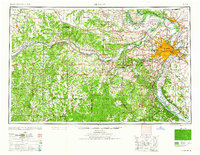 1962 St. Louis1962 Print · USGSThe mid-century gateway to the west shows the metropolitan expansion of St Louis alongside its critical river confluences. Genealogists and historians can trace the rail corridors of the Missouri Pacific RR and settlements from Fulton to De Soto.
 - 1963 Map of St. Louis, 1970 Print
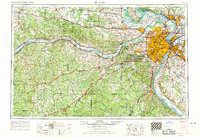 1963 St. Louis1970 Print · USGSSt. Louis and its surrounding river valleys are captured here during the peak of mid-century suburban expansion and industrial activity. Trace the historic rail routes of the Norfolk and Western Ry or locate the St Louis Ordnance Plant and early stretches of US Highway 66.4 unique versions available
 - 1964 Map of Festus, 1965 Print
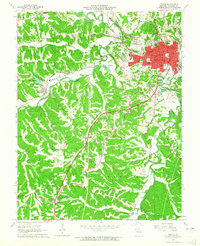 1964 Festus1965 Print · USGSJefferson County industrial and rail hubs are caught in detail during the mid-1960s. Researchers can trace family roots through sites like Rose Lawn Cem, Old Plattin Ch, and the streets of Festus and Crystal City.2 unique versions available
 - 1966 Map of St. Louis
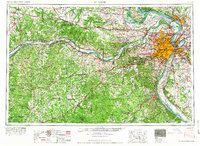 1966 St. Louis1966 Print · USGSThe St. Louis metropolitan area and its surrounding river valleys are captured here during the mid-sixties era of suburban growth and industrial strength. Genealogists and historians can trace the foundations of local communities through sites like Old Pioneer Cem, Parks College, and the Jefferson Barracks Military Reservation.
 - 1981 Map of Fletcher, 1982 Print
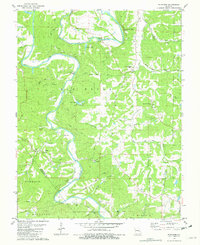 1981 Fletcher1982 Print · USGSJefferson County in the late seventies and early eighties was a landscape of river bends and rural crossroads. Local historians can trace family roots at McCain Cem, locate the site of Grandview Sch, or study the river crossings at Browns Ford Road.
 - 1981 Map of De Soto, 1982 Print
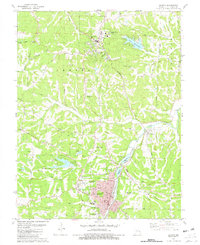 1981 De Soto1982 Print · USGSJefferson County’s landscape in the early eighties is captured here as the railroad town of De Soto and the hilltop county seat of Hillsboro expand. Genealogists and historians can trace family roots at Woodlawn Mem Park, the settlement at Victoria, and the Lone Pilgrim Ch.
 - 1985 Map of Festus, 1987 Print
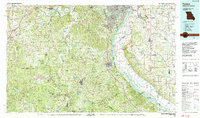 1985 Festus1987 Print · USGSThe Mississippi River corridor and Ozark foothills appear here in the mid-1980s, documenting a landscape of industrial river towns and forest preserves. Trace the development of Festus, Crystal City, and De Soto or locate sites like Mastodon State Park.
 - 2012 Map of Belews Creek, 2012 Print
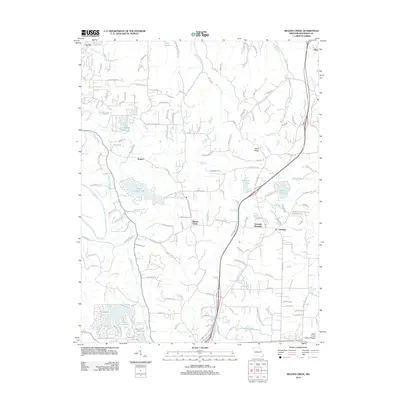 2012 Belews Creek2012 Print · USGSNorthern Jefferson County's creek valleys and private lake communities are well-established by the early twenty-first century. Researchers can trace the development of residential hubs like Granada Meadows and shoreline tracts around Lake Tishomingo and Lake Lorraine.
 - 2012 Map of Festus, 2012 Print
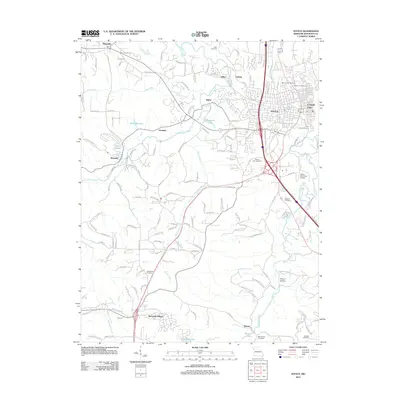 2012 Festus2012 Print · USGSFestus and Crystal City anchor this early twenty-first-century view of the Missouri landscape as it balances industrial heritage with modern suburban growth. Researchers can locate numerous local landmarks including Festus Memorial Airport, Hocum Hollow, and several burial sites like Sacred Heart Cemetery.
 - 2012 Map of Cedar Hill, 2012 Print
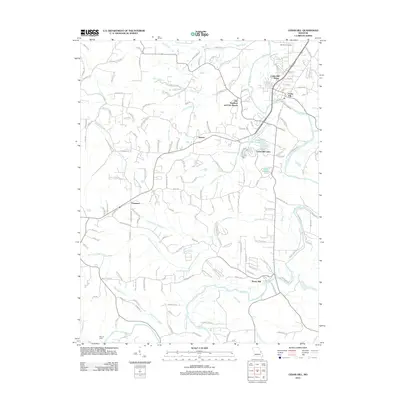 2012 Cedar Hill2012 Print · USGSJefferson County residential growth and rural heritage meet along the Big River in the early 2010s. Researchers can locate family landmarks like Skullbones Cemetery or trace the development of Morse Mill, Dittmer, and Cedar Hill Lakes.
Showing maps 1-25 of 42
Top cities near Central Township
- Arnold historical maps
- Festus historical maps
- Eureka historical maps
- Pacific historical maps
- De Soto historical maps
- Pevely historical maps
See more
Top neighborhoods of Central Township
- Belews Creek historical maps
- Goldman historical maps
- Victoria historical maps
- Hillsboro historical maps
Frequently asked questions
- What are the different types of historical maps available for Central Township?
- What is the oldest map of Central Township?
- Where can I purchase historical maps of Central Township for my home or office?
- Where can I download high-res historical maps of Central Township?
- Are there historical topographic maps available for Central Township?
- Is there historical aerial imagery available for Central Township?
- Where are historical maps of Central Township sourced from?