Old Maps of Amos, Missouri for Academic Research
Study the evolution of Amos with 15 high-resolution historic maps. Whether you're teaching, researching, or modeling changes in land use, these maps provide essential visual documentation of urban, environmental, and geographic change.
- Analyze long-term change: Track patterns in development, transportation, and natural features.
- Ideal for environmental or urban studies: Support academic projects with primary historical map data.
- Use in the classroom or lab: Educators and researchers rely on these maps to bring historical context to life.
These maps are a powerful tool for teaching, research, and visualizing how Amos has changed over the decades.
Amos, MO maps
(15)- 1887 Map of Mound City
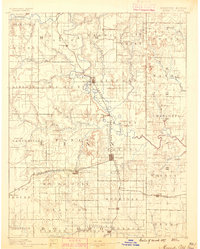 1887 Mound City1887 Print · USGSLinn and Miami counties are captured here in the 1880s, showcasing a landscape of river-valley agriculture and rapid railroad growth. Researchers can trace the path of the Kansas City Fort Scott and Gulf Railroad through Pleasanton or locate early settlements like Trading Post and Wall Street.
 - 1893 Map of Mound City
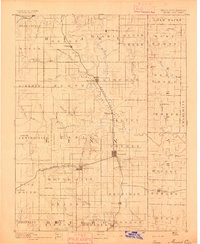 1893 Mound City1893 Print · USGSEastern Kansas at the close of the nineteenth century is defined here by its rail-and-river network and early township boundaries. Genealogists and historians can trace the early growth of Mound City, Pleasanton, and La Cygne along the Kansas City Osage and Gulf Railroad.4 unique versions available
 - 1940 Map of Hume, 1954 Print
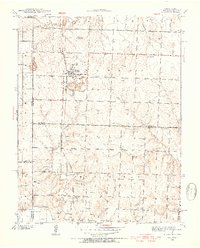 1940 Hume1954 Print · USGSThe Missouri-Kansas borderlands come to life in this late-depression era survey centered on Hume. Genealogists and local historians can trace family roots through numerous rural landmarks like Hume Cem, Union Chapel, and the settlement of Amos.3 unique versions available
 - 1942 Map of Hume
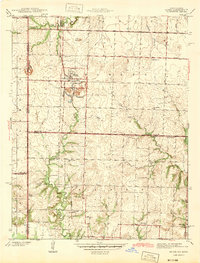 1942 Hume1942 Print · USGSThe Missouri-Kansas border area near Hume is captured here just before the mid-century, showing a landscape tightly woven with railroads and rural school districts. Genealogists can locate family landmarks like Lawrence Cem, Union Chapel, and the now-vanished rail stop at Amos.2 unique versions available
 - 1947 Map of Lawrence, 1954 Print
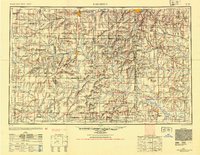 1947 Lawrence1954 Print · USGSEastern Kansas and western Missouri thrive in the late 1940s, showing a landscape defined by major river valleys and a dense railway network. Genealogists can trace family settlements from Lawrence to Greenwood and locate landmarks like Olathe Navy and Lake Lotawana.
 - 1950 Map of Lawrence
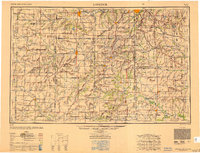 1950 Lawrence1950 Print · USGSMid-century Kansas and Missouri come alive in this map of the river-valley corridors just as the interstate era was beginning. Researchers can trace the legacy of major rail lines like the Union Pacific RR and locate ancestral roots in towns from Lawrence to Harrisonville.
 - 1956 Map of Lawrence, 1967 Print
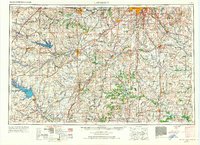 1956 Lawrence1967 Print · USGSEastern Kansas and the Missouri border country are captured here during the mid-century transition to the interstate era. Genealogists and local historians can trace family-named terrain like Summers Mound and the footprint of Sunflower Ordnance Works near Baldwin City.4 unique versions available
 - 1961 Map of Lawrence
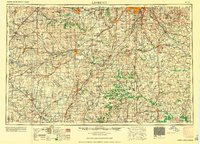 1961 Lawrence1961 Print · USGSThe Kansas-Missouri borderland shows its mid-century transition from a rail-dependent agricultural region to a suburbanizing landscape. Genealogists can trace family footprints through numerous Cem sites and distinctive terrain landmarks like Graves Mound and Summers Mound.
 - 1981 Map of Butler
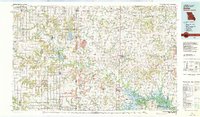 1981 Butler1981 Print · USGSWestern Missouri and eastern Kansas settlements are documented here in the early eighties, as the river valleys were transitioning into major wildlife management areas. Genealogists can locate family names near Greenlawn Cem or trace the development of towns like Butler, Osawatomie, and Appleton City.
 - 1991 Map of Hume
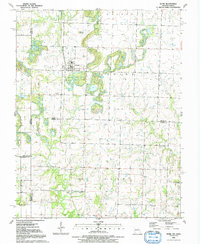 1991 Hume1991 Print · USGSThe Missouri-Kansas border area near Hume is captured here during the late twentieth century, showing a landscape defined by state-line boundaries and rural heritage. Researchers can locate family sites and landmarks like Lawrence Cem, Amos, and Rocky Mound.
 - 2009 Map of Hume, 2009 Print
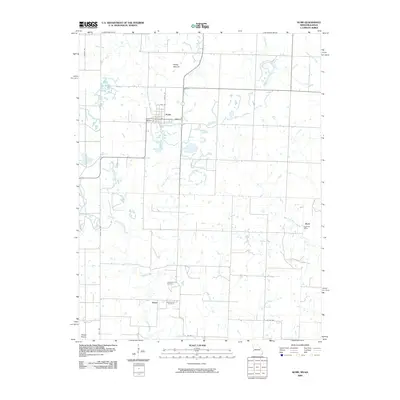 2009 Hume2009 Print · USGSBates County, Missouri, is captured at the close of the first decade of the 2000s, showing a landscape shaped by prairie drainage and rural settlements. Researchers can trace family history at Lawrence Cemetery or locate the historic Rock Post Office and Hume town site.
 - 2011 Map of Hume, 2011 Print
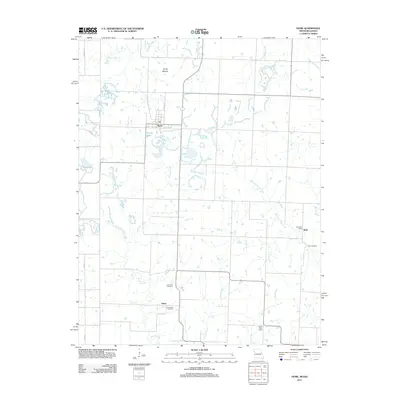 2011 Hume2011 Print · USGSThe borderlands of Missouri and Kansas appear here in the early twenty-first century, centered on the town of Hume. Researchers can trace rural family sites through the Lawrence Cemetery and Underwood Cemetery or locate the Rock Post Office in the eastern hills.
 - 2014 Map of Hume, 2014 Print
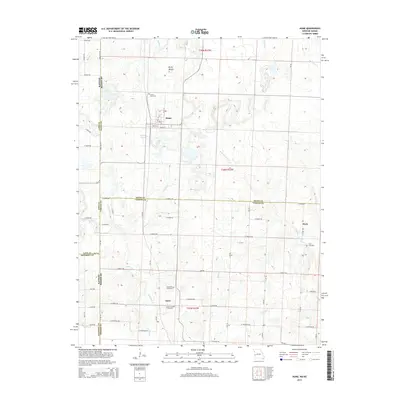 2014 Hume2014 Print · USGSThe Missouri-Kansas borderlands come into focus in the early twenty-first century, showing a rural landscape defined by historic family-named cemeteries and small settlements. Trace ancestral roots at Lawrence Cemetery or Underwood Cemetery, and explore the areas around Hume and Amos.
 - 2017 Map of Hume, 2017 Print
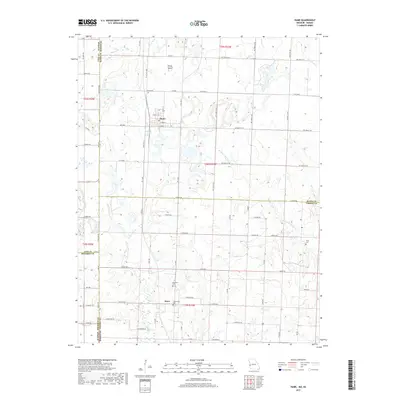 2017 Hume2017 Print · USGSThe Missouri-Kansas borderlands in the early twenty-first century are defined here by organized farm roads and the settlement of Hume. Family historians can trace rural burial sites like Underwood Cem and Clark Cem or locate the small community of Amos.
 - 2021 Map of Hume, 2021 Print
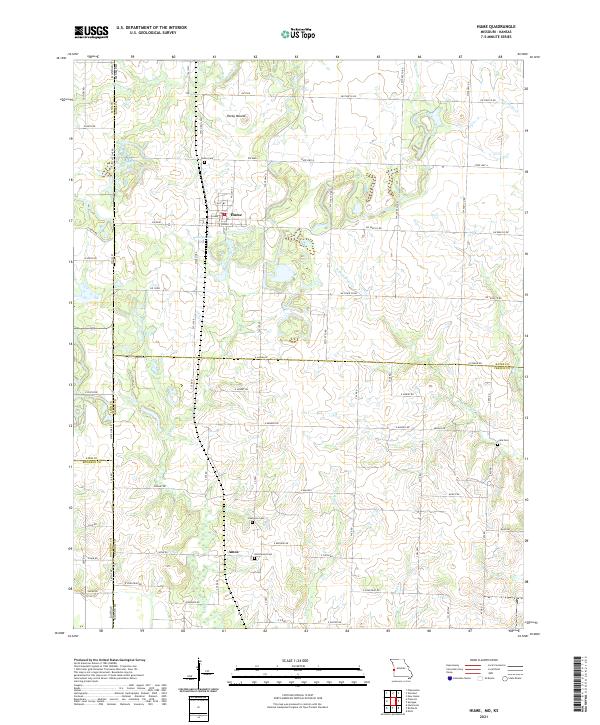 2021 Hume2021 Print · USGSThe Missouri-Kansas state line defines the western edge of this rural landscape during the early twenty-first century. Researchers can locate several legacy burial sites including Lawrence Cem and Underwood Cem, or trace the development of Hume and the smaller settlement of Amos.
End of results
Showing maps 1-15 of 15
Top cities near Amos
- Nevada historical maps
- Fort Scott historical maps
- Butler historical maps
- Rich Hill historical maps
- Pleasanton historical maps
- Mound City historical maps
See more
Frequently asked questions
- What are the different types of historical maps available for Amos?
- What is the oldest map of Amos?
- Where can I purchase historical maps of Amos for my home or office?
- Where can I download high-res historical maps of Amos?
- Are there historical topographic maps available for Amos?
- Is there historical aerial imagery available for Amos?
- Where are historical maps of Amos sourced from?