1970s Maps of Roosevelt County, Montana
Explore 27 historic maps of Roosevelt County from the 1970s. These maps offer a rare glimpse into what life looked like during the 1970s — showing old roads, neighborhoods, homes, and landmarks that have changed or disappeared over time.
Whether you're researching your family's past, planning a metal detecting trip, or studying how Roosevelt County's landscape evolved across the 1970s, these high-resolution maps are a powerful tool for exploring the history of this region.
- Focus on a specific era: All maps on this page are from the 1970s, giving you a focused view of this time period.
- See what’s changed: Compare century-old streets, trails, and buildings to today's modern landscape using overlays and satellite layers.
- Research with precision: Use these maps for genealogy, historical research, land use analysis, or educational projects.
- View, download, or print: Maps are fully viewable online in high resolution, and can be downloaded or printed for your own records.
Start exploring Roosevelt County's history through authentic maps from the 1970s. This is your window into the past.
Roosevelt County, MT maps
(27)- 1972 Map of Flynn Creek North, 1975 Print
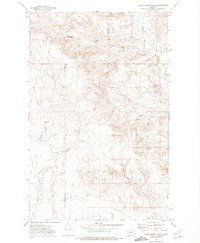 1972 Flynn Creek North1975 Print · USGSThe Fort Peck Indian Reservation in the early 1970s was a landscape defined by the winding drainages of Wolf Creek and Flynn Creek. Researchers can trace the Valley and Roosevelt County boundary through Badger Hole and across the East Fork Flynn Creek.
 - 1972 Map of Chelsea SW, 1975 Print
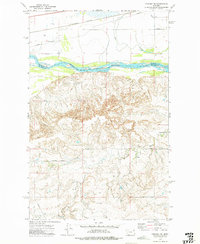 1972 Chelsea SW1975 Print · USGSMcCone and Roosevelt counties are shown here in the early 1970s as industrial pipelines and railroads began to cross the Missouri River breaks. Genealogists and researchers can trace the Fort Peck Indian Reservation Boundary and find local landmarks like Nickwall Dam and the Burlington Northern rail line.
 - 1972 Map of Poplar, 1975 Print
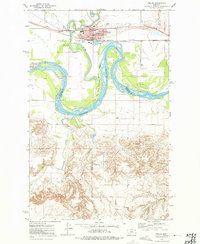 1972 Poplar1975 Print · USGSThe confluence of the Missouri and Poplar Rivers is captured in the early seventies, centered on the hub of Poplar within the reservation. Trace the Burlington Northern rail line and local landmarks like the Arthur Sch and the Poplar Airport.2 unique versions available
 - 1972 Map of Chelsea, 1975 Print
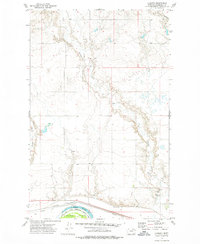 1972 Chelsea1975 Print · USGSRoosevelt County's riverfront and reservation lands are captured in the early seventies, centered on the Chelsea settlement. Family researchers can trace St Anns Cem and Boxelder Cem along the Burlington Northern rail corridor.
 - 1972 Map of Poplar NE, 1975 Print
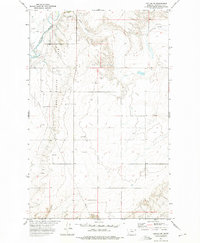 1972 Poplar NE1975 Print · USGSRoosevelt County in the early seventies shows an active energy landscape within the Fort Peck Indian Reservation. Genealogists and historians can trace the network of the East Poplar Oil Field and the winding course of the Poplar River.
 - 1972 Map of Frog Coulee, 1975 Print
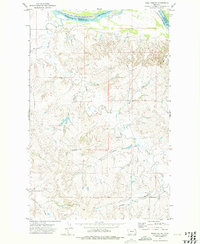 1972 Frog Coulee1975 Print · USGSThe Missouri River breaks the high plains in the early seventies, marking the edge of the Fort Peck Indian Reservation. Genealogists and local historians can locate remote landmarks like St Bernards Ch, Lynn Cem, and Land Promised Coulee.2 unique versions available
 - 1972 Map of Wolf Point, 1975 Print
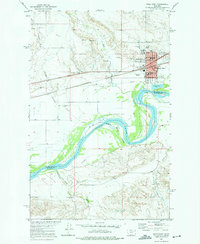 1972 Wolf Point1975 Print · USGSWolf Point thrives as a river and rail center during the early seventies, positioned along the banks of the Missouri River. Genealogists and historians can trace local institutions like Northside Sch, Greenwood Cem, and the Community Hall.
 - 1972 Map of Macon, 1975 Print
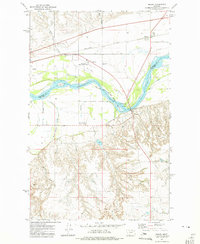 1972 Macon1975 Print · USGSThe Missouri River valley near the Fort Peck Indian Reservation is captured here in the early seventies as a hub of transport and grain. Trace the local community through landmarks like Macon, Courchene Cem, and the Frontier Sch.
 - 1972 Map of Mortarstone Bluff, 1975 Print
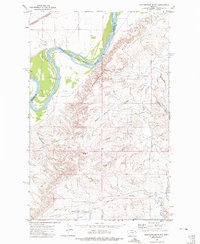 1972 Mortarstone Bluff1975 Print · USGSThe Missouri River breaks through the high plains of eastern Montana in the early 1970s, marking the edge of the Fort Peck Indian Reservation. Local researchers can trace the tracks of the Burlington Northern and find specific community sites like Riverside Ch and the Fisher Cem.2 unique versions available
 - 1972 Map of Chelsea NW, 1975 Print
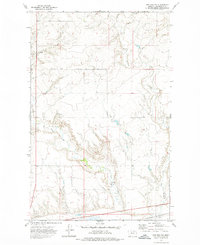 1972 Chelsea NW1975 Print · USGSNortheastern Montana lands within the Fort Peck Indian Reservation are captured here in the early seventies. Researchers can trace the rugged drainages of Tule Creek and Chelsea Creek as they converge near the Burlington Northern railroad and regional Pipeline.
 - 1972 Map of Badger Creek, 1975 Print
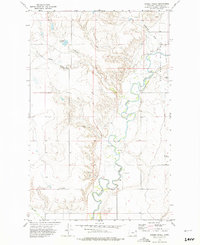 1972 Badger Creek1975 Print · USGSRoosevelt County in the early seventies shows a landscape defined by the Poplar River and the expanding East Poplar Oil Field. Researchers can trace old resource extraction sites, from several Oil Wells to the Crandall Reservoir and the Little Badger Spr.
 - 1972 Map of Flynn Creek South, 1975 Print
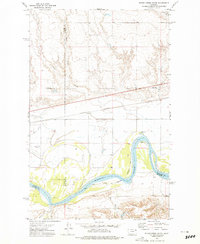 1972 Flynn Creek South1975 Print · USGSThe Missouri River valley at the Fort Peck Indian Reservation is shown here in the 1970s, as the river snakes between multiple county lines. Local researchers can locate the Oswego Ch, a local Cem, and the tracks of the Burlington Northern railroad.2 unique versions available
 - 1972 Map of Wolf Point NE, 1975 Print
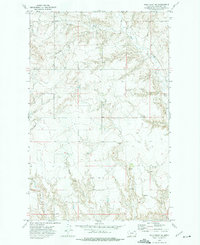 1972 Wolf Point NE1975 Print · USGSThe northern reaches of the Fort Peck Indian Reservation were documented in the early 1970s, showcasing a remote landscape of prairie coulees. Genealogists and researchers can trace drainage patterns along Little Wolf Creek and identify numerous isolated Well and Gravel Pit locations.
 - 1972 Map of Brockton, 1975 Print
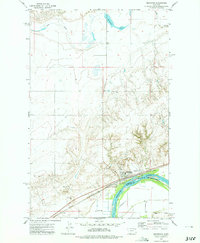 1972 Brockton1975 Print · USGSBrockton and the Missouri River corridor are captured here during the 1970s, showcasing the town's agricultural and rail infrastructure. Genealogists and local historians can locate specific landmarks like the Ruffatto Sch, Twomile Hall, and the town's original Rodeo Ground.2 unique versions available
 - 1972 Map of Nickwall, 1975 Print
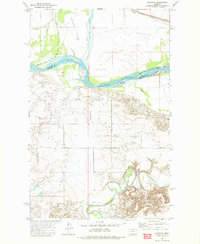 1972 Nickwall1975 Print · USGSMcCone County, Montana, was a landscape of river confluences and reservation borders in the early 1970s. Researchers can trace the settlement at Nickwall, locate the Pleasant View Cem, and study the shifting banks of the Missouri River.
 - 1972 Map of Sprole, 1976 Print
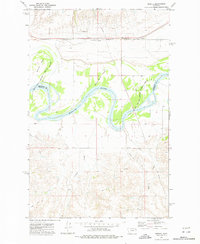 1972 Sprole1976 Print · USGSThe Missouri River valley at the Roosevelt and Richland county line is captured here in the early 1970s. Trace the rural rail-and-river economy through landmarks like the Sprole Storage Bins, the Burlington Northern line, and White Shield Island.2 unique versions available
 - 1972 Map of Wolf Point NW, 1976 Print
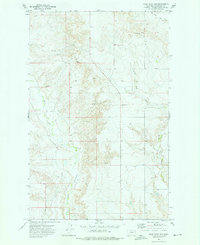 1972 Wolf Point NW1976 Print · USGSRoosevelt County's high plains on the Fort Peck Indian Reservation are captured here in the early 1970s. Researchers can trace the drainages of Wolf Creek and Tule Creek alongside vital water sources like Spring and West Fork No 2.
 - 1973 Map of Bredette, 1976 Print
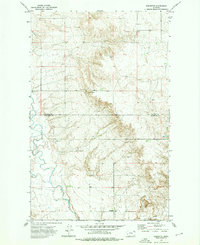 1973 Bredette1976 Print · USGSBredette and the surrounding plains of Northeast Montana are documented here in the early 1970s within the Fort Peck Indian Reservation. Researchers can trace the meandering Poplar River, identify local Storage Bins, and locate administrative markers along the Roosevelt County line.
 - 1973 Map of Pleasant Prairie, 1976 Print
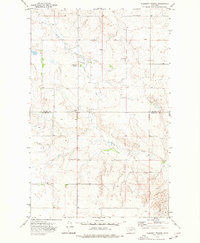 1973 Pleasant Prairie1976 Print · USGSNortheastern Montana ranching country is captured here in the early 1970s within the Fort Peck Indian Reservation. Genealogists and local historians can trace the community around Pleasant Prairie Ch, the Cem, and the Westby School Center.
 - 1973 Map of Nielsen Coulee, 1976 Print
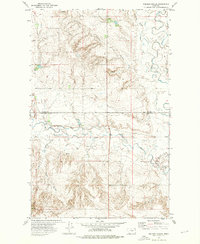 1973 Nielsen Coulee1976 Print · USGSThe high plains along the Daniels and Roosevelt County line are captured here in the early 1970s. Researchers can trace water sources and drainage patterns along the Poplar River, Nielsen Coulee, and West Fork Poplar River.
 - 1973 Map of Pleasant Prairie SW, 1976 Print
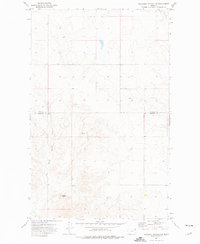 1973 Pleasant Prairie SW1976 Print · USGSRoosevelt and Daniels counties are shown during the 1970s, featuring the open prairie landscape of the Fort Peck Indian Reservation. Researchers can trace landforms like Square Butte, Pole Hill, and the course of Out Give Creek.
 - 1973 Map of Peerless 4 SE, 1976 Print
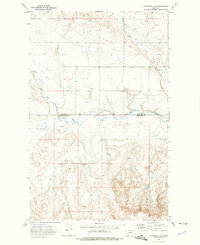 1973 Peerless 4 SE1976 Print · USGSThe high plains of the Fort Peck Indian Reservation are captured here in the early 1970s as the landscape was mapped along the Roosevelt County line. Researchers can trace the winding West Fork Poplar River or locate remote landmarks like the Drill Hole and Police Creek.2 unique versions available
 - 1973 Map of Peerless 4 SW, 1976 Print
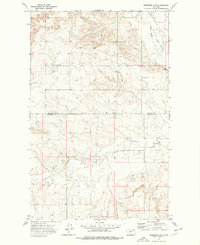 1973 Peerless 4 SW1976 Print · USGSAgricultural life in northeastern Montana takes center stage in the 1970s within the Fort Peck Indian Reservation. Researchers can trace the Daniels and Roosevelt County line while locating landmarks like grain Storage Bins and a Drill Hole.3 unique versions available
 - 1973 Map of Poplar Coulee, 1976 Print
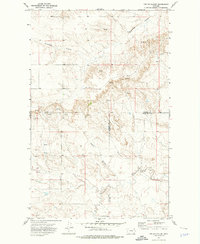 1973 Poplar Coulee1976 Print · USGSNortheast Montana ranching country is captured here in the early seventies, spanning a corner of the Fort Peck Indian Reservation. Trace the rugged drainage of Shipstead Coulee and locate specific water sources like Cottonwood Creek and various Springs.2 unique versions available
 - 1974 Map of Brush Mountain, 1977 Print
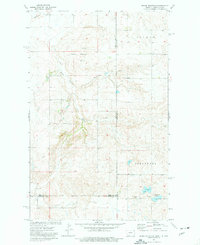 1974 Brush Mountain1977 Print · USGSThe high plains of the Montana and North Dakota border are captured here during the mid-seventies, showing a landscape of remote drainage basins and rural homesteads. Genealogists can locate family landmarks such as Scandia Ch and the neighboring Cem, or trace the path of Dead Horse Spring.2 unique versions available
Showing maps 1-25 of 27
Top cities of Roosevelt County
- Wolf Point District historical maps
- Poplar District historical maps
- Culbertson historical maps
- Brockton District historical maps
- Froid historical maps
- Bainville historical maps
Frequently asked questions
- What are the different types of historical maps available for Roosevelt County?
- What is the oldest map of Roosevelt County?
- Where can I purchase historical maps of Roosevelt County for my home or office?
- Where can I download high-res historical maps of Roosevelt County?
- Are there historical topographic maps available for Roosevelt County?
- Is there historical aerial imagery available for Roosevelt County?
- Where are historical maps of Roosevelt County sourced from?