Old Maps of Bighorn, Montana for Hiking & Exploration
Hike through history with 11 historic maps of Bighorn. Explore old trails, ghost towns, and forgotten backroads — perfect for outdoor adventurers and local explorers.
- Rediscover forgotten places: Map out old mining camps, roads, and footpaths that no longer exist on modern maps.
- Layer with modern tools: Combine with LiDAR or satellite views to plan hikes through historical terrain.
- Made for exploration: Popular among hikers, overlanders, and local history lovers.
Use these maps to find adventure and explore the hidden past of Bighorn.
Bighorn, MT maps
(11)- 1954 Map of Forsyth, 1966 Print
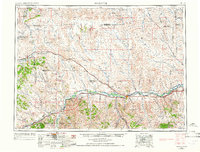 1954 Forsyth1966 Print · USGSThe Yellowstone River valley and the northern high plains are captured here in the mid-1950s during a period of expanding energy and rail infrastructure. Genealogists and historians can trace rail sidings and cattle-country outposts like Ingomar, Vananda, and Angela.3 unique versions available
 - 1957 Map of Forsyth
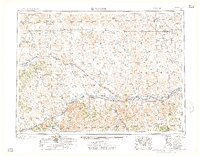 1957 Forsyth1957 Print · USGSSouth-central Montana in the late fifties is captured here through its dual-river geography and emergent energy economy. Researchers can trace the path of the Northern Pacific through Forsyth, locate the Ragged Point Oil Field, and find early sidings like Ahles Siding.
 - 1958 Map of Forsyth
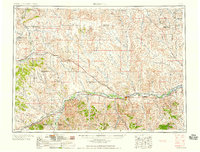 1958 Forsyth1958 Print · USGSMid-century Montana comes alive along the Yellowstone River and the competing transcontinental rail lines. Local historians can trace the legacy of the Northern Pacific through Forsyth or explore early oil developments at the Ragged Point Oil Field.
 - 1960 Map of Bighorn, 1962 Print
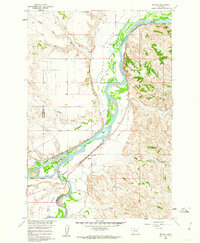 1960 Bighorn1962 Print · USGSThe confluence of the Yellowstone and Bighorn rivers in the early 1960s shows a landscape of vital irrigation ditches and rail lines. Researchers can trace the legacy of Pease Bottom through the Ft Pease (Site) and the tracks of the Northern Pacific railroad.5 unique versions available
 - 1979 Map of Hysham
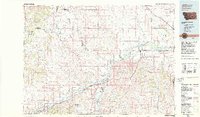 1979 Hysham1979 Print · USGSBig Sky cattle country and river-fed valleys define this 1970s Montana landscape at the junction of two major rivers. Genealogists and historians can trace rail-side towns like Hysham, Myers, and Sanders, or locate family landmarks near Pease Bottom and Bull Mtn.
 - 1983 Map of Forsyth
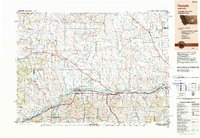 1983 Forsyth1983 Print · USGSEastern Montana's high plains and river valleys come into focus in the early eighties as the rail-and-ranching economy centered on the Yellowstone River. Researchers can trace the development of small rail towns like Hysham, Angela, and Ingomar alongside the Burlington Northern line.
 - 2011 Map of Bighorn, 2011 Print
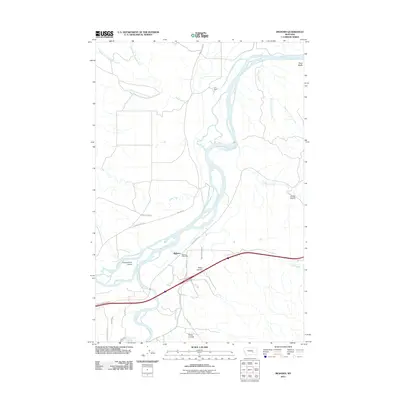 2011 Bighorn2011 Print · USGSThe Bighorn and Yellowstone rivers meet in Treasure County at the start of the 2010s, defining a landscape shaped by river commerce and irrigation. Researchers can trace the layout of the Bighorn settlement and find historic points like the Bighorn Post Office and Fort Pease.
 - 2014 Map of Bighorn, 2014 Print
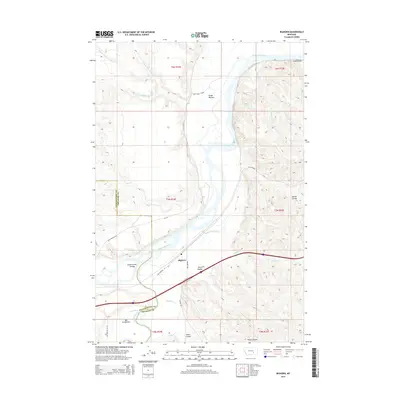 2014 Bighorn2014 Print · USGSBighorn and the fertile Yellowstone River valley are captured here in the early twenty-first century, showing the enduring agricultural life of the Treasure County bottoms. Local researchers can trace old road alignments like Old Highway 10 and find family-named landmarks including Petes Coulee and Guys Bluffs.
 - 2017 Map of Bighorn, 2017 Print
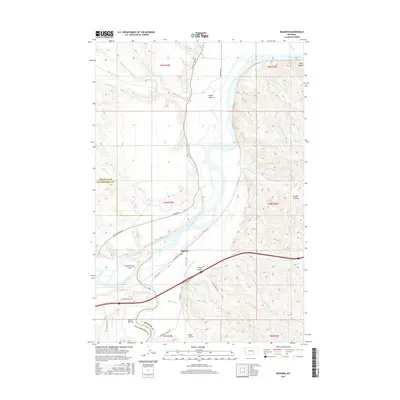 2017 Bighorn2017 Print · USGSThe confluence of the Bighorn River and the Yellowstone River comes into focus in this modern Montana survey. Researchers can trace the layout of the town of Bighorn and find local landmarks like Government Island, Pease Bottom, and Guys Bluffs.
 - 2020 Map of Bighorn, 2020 Print
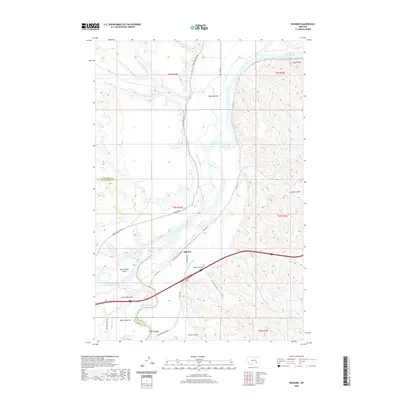 2020 Bighorn2020 Print · USGSBighorn and the surrounding river bottoms are captured here as they appeared in 2020 at the meeting of two major Montana waterways. Researchers can trace the irrigation history of Pease Bottom or locate family landmarks near Guys Bluffs and Government Island.
 - 2024 Map of Bighorn, 2024 Print
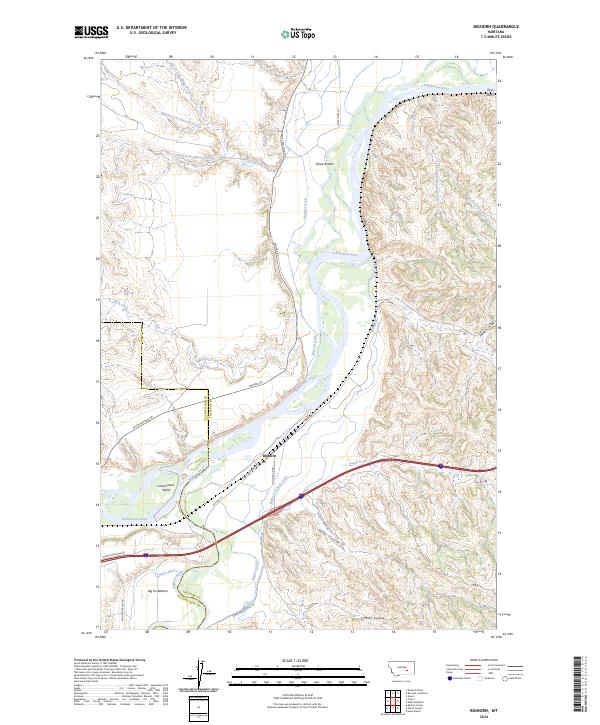 2024 Bighorn2024 Print · USGSThe confluence of the Bighorn and Yellowstone rivers defines this Montana landscape in the early twenty-first century. Researchers can trace irrigation history through the Bighorn-Tullock Ditch and locate riverside landmarks like Pease Bottom and Governmert Island.
End of results
Showing maps 1-11 of 11
Top cities near Bighorn
Frequently asked questions
- What are the different types of historical maps available for Bighorn?
- What is the oldest map of Bighorn?
- Where can I purchase historical maps of Bighorn for my home or office?
- Where can I download high-res historical maps of Bighorn?
- Are there historical topographic maps available for Bighorn?
- Is there historical aerial imagery available for Bighorn?
- Where are historical maps of Bighorn sourced from?