Old Maps of Precinct 9, Nebraska for Academic Research
Study the evolution of Precinct 9 with 24 high-resolution historic maps. Whether you're teaching, researching, or modeling changes in land use, these maps provide essential visual documentation of urban, environmental, and geographic change.
- Analyze long-term change: Track patterns in development, transportation, and natural features.
- Ideal for environmental or urban studies: Support academic projects with primary historical map data.
- Use in the classroom or lab: Educators and researchers rely on these maps to bring historical context to life.
These maps are a powerful tool for teaching, research, and visualizing how Precinct 9 has changed over the decades.
Precinct 9, NE maps
(24)- 1955 Map of Sioux City, 1959 Print
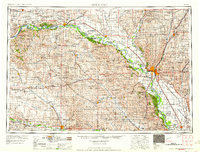 1955 Sioux City1959 Print · USGSThe Missouri River valley in the mid-fifties is captured here during a time of major engineering and social transition. Genealogists and historians can trace the foundations of Gavins Point Dam, tribal boundaries on the Santee Sioux Indian Reservation, and local landmarks like the Norfolk State Hospital.4 unique versions available
 - 1958 Map of Sioux City
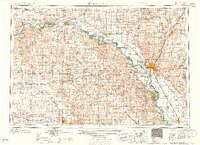 1958 Sioux City1958 Print · USGSThe Missouri River valley in the late fifties was a bustling intersection of tribal lands, rail corridors, and river towns. Genealogists can trace family roots through specific rural sites like Daisy Valley School, St Johns Church and School, and Yankton State Hospital.
 - 1959 Map of Sioux City
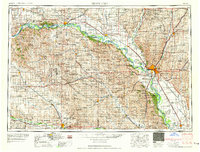 1959 Sioux City1959 Print · USGSThe tri-state region surrounding the Missouri River is captured here in the late fifties, showing the convergence of Nebraska, South Dakota, and Iowa. Researchers can trace rural lineages through numerous country schoolhouses like Cemetery School and the many numbered Washington School districts.
 - 1968 Map of Coleridge, 1971 Print
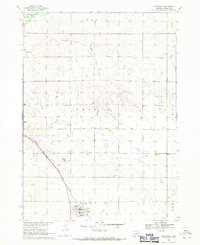 1968 Coleridge1971 Print · USGSThe village of Coleridge stands as a rail-side hub in late 1960s Cedar County, where the plains meet a intricate network of prairie creeks. Researchers can trace family ties at St Michael Cem and Immanuel Cem or follow the Chicago and North Western line.
 - 1968 Map of Hartington, 1971 Print
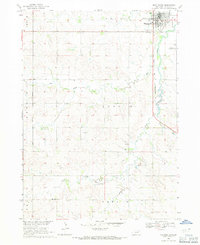 1968 Hartington1971 Print · USGSCedar County's county seat is shown in the late sixties as a thriving hub of rail and road. Genealogists and researchers can trace the locations of St Michaels Cem, Robins Sch, and the local Drive-in Theater near the Hartington town site.
 - 1968 Map of Wynot, 1971 Print
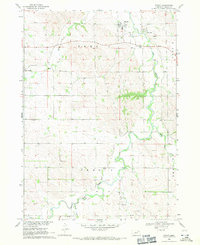 1968 Wynot1971 Print · USGSNortheastern Nebraska's creek valleys were captured in detail during the late sixties, showing the rural communities of Wynot and St James. Researchers can trace old property boundaries and locate local landmarks like Paragon Cem and several Gravel Pits along Bow Creek.
 - 1968 Map of Fordyce, 1971 Print
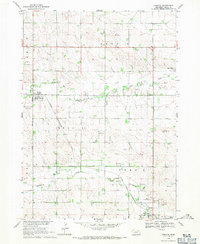 1968 Fordyce1971 Print · USGSCedar County's agricultural heartland is documented here in the late sixties, centered on the rail-dependent town of Fordyce. Genealogists and historians can trace the Chicago and North Western line as it connects Hartington to Bow Valley.
 - 1985 Map of Yankton
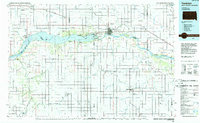 1985 Yankton1985 Print · USGSThe Missouri River borderlands of South Dakota and Nebraska come alive in this mid-eighties survey, centered on the newly created Lewis and Clark Lake. Researchers can trace the Santee Indian Reservation and locate historic river features like the St Helena Island Chute and Sand Island.2 unique versions available
 - 2011 Map of Wynot, 2011 Print
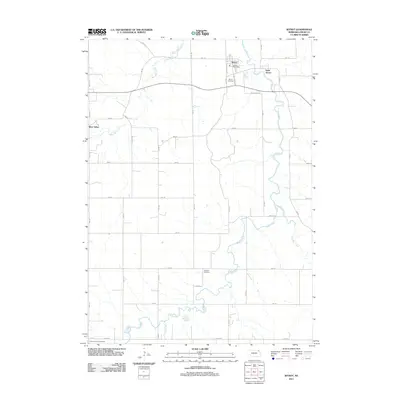 2011 Wynot2011 Print · USGSNorthwestern Cedar County in the early twenty-first century remains a landscape of tightly woven creek valleys and rural outposts. You can trace early family sites near Wynot Cemetery and Paragon Cemetery or follow the meandering course of Bow Creek.
 - 2011 Map of Coleridge, 2011 Print
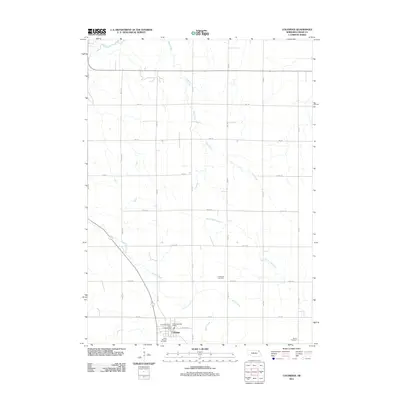 2011 Coleridge2011 Print · USGSNortheastern Nebraska's farm country near the turn of the century is captured here through the organized settlement of Cedar County. You can locate family history markers at Immanuel Cemetery and Norris Cemetery or trace the winding banks of Kerloo Creek and Dead Creek.
 - 2011 Map of Hartington, 2011 Print
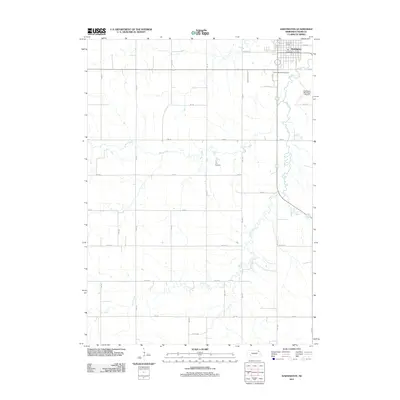 2011 Hartington2011 Print · USGSIn the early 2010s, this area of Cedar County centers on the agricultural hub of Hartington and its surrounding prairie. Genealogists and local historians can trace family land via the road grid and identify key sites like Saint Michaels Cemetery and Bow Creek.
 - 2011 Map of Fordyce, 2011 Print
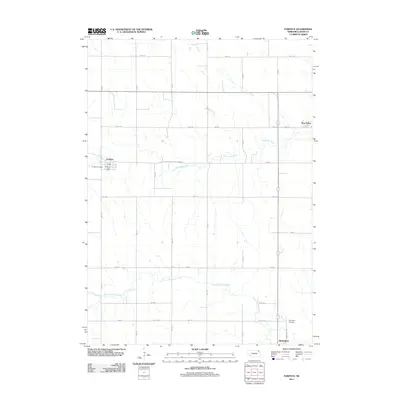 2011 Fordyce2011 Print · USGSCedar County's agricultural heartland is documented here in the early twenty-first century, showing the small-town life and rural road networks of the plains. Genealogists can trace family landmarks like Fordyce Cemetery and Hartington Cemetery or the local community at Bow Valley.
 - 2014 Map of Wynot, 2014 Print
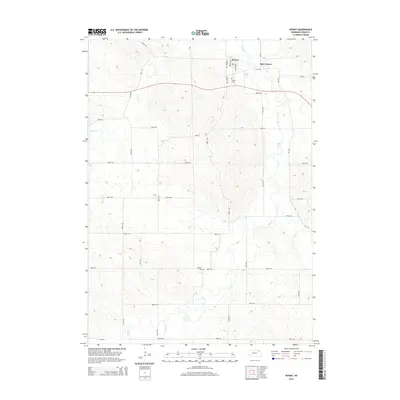 2014 Wynot2014 Print · USGSNortheastern Cedar County is captured here in the early twenty-first century, showing a rural landscape defined by its creek valleys. Genealogists and local historians can locate Wynot Cem and Paragon Cem, or trace the paths of W Bow Cr and Dead Cr.
 - 2014 Map of Coleridge, 2014 Print
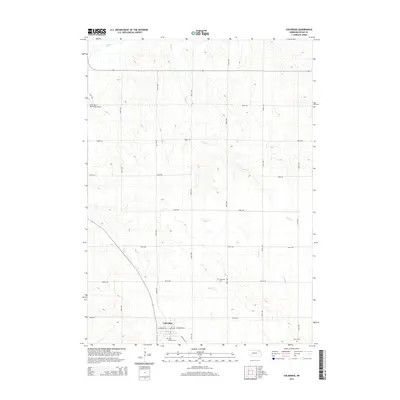 2014 Coleridge2014 Print · USGSColeridge and its surrounding farmland are detailed in this twenty-first-century survey of northeast Nebraska. Genealogists and local researchers can locate family burial plots at Saint Michael Cem, Immanuel Cem, and Norris Cem.
 - 2014 Map of Fordyce, 2014 Print
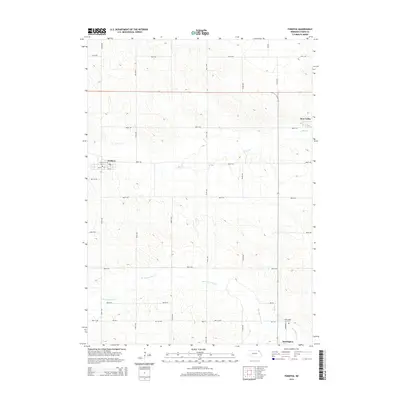 2014 Fordyce2014 Print · USGSThe rolling agricultural lands of Cedar County come into focus here during the early 2010s. Researchers can locate family roots at the Fordyce Cem or Hartington Cem and trace the winding paths of Norwegian Bow Cr.
 - 2014 Map of Hartington, 2014 Print
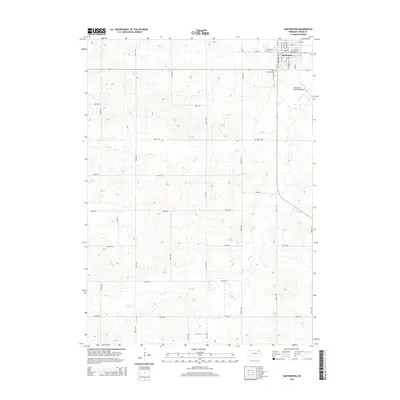 2014 Hartington2014 Print · USGSHartington and the surrounding Cedar County countryside are captured here in the mid-2010s. Genealogists and local historians can trace the streets of the county seat or locate Saint Michaels Cem and the Hartington Municipal Airport.
 - 2017 Map of Wynot, 2017 Print
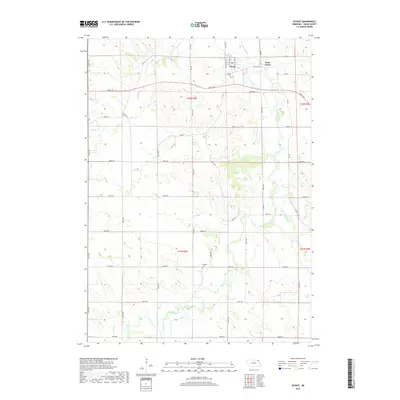 2017 Wynot2017 Print · USGSNortheast Nebraska's rural landscape comes into focus in this late twenty-first-century survey of the Bow Creek drainage. Genealogists and local historians can locate early burial sites at Wynot Cem and Paragon Cem or trace the settlement of Saint James.
 - 2017 Map of Hartington, 2017 Print
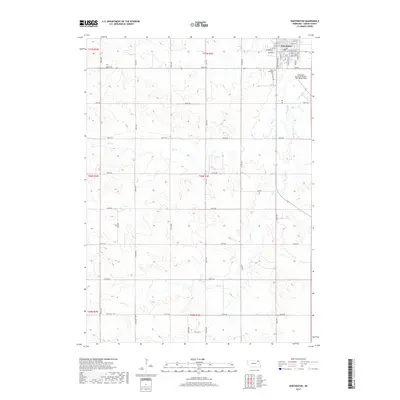 2017 Hartington2017 Print · USGSThe Cedar County seat of Hartington is captured in the late twenty-tens, showing the intersection of municipal life and the surrounding plains. Genealogists and local historians can locate Saint Michaels Cem and trace the paths of Bow Cr and Pearl Cr across the rural landscape.
 - 2017 Map of Fordyce, 2017 Print
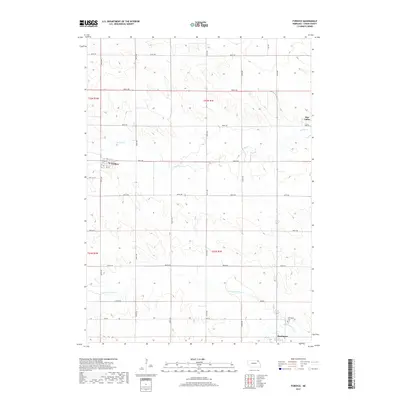 2017 Fordyce2017 Print · USGSSettlements in Cedar County during the late twenty-first century are defined by their relationship to the Nebraska plains and the grid of section roads. Researchers can trace the layout of Fordyce and find specific cemetery sites like Fordyce Cem and Hartington Cem.
 - 2017 Map of Coleridge, 2017 Print
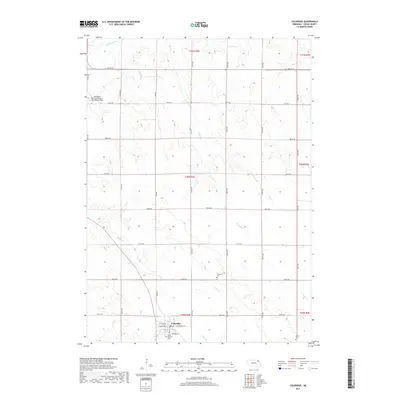 2017 Coleridge2017 Print · USGSThe village of Coleridge and its surrounding Cedar County farmsteads are captured here in the late twenty-tens. Genealogists can locate several rural burial sites including Saint Michael Cem, Immanuel Cem, and Norris Cem.
 - 2021 Map of Wynot, 2021 Print
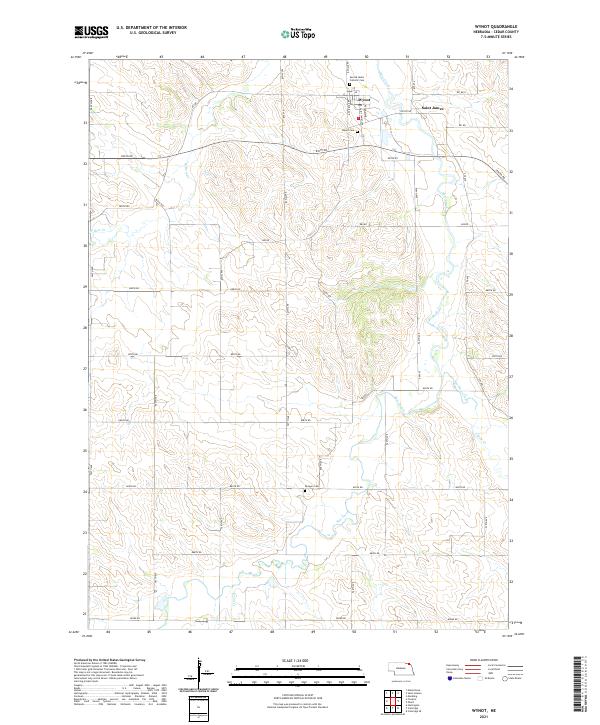 2021 Wynot2021 Print · USGSWynot and the surrounding Cedar County farmlands are captured here in the early twenty-first century as the region maintains its quiet agricultural character. Researchers can locate family burial sites at Wynot Cem and Paragon Cem or trace the winding banks of Bow Creek.
 - 2021 Map of Coleridge, 2021 Print
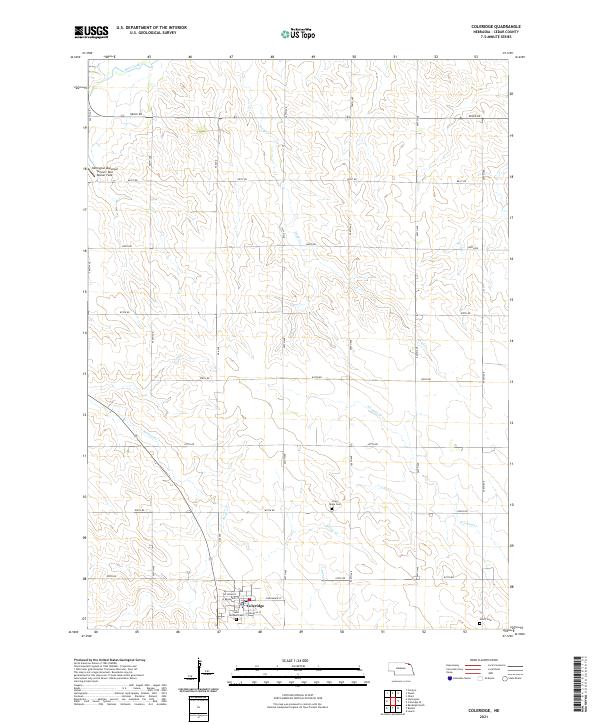 2021 Coleridge2021 Print · USGSNortheast Nebraska's high plains are documented here in the early twenty-first century, centered on the village of Coleridge. Genealogists and local historians can trace rural burial sites like Lawn Ridge Cem and Norris Cem along the banks of Kerloo Cr.
 - 2021 Map of Fordyce, 2021 Print
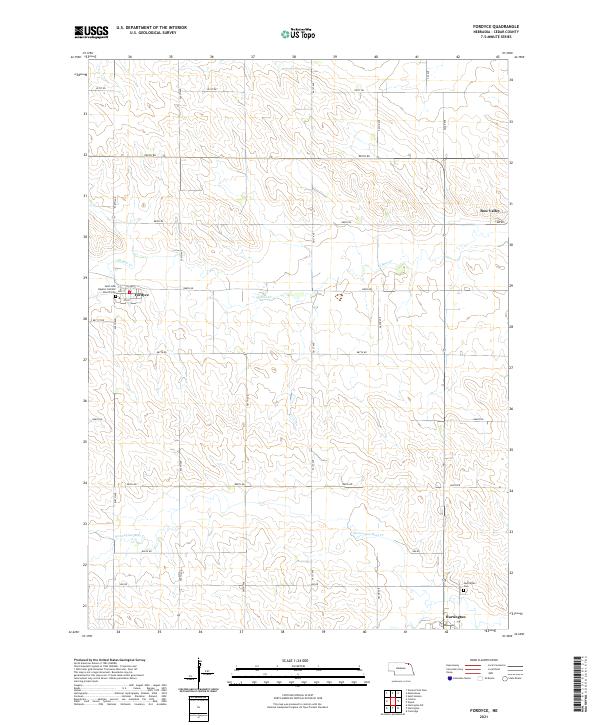 2021 Fordyce2021 Print · USGSNortheastern Nebraska's rolling farmland and rural townships are captured here just after the turn of the decade. Genealogists and local historians can trace the foundations of Fordyce and Bow Valley, or locate the Saint John Baptist Catholic Church and Hartington Cem.
 - 2021 Map of Hartington, 2021 Print
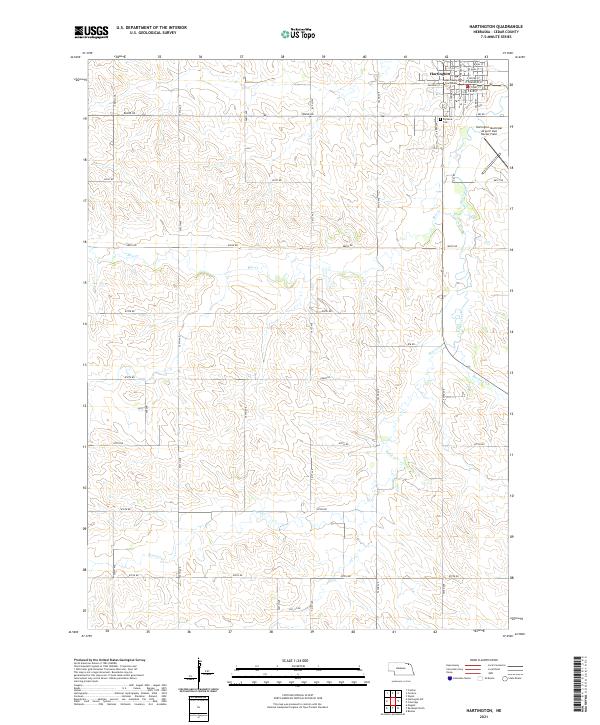 2021 Hartington2021 Print · USGSHartington stands at the center of this recent Cedar County survey, capturing the town and its agricultural surroundings. Genealogists and local researchers can locate Saint Michaels Cem and the Cedar County Courthouse or trace the winding course of Bow Creek.
End of results
Showing maps 1-24 of 24
Top cities near Precinct 9
- Yankton historical maps
- Hartington historical maps
- Laurel historical maps
- Crofton historical maps
- Wausa historical maps
- Coleridge historical maps
See more
Frequently asked questions
- What are the different types of historical maps available for Precinct 9?
- What is the oldest map of Precinct 9?
- Where can I purchase historical maps of Precinct 9 for my home or office?
- Where can I download high-res historical maps of Precinct 9?
- Are there historical topographic maps available for Precinct 9?
- Is there historical aerial imagery available for Precinct 9?
- Where are historical maps of Precinct 9 sourced from?