2000s (21st Century) Maps of Dakota County, Nebraska
Explore 40 historic maps of Dakota County from the 2000s (21st Century). These maps offer a rare glimpse into what life looked like during the 2000s — showing old roads, neighborhoods, homes, and landmarks that have changed or disappeared over time.
Whether you're researching your family's past, planning a metal detecting trip, or studying how Dakota County's landscape evolved across the 2000s, these high-resolution maps are a powerful tool for exploring the history of this region.
- Focus on a specific era: All maps on this page are from the 2000s, giving you a focused view of this time period.
- See what’s changed: Compare century-old streets, trails, and buildings to today's modern landscape using overlays and satellite layers.
- Research with precision: Use these maps for genealogy, historical research, land use analysis, or educational projects.
- View, download, or print: Maps are fully viewable online in high resolution, and can be downloaded or printed for your own records.
Start exploring Dakota County's history through authentic maps from the 2000s. This is your window into the past.
Dakota County, NE maps
(40)- 2010 Map of Homer, 2010 Print
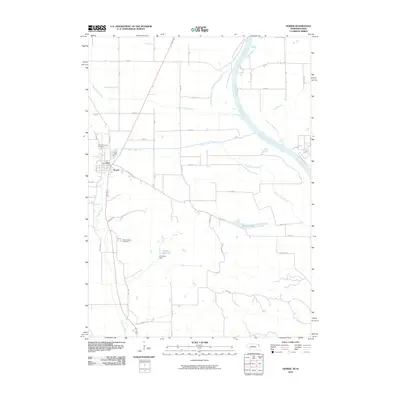 2010 Homer2010 Print · USGSHomer and the Missouri River bottomlands are captured here in the early twenty-first century as a landscape of managed waterways and rural tradition. Genealogists and local historians can trace family sites at Saint Cornelius Cemetery or Omaha Valley Cemetery and locate the Homer Post Office.
 - 2010 Map of Salix, 2010 Print
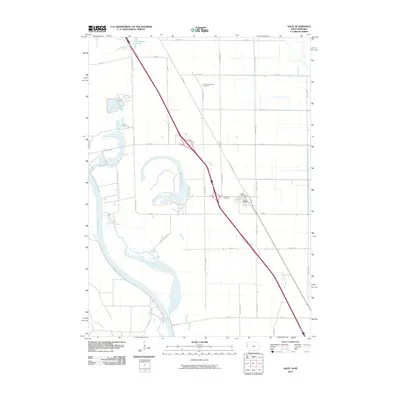 2010 Salix2010 Print · USGSThe community of Salix and its surrounding Woodbury County farmlands are shown here in the early twenty-first century. Genealogists and researchers can locate Saint Josephs Cemetery, Liberty Township Cemetery, and oxbow waters like Browns Lake near the Missouri River.
 - 2011 Map of Ponca, 2011 Print
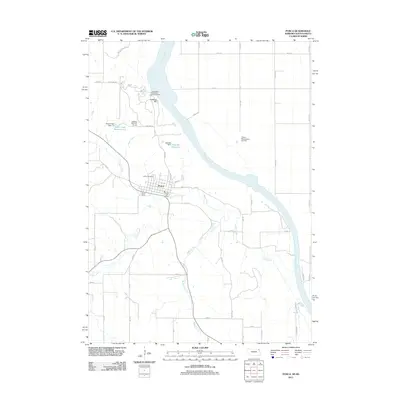 2011 Ponca2011 Print · USGSPonca and the bluffs of the Missouri River valley are captured here in the early twenty-first century. Researchers can locate civic landmarks like the Post Office, trace the grounds of Ponca State Park, and find the Cemetery.
 - 2011 Map of Emerson, 2011 Print
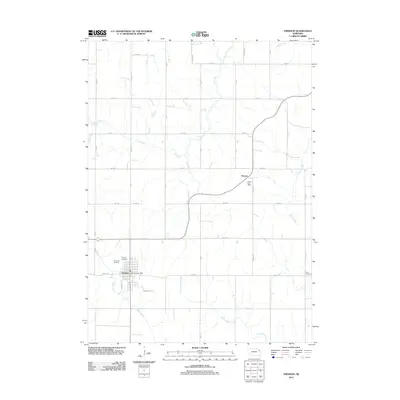 2011 Emerson2011 Print · USGSEmerson and Nacora anchor this Nebraska landscape during the early 2010s, showing a well-established grid of rural section roads and family cemeteries. Genealogists can locate Rose Hill Cemetery, Jopp Cemetery, and the Nacora Post Office amid the drainage of Elk Creek.
 - 2011 Map of Waterbury, 2011 Print
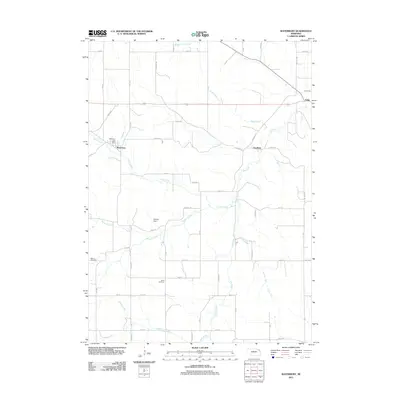 2011 Waterbury2011 Print · USGSDixon County farmland is surveyed here in the early twenty-first century, showing the small communities of Waterbury and Goodwin. Researchers can locate family landmarks like Marcus Cemetery and Wood Cemetery or trace the flows of Otter Creek and Elk Creek.
 - 2011 Map of Emerson SE, 2011 Print
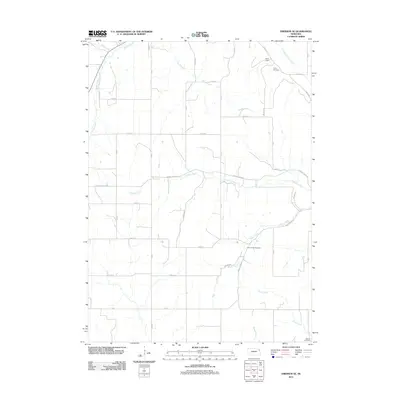 2011 Emerson SE2011 Print · USGSDakota County at the start of the 2010s reveals a structured rural landscape defined by its many winding waterways and country burial grounds. Genealogists and local researchers can locate Green Valley Cemetery, Taylor Cemetery, and waterworks like Hirch Dam.
 - 2011 Map of Homer, 2011 Print
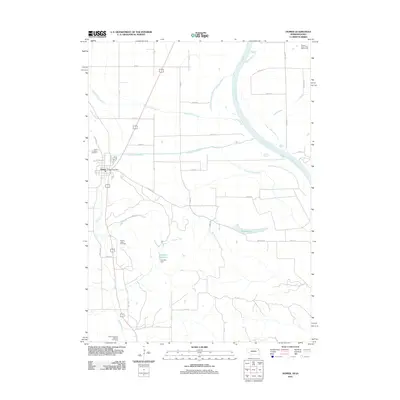 2011 Homer2011 Print · USGSHomer sits at the edge of the Missouri River valley in the early twenty-first century, marking a landscape of flood control and small-town roots. Genealogists and local historians can locate Saint Cornelius Cemetery, Omaha Valley Cemetery, and the Homer Post Office.
 - 2011 Map of Jackson, 2011 Print
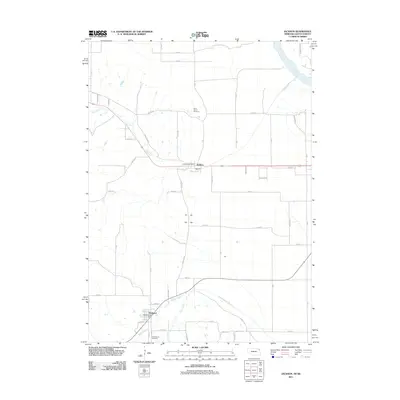 2011 Jackson2011 Print · USGSThe Missouri River borderlands near the Nebraska-South Dakota line are shown here in the early 2000s. Genealogists and local historians can trace the foundations of Jackson and Hubbard, including Saint Johns Cemetery and the Hubbard Post Office.
 - 2011 Map of Jefferson, 2011 Print
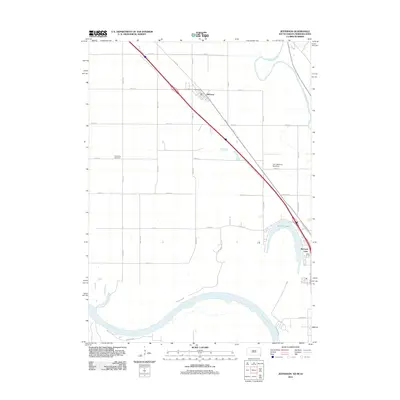 2011 Jefferson2011 Print · USGSSoutheastern South Dakota’s riverfront comes into focus at the start of the decade, where the Missouri and Big Sioux rivers frame the community of Jefferson. Researchers can trace local landmarks like Civil Bend Cemetery, McCook Lake, and the Park Jefferson Racetrack.
 - 2012 Map of Sioux City South, 2012 Print
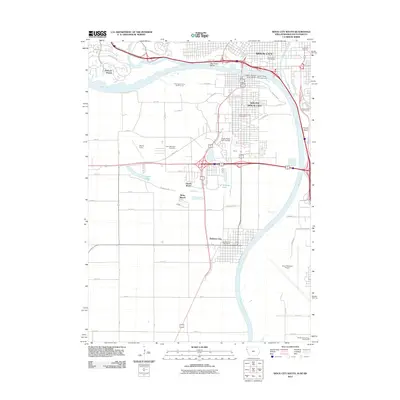 2012 Sioux City South2012 Print · USGSThe Missouri River tri-state area comes into focus in the early 2010s as it winds past the developing waterfronts of Iowa and Nebraska. Researchers can trace local landmarks like Floyds Bluff, the grounds of Saint Michaels Cemetery, and the expansive Sioux Gateway Airport.
 - 2012 Map of Jefferson, 2012 Print
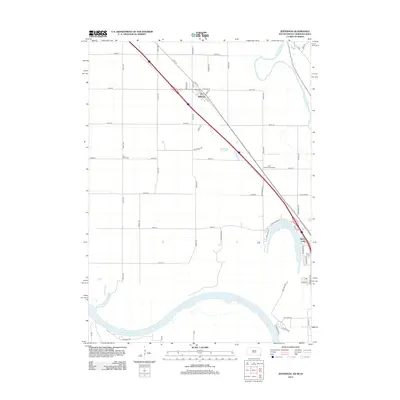 2012 Jefferson2012 Print · USGSSoutheastern South Dakota near the Iowa and Nebraska borders is captured here in the early twenty-first century. Genealogists and local researchers can trace the vicinity of the Civil Bend Cem and the development around Jefferson and McCook Lake.
 - 2013 Map of Salix, 2013 Print
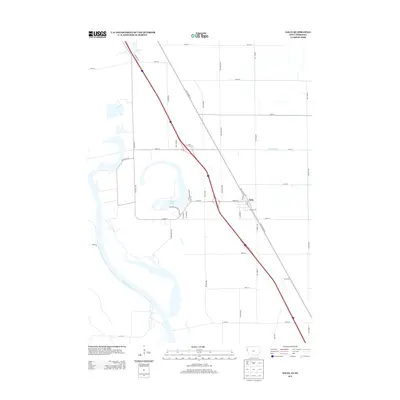 2013 Salix2013 Print · USGSThe Woodbury County floodplain near the Missouri River is captured here in the early twenty-first century as modern infrastructure integrates with ancient river bends. Trace the developments around Browns Lake and Salix, from Farmers Canal to the lakefront homes on Skid Row.
 - 2013 Map of Sioux City South, 2013 Print
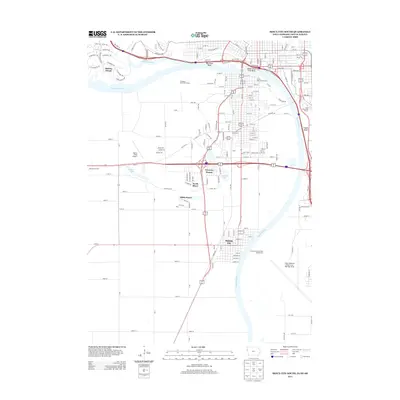 2013 Sioux City South2013 Print · USGSThe tri-state border region near Dakota City is captured here in the early twenty-first century as riverfront development and aviation expand. Trace the shifting banks of the Missouri River near Floyds Bluff or locate smaller communities like Millis Beach and North Shore.
 - 2014 Map of Emerson, 2014 Print
 2014 Emerson2014 Print · USGSEmerson and its surrounding farm country appear here at the convergence of three Nebraska counties during the early twenty-first century. Genealogists can locate family landmarks like Rose Hill Cem, Jopp Cem, and the settlement of Nacora.
 - 2014 Map of Jackson, 2014 Print
 2014 Jackson2014 Print · USGSThe bluffs and floodplains of the Nebraska-South Dakota border are captured here in the mid-2010s. Researchers can locate family sites at Saint Johns Cem and Saint Marys Cem or trace the early paths of Willis and Hubbard.
 - 2014 Map of Emerson SE, 2014 Print
 2014 Emerson SE2014 Print · USGSDakota and Thurston counties meet in this agricultural landscape of northeast Nebraska during the early twenty-first century. Genealogists can locate several family burial grounds including Taylor Cemetery, Green Valley Cemetery, and Grove Cemetery.
 - 2014 Map of Homer, 2014 Print
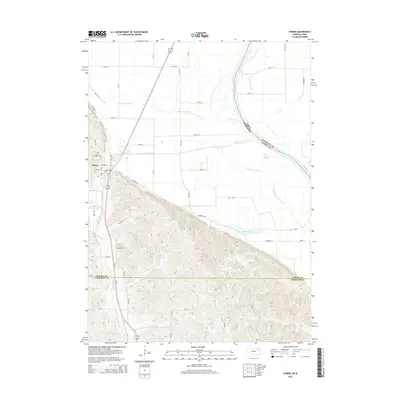 2014 Homer2014 Print · USGSThe village of Homer sits at the foot of the bluffs where early 21st-century agriculture and river management define the landscape. Genealogists and local historians can trace family plots at Saint Cornelius Cem or follow the drainage of Omaha Creek Ditch toward Blyburg Lake.
 - 2014 Map of Waterbury, 2014 Print
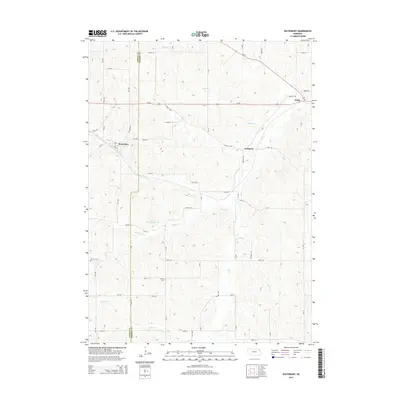 2014 Waterbury2014 Print · USGSThis rural portion of Dixon and Dakota Counties is shown in the early twenty-first century as a landscape of winding creeks and section-line roads. Genealogists and local historians can trace family locations near Waterbury, Marcus Cem, and Wood Cem.
 - 2014 Map of Ponca, 2014 Print
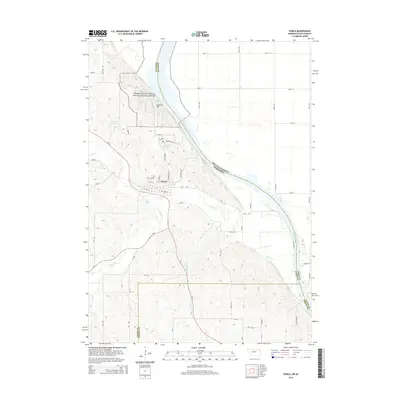 2014 Ponca2014 Print · USGSPonca and the Missouri River bluffs are documented here during the early twenty-first century as the river follows its path along the South Dakota border. Researchers can trace local landmarks like Ponca Cem, the overlook at Lookout Hill, and the protected waters of the Missouri National Recreational River.
 - 2015 Map of Jefferson, 2015 Print
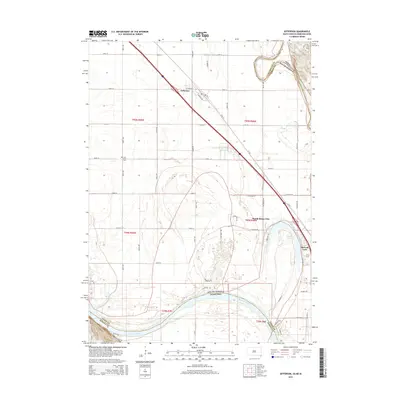 2015 Jefferson2015 Print · USGSThe tri-state border region of South Dakota, Nebraska, and Iowa is captured here as it appeared in 2015, centered on the Missouri River floodplain. Researchers can trace local landmarks like Civil Bend Cem and the residential development surrounding the oxbow at McCook Lake.
 - 2015 Map of Salix, 2015 Print
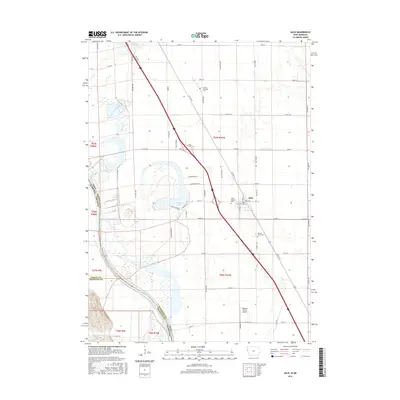 2015 Salix2015 Print · USGSThe Missouri River bottomlands of Woodbury County are documented here in the mid-2010s, showing the intersection of river geography and rural settlement. Researchers can locate family sites at Saint Josephs Cem, trace the waters of Browns Lake, or explore the environs of Salix.
 - 2015 Map of Sioux City South, 2015 Print
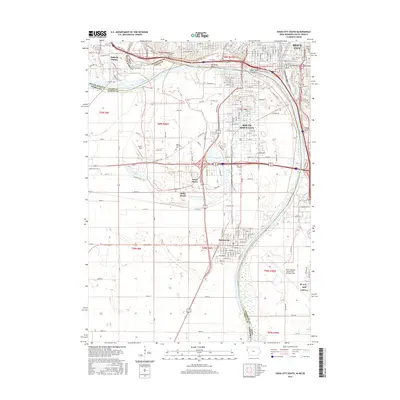 2015 Sioux City South2015 Print · USGSThe tri-state confluence of Iowa, Nebraska, and South Dakota is captured here in the mid-2010s, showing the Missouri River’s path through a major regional hub. Genealogists and historians can trace local landmarks like Saint Michaels Cem or the geography around Floyds Bluff.
 - 2017 Map of Waterbury, 2017 Print
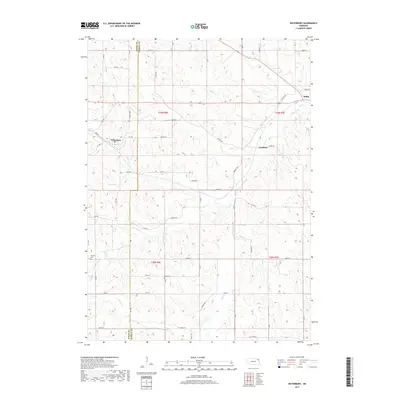 2017 Waterbury2017 Print · USGSDixon and Dakota counties are captured in this recent survey of Nebraska's rolling agricultural uplands. Genealogists and historians can trace the rural landscape surrounding Waterbury, identifying burial sites at Wood Cem and Marquis Cem.
 - 2017 Map of Emerson SE, 2017 Print
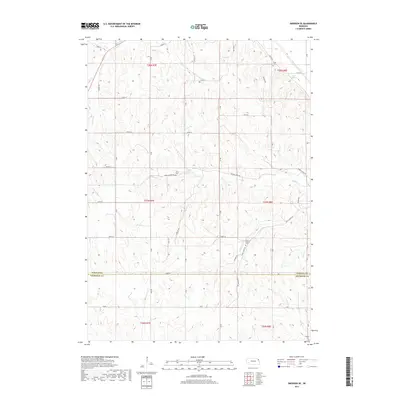 2017 Emerson SE2017 Print · USGSDakota and Thurston counties are captured here in the late twenty-teens, showing the enduring rural layout of this agricultural corner of Nebraska. Genealogists and historians can locate family burial grounds like Green Valley Cem and Grove Cem or trace waterways like Fiddlers Cr.
 - 2017 Map of Ponca, 2017 Print
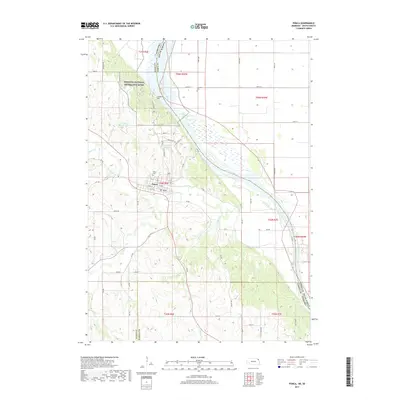 2017 Ponca2017 Print · USGSThe community of Ponca and the surrounding Dixon County hills are documented here in 2017, showing the area where the Nebraska and South Dakota borders meet the Missouri River. Genealogists and local historians can locate Ponca Cem, trace family tracts along 879 Rd, or explore landmarks like Lookout Hill.
Showing maps 1-25 of 40
Top cities of Dakota County
Frequently asked questions
- What are the different types of historical maps available for Dakota County?
- What is the oldest map of Dakota County?
- Where can I purchase historical maps of Dakota County for my home or office?
- Where can I download high-res historical maps of Dakota County?
- Are there historical topographic maps available for Dakota County?
- Is there historical aerial imagery available for Dakota County?
- Where are historical maps of Dakota County sourced from?