Old Maps of Dry Bay, Nebraska for Hiking & Exploration
Hike through history with 11 historic maps of Dry Bay. Explore old trails, ghost towns, and forgotten backroads — perfect for outdoor adventurers and local explorers.
- Rediscover forgotten places: Map out old mining camps, roads, and footpaths that no longer exist on modern maps.
- Layer with modern tools: Combine with LiDAR or satellite views to plan hikes through historical terrain.
- Made for exploration: Popular among hikers, overlanders, and local history lovers.
Use these maps to find adventure and explore the hidden past of Dry Bay.
Dry Bay, NE maps
(11)- 1896 Map of Lexington
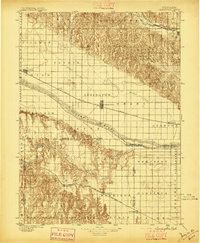 1896 Lexington1896 Print · USGSDawson and Gosper Counties in the mid-1890s are defined by the convergence of the Platte River and competing railroad lines. Genealogists can trace family settlements along the Union Pacific R. R. and the Burlington and Missouri River R. R., locating early sites like Elwood and Coyote.
 - 1899 Map of Lexington
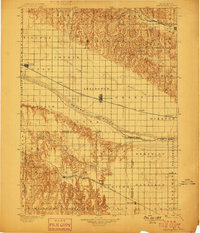 1899 Lexington1899 Print · USGSDawson and Gosper counties are captured during a period of rapid prairie development following the arrival of the transcontinental rails. Genealogists can trace the early grids of rail towns like Lexington and Bertrand or the spans of the Lexington Bridge.7 unique versions available
 - 1955 Map of Grand Island, 1967 Print
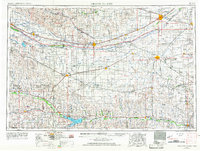 1955 Grand Island1967 Print · USGSCentral Nebraska is seen here during a period of industrial and agricultural growth, centered on the vital Platte River corridor. Researchers can trace the mid-century footprints of the U S Naval Ammunition Depot and the Cornhusker Ordnance Plant.3 unique versions available
 - 1957 Map of Grand Island
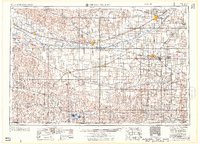 1957 Grand Island1957 Print · USGSCentral Nebraska and Northern Kansas are shown here during a period of massive hydraulic and military expansion in the mid-fifties. Researchers can trace the development of the Harlan County Reservoir and the massive wartime legacy of the Cornhusker Ordnance Plant.
 - 1958 Map of Grand Island
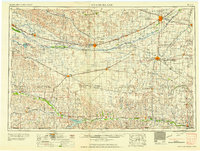 1958 Grand Island1958 Print · USGSSouth-central Nebraska thrived as a rail and industrial hub during the late fifties, shaped by the braided Platte River. Genealogists and historians can trace rail lines like the Union Pacific RR through towns such as Kearney or locate the sprawling Cornhusker Ordnance Plant.
 - 1971 Map of Johnson Lake, 1973 Print
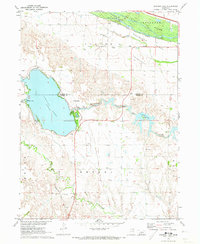 1971 Johnson Lake1973 Print · USGSThe Platte River valley in the early 1970s shows a landscape where pioneer history meets modern engineering. Researchers can trace the Emigrant Trail, locate School No 4, and explore the development around Johnson Lake.2 unique versions available
 - 1985 Map of Kearney
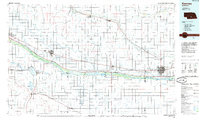 1985 Kearney1985 Print · USGSMid-1980s Nebraska life centers on the fertile Platte River valley during a period of significant agricultural and hydraulic development. Researchers can trace irrigation networks like the Phelps County Canal and find regional landmarks from Johnson Lake to the Union Pacific rail lines.2 unique versions available
 - 2011 Map of Johnson Lake, 2011 Print
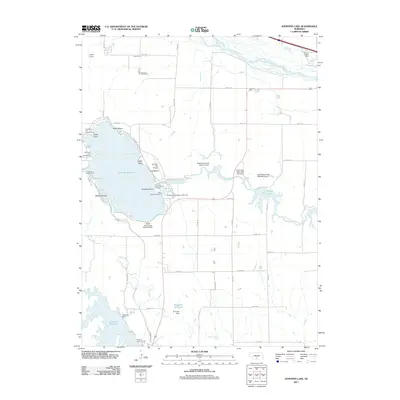 2011 Johnson Lake2011 Print · USGSDawson County's reservoir system and Platte River valley are captured here in the early twenty-first century. Researchers can trace the development of lakeside communities like East Shore and the infrastructure of the Tri County Supply Canal.
 - 2014 Map of Johnson Lake, 2014 Print
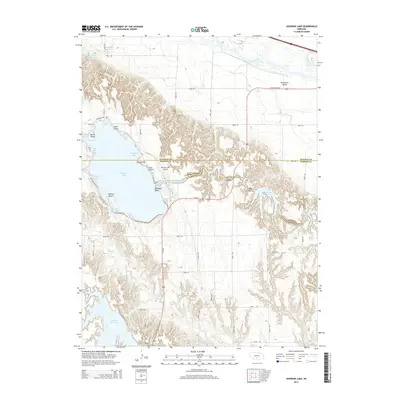 2014 Johnson Lake2014 Print · USGSDawson and Gosper counties center on the vital waters of Johnson Lake in this mid-2010s survey. You can trace the shoreline developments of East Shore and North Shore or follow the path of the Tri-County Supply Canal.
 - 2017 Map of Johnson Lake, 2017 Print
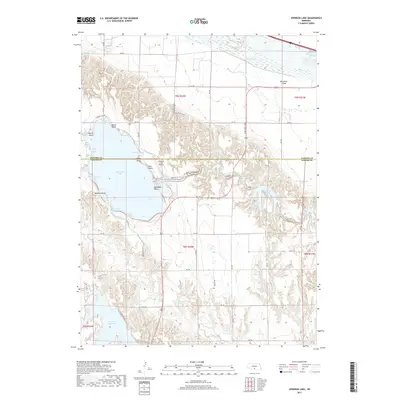 2017 Johnson Lake2017 Print · USGSThe Dawson and Gosper county line meets at the waters of Johnson Lake in this 2017 study of Nebraska's Platte River valley. Researchers can trace the developed shorelines of Mallard Beach and North Shore or locate local landmarks like the Johnson Lake Airport.
 - 2021 Map of Johnson Lake, 2021 Print
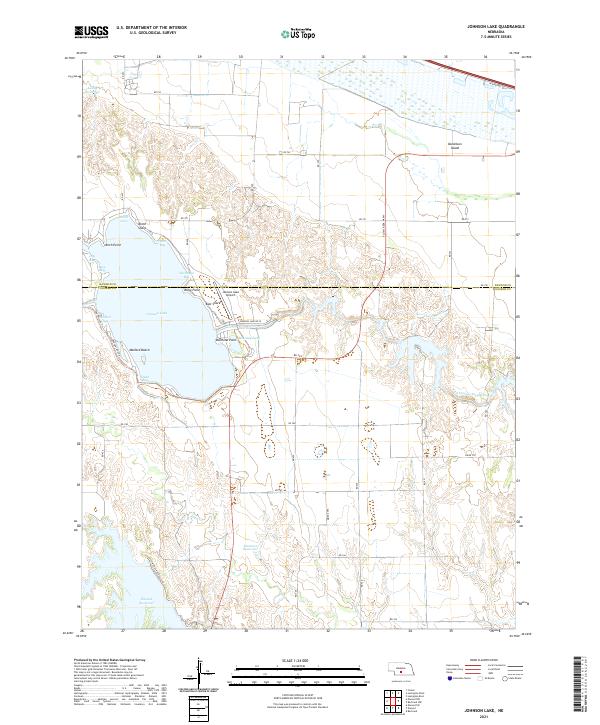 2021 Johnson Lake2021 Print · USGSGosper and Dawson counties are defined by a massive mid-century hydraulic network in this contemporary survey. You can trace the complex irrigation systems of the Tri-County Supply Canal and locate recreational landmarks like Mallard Beach and Johnson Lake Airport.
End of results
Showing maps 1-11 of 11
Frequently asked questions
- What are the different types of historical maps available for Dry Bay?
- What is the oldest map of Dry Bay?
- Where can I purchase historical maps of Dry Bay for my home or office?
- Where can I download high-res historical maps of Dry Bay?
- Are there historical topographic maps available for Dry Bay?
- Is there historical aerial imagery available for Dry Bay?
- Where are historical maps of Dry Bay sourced from?