Old Maps of New Hampton, New Hampshire for Genealogy
Trace your family roots with 34 historic maps of New Hampton. These high-res maps reveal old neighborhoods, homesites, landmarks, and streets — helping you uncover where your ancestors lived and how the area evolved over time.
- Explore historic neighborhoods: Identify where your relatives may have lived in the 1800s or 1900s.
- Compare maps over time: Trace the changes in streets, buildings, and landmarks for multi-generational research.
- Perfect for genealogy & ancestry research: Used by family historians and researchers to map out lineage and migration.
These maps are an incredible resource for exploring your personal connection to New Hampton's past.
New Hampton, NH maps
(34)- 1925 Map of Holderness, 1956 Print
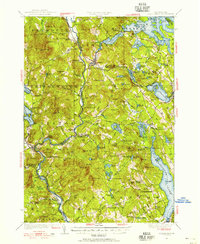 1925 Holderness1956 Print · USGSCentral New Hampshire in the mid-twenties centers on the Pemigewasset River and the bustling rail corridor. Genealogists can trace a network of rural schoolhouses like Sargent School and landmarks including Profile Falls and the Bay Meeting House.
 - 1927 Map of Holderness
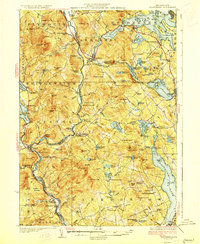 1927 Holderness1927 Print · USGSThe Lakes Region in the late twenties reveals a landscape of small hill-town schools and winding river valleys. Genealogists can locate family landmarks like Sargent School, Dana Church, and numerous small waters from Squam Lake to Wickwas Pond.6 unique versions available
 - 1949 Map of Portland
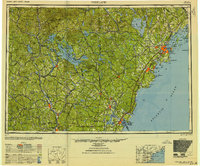 1949 Portland1949 Print · USGSCoastal Maine and the New Hampshire interior are shown in detail during the late forties, from the bustling harbors to the lakeside villages. Researchers can trace historical rail networks like the Boston & Maine RR and locate coastal defenses such as Fort Preble.3 unique versions available
 - 1956 Map of Holderness, 1959 Print
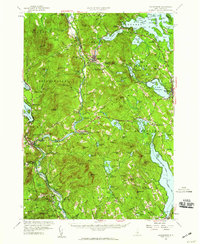 1956 Holderness1959 Print · USGSNew Hampshire’s Lakes Region and the Pemigewasset valley are captured here in the mid-fifties as the area’s rail-and-road network supported growing tourism and local industry. Genealogists can trace family sites at the Bay Meetinghouse, North Sanbornton, and small rural schoolhouses like River Road Sch.3 unique versions available
 - 1956 Map of Portland, 1963 Print
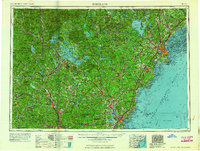 1956 Portland1963 Print · USGSSouthern Maine and eastern New Hampshire are captured here in the mid-fifties, during a time of major highway expansion and military growth. You can trace the path of the Maine Turnpike and locate landmarks like the Portsmouth Naval Shipyard and Sebago Lake.4 unique versions available
 - 1959 Map of Portland
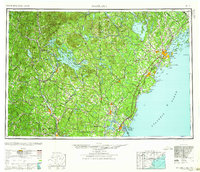 1959 Portland1959 Print · USGSThe Maine and New Hampshire coastlines meet in this mid-century portrait of maritime commerce and inland rail networks. Researchers can trace the legacy of coastal defense at Fort Williams and follow the historic path of the Maine Central RR through the White Mountain National Forest.2 unique versions available
 - 1963 Map of Portland
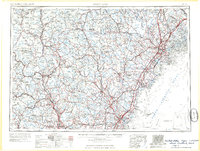 1963 Portland1963 Print · USGSCoastal Maine and New Hampshire thrived as maritime and industrial hubs during the mid-sixties, linked by a dense network of rail and river. Researchers can trace historic transit corridors like the Maine Central RR and locate key sites such as the Portsmouth Naval Shipyard or Pease Air Force Base.3 unique versions available
 - 1986 Map of Lake Winnipesaukee
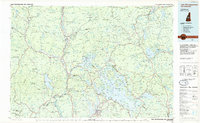 1986 Lake Winnipesaukee1986 Print · USGSThe Lakes Region in the mid-eighties shows a landscape of dense water bodies and mountain ranges at the peak of its twentieth-century character. Trace the legacy of old rail lines like the Boston and Maine RR and locate historic centers from Rumney Depot to Melvin Village.2 unique versions available
 - 1987 Map of Winnisquam Lake
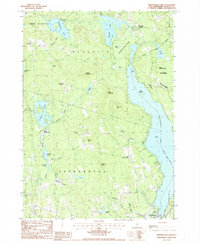 1987 Winnisquam Lake1987 Print · USGSThe Lakes Region of New Hampshire appears here in the late twentieth century, showing a landscape of interconnected basins and protected woodlands. Genealogists and local researchers can trace family landmarks near Meredith Center, Gaza, and the Bay Meetinghouse.
 - 1987 Map of Holderness
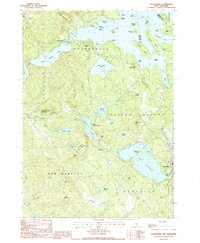 1987 Holderness1987 Print · USGSThe Lakes Region at the close of the twentieth century shows a landscape of interconnected waters and rising hills. Genealogists and local historians can trace family landmarks like Dolloff Hill, rural Cem sites, and the extent of Sky Pond State Forest.
 - 1987 Map of Bristol
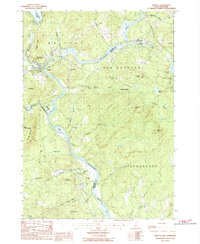 1987 Bristol1987 Print · USGSCentral New Hampshire in the late eighties reveals a landscape of river valleys and timbered peaks across Grafton and Belknap counties. Genealogists and hikers can trace family-named landmarks like Huses Mountain or explore Sugar Hill State Forest and New Hampton.
 - 1987 Map of Ashland
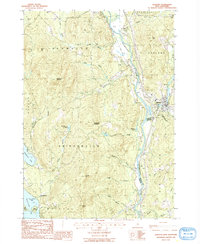 1987 Ashland1987 Print · USGSGrafton and Belknap counties come together along the Pemigewasset River in the late 1980s, showcasing a landscape of high peaks and winding brooks. Researchers can trace the boundaries of the Scribner-Fellows State Forest or locate early landmarks like Dick Brown Pond and Hicks Hill.
 - 2000 Map of Ashland, 2001 Print
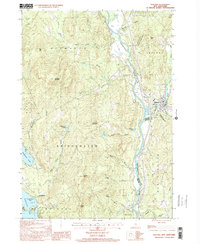 2000 Ashland2001 Print · USGSGrafton County's river valleys and mountain ridges are captured here as they appeared at the start of the new millennium. Researchers can trace land use through Scribner-Fellows State Forest, local burials at Cem, and shoreline changes at Newfound Lake.
 - 2000 Map of Bristol, 2001 Print
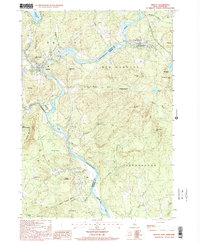 2000 Bristol2001 Print · USGSThe Pemigewasset River valley comes to life at the turn of the millennium, showing the intersecting boundaries of three New Hampshire counties. Researchers can trace the legacy of local conservation and industry through the New Hampton State Fish Hatchery and the high ridges of Huses Mountain.
 - 2012 Map of Bristol, 2012 Print
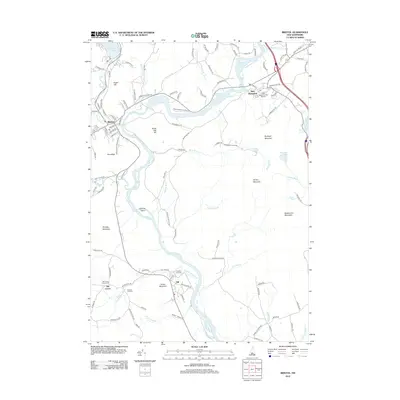 2012 Bristol2012 Print · USGSThe Pemigewasset River valley in central New Hampshire appears here in the early twenty-first century, showing the established villages of Bristol and New Hampton. Family historians can locate specific burial sites at the Hill Center Church Yard or Pleasant Hill Cem.
 - 2012 Map of Holderness, 2012 Print
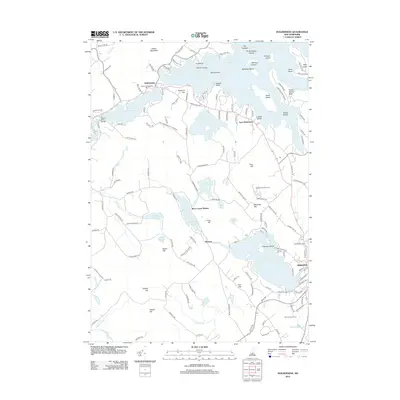 2012 Holderness2012 Print · USGSThe Lakes Region at the start of the 2010s reveals a detailed landscape of islands and waterfront settlements. Researchers can trace local lineage through the Squam Bridge Cem or locate seasonal landmarks like Squam River Bridge and High Haith.
 - 2012 Map of Ashland, 2012 Print
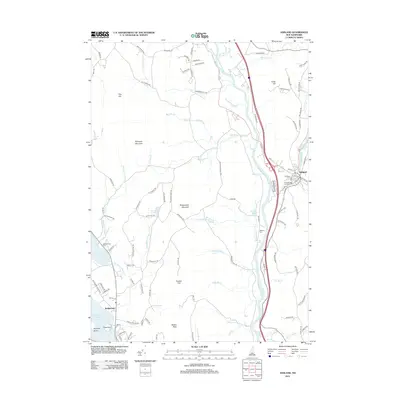 2012 Ashland2012 Print · USGSGrafton County's river-carved valleys and prominent peaks are meticulously detailed in this early 2010s survey. Researchers can trace family history through sites like Whittemores Cem, the streets of Ashland, or the quiet shores of Little Squam Lake.
 - 2012 Map of Winnisquam Lake, 2012 Print
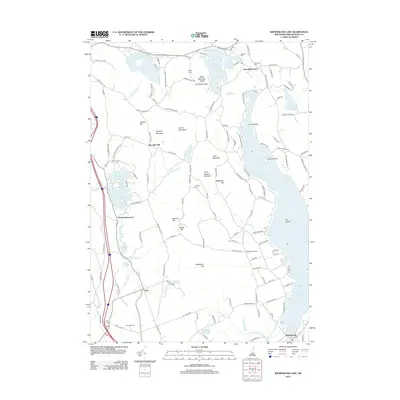 2012 Winnisquam Lake2012 Print · USGSLaconia and the surrounding Belknap County lake country are captured in this 2012 survey as a blend of established towns and high-elevation ledges. Genealogists and historians can trace family roots through sites like Crockett Cem, Bay Meetinghouse, and the Surowiec Farm.
 - 2015 Map of Ashland, 2015 Print
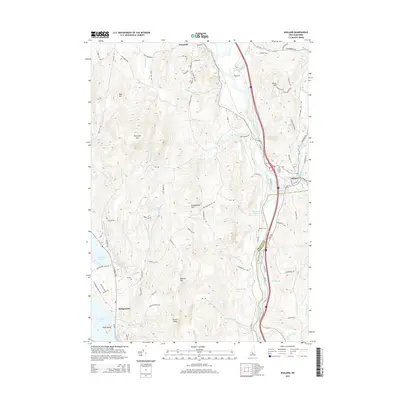 2015 Ashland2015 Print · USGSGrafton and Belknap Counties are captured here in the mid-2010s, where the river valley and mountain peaks define the local geography. Researchers can trace historic family burial sites at Green Grove Cem or locate old water-power sites at Grist Mill Pond.
 - 2015 Map of Bristol, 2015 Print
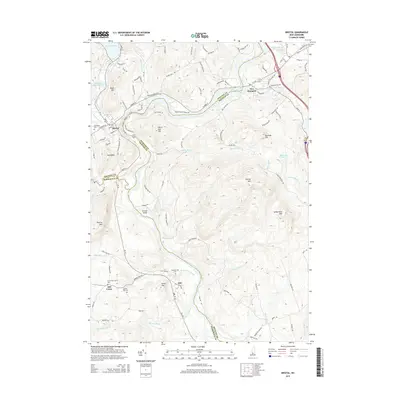 2015 Bristol2015 Print · USGSCentral New Hampshire at the crossroads of three counties reveals a landscape of high summits and river valleys during the mid-2010s. Genealogists and hikers can trace the areas around Hill Center, the historic Hill Center Church, and landmarks like Burleigh Mtn.
 - 2015 Map of Holderness, 2015 Print
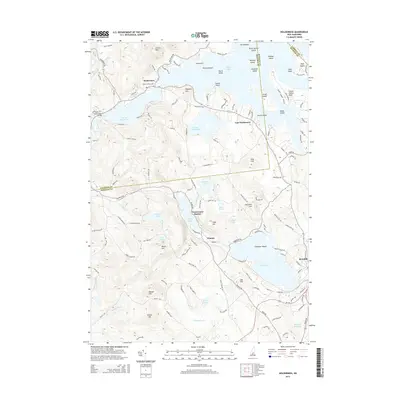 2015 Holderness2015 Print · USGSThe Lakes Region comes into sharp focus in the mid-2010s, showing the intricate shorelines and settlements of central New Hampshire. Trace local history at the Squam Bridge Cem, find the camps near Winona Lake, or explore the islands of Squam Lake from Potato Island to Great Island.
 - 2015 Map of Winnisquam Lake, 2015 Print
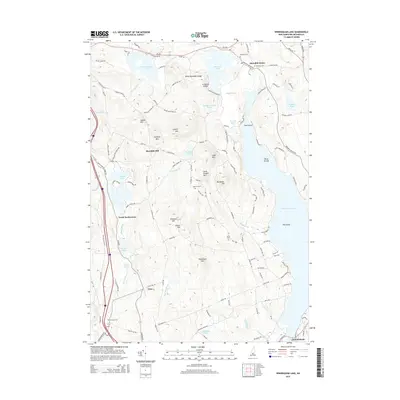 2015 Winnisquam Lake2015 Print · USGSThe Belknap County lakes region is shown here in the mid-2010s, centered on the deep waters of Winnisquam Lake and its islands. Genealogists can trace family names through several historic burial grounds like Oakland Cem and Crockett Cem.
 - 2018 Map of Ashland, 2018 Print
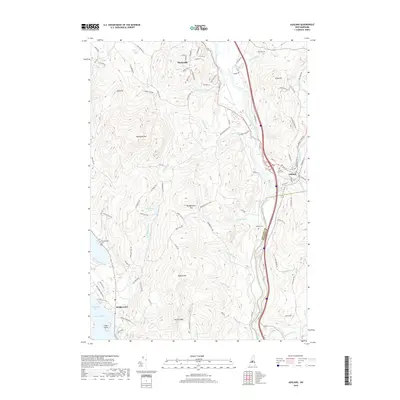 2018 Ashland2018 Print · USGSThe Pemigewasset River valley in the late 2010s shows a landscape of storied peaks and lakeside settlements. Trace family history at Green Grove Cem or Webster Cem and explore the high ground around Plymouth Mtn and Bridgewater Mtn.
 - 2018 Map of Winnisquam Lake, 2018 Print
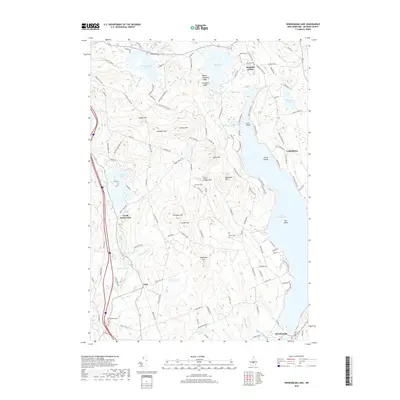 2018 Winnisquam Lake2018 Print · USGSThe Belknap County Lakes Region is mapped here in the late twenty-teens, showing the enduring rural character of central New Hampshire. Researchers can trace local lineage through several historic burial grounds like Oakland and Eastman, or locate smaller communities such as Meredith Center and Gaza.
 - 2018 Map of Holderness, 2018 Print
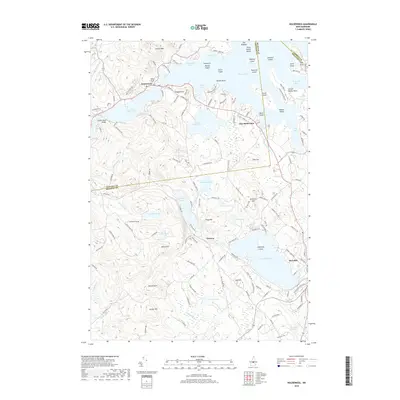 2018 Holderness2018 Print · USGSThe Lakes Region in the late 2010s reveals a landscape defined by glacial waters and upland ridges across the Grafton and Belknap county lines. Genealogists and local historians can trace family-named roads and landmarks from Holderness to Winona, including Squam Bridge Cem and Cotton Mtn.
Showing maps 1-25 of 34
Top cities near New Hampton
- Laconia historical maps
- Franklin historical maps
- Gilford historical maps
- Belmont historical maps
- Northfield historical maps
- Loudon historical maps
See more
Top neighborhoods of New Hampton
Frequently asked questions
- What are the different types of historical maps available for New Hampton?
- What is the oldest map of New Hampton?
- Where can I purchase historical maps of New Hampton for my home or office?
- Where can I download high-res historical maps of New Hampton?
- Are there historical topographic maps available for New Hampton?
- Is there historical aerial imagery available for New Hampton?
- Where are historical maps of New Hampton sourced from?