Old Maps of Haverhill, New Hampshire for Genealogy
Trace your family roots with 57 historic maps of Haverhill. These high-res maps reveal old neighborhoods, homesites, landmarks, and streets — helping you uncover where your ancestors lived and how the area evolved over time.
- Explore historic neighborhoods: Identify where your relatives may have lived in the 1800s or 1900s.
- Compare maps over time: Trace the changes in streets, buildings, and landmarks for multi-generational research.
- Perfect for genealogy & ancestry research: Used by family historians and researchers to map out lineage and migration.
These maps are an incredible resource for exploring your personal connection to Haverhill's past.
Haverhill, NH maps
(57)- 1928 Map of Rumney, 1955 Print
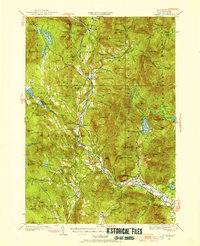 1928 Rumney1955 Print · USGSGrafton County is shown here in the late twenties as a bustling corridor of rail and river industry. Genealogists can trace the rural schoolhouses and stops along the Boston and Maine Railroad, from West Rumney PO to the logging outposts at Camp No 5.3 unique versions available
 - 1929 Map of Moosilauke, 1959 Print
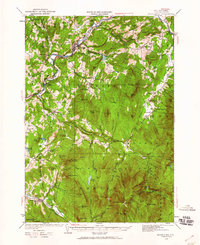 1929 Moosilauke1959 Print · USGSGrafton County's upland townships and the White Mountain National Forest are shown here in the late twenties during a period of mountain transition. Locate family landmarks and vanished crossroads like Oliverian Sta, Swiftwater, and several rural schools including Brier Hill Sch.
 - 1931 Map of Woodsville
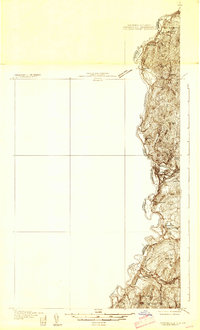 1931 Woodsville1931 Print · USGSThe Upper Connecticut River Valley in the early 1930s reveals a landscape of riverside rail towns and debated state boundaries. Genealogists and historians can trace the foundations of local life through labels like the North Monroe Ch, Blackmount Sta, and the County Poor Farm.
 - 1932 Map of Rumney
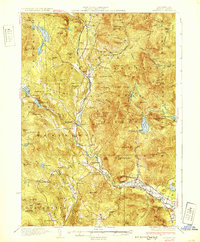 1932 Rumney1932 Print · USGSThe Baker River valley in the early 1930s shows a landscape of mountain rail stops and rural schoolhouses. Genealogists can trace family landmarks and forgotten stops like Swainboro Sta, Weeks Crossing, and the Buffalo Sch.5 unique versions available
 - 1932 Map of Moosilauke
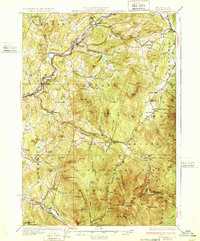 1932 Moosilauke1932 Print · USGSGrafton County is captured in the early thirties as a hub of mountain recreation and rail transport within the White Mountain National Forest. Genealogists and hikers can trace early routes of the Appalachian Trail and locate family landmarks like Moulton Hill Cemetery or Pettyboro Sch.5 unique versions available
 - 1935 Map of Woodsville
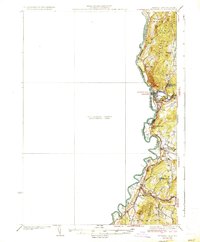 1935 Woodsville1935 Print · USGSThe Connecticut River valley in the mid-1930s is captured here in detail along the Vermont-New Hampshire border. Researchers can trace the legacy of local institutions and transport at the County Poor Farm, the Blackmount Sta rail stop, and The Oxbow.5 unique versions available
 - 1941 Map of Woodsville
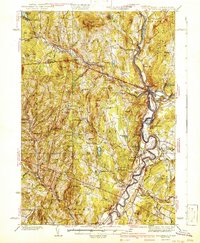 1941 Woodsville1941 Print · USGSThe Connecticut River valley was a bustling corridor of granite quarries and rail junctions just before the war. You can trace the legacy of local industry and education through landmarks like Gibson Quarry, the County Poor Farm, and Town Farm Sch.4 unique versions available
 - 1949 Map of Portland
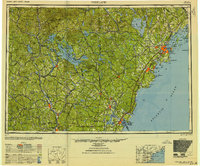 1949 Portland1949 Print · USGSCoastal Maine and the New Hampshire interior are shown in detail during the late forties, from the bustling harbors to the lakeside villages. Researchers can trace historical rail networks like the Boston & Maine RR and locate coastal defenses such as Fort Preble.3 unique versions available
 - 1950 Map of Lake Champlain
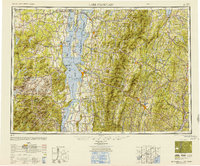 1950 Lake Champlain1950 Print · USGSThe Lake Champlain valley and its surrounding peaks are captured in detail during the late 1940s, showing the vital rail and road connections between New York and Vermont. Researchers can trace the routes of the Central Vermont Railway or locate old industrial centers like Mineville and Witherbee.2 unique versions available
 - 1950 Map of Lewiston
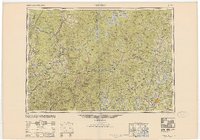 1950 Lewiston1950 Print · USGSThe Maine and New Hampshire borderlands come alive in this post-war survey of the White Mountains and Androscoggin valley. Genealogists and historians can trace rail lines like the Maine Central Railroad and find high-altitude landmarks from Mount Washington to Bretton Woods.2 unique versions available
 - 1956 Map of Portland, 1963 Print
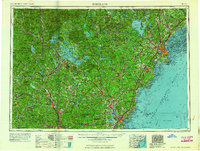 1956 Portland1963 Print · USGSSouthern Maine and eastern New Hampshire are captured here in the mid-fifties, during a time of major highway expansion and military growth. You can trace the path of the Maine Turnpike and locate landmarks like the Portsmouth Naval Shipyard and Sebago Lake.4 unique versions available
 - 1956 Map of Lewiston, 1975 Print
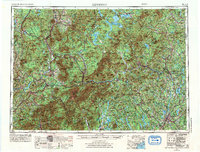 1956 Lewiston1975 Print · USGSThe Northern New England interior is documented here in the mid-fifties, from the industrial Androscoggin River to the high peaks of the White Mountains. Trace the Grand Trunk Railway through mountain passes or locate family landmarks near Sabbathday Lake and Bretton Woods.
 - 1958 Map of Lake Champlain
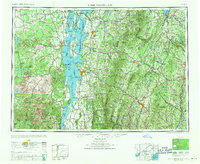 1958 Lake Champlain1958 Print · USGSThe Champlain Valley and surrounding high peaks are captured here in the late fifties, showcasing the cross-border region from the Adirondacks to the Green Mountains. Researchers can trace historic rail routes like the Rutland Railway or locate old valley settlements such as Keeseville and Vergennes.2 unique versions available
 - 1959 Map of Portland
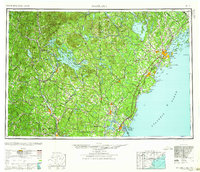 1959 Portland1959 Print · USGSThe Maine and New Hampshire coastlines meet in this mid-century portrait of maritime commerce and inland rail networks. Researchers can trace the legacy of coastal defense at Fort Williams and follow the historic path of the Maine Central RR through the White Mountain National Forest.2 unique versions available
 - 1961 Map of Lewiston
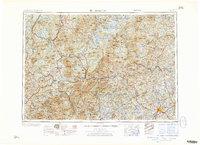 1961 Lewiston1961 Print · USGSWestern Maine and the White Mountains appear here during the early sixties, showing the industrial river towns and vast timberlands before the modern interstate era. Genealogists and historians can trace the Grand Trunk RR through Berlin or locate landmarks like Old Speck Mountain and Elephant Mountain.
 - 1962 Map of Lewiston
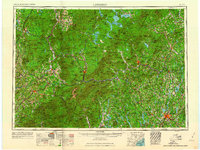 1962 Lewiston1962 Print · USGSThe industrial river valleys and high peaks of Maine and New Hampshire define the region in the early sixties. Trace the rail-and-river network from Lewiston to the White Mountains, passing through mill towns like Berlin and Rumford.
 - 1962 Map of Lake Champlain, 1975 Print
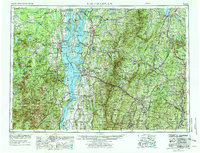 1962 Lake Champlain1975 Print · USGSLake Champlain and the high peaks of the Adirondacks and Green Mountains are captured here during the mid-twentieth century. Researchers can trace the industrial legacy of the Lyon Mountain Mine and the rail corridors of the Central Vermont RR and Delaware & Hudson RR.3 unique versions available
 - 1963 Map of Portland
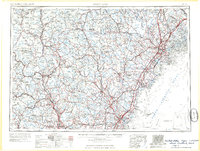 1963 Portland1963 Print · USGSCoastal Maine and New Hampshire thrived as maritime and industrial hubs during the mid-sixties, linked by a dense network of rail and river. Researchers can trace historic transit corridors like the Maine Central RR and locate key sites such as the Portsmouth Naval Shipyard or Pease Air Force Base.3 unique versions available
 - 1967 Map of Lisbon, 1972 Print
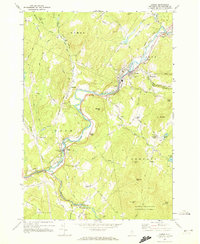 1967 Lisbon1972 Print · USGSGrafton County in the late sixties reveals a valley shaped by the Ammonoosuc River and its rail-and-timber history. Trace family roots and local landmarks through the Covered Bridge, Sugar Hill Sta, and several cemeteries like Grove Hill Cem.5 unique versions available
 - 1967 Map of East Haverhill, 1973 Print
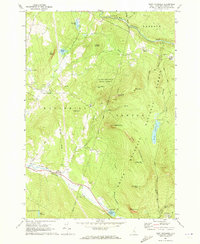 1967 East Haverhill1973 Print · USGSGrafton County's timberlands and mountain crossroads are frozen in time during the late sixties, showcasing the deep woods of the White Mountain National Forest. Genealogists and hikers can trace family names at Benton Cem or follow the Old Railroad Grade past the Glencliff State Sanatorium.2 unique versions available
 - 1969 Map of Lewiston
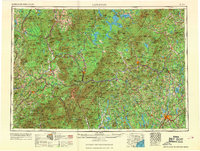 1969 Lewiston1969 Print · USGSThe northern New England highlands come into focus during the mid-fifties, showing the vital rail and river networks connecting industrial centers to the deep woods. Researchers can trace the path of the Grand Trunk RR or locate landmarks like Mt Washington and Rangeley Lake.
 - 1973 Map of Newbury, 1975 Print
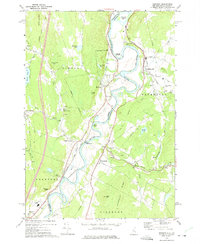 1973 Newbury1975 Print · USGSThe Connecticut River valley on the Vermont-New Hampshire border was a landscape of fertile meadows and rail-side hamlets in the 1970s. Researchers can locate family landmarks like Ladd Street Cem, the Bedell Covered Bridge, and the winding banks of The Oxbow.
 - 1973 Map of Warren, 1975 Print
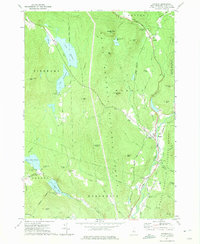 1973 Warren1975 Print · USGSGrafton County's high country is captured here in the early 1970s, showcasing the intersection of mountain recreation and small-town life. Researchers can trace the path of the Appalachian Trail, locate family landmarks like Gilmans Corner, or find the Wentworth Sch.2 unique versions available
 - 1973 Map of Woodsville, 1976 Print
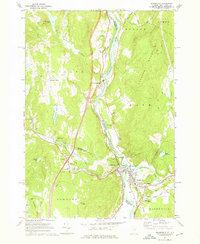 1973 Woodsville1976 Print · USGSThe river-and-rail hub of Woodsville and Wells River is captured here in the early 1970s, where Vermont and New Hampshire meet. Genealogists can locate numerous burial sites including St Josephs Cem and Mills Mem Cem, or trace the path of the Boston and Maine through town.3 unique versions available
 - 1986 Map of Lake Winnipesaukee
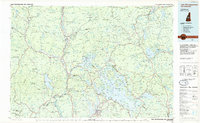 1986 Lake Winnipesaukee1986 Print · USGSThe Lakes Region in the mid-eighties shows a landscape of dense water bodies and mountain ranges at the peak of its twentieth-century character. Trace the legacy of old rail lines like the Boston and Maine RR and locate historic centers from Rumney Depot to Melvin Village.2 unique versions available
Showing maps 1-25 of 57
Top cities near Haverhill
- Littleton historical maps
- Newbury historical maps
- Newbury Village historical maps
- Lyme historical maps
- Lisbon historical maps
- Rumney historical maps
See more
Top neighborhoods of Haverhill
- Center Haverhill historical maps
- North Haverhill historical maps
- Pike historical maps
- East Haverhill historical maps
- Woodsville historical maps
- Mountain Lakes historical maps
Frequently asked questions
- What are the different types of historical maps available for Haverhill?
- What is the oldest map of Haverhill?
- Where can I purchase historical maps of Haverhill for my home or office?
- Where can I download high-res historical maps of Haverhill?
- Are there historical topographic maps available for Haverhill?
- Is there historical aerial imagery available for Haverhill?
- Where are historical maps of Haverhill sourced from?