Old Maps of Ward 2, Nashua for Academic Research
Study the evolution of Ward 2 with 26 high-resolution historic maps. Whether you're teaching, researching, or modeling changes in land use, these maps provide essential visual documentation of urban, environmental, and geographic change.
- Analyze long-term change: Track patterns in development, transportation, and natural features.
- Ideal for environmental or urban studies: Support academic projects with primary historical map data.
- Use in the classroom or lab: Educators and researchers rely on these maps to bring historical context to life.
These maps are a powerful tool for teaching, research, and visualizing how Ward 2 has changed over the decades.
Ward 2, Nashua maps
(26)- 1905 Map of Manchester
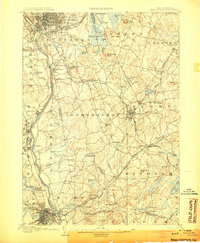 1905 Manchester1905 Print · USGSSouthern New Hampshire at the turn of the century reveals a bustling region of river-powered industry and growing rail towns. Genealogists and historians can trace the early footprints of Manchester and Nashua or locate landmarks like Thorntons Ferry and the Londonderry Lithia Spring.4 unique versions available
 - 1906 Map of Milford
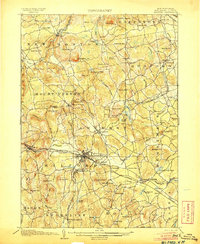 1906 Milford1906 Print · USGSHillsborough County at the turn of the century is a landscape of thriving river towns and expanding rail lines. You can trace early 1900s family homesteads near Joe English Hill, visit the waters of Milford Springs, or locate the old Laurel PO.8 unique versions available
 - 1941 Map of Manchester
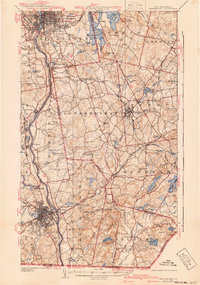 1941 Manchester1941 Print · USGSSouthern New Hampshire is captured here just before the mid-century boom, showing the river-and-rail corridor between Manchester and Nashua. Researchers can trace old ferry sites like Thorntons Ferry and find vanished rural landmarks like Londonderry Lithia Spring or the Musquash School.3 unique versions available
 - 1943 Map of Lowell
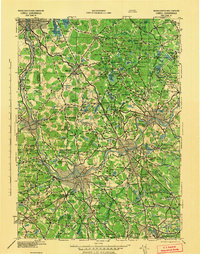 1943 Lowell1943 Print · USGSCentral New England industrial hubs and rural borderlands are mapped here during the early 1940s. Genealogists can trace family names across Mt Misery, Barrett Hill, and small settlements like Collinsville or North Pelham.
 - 1943 Map of Fitchburg
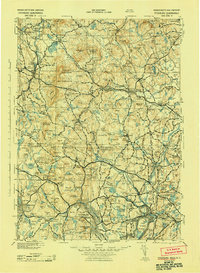 1943 Fitchburg1943 Print · USGSSouthern New Hampshire and northern Massachusetts are captured during the war years, showing a landscape of river-powered mill towns and mountain trails. You can trace family roots in Peterboro, locate the historic Groton School, or study the rail lines of the Boston & Maine RR.
 - 1948 Map of Boston
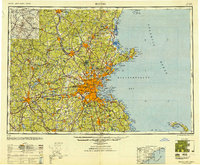 1948 Boston1948 Print · USGSEastern Massachusetts and southern New Hampshire appear at an industrial peak in the late 1940s, just as suburban growth began to accelerate. Genealogists and historians can trace rail lines like the Boston and Albany RR or locate coastal landmarks like Graves Lighthouse and Fort Devens.2 unique versions available
 - 1953 Map of Manchester, 1958 Print
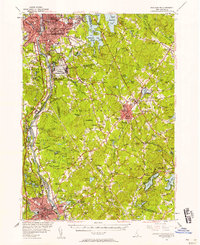 1953 Manchester1958 Print · USGSSouthern New Hampshire thrives in the early fifties as industrial cities and military installations like Grenier Air Force Base anchor the Merrimack Valley. Trace ancestral roots at St Josephs Cem or locate old river crossings like Thorntons Ferry.4 unique versions available
 - 1953 Map of Milford, 1958 Print
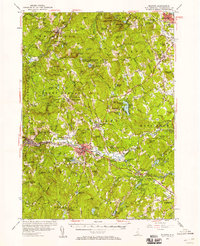 1953 Milford1958 Print · USGSHillsborough County in the early fifties shows a landscape of growing towns and established institutions. Trace family roots and local history near Milford or explore the mid-century layout of St Anselms College and the Baboosic Lake shoreline.3 unique versions available
 - 1956 Map of Boston, 1967 Print
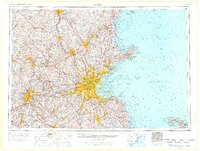 1956 Boston1967 Print · USGSThe Massachusetts coastline and industrial interior are seen here during the mid-century peak of suburban and highway expansion. Researchers can trace historic harbor defenses like Fort Revere, local landmarks such as Faneuil Hall, and the vast Parker River National Wildlife Refuge.6 unique versions available
 - 1958 Map of Boston
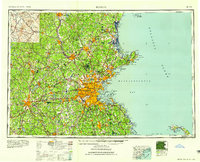 1958 Boston1958 Print · USGSEastern Massachusetts and southern New Hampshire are shown at the height of the industrial era, before the full expansion of the interstate system. Trace coastal defenses at Fort Warren, historic rail lines like the Boston and Maine, and the development of the Mass. 128 corridor.2 unique versions available
 - 1961 Map of Boston
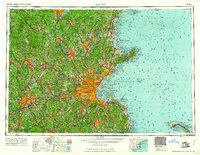 1961 Boston1961 Print · USGSThe Massachusetts coastline and its industrial interior are detailed here in the mid-twentieth century, from the Monadnock highlands to Cape Cod. Researchers can trace the rail routes of the Boston and Maine or locate landmarks like Fort Devens and the Wachusett Reservoir.2 unique versions available
 - 1968 Map of Nashua North, 1971 Print
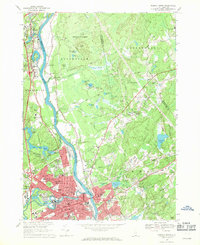 1968 Nashua North1971 Print · USGSNashua and Hudson appear in a state of mid-century transformation as the suburbs expanded along the Merrimack River in the late sixties. Genealogists can locate several burial grounds like Edgewood Cem and Boyd Cem or trace the path of the Boston and Maine railroad.3 unique versions available
 - 1968 Map of South Merrimack, 1971 Print
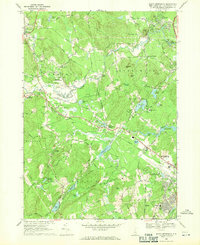 1968 South Merrimack1971 Print · USGSHillsborough County's transition from rural townships to a modern regional hub is evident in this late 1960s survey. Researchers can trace ancestral roots at Town Cem and Turkey Hill Cem or explore the rail-and-river economy near Haydens Millpond and along the BOSTON AND MAINE RAILROAD.4 unique versions available
 - 1977 Map of Nashua North, 1981 Print
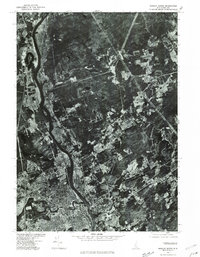 1977 Nashua North1981 Print · USGSSouthern New Hampshire towns along the Merrimack River are captured in this late-seventies aerial survey during a period of significant growth. Researchers can trace the urban development of Nashua and Hudson, or locate the specific riverside vicinity of Thorntons Ferry.
 - 1984 Map of Lowell
 1984 Lowell1984 Print · USGSThe Merrimack Valley industrial corridor is captured here in the mid-eighties, showing the interconnected growth of Lowell, Nashua, and Lawrence. Genealogists and historians can trace the paths of the Boston and Maine railroad or locate institutional landmarks like Merrimack College and the Fort Devens Military Reservation.
 - 1988 Map of Lowell
 1988 Lowell1988 Print · USGSThe industrial corridor of the Merrimack Valley is captured in the late eighties as it transitioned into a modern technological and residential hub. Genealogists and researchers can trace the urban layouts of Lowell and Nashua alongside landmarks like Massabesic Lake and Miller State Park.2 unique versions available
 - 2012 Map of South Merrimack, 2012 Print
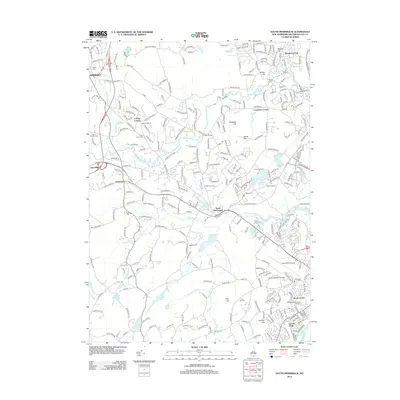 2012 South Merrimack2012 Print · USGSHillsborough County enters the early twenty-first century as a bustling mix of suburban growth and preserved water resources. Researchers can trace local heritage through sites like Cricket Corner Cem, Lithuanian Cem, and the historic Ponemah settlement.
 - 2012 Map of Nashua North, 2012 Print
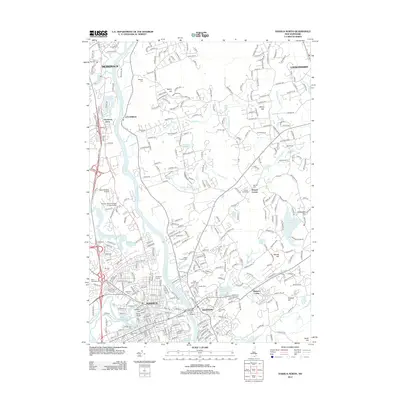 2012 Nashua North2012 Print · USGSSouthern New Hampshire's riverfront cities and suburban borders are captured here during a period of modern expansion. Genealogists and local historians can trace legacy sites like the Old Burial Ground, the landmark Indian Head, and the historic crossing at Thorntons Ferry.
 - 2015 Map of Nashua North, 2015 Print
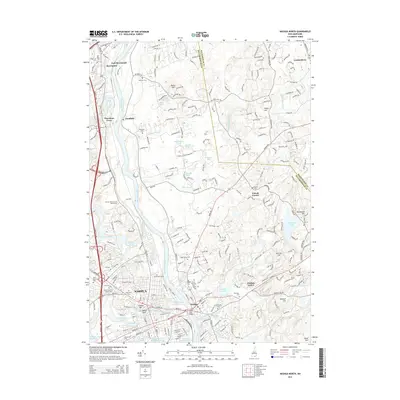 2015 Nashua North2015 Print · USGSGreater Nashua and Hudson are shown here during a period of modern expansion along the Merrimack River corridor. Local historians can trace old community ties through sites like Thorntons Ferry, the Old Burial Ground, and the Senter Cem in Potash Corner.
 - 2015 Map of South Merrimack, 2015 Print
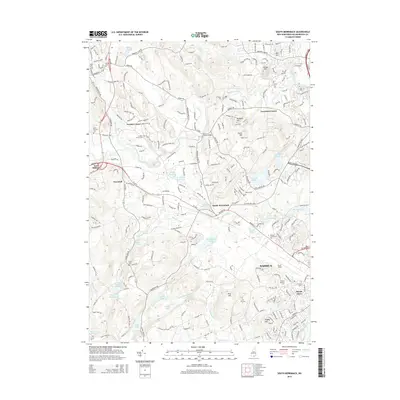 2015 South Merrimack2015 Print · USGSHillsborough County's landscape in the early 2010s shows a mix of historic crossroads and modern expansion. Genealogists and local historians can trace burial sites like Saint Patricks Cem and legacy settlements including Ponemah and Fields Bridge.
 - 2018 Map of South Merrimack, 2018 Print
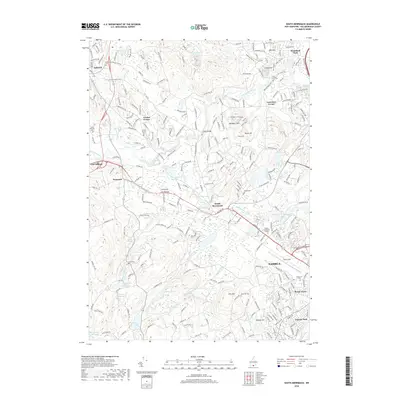 2018 South Merrimack2018 Print · USGSSouthern New Hampshire's transition from river-powered industry to suburban growth is visible here in the late 2010s. Researchers can locate family roots at Saint Patricks Cem or Cricket Corner Cem and trace old mill sites like Houdens Millpond.
 - 2018 Map of Nashua North, 2018 Print
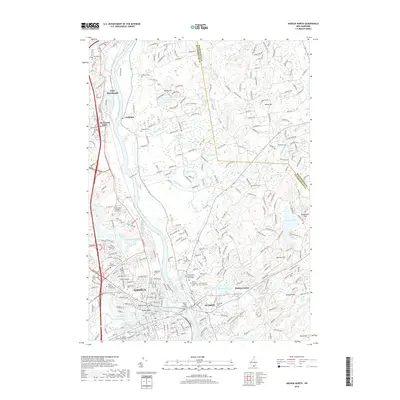 2018 Nashua North2018 Print · USGSThe northern reaches of Nashua and Hudson are captured here in the late 2010s as suburban expansion meets the historic Merrimack River corridor. Genealogists and historians can trace the Old Burial Ground, the path of the Boston & Maine RR, and landmarks like Thorntons Ferry.
 - 2021 Map of South Merrimack, 2021 Print
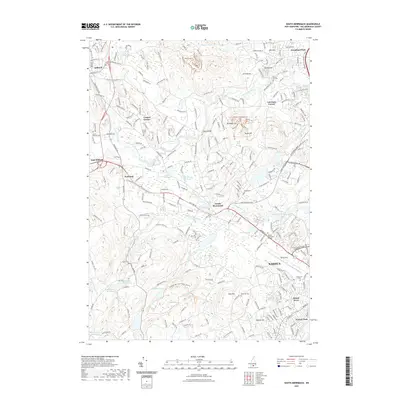 2021 South Merrimack2021 Print · USGSThe suburbs of Nashua and Amherst meet among the river bends of the Souhegan River in the twenty-first century. Genealogists can trace family names through several historic burial sites, including Town Cem, North Cem, and the Lithuanian Cem.
 - 2021 Map of Nashua North, 2021 Print
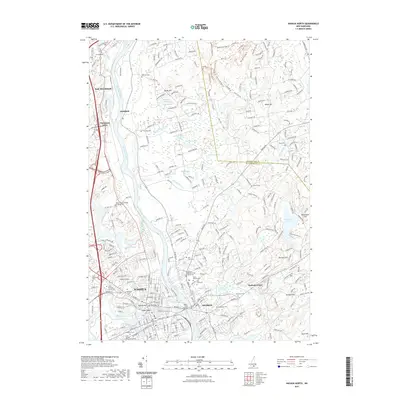 2021 Nashua North2021 Print · USGSThe industrial corridor of the Merrimack River meets the residential growth of southern New Hampshire in the early twenty-first century. Researchers can locate numerous local landmarks including Thorntons Ferry, Hudson Center, and several old burial grounds like Last Rest Cem.
 - 2024 Map of South Merrimack, 2024 Print
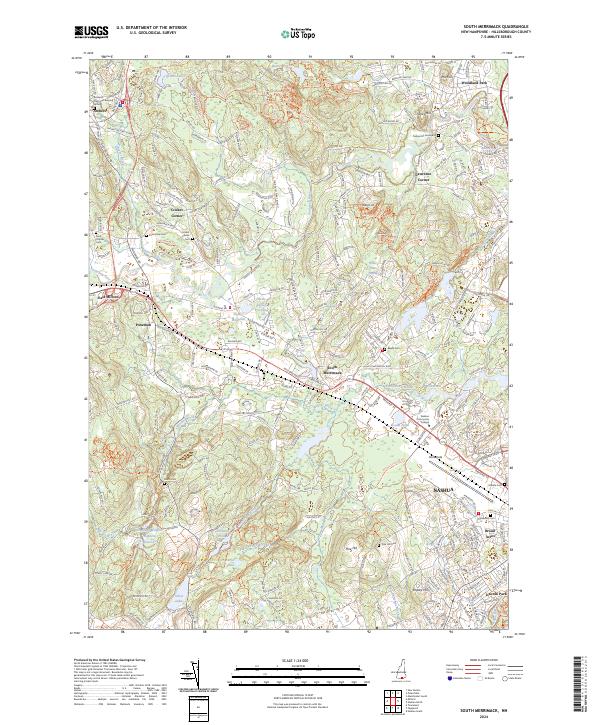 2024 South Merrimack2024 Print · USGSSouthern New Hampshire's transition from colonial crossroads to modern suburbs is captured here in the vicinity of Amherst and Nashua. Genealogists can trace local lineages through sites like the Amherst Town Hall Burying Ground and Cricket Corner Cem.
Showing maps 1-25 of 26
Top cities near Ward 2
- Manchester historical maps
- Lowell historical maps
- Nashua historical maps
- Leominster historical maps
- Billerica historical maps
- Derry historical maps
See more
Frequently asked questions
- What are the different types of historical maps available for Ward 2?
- What is the oldest map of Ward 2?
- Where can I purchase historical maps of Ward 2 for my home or office?
- Where can I download high-res historical maps of Ward 2?
- Are there historical topographic maps available for Ward 2?
- Is there historical aerial imagery available for Ward 2?
- Where are historical maps of Ward 2 sourced from?