Old Maps of Woodland Township, New Jersey for Genealogy
Trace your family roots with 65 historic maps of Woodland Township. These high-res maps reveal old neighborhoods, homesites, landmarks, and streets — helping you uncover where your ancestors lived and how the area evolved over time.
- Explore historic neighborhoods: Identify where your relatives may have lived in the 1800s or 1900s.
- Compare maps over time: Trace the changes in streets, buildings, and landmarks for multi-generational research.
- Perfect for genealogy & ancestry research: Used by family historians and researchers to map out lineage and migration.
These maps are an incredible resource for exploring your personal connection to Woodland Township's past.
Woodland Township, NJ maps
(65)- 1884 Map of Whitings
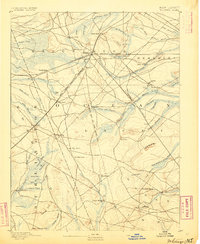 1884 Whitings1884 Print · USGSThe Pinelands of Ocean County come alive in the 1880s as a hub for rail travel and early industry. Genealogists can trace family-named sites like Boyd's Hotel, Zeb's Bridge, and Chicken Bone along the historic Tuckerton Railroad corridor.
 - 1888 Map of Pemberton
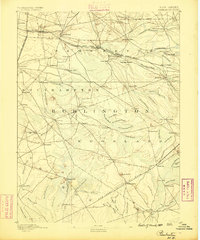 1888 Pemberton1888 Print · USGSThe industrial Pine Barrens of the 1880s come to life in this survey of Burlington County, showing a landscape of glassworks, furnaces, and isolated mill towns. Genealogists can trace family connections in Magnolia and Buddtown or find defunct stops like Evansville Station.
 - 1888 Map of Whitings, 1900 Print
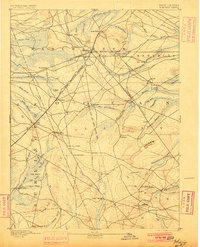 1888 Whitings1900 Print · USGSThe Pine Barrens of Ocean County thrived as a rail hub in the late 1880s, centered on the busy junction at Whitings. Researchers can trace the heritage of remote early settlements and industry at Union Clay Works, Dover Forge, and Chicken Bone.3 unique versions available
 - 1894 Map of Pemberton
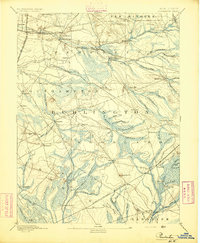 1894 Pemberton1894 Print · USGSThe Pine Barrens of the late nineteenth century reveal a landscape of early iron furnaces and emerging rail depots. Genealogists and historians can trace the foundations of Hanover Furnace, find the isolated Ong Hat settlement, and follow the Central R.R. of New Jersey Southern Division through Chatsworth.
 - 1898 Map of Pemberton
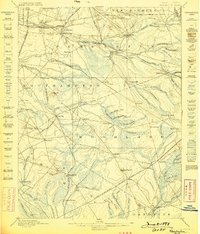 1898 Pemberton1898 Print · USGSThe industrial heart of the New Jersey Pine Barrens comes to life in this late Victorian-era survey. Genealogists and historians can trace the foundations of Hampton Furnace, the Lebanon Glassworks, and the remote settlement of Indian Mills.4 unique versions available
 - 1900 Map of Rancocas
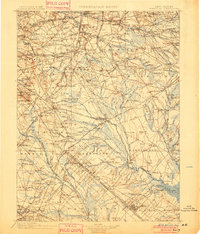 1900 Rancocas1900 Print · USGSSouthern New Jersey at the turn of the century reveals a land of timber, mills, and emerging rail junctions. Genealogists and historians can trace the locations of family-owned landmarks like Jennings Mill, Ballingers Mill, and early settlements such as Colemantown and Fellowship.2 unique versions available
 - 1918 Map of Camp Dix
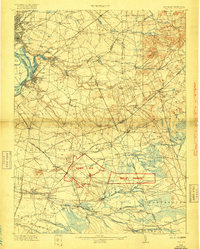 1918 Camp Dix1918 Print · USGSNew Jersey at the height of the Great War features the sprawling mobilization grounds of Camp Dix and its expansive Rifle Range. Genealogists and historians can trace defunct stops like Imlaystown Sta or locate family roots near New Egypt and Colliers Mill.2 unique versions available
 - 1942 Map of Whiting
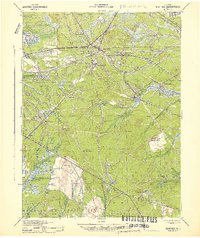 1942 Whiting1942 Print · USGSThe Jersey Pine Barrens are captured here during the early years of the war, showing the region's transition between industry and military use. Genealogists and historians can trace old settlements like Woodmansie, early aviation at Coyle Field, and the rail junction at Whiting.2 unique versions available
 - 1942 Map of Pemberton
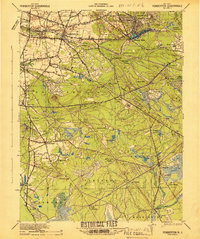 1942 Pemberton1942 Print · USGSBurlington County during the early years of the war is caught between its deep industrial roots and new military mobilization. Researchers can trace historic iron sites like Mary Ann Furnace, family locations such as Sooy Place, and the rail lines serving Whitesbog.
 - 1946 Map of Wilmington, 1948 Print
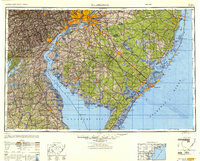 1946 Wilmington1948 Print · USGSThe Delaware Valley and Jersey Shore emerge in this mid-century portrait of a region defined by river commerce and seaside growth. Genealogists and historians can trace the rail networks of the Pennsylvania Railroad, locate early airfields like Dover Airpark, and find river defenses at Fort Delaware.2 unique versions available
 - 1949 Map of Pemberton, 1954 Print
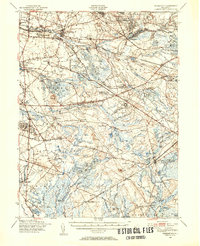 1949 Pemberton1954 Print · USGSThe Jersey Pine Barrens and the northern edge of the Atlantic coastal plain are captured here just after the war, showing a landscape of transition. Researchers can trace historic industrial sites like Hampton Furnace or locate family landmarks at Sooy Place and Buddtown.2 unique versions available
 - 1949 Map of Whiting, 1954 Print
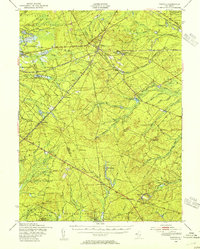 1949 Whiting1954 Print · USGSThe Pinelands of Ocean and Burlington Counties are shown just after the war, when rail hubs and forest reserves defined the landscape. Genealogists and historians can trace the junction at Whiting or locate smaller sites like Woodmansie, the Clay Works, and Keswick Grove.3 unique versions available
 - 1949 Map of Pemberton, 1959 Print
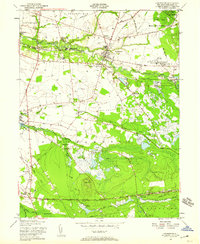 1949 Pemberton1959 Print · USGSMid-century Burlington County comes alive in this survey, capturing the region just as the military and local industry were defining its modern character. Researchers can trace family roots through Vincentown and Birmingham, locate the Brick Kilns, or study the extensive Cranberry Bogs.
 - 1951 Map of Indian Mills
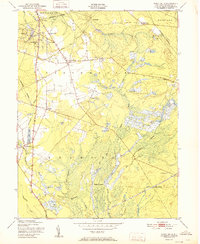 1951 Indian Mills1951 Print · USGSThe Pine Barrens of Burlington County are shown here in the early fifties, a landscape defined by berry agriculture and historic industry. Genealogists and researchers can locate old sites like Hampton Furnace, the rail line at High Crossing, and the community of Tabernacle.2 unique versions available
 - 1951 Map of Woodmansie
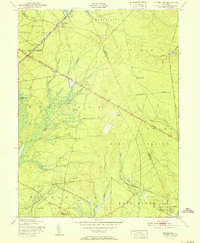 1951 Woodmansie1951 Print · USGSThe New Jersey Pine Barrens are captured here in the early fifties, showing a landscape of state forests and specialized agriculture. Researchers can trace the Central Railroad of New Jersey through Woodmansie or locate old Cranberry Bogs and the Coyle Airport.2 unique versions available
 - 1951 Map of Browns Mills
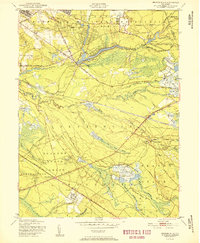 1951 Browns Mills1951 Print · USGSMid-century Burlington County is defined here by military expansion and the agricultural heritage of the Pine Barrens. Researchers can trace historic industrial sites and unique settlements like Whitesbog, Ongs Hat, and the specialized Cranberry Bogs of the region.
 - 1951 Map of Pemberton
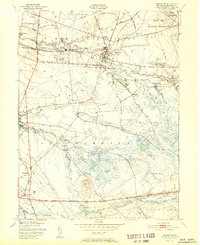 1951 Pemberton1951 Print · USGSBurlington County enters the early fifties with a landscape defined by the Rancocas Creek forks and the expanding presence of the military. Trace local history through the Brick Kilns at Birmingham, the rural crossroads of Comical Corners, and the working Budds Cranberry Bogs.2 unique versions available
 - 1951 Map of Whiting
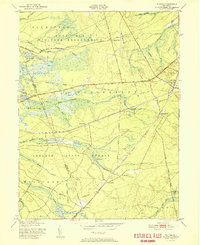 1951 Whiting1951 Print · USGSThe New Jersey Pine Barrens are captured here at mid-century, defined by the heavy rail corridors of the Pennsylvania Railroad and military lands. Researchers can trace the layout of Whiting, follow the network of Cranberry Bogs, and locate remote sites like Pasadena and Bullock.
 - 1951 Map of Chatsworth
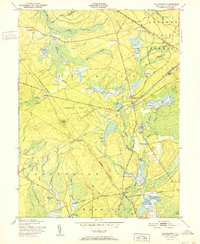 1951 Chatsworth1951 Print · USGSBurlington County’s pine barrens are captured here in the early fifties, showing a landscape defined by the Central Railroad of New Jersey and cranberry production. Trace the early footprints of Chatsworth, the Zing Ore Refinery, and isolated settlements like Speedwell and Friendship.2 unique versions available
 - 1955 Map of Wilmington
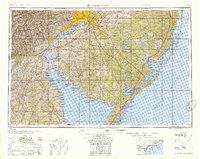 1955 Wilmington1955 Print · USGSThe Delaware Valley and Jersey Shore are seen here during the mid-fifties era of rapid suburban expansion and highway development. You can trace the path of the New Jersey Turnpike, locate the Fort Dix Military Reservation, or explore the rail networks of the Pennsylvania Railroad.
 - 1957 Map of Wilmington
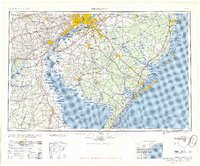 1957 Wilmington1957 Print · USGSThe mid-Atlantic coastal plain comes alive in the mid-fifties as the New Jersey Turnpike and Garden State Parkway redefine travel. Researchers can trace the rail-to-road transition and find landmarks like Ship John Shoal Light and the Fort Dix Military Reservation.2 unique versions available
 - 1957 Map of Chatsworth, 1960 Print
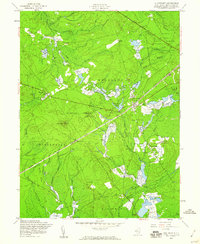 1957 Chatsworth1960 Print · USGSThe New Jersey Pinelands come into sharp focus in the late 1950s, showing a landscape of cranberry bogs and remote settlements. Genealogists and historians can trace the Central RR of New Jersey corridor through Chatsworth and locate landmarks like Johnson Place or the Chatsworth Cem.4 unique versions available
 - 1957 Map of Indian Mills, 1961 Print
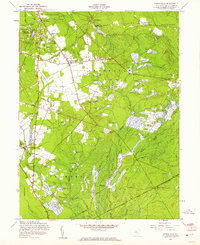 1957 Indian Mills1961 Print · USGSThe New Jersey Pine Barrens at mid-century reveal a specialized landscape of wetland agriculture and remote crossroads. Genealogists and historians can trace the intricate Cranberry Bogs around Bozuretown or locate the historic Hampton Furnace and Carranza Memorial.4 unique versions available
 - 1957 Map of Pemberton, 1961 Print
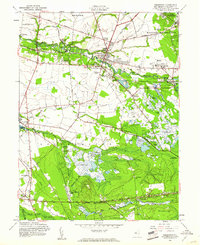 1957 Pemberton1961 Print · USGSMid-century Burlington County comes alive in this survey of the Rancocas Creek watershed during the late fifties. Genealogists and local historians can trace family-named sites from Smithville to Burrs Mill, or locate rural landmarks like Oak Grove Ch and the Cranberry Bogs that defined the local economy.4 unique versions available
 - 1957 Map of Whiting, 1961 Print
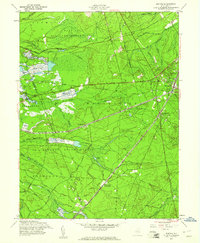 1957 Whiting1961 Print · USGSThe Pine Barrens of Ocean County are documented here in the late fifties, showing the vital rail intersection at Whiting. Genealogists and historians can trace the tracks of the Pennsylvania Railroad and locate vanished stop points like Bullock and Wheatland.4 unique versions available
Showing maps 1-25 of 65
Top cities near Woodland Township
- Jackson Township historical maps
- Manchester Township historical maps
- Berkeley Township historical maps
- Stafford Township historical maps
- Hammonton historical maps
- Lacey Township historical maps
See more
Top neighborhoods of Woodland Township
- Four Mile historical maps
- McDonald historical maps
- Mount Misery historical maps
- Johnson Place historical maps
- Jones Mill historical maps
- Dukes Bridge historical maps
See more
Frequently asked questions
- What are the different types of historical maps available for Woodland Township?
- What is the oldest map of Woodland Township?
- Where can I purchase historical maps of Woodland Township for my home or office?
- Where can I download high-res historical maps of Woodland Township?
- Are there historical topographic maps available for Woodland Township?
- Is there historical aerial imagery available for Woodland Township?
- Where are historical maps of Woodland Township sourced from?