Old Maps of Polich Place, New Mexico for Genealogy
Trace your family roots with 15 historic maps of Polich Place. These high-res maps reveal old neighborhoods, homesites, landmarks, and streets — helping you uncover where your ancestors lived and how the area evolved over time.
- Explore historic neighborhoods: Identify where your relatives may have lived in the 1800s or 1900s.
- Compare maps over time: Trace the changes in streets, buildings, and landmarks for multi-generational research.
- Perfect for genealogy & ancestry research: Used by family historians and researchers to map out lineage and migration.
These maps are an incredible resource for exploring your personal connection to Polich Place's past.
Polich Place, NM maps
(15)- 1886 Map of Wingate
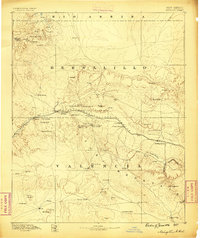 1886 Wingate1886 Print · USGSThe high deserts of western New Mexico are shown during the expansion of the rail era in the mid-1880s. Genealogists and historians can trace early settlements and vital water sources like Gallup, Old Zuñi, and the historic Fort Wingate along the Atlantic and Pacific Railroad.
 - 1892 Map of Wingate
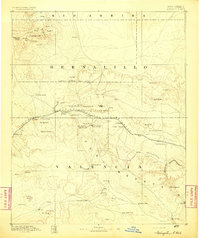 1892 Wingate1892 Print · USGSNorthwestern New Mexico territory comes to life during the expansion of the rail era, centered on the strategic military and trade routes of the high desert. Researchers can trace the path of the Atlantic and Pacific Railroad past Fort Wingate and through early settlements like Gallup and Old Zuni.4 unique versions available
 - 1954 Map of Gallup, 1973 Print
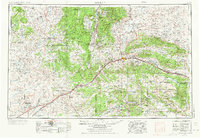 1954 Gallup1973 Print · USGSNative American tribal lands and the railroad corridor of the Southwest appear here at the midpoint of the century. Trace historic sites and remote settlements from Window Rock to the Fort Wingate Army Depot and Bibo.2 unique versions available
 - 1958 Map of Gallup
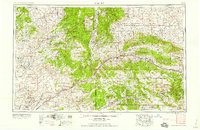 1958 Gallup1958 Print · USGSThe high desert of Western New Mexico and Eastern Arizona is captured here in the late fifties, dominated by the Navajo and Zuni homelands. Researchers can trace the path of US 66 through Gallup or locate historic industry at the Navajo Coal Mine and Gibson Coal Mine.
 - 1959 Map of Gallup
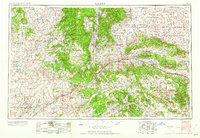 1959 Gallup1959 Print · USGSThe high desert corridor of northwestern New Mexico and eastern Arizona comes alive in the late fifties, following the path of Route 66 and the rail lines. Trace established landmarks like Zuni Pueblo, the Fort Wingate Military Reservation, and the Coolidge Post Office.
 - 1962 Map of Gallup
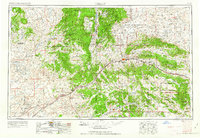 1962 Gallup1962 Print · USGSThe high plateau and mountains surrounding Gallup in the early sixties reveal a landscape defined by tribal lands, coal mining, and the rail corridor. Researchers can locate remote trading posts, the Gibson Coal Mine, and the historic Window Rock capital.
 - 1962 Map of Page, 1966 Print
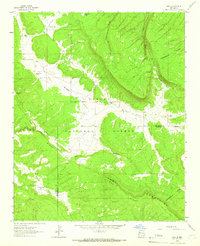 1962 Page1966 Print · USGSMcKinley and Valencia counties are captured here in the early sixties, showing a landscape of high ridges and isolated family homesteads. Genealogists and historians can locate specific sites like Radosevich Ranch, Navarre Place, and Bloomfield Flat along the Continental Divide.3 unique versions available
 - 1967 Map of Gallup
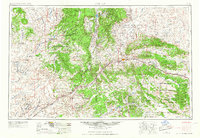 1967 Gallup1967 Print · USGSThe high desert of New Mexico and Arizona comes into focus in the mid-1960s, centered on the railroad and ranching hub of Gallup. Genealogists and historians can trace routes through Zuni Pueblo, identify old rail stops like Houck, or locate the Aqua Fria Post Office.
 - 1981 Map of Zuni
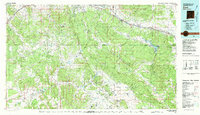 1981 Zuni1981 Print · USGSThe high plateau and mountains of western New Mexico are captured here in the early eighties, showcasing the intersection of tribal lands and national forests. Genealogists and researchers can trace local landmarks from Upper Nutria to the Black Rock Hospital and the historic Fort Wingate.2 unique versions available
 - 1995 Map of Page, 1997 Print
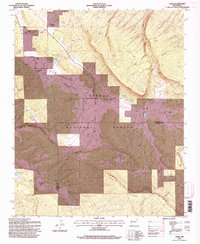 1995 Page1997 Print · USGSThe high country of McKinley County in the mid-1990s reveals a landscape of isolated ranching outposts and rugged mountain ridges. Genealogists and researchers can trace family-named sites like Radosevich Ranch, Polich Place, and the small settlement at Page.
 - 2011 Map of Page, 2011 Print
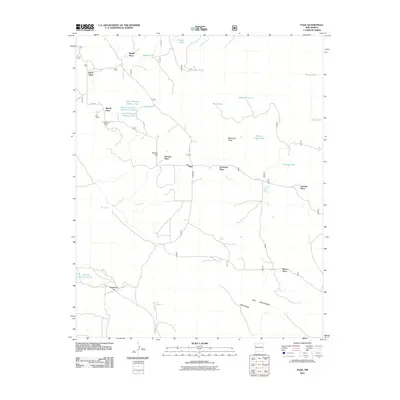 2011 Page2011 Print · USGSIn the early twenty-first century, the ranching country of McKinley County remains defined by its family-named homesteads and essential water tanks. Genealogists and local historians can trace legacy sites like Navarre Place and Silva Ranch near the winding Rio Nutria.
 - 2013 Map of Page, 2013 Print
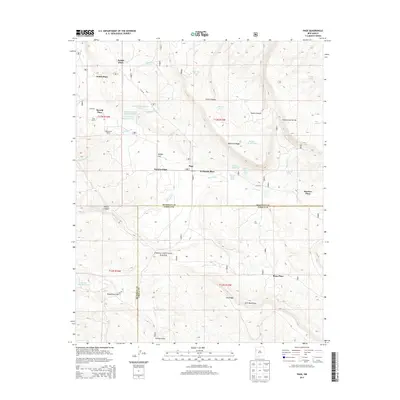 2013 Page2013 Print · USGSThe ranching country of the Zuni Mountains is captured here in the early twenty-first century as it spans the McKinley and Cibola county borders. Genealogists and local historians can trace family-named sites like Basgal Place, Merrill Place, and Grubisich Place across the high-desert terrain.
 - 2017 Map of Page, 2017 Print
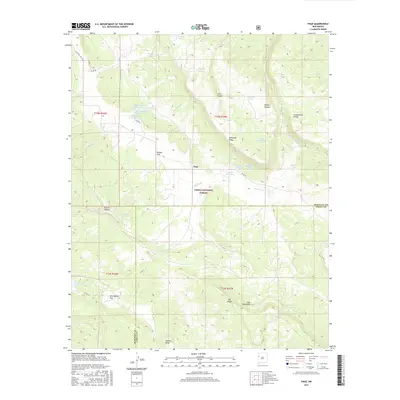 2017 Page2017 Print · USGSHigh-country ranching and forest lands south of Gallup are captured here in the late twenty-teens. Historians can trace the Continental Divide across the Zuni Mountains, finding isolated landmarks like Page, the Rio Nutria drainage, and Natural Lake.
 - 2020 Map of Page, 2020 Print
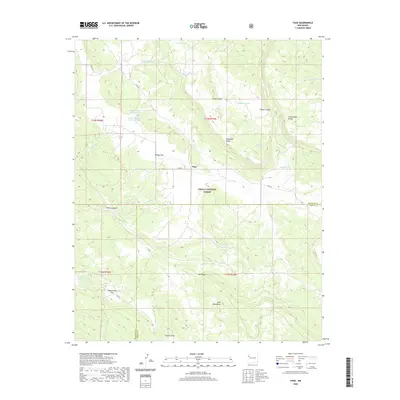 2020 Page2020 Print · USGSHigh desert ridges and the Continental Divide dominate this New Mexico landscape within the Cibola National Forest. Researchers can trace the path of the Rio Nutria and locate remote landmarks like the Page settlement, Bear Spring, and Basgal Tank.
 - 2023 Map of Page, 2023 Print
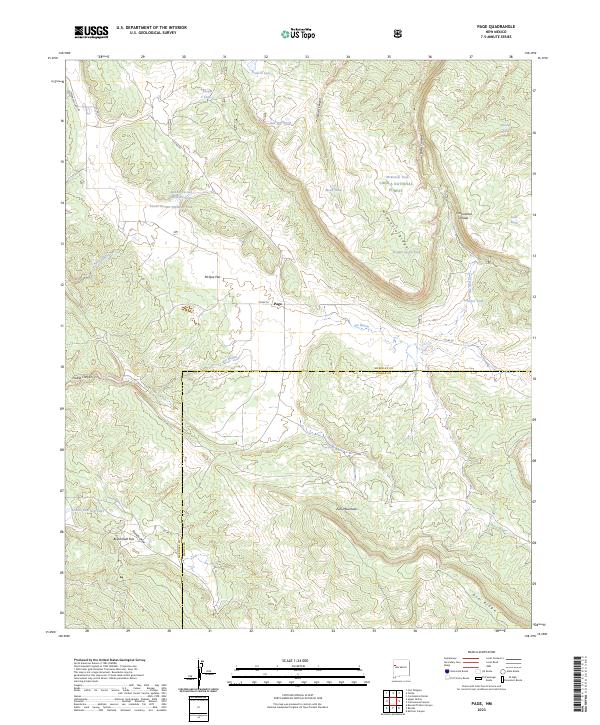 2023 Page2023 Print · USGSThe Continental Divide crosses this stretch of McKinley County in the early twenty-first century, revealing a landscape defined by forest reserves and cattle ranching. Researchers can trace the path of the Rio Nutria and locate remote landmarks like Bear Spring, McQue Flat, and the small settlement of Page.
End of results
Showing maps 1-15 of 15
Top cities near Polich Place
Frequently asked questions
- What are the different types of historical maps available for Polich Place?
- What is the oldest map of Polich Place?
- Where can I purchase historical maps of Polich Place for my home or office?
- Where can I download high-res historical maps of Polich Place?
- Are there historical topographic maps available for Polich Place?
- Is there historical aerial imagery available for Polich Place?
- Where are historical maps of Polich Place sourced from?