Old Maps of Mountainair, New Mexico for Academic Research
Study the evolution of Mountainair with 20 high-resolution historic maps. Whether you're teaching, researching, or modeling changes in land use, these maps provide essential visual documentation of urban, environmental, and geographic change.
- Analyze long-term change: Track patterns in development, transportation, and natural features.
- Ideal for environmental or urban studies: Support academic projects with primary historical map data.
- Use in the classroom or lab: Educators and researchers rely on these maps to bring historical context to life.
These maps are a powerful tool for teaching, research, and visualizing how Mountainair has changed over the decades.
Mountainair, NM maps
(20)- 1917 Map of Estancia
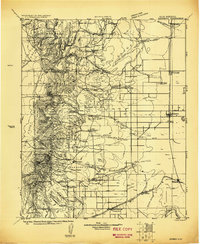 1917 Estancia1917 Print · USGSThe Estancia Valley and Manzano foothills come alive in this Great War-era survey, showing a landscape defined by massive land grants and new rail lines. Trace family roots and vanished ranch sites across the Manzano Grant or locate early buildings in Mountainair, Willard, and Chilili.
 - 1954 Map of Torreon, 1957 Print
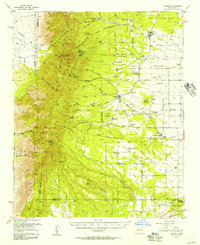 1954 Torreon1957 Print · USGSThe foothills of the Manzano Mountains in the mid-fifties reveal a landscape of ancient Spanish land grants and scattered family homesteads. Genealogists can locate specific family sites like Vigil Place or Sanchez Place and trace the proximity of Quarai Ruins State Mon.2 unique versions available
 - 1954 Map of Socorro, 1972 Print
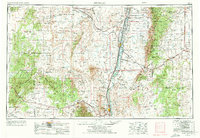 1954 Socorro1972 Print · USGSMid-century New Mexico comes into focus as the Rio Grande valley and the surrounding high desert undergo post-war growth. Genealogists and historians can trace old mountain settlements like Tajique and Punta de Agua or locate remote sites like the Torrance Mine.2 unique versions available
 - 1956 Map of Mountainair, 1958 Print
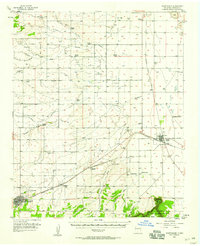 1956 Mountainair1958 Print · USGSTorrance County ranching and rail infrastructure are on full display in the mid-fifties, centered on the high valley near Mountainair. Genealogists can trace family holdings from the L K Markel Ranch to Broncho and locate sites like Ewing Sch.2 unique versions available
 - 1958 Map of Socorro
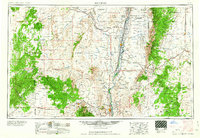 1958 Socorro1958 Print · USGSNew Mexico's high desert during the late fifties reveals a landscape of massive land grants and remote mining outposts. Researchers can trace the path of the Atchison Topeka and Santa Fe railroad as it connects Socorro and Belen to industrial sites like the Manganese Mill.
 - 1962 Map of Socorro
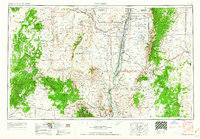 1962 Socorro1962 Print · USGSCentral New Mexico comes alive in the early sixties as the rail-and-river corridor of the Rio Grande connects historic pueblos and ranching towns. Local historians can trace the route of the Atchison Topeka and Santa Fe through Belen or locate the Torrance Mine near Mountainair.
 - 1979 Map of Belen
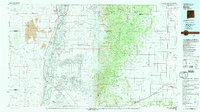 1979 Belen1979 Print · USGSThe Rio Grande Valley south of Albuquerque in the late seventies reveals a landscape of historic land grants and modern subdivisions. Trace the rail-and-river corridor through Belen and Isleta Pueblo, or find high-elevation landmarks in Cibola National Forest.2 unique versions available
 - 1986 Map of Punta De Agua
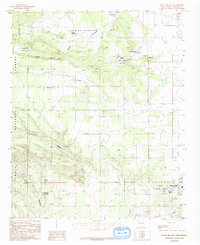 1986 Punta De Agua1986 Print · USGSTorrance County during the mid-1980s reveals a landscape defined by traditional land grants and historical monuments. Researchers can trace the layout of Punta de Agua, locate the Quarai Division of the Salinas National Monument, and identify old family-named sites like Montaño.
 - 1986 Map of Mountainair
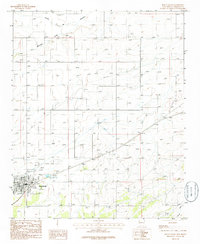 1986 Mountainair1986 Print · USGSMountainair and the surrounding Torrance County ranching country are documented here in the mid-1980s. Local researchers can trace community landmarks like the Rodeo Ground, the local Landing Strip, and regional drainage features such as Arroyo de Manzano.
 - 1995 Map of Punta De Agua, 1998 Print
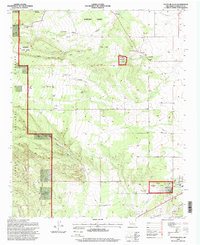 1995 Punta De Agua1998 Print · USGSTorrance County in the mid-1990s showcases a landscape of historic land grants and ancient ruins at the edge of the Cibola National Forest. Researchers can locate family landmarks like D Candelaria Ranch and La Cienega, or trace the grounds of the Salinas Ruin National Monument.
 - 2010 Map of Mountainair, 2010 Print
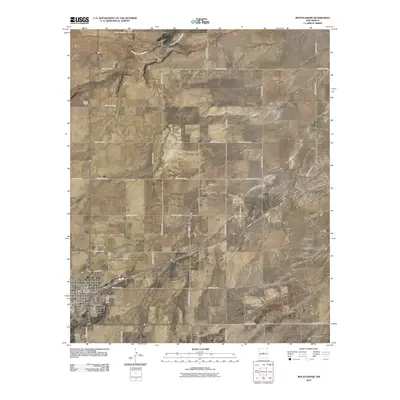 2010 Mountainair2010 Print · USGSMountainair and the central New Mexico ranching country are mapped here during the early twenty-first century. Genealogists and local historians can trace family land and civic life through landmarks like the Mountainair Rodeo Ground, Hinman Ranch, and the Mountainair Post Office.
 - 2011 Map of Punta de Agua, 2011 Print
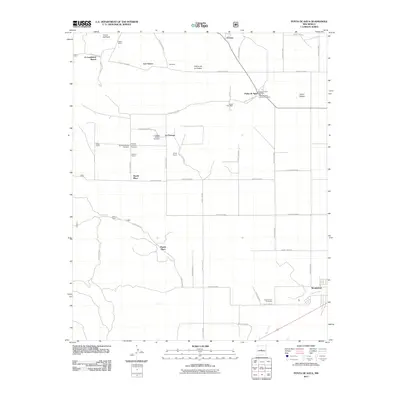 2011 Punta de Agua2011 Print · USGSTorrance County ranching communities and remote family homesteads are preserved here in the early twenty-first century. Genealogists can trace family names and burial sites at La Cienega Mission Cemetery, Chato School, and the Quarai Post Office.
 - 2013 Map of Mountainair, 2013 Print
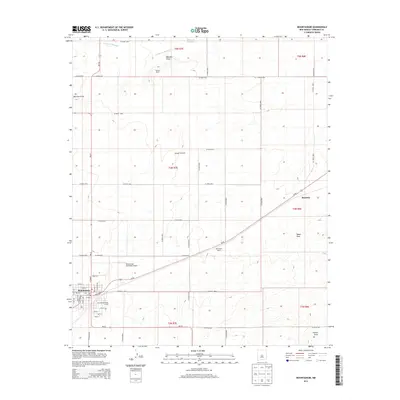 2013 Mountainair2013 Print · USGSMountainair and the surrounding high-desert ranch lands are captured here in the early twenty-first century. Researchers can trace the town's street grid and nearby landmarks like the Mountainair Rodeo Ground and the isolated Broncho settlement.
 - 2013 Map of Punta de Agua, 2013 Print
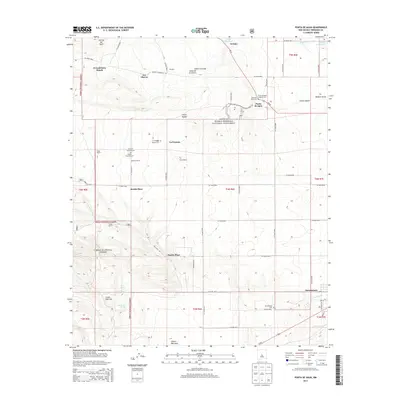 2013 Punta de Agua2013 Print · USGSCentral New Mexico’s high desert ranching country is captured here during the early twenty-first century. Researchers can trace family history through numerous local landmarks like D Candelaria Ranch and cemeteries such as Mountainair Cem.
 - 2017 Map of Punta de Agua, 2017 Print
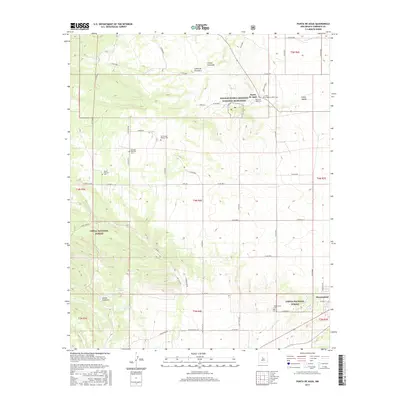 2017 Punta de Agua2017 Print · USGSHigh-desert mission ruins and remote settlements define this Torrance County landscape during the twenty-tens. Researchers can trace ancestral sites and small family plots such as the Purcella Eastview Cemetery and the historic Punta de Agua village.
 - 2017 Map of Mountainair, 2017 Print
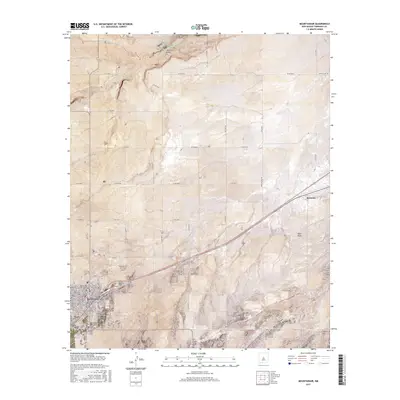 2017 Mountainair2017 Print · USGSMountainair and the surrounding Torrance County plains are shown here in the late 2010s, centered on the historic rail corridor and town grid. Genealogists and researchers can trace local landmarks like the Mountainair Municipal Airport, the settlement of Broncho, and named watercourses like Arroyo de Manzano.
 - 2020 Map of Punta de Agua, 2020 Print
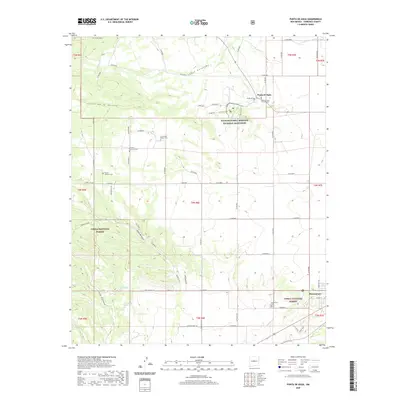 2020 Punta de Agua2020 Print · USGSTorrance County at the dawn of the 2020s shows a landscape where high-desert canyons meet storied mission history. Genealogists can trace several local burial sites like Purcella Eastview Cem and La Cienega Mission Cem near Punta de Agua.
 - 2020 Map of Mountainair, 2020 Print
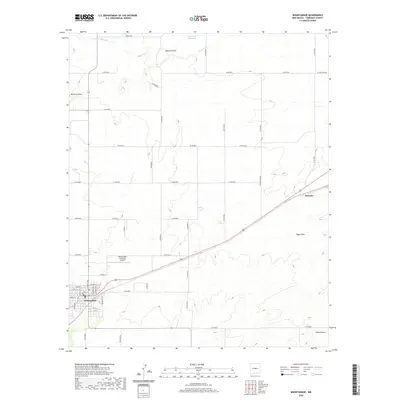 2020 Mountainair2020 Print · USGSThe town of Mountainair and the surrounding Torrance County ranchlands are documented here in the early twenty-first century. Researchers can trace the town grid from Main St out to rural landmarks like Broncho and the seasonal waters of Mesteno Draw.
 - 2023 Map of Punta de Agua, 2023 Print
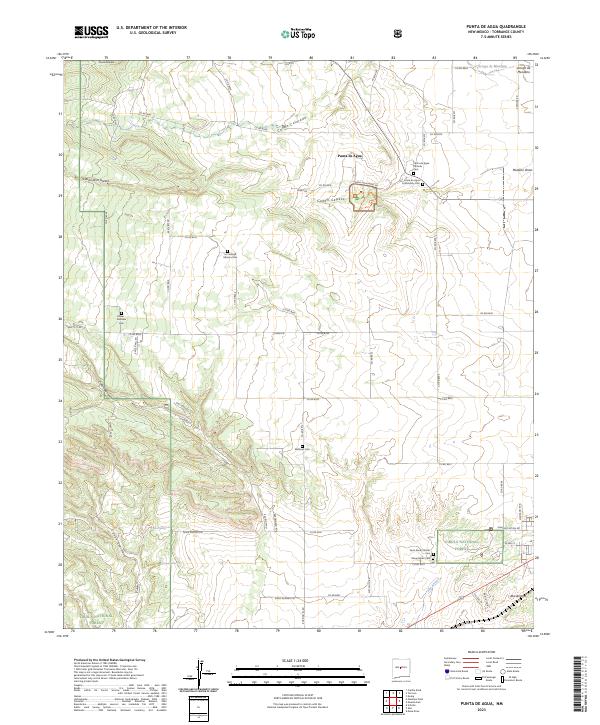 2023 Punta de Agua2023 Print · USGSTorrance County’s high desert plains and mountain foothills are captured here in a period of modern preservation and rural continuity. Genealogists can trace family landmarks across several burial grounds, from La Cienega Mission Cem to the Mathews Cem and Mountainair Cem.
 - 2023 Map of Mountainair, 2023 Print
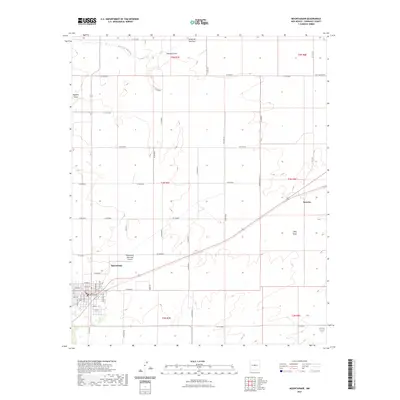 2023 Mountainair2023 Print · USGSMountainair and the surrounding high plains are captured here in the early twenty-first century. Genealogists and local historians can trace street-level detail in Mountainair or locate outlying areas like Broncho and the landmarks along Old Willard Rd.
End of results
Showing maps 1-20 of 20
Top cities near Mountainair
Frequently asked questions
- What are the different types of historical maps available for Mountainair?
- What is the oldest map of Mountainair?
- Where can I purchase historical maps of Mountainair for my home or office?
- Where can I download high-res historical maps of Mountainair?
- Are there historical topographic maps available for Mountainair?
- Is there historical aerial imagery available for Mountainair?
- Where are historical maps of Mountainair sourced from?