Old Maps of Truxton, New York for Academic Research
Study the evolution of Truxton with 35 high-resolution historic maps. Whether you're teaching, researching, or modeling changes in land use, these maps provide essential visual documentation of urban, environmental, and geographic change.
- Analyze long-term change: Track patterns in development, transportation, and natural features.
- Ideal for environmental or urban studies: Support academic projects with primary historical map data.
- Use in the classroom or lab: Educators and researchers rely on these maps to bring historical context to life.
These maps are a powerful tool for teaching, research, and visualizing how Truxton has changed over the decades.
Truxton, NY maps
(35)- 1900 Map of Tully
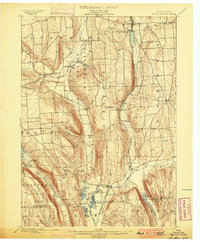 1900 Tully1900 Print · USGSIn the hills south of Syracuse during the late 1890s, this area supported a network of dairy farms and rail-dependent hamlets. Genealogists can locate long-lost rural communities like Maple Grove (Case P.O.), the Onondaga Indian Reservation, and the resort grounds at Assembly Park.9 unique versions available
 - 1903 Map of Cortland
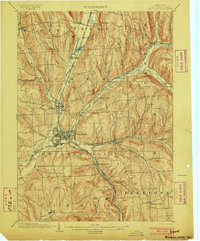 1903 Cortland1903 Print · USGSCortland County at the turn of the century was a bustling hub of rail activity and river-valley industry. Researchers can trace the early layout of Cortland and Homer, or locate vanished operations at Crains Mills and Blodgett Mills.7 unique versions available
 - 1904 Map of Pitcher
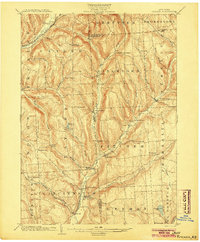 1904 Pitcher1904 Print · USGSThe rural highlands of Central New York are documented here at the turn of the century, showing a landscape of upland hamlets and river-valley rail lines. Genealogists can trace early homesteads near Pitcher, Cincinnatus, and the remote heights of Taylor Center.5 unique versions available
 - 1943 Map of Tully, 1953 Print
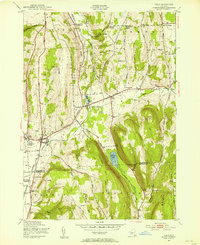 1943 Tully1953 Print · USGSThe Onondaga and Cortland County borderlands are seen here in the early 1940s, showing a landscape of upland ridges and rail-connected valley towns. Trace local ancestry through the STATE COLLEGE EXPERIMENTAL STATION, numerous rural schools, and sites like St Leos Cem and Apulia Station.
 - 1943 Map of Cuyler, 1960 Print
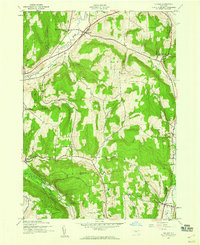 1943 Cuyler1960 Print · USGSCortland County at the height of the war years reveals a landscape of upland farms and valley hamlets. Genealogists can trace local roots through numerous district sites like Black Warrior Sch and Potter Hill Cem or the rails of the Lehigh Valley.4 unique versions available
 - 1944 Map of Cuyler
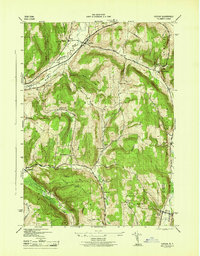 1944 Cuyler1944 Print · USGSUpper Central New York at the height of the Second World War shows a landscape of upland farms and valley railroads. Researchers can trace the legacy of local education and transit through Dog Hollow Sch, the Lehigh Valley line, and Winne Cem.
 - 1944 Map of Truxton
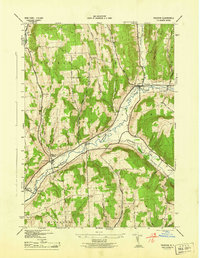 1944 Truxton1944 Print · USGSCortland County agriculture and rail transit are captured in the mid-1940s as the river valleys supported thriving rural hamlets. Researchers can trace the Lehigh Valley tracks past Crains Mills and find several district schoolhouses like Log Sch.
 - 1948 Map of Binghamton, 1980 Print
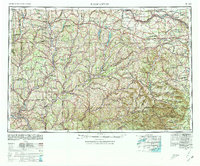 1948 Binghamton1980 Print · USGSCentral New York and the Southern Tier thrive in the late 1940s as a hub of rail traffic and mountain industry. Researchers can trace historic transit lines like the Erie Railroad through Binghamton or find old valley settlements near Oneonta and Delhi.
 - 1950 Map of Elmira
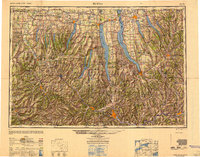 1950 Elmira1950 Print · USGSThe Finger Lakes region thrived in the late 1940s as a hub of industry and transport. Trace family roots and vanished landmarks near Seneca Lake or explore the rail lines of the Erie RR and the sprawling Seneca Ordnance Depot.2 unique versions available
 - 1950 Map of Binghamton
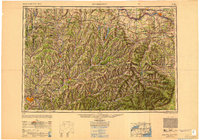 1950 Binghamton1950 Print · USGSBinghamton and the surrounding Southern Tier are shown in the mid-century era, highlighting the intricate rail and river networks that drove local industry. Researchers can trace the path of the Erie Railroad and locate landmarks from Otsego Lake to Sidney Mountain.2 unique versions available
 - 1955 Map of Tully, 1956 Print
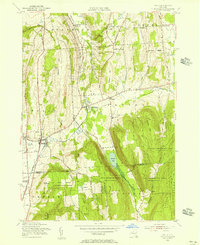 1955 Tully1956 Print · USGSIn the mid-fifties, the Tully Valley was a blend of concentrated village life and sprawling state forestry lands. Genealogists and historians can trace the Delaware Lackawanna and Western tracks through Apulia Station or find local landmarks like St Leo Ch and Meeker Cem.4 unique versions available
 - 1955 Map of Truxton, 1956 Print
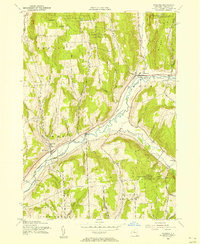 1955 Truxton1956 Print · USGSMid-century Cortland County comes alive in this survey of the Tioughnioga Valley's rail and reforestation corridor. Genealogists and local historians can trace the Lehigh Valley line through old settlements like Crains Mills and East River.4 unique versions available
 - 1955 Map of Tully, 1961 Print
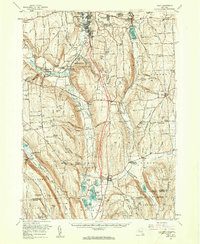 1955 Tully1961 Print · USGSCentral New York at the dawn of the interstate era reveals a landscape of glacial lakes and historic upland hamlets. Genealogists can trace family sites at Pioneer Cem or St Patrick Cem, while identifying rail stops like Apulia Station.2 unique versions available
 - 1958 Map of Binghamton
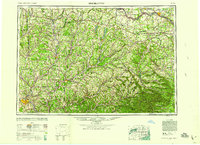 1958 Binghamton1958 Print · USGSCentral New York in the late fifties was a network of manufacturing cities and river valleys connected by vital rail lines. Genealogists and historians can trace family roots in Oneonta, Norwich, and Cooperstown or locate long-standing farms along Schoharie Creek.
 - 1958 Map of Elmira
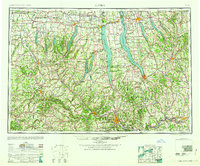 1958 Elmira1958 Print · USGSThe New York Finger Lakes during the late fifties reveal a complex landscape of glacial geology and industrial growth. Researchers can trace historic transport corridors like the Erie Canal and Erie RR, or locate institutional landmarks like Cornell University.2 unique versions available
 - 1962 Map of Elmira, 1969 Print
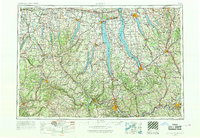 1962 Elmira1969 Print · USGSThe Finger Lakes region and Southern Tier are captured here during a period of industrial maturity and highway expansion. Researchers can trace the path of the Erie Canal, the footprint of the Seneca Army Depot, and legacy rail lines through Elmira and Ithaca.4 unique versions available
 - 1963 Map of Binghamton
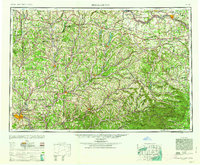 1963 Binghamton1963 Print · USGSThe Southern Tier and Catskill peaks are shown in the early sixties as new reservoirs reshaped the valleys. Trace historic rail corridors like the Erie Lackawanna RR and explore lakeside settlements such as Cooperstown and Oneonta.
 - 1965 Map of Elmira
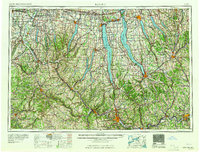 1965 Elmira1965 Print · USGSThe Finger Lakes and Southern Tier regions are captured in the mid-sixties, showcasing a landscape of deep glacial valleys and heavy rail infrastructure. Trace old railroad corridors like the Pennsylvania RR or visit landmarks like Letchworth State Park and the Seneca Army Depot.
 - 1986 Map of Norwich
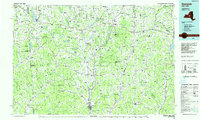 1986 Norwich1986 Print · USGSCentral New York in the mid-eighties was a landscape of deep river valleys and university towns connected by historic rail corridors and state highways. Researchers can trace the rural infrastructure of Norwich and Hamilton, finding landmarks like Colgate University and the Seventh Day Hollow Church.2 unique versions available
 - 1986 Map of Auburn
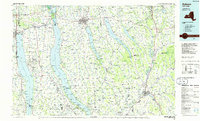 1986 Auburn1986 Print · USGSThe Finger Lakes region in the mid-eighties shows a landscape of deep glacial waters and significant military sites. Trace the layout of the Seneca Army Depot, find the campus of Wells College, and follow the historic Lehigh Valley RR lines.2 unique versions available
 - 2010 Map of Truxton, 2010 Print
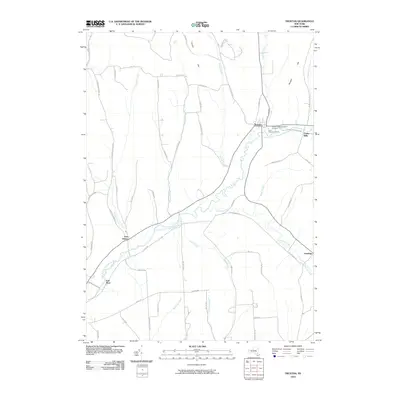 2010 Truxton2010 Print · USGSCortland County's river valleys and upland ridges are captured here in the early twenty-first century as the landscape transitions from old mill sites to rural homesteads. Researchers can locate family landmarks like Saint Patricks Cemetery or trace the path of Cheningo Creek through Crains Mills and Cheningo.
 - 2010 Map of Cuyler, 2010 Print
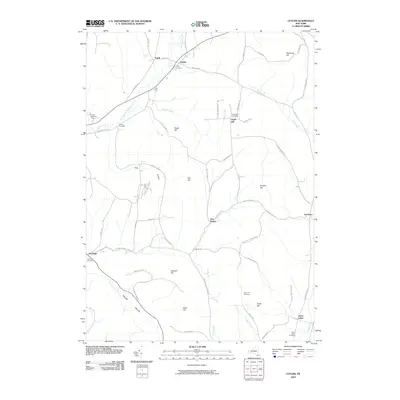 2010 Cuyler2010 Print · USGSThe hills and valleys of central New York are documented here during the early twenty-first century, centered on the historic township of Cuyler. Researchers can locate several burial grounds, including Winne Cemetery and Cheningo Cemetery, alongside hamlets like Tripoli and New Boston.
 - 2010 Map of Tully, 2010 Print
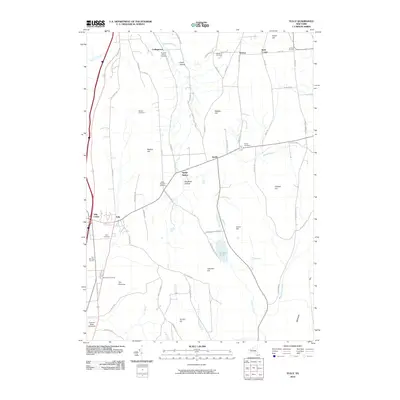 2010 Tully2010 Print · USGSOnondaga County's high ridges and deep hollows are documented here at the turn of the millennium, showing a landscape of small hamlets and family legacies. Genealogists can locate several historic burial sites, including Farr Burying Ground, Miles-Mighells Cemetery, and Sherman Hollow Cemetery.
 - 2013 Map of Cuyler, 2013 Print
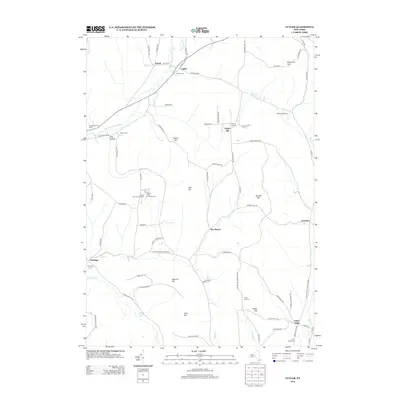 2013 Cuyler2013 Print · USGSThe rural uplands of Madison County are captured here in the early twenty-first century, showcasing the valley of the E Br Tioughnioga River. Researchers can trace old family names and settlements like New Boston, Cheningo, and Dog Hollow, alongside quiet landmarks such as Spicer Falls.
 - 2013 Map of Tully, 2013 Print
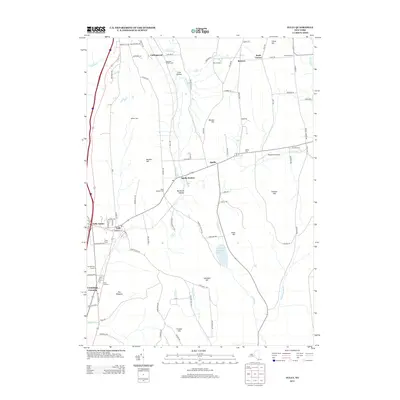 2013 Tully2013 Print · USGSThe Onondaga County highlands appear in high detail during the early twenty-first century, showing the established rural communities and steep ridge terrain. Researchers can trace family history at the Farr Burying Ground or locate the former rail stop at Apulia Station.
Showing maps 1-25 of 35
Top cities near Truxton
- Onondaga historical maps
- Cortland historical maps
- Cortlandville historical maps
- Pompey historical maps
- Cazenovia historical maps
- Homer historical maps
See more
Top neighborhoods of Truxton
Frequently asked questions
- What are the different types of historical maps available for Truxton?
- What is the oldest map of Truxton?
- Where can I purchase historical maps of Truxton for my home or office?
- Where can I download high-res historical maps of Truxton?
- Are there historical topographic maps available for Truxton?
- Is there historical aerial imagery available for Truxton?
- Where are historical maps of Truxton sourced from?