Old Maps of Virgil, New York for Hiking & Exploration
Hike through history with 57 historic maps of Virgil. Explore old trails, ghost towns, and forgotten backroads — perfect for outdoor adventurers and local explorers.
- Rediscover forgotten places: Map out old mining camps, roads, and footpaths that no longer exist on modern maps.
- Layer with modern tools: Combine with LiDAR or satellite views to plan hikes through historical terrain.
- Made for exploration: Popular among hikers, overlanders, and local history lovers.
Use these maps to find adventure and explore the hidden past of Virgil.
Virgil, NY maps
(57)- 1898 Map of Moravia
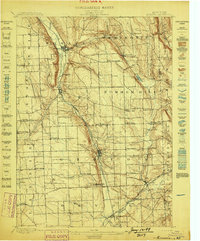 1898 Moravia1898 Print · USGSCentral New York at the close of the nineteenth century is captured here as a landscape of valley railroads and hilltop hamlets. You can trace the Lehigh Valley line through Moravia, find family land near Benson Corners, or locate Morse Mill and Lake Como.
 - 1900 Map of Dryden
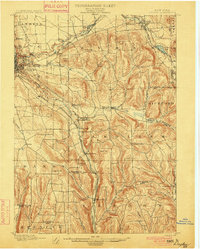 1900 Dryden1900 Print · USGSThe Finger Lakes region comes to life in the late nineteenth century as the rail networks of the Lehigh Valley RR and the CAYUGA DIVISION expand through the valleys. Genealogists can trace family roots through the hill settlements of Caroline Center, South Danby, and the early grounds of Cornell University.9 unique versions available
 - 1902 Map of Moravia
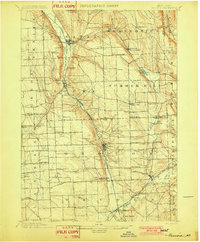 1902 Moravia1902 Print · USGSThe rural landscapes of Cayuga and Tompkins counties are captured here at the start of the twentieth century, when small hamlets thrived along the rail lines. Genealogists can trace family names and vanished post offices at Goosetree, Morse Mill, and Grotto.7 unique versions available
 - 1903 Map of Cortland
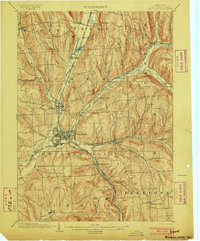 1903 Cortland1903 Print · USGSCortland County at the turn of the century was a bustling hub of rail activity and river-valley industry. Researchers can trace the early layout of Cortland and Homer, or locate vanished operations at Crains Mills and Blodgett Mills.7 unique versions available
 - 1903 Map of Harford
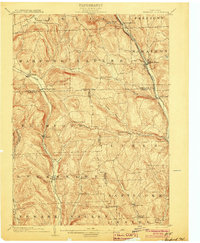 1903 Harford1903 Print · USGSThe Southern Tier of New York at the turn of the century reveals a landscape defined by deep valleys and the competing paths of the Lehigh Valley and Lackawanna railroads. Genealogists can trace early homesteads and hamlets like Harford Mills, Nanticoke, and Hunts Corners.5 unique versions available
 - 1906 Map of Catatonk
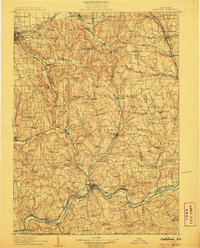 1906 Catatonk1906 Print · USGSThe Southern Tier and Finger Lakes foothills are shown here at the peak of the rail era, before the expansion of modern highways. Genealogists can locate family lands near Slaterville Springs, trace the Lehigh Valley RR, or find early sites like White Church.
 - 1942 Map of Groton, 1956 Print
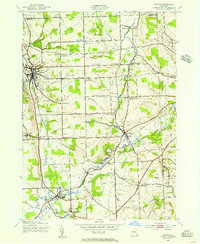 1942 Groton1956 Print · USGSTompkins County rural life is captured here during the early war years, showing a landscape defined by small hamlets and a remarkable number of local schools. Trace the old Lehigh Valley rail line and locate landmarks like the George Junior Republic or Red Mills.2 unique versions available
 - 1943 Map of Groton
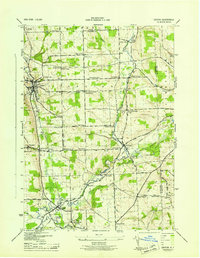 1943 Groton1943 Print · USGSTompkins County during the 1940s is mapped here in detail, showing a landscape of established dairy farms and rail-dependent villages. Genealogists can trace family land via numerous crossroads like Jones Corners and find old schoolhouses including the Mud Schoolhouse Corners.
 - 1944 Map of Cortland
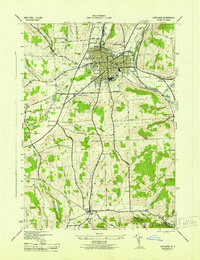 1944 Cortland1944 Print · USGSMid-century Cortland and Homer are depicted here at a peak of rail-based industry and civic growth. Genealogists and local historians can trace family roots through numerous district schools, cemeteries like Rural Cem, and the rural community around Virgil.
 - 1944 Map of Mc Graw
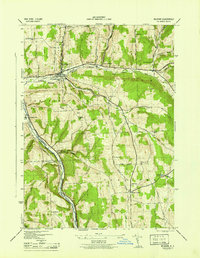 1944 Mc Graw1944 Print · USGSCortland County upland farms and valley villages are captured here during the mid-forties, showing the area's transition between agricultural and rail-based commerce. Researchers can locate many district schoolhouses like Old Stone Sch and cemeteries such as Atwood Cem.
 - 1949 Map of Dryden, 1962 Print
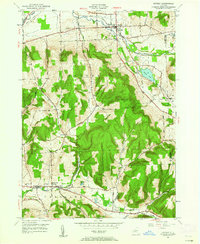 1949 Dryden1962 Print · USGSTompkins County villages and highland farms are captured here in the late 1940s just as post-war changes began. Researchers can trace the Lehigh Valley Railroad through Dryden or locate family plots at Willow Glen Cem and Mulks Cem.
 - 1949 Map of Harford, 1967 Print
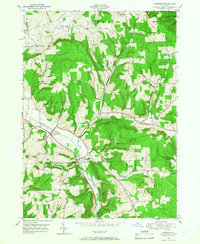 1949 Harford1967 Print · USGSCortland County at the close of the 1940s is a landscape of deep hollows and dairy country centered on the Lehigh Valley rail line. Genealogists can locate the Birthplace of John D Rockefeller and trace rural family homesteads near Harford and Franks Corners.
 - 1950 Map of Elmira
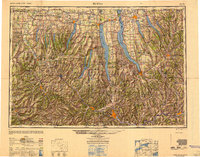 1950 Elmira1950 Print · USGSThe Finger Lakes region thrived in the late 1940s as a hub of industry and transport. Trace family roots and vanished landmarks near Seneca Lake or explore the rail lines of the Erie RR and the sprawling Seneca Ordnance Depot.2 unique versions available
 - 1950 Map of Marathon, 1952 Print
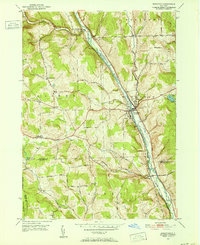 1950 Marathon1952 Print · USGSMid-century Cortland County comes to life along the river and rail lines of the Tioughnioga valley. Researchers can trace family roots through upland landmarks like Lapeer Church, Hunts Corners, and the tracks of the Delaware Lackawanna and Western.5 unique versions available
 - 1951 Map of Harford
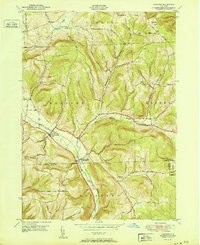 1951 Harford1951 Print · USGSCortland County's southern hills and railroad hamlets are captured here at mid-century, just as the local rural economy was shifting. Genealogists and historians can locate the Birthplace of John D Rockefeller and trace the Lehigh Valley rail line through Harford Mills.
 - 1951 Map of Dryden
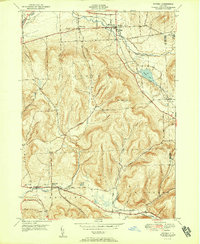 1951 Dryden1951 Print · USGSTompkins County hills and valleys are captured here in the early fifties, showing the area as a vital rail and road junction. Researchers can trace family roots through the Dutch Reformed Cem and follow the old Catskill Turnpike through Slaterville Springs.2 unique versions available
 - 1955 Map of Mc Graw, 1956 Print
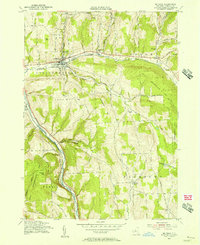 1955 Mc Graw1956 Print · USGSMid-state New York hill country comes into focus in the mid-fifties, showing the intersection of rail transport and rural township life. Genealogists and historians can trace family plots at McGrawville Rural Cem or locate old mill sites like Maybury Mills and Blodgett Mills.4 unique versions available
 - 1955 Map of Cortland, 1956 Print
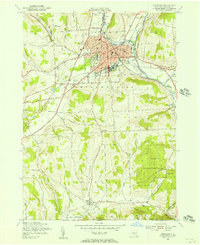 1955 Cortland1956 Print · USGSCortland and Homer are shown in the mid-1950s as thriving valley centers at the confluence of the Tioughnioga branches. Genealogists and local researchers can trace early schoolhouses like Blodgett Mills School No 11, family cemeteries, and landmarks such as the State College.4 unique versions available
 - 1958 Map of Elmira
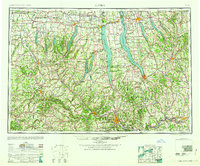 1958 Elmira1958 Print · USGSThe New York Finger Lakes during the late fifties reveal a complex landscape of glacial geology and industrial growth. Researchers can trace historic transport corridors like the Erie Canal and Erie RR, or locate institutional landmarks like Cornell University.2 unique versions available
 - 1962 Map of Elmira, 1969 Print
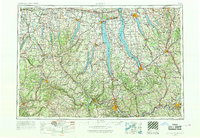 1962 Elmira1969 Print · USGSThe Finger Lakes region and Southern Tier are captured here during a period of industrial maturity and highway expansion. Researchers can trace the path of the Erie Canal, the footprint of the Seneca Army Depot, and legacy rail lines through Elmira and Ithaca.4 unique versions available
 - 1965 Map of Elmira
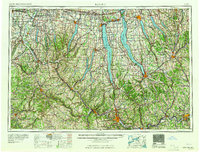 1965 Elmira1965 Print · USGSThe Finger Lakes and Southern Tier regions are captured in the mid-sixties, showcasing a landscape of deep glacial valleys and heavy rail infrastructure. Trace old railroad corridors like the Pennsylvania RR or visit landmarks like Letchworth State Park and the Seneca Army Depot.
 - 1969 Map of Dryden, 1971 Print
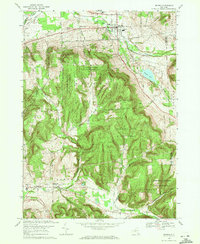 1969 Dryden1971 Print · USGSDryden and the southern hills of Tompkins County are seen here in the late sixties, a landscape where valley railroads met sprawling state forests. Genealogists and local historians can locate several historic burial sites like Mulks Cem and old schools including the Caroline Sch and Central Sch.3 unique versions available
 - 1970 Map of Groton, 1974 Print
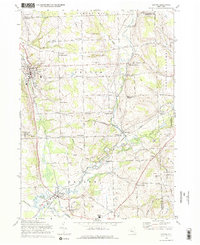 1970 Groton1974 Print · USGSThe rural crossroads of Tompkins and Cortland counties are captured in the early 1970s, showing the enduring agricultural character of the region. Researchers can trace the Lehigh Valley rail line or locate family-named settlements like Morton Corners and Lacy Corners.2 unique versions available
 - 1976 Map of Harford, 1984 Print
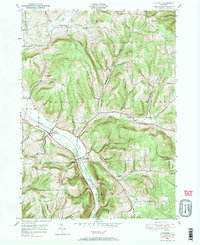 1976 Harford1984 Print · USGSCortland and Tioga Counties are shown here during the mid-to-late twentieth century, preserving a landscape of steep hollows and valley settlements. Genealogists can locate family landmarks like the Birthplace of John D Rockefeller and the old Harford Mills station.2 unique versions available
 - 1986 Map of Elmira
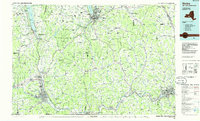 1986 Elmira1986 Print · USGSThe Southern Tier and Finger Lakes regions meet in this mid-eighties survey of the river valleys and high ridges. Genealogists can trace family names at Forest Lawn Memorial Park or locate homesteads near Breesport and Newark Valley.
Showing maps 1-25 of 57
Top cities near Virgil
- Cortland historical maps
- Dryden historical maps
- Cortlandville historical maps
- Homer historical maps
- Groton historical maps
- Candor historical maps
See more
Top neighborhoods of Virgil
Frequently asked questions
- What are the different types of historical maps available for Virgil?
- What is the oldest map of Virgil?
- Where can I purchase historical maps of Virgil for my home or office?
- Where can I download high-res historical maps of Virgil?
- Are there historical topographic maps available for Virgil?
- Is there historical aerial imagery available for Virgil?
- Where are historical maps of Virgil sourced from?