Old Maps of Black River, New York for Metal Detecting
Plan your next treasure hunt with 31 historic maps of Black River. Find old homesites, ghost towns, trails, and gathering spots that may be lost to time — perfect for identifying promising metal detecting locations.
- Locate forgotten sites: Uncover places like long-lost settlements, abandoned rail lines, or gathering spots.
- Plan better hunts: Use map overlays combined with LiDAR or satellite views to narrow in on historically rich areas.
- Made for detectorists: Thousands of hobbyists use these maps to discover relics, coins, and hidden history.
Use these historic maps to boost your research and find new opportunities beneath the surface of Black River.
Black River, NY maps
(31)- 1895 Map of Watertown
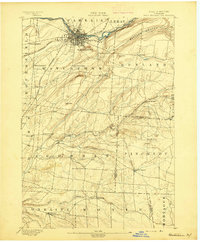 1895 Watertown1895 Print · USGSJefferson County in the 1890s centered on the industrial energy of the Black River and a complex web of iron rails. Genealogists and local researchers can trace historic crossroads such as Fields Settlement, Whitford Corner, and Burrs Mills.
 - 1898 Map of Watertown
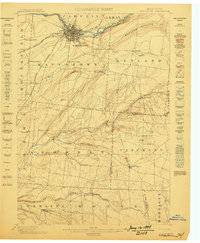 1898 Watertown1898 Print · USGSJefferson County at the close of the nineteenth century centers on the growing hub of Watertown and its intricate rail network. Researchers can trace the nineteenth-century landscape of rural hamlets, mills, and family landmarks like Burrs Mills, Honeyville, and Fields Settlement.2 unique versions available
 - 1903 Map of Theresa
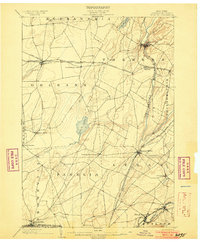 1903 Theresa1903 Print · USGSJefferson County at the turn of the century was a bustling network of dairy farms and rail junctions. You can trace the path of the Rome Watertown and Ogdensburg Div. through Evans Mills or locate early settlements like Stone Mills and Leraysville.8 unique versions available
 - 1908 Map of Watertown, 1955 Print
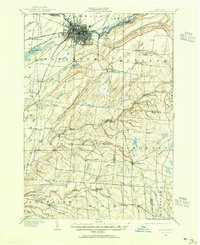 1908 Watertown1955 Print · USGSWatertown and the rural uplands of the Tug Hill region are captured here in the early twentieth century as the railroad era peaked. Genealogists can trace early post offices like Klondike and Whitesville, or locate family sites near Brookside Cemetery.
 - 1909 Map of Watertown
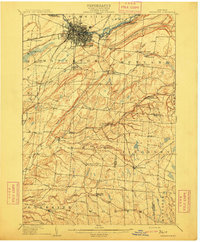 1909 Watertown1909 Print · USGSJefferson County was at its industrial and agrarian height in the early twentieth century, centered on the vital rail hub of Watertown. Local historians can trace family roots through the Middle Road Church or locate vanished post offices like Klondike Worth and Tylerville South Rutland.6 unique versions available
 - 1943 Map of South Rutland, 1954 Print
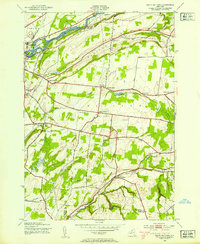 1943 South Rutland1954 Print · USGSJefferson County farming communities and the Black River valley are captured here in the 1940s. Genealogists can trace family footprints at Middle Road Ch, Maple Hill Cem, and numerous schoolhouses from Burrs Mills to South Rutland.2 unique versions available
 - 1948 Map of Black River
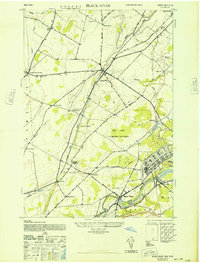 1948 Black River1948 Print · USGSJefferson County was undergoing significant transformation during the late 1940s as military expansion met established agricultural life. Researchers can trace historic family burial sites like Hoover Cem and the rail-side industry at Felts Mills and Evans Mills.
 - 1948 Map of Theresa, 1953 Print
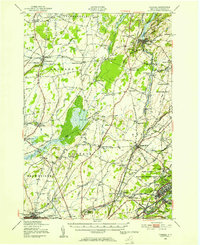 1948 Theresa1953 Print · USGSJefferson County's rural landscape is captured here in the late 1940s as military expansion and river-based industry shaped the region. Researchers can trace family roots through numerous sites like St Marys Cemetery, Bacon School, and the Pine Camp Military Reservation.
 - 1948 Map of Ogdensburg, 1973 Print
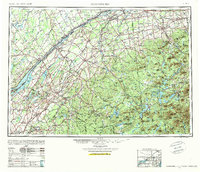 1948 Ogdensburg1973 Print · USGSThe international border along the St Lawrence River comes to life in the late 1940s, showing the vital rail and water connections between New York and Ontario. Researchers can trace the grounds of St Lawrence University, the massive Camp Drum military reservation, and the historic Rideau River and Canal.2 unique versions available
 - 1950 Map of Utica, 1951 Print
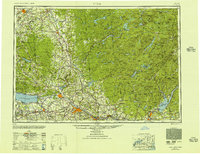 1950 Utica1951 Print · USGSCentral New York in the post-war era showcases the industrial Mohawk Valley and the pristine Adirondack interior. Researchers can trace transportation networks like the New York Central Railroad and find early Cold War sites such as Griffiss Air Force Base.
 - 1951 Map of Ogdensburg
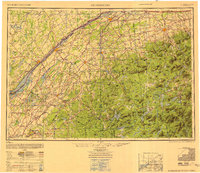 1951 Ogdensburg1951 Print · USGSThe St. Lawrence frontier and the North Country are captured here during the post-war era, from the river ports to the high Adirondacks. Genealogists and historians can trace the rail-and-river economy through Ogdensburg, the Rutland rail lines, and Potsdam.
 - 1953 Map of Ogdensburg
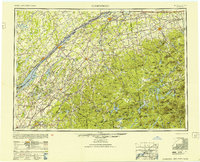 1953 Ogdensburg1953 Print · USGSThe North Country and St. Lawrence Valley are shown here in the early fifties, just as the region’s rail-and-river economy remained in full swing. Genealogists and historians can trace family-named corners and rural hubs along the Rutland railroad or locate heritage sites near Ogdensburg, Potsdam, and the St Regis Indian Reservation.
 - 1957 Map of Utica
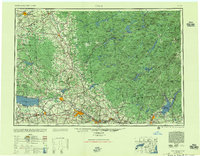 1957 Utica1957 Print · USGSCentral New York and the Adirondack foothills are captured here in the mid-fifties, showing a landscape defined by the Mohawk River corridor and the growing highway system. Genealogists and researchers can trace the rail lines of the New York Central and locate communities from Lowville to Gloversville.
 - 1958 Map of Black River, 1960 Print
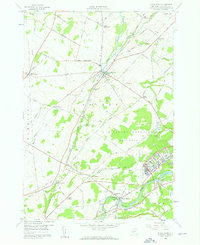 1958 Black River1960 Print · USGSJefferson County during the late fifties shows a landscape of military expansion and rural tradition. Genealogists and historians can trace family-named corners and landmarks like Leray Mansion, Felts Mills, and the Sanford Corners Cem.4 unique versions available
 - 1959 Map of Rutland Center, 1960 Print
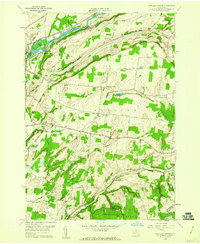 1959 Rutland Center1960 Print · USGSJefferson County dairy lands and upland hollows are captured here in the late fifties, as rural life centered on crossroads like Tylersville and Burrs Mills. Researchers can locate family homesteads near Maple Hill Cem or trace the old New York Central line along the Black River.2 unique versions available
 - 1961 Map of Ogdensburg
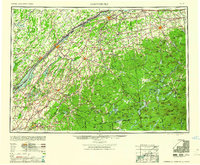 1961 Ogdensburg1961 Print · USGSThe St. Lawrence valley and the Adirondack high country meet in this early sixties survey during a peak era for rail and river commerce. Genealogists and historians can trace the paths of the New York Central railroad through remote settlements like Wanakena, Conifer, and Piercefield.
 - 1962 Map of Utica
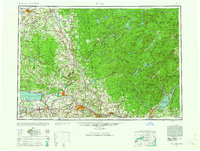 1962 Utica1962 Print · USGSCentral New York and the Adirondack wilderness are captured here during the mid-century era of highway and industrial expansion. Genealogists and historians can trace the development of the New York State Thruway and local rail lines connecting Utica, Rome, and Gloversville.3 unique versions available
 - 1964 Map of Utica
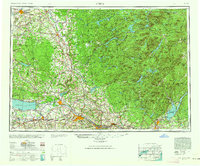 1964 Utica1964 Print · USGSCentral New York and the high wilderness of the Adirondacks are captured here during the post-war era of infrastructure expansion. Researchers can trace the development of the New York State Thruway alongside historic corridors like the Oneida Lake (Barge Canal Route) and the N. Y. Central railroad.
 - 1967 Map of Utica
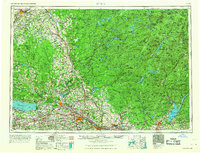 1967 Utica1967 Print · USGSCentral New York's industrial Mohawk Valley meets the Adirondack wilderness in the 1960s, showing the region's transition from manufacturing hubs to state-managed parklands. Trace historic settlements and sites like Griffiss Air Force Base, Colgate University, and the Lyons Falls Paper Mill.
 - 1985 Map of Gouverneur
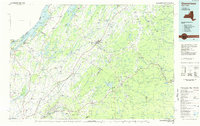 1985 Gouverneur1985 Print · USGSSt. Lawrence and Jefferson Counties are shown in the mid-eighties as a landscape of river-driven industry and expanding military grounds. Genealogists and historians can trace rail lines through Carthage, find local landmarks like Noble Hospital, and locate the boundaries of the Fort Drum Military Reservation.2 unique versions available
 - 1985 Map of Watertown, 1986 Print
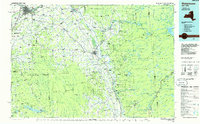 1985 Watertown1986 Print · USGSThe Black River Valley and the western Adirondacks are captured here in the mid-1980s, from the urban streets of Watertown to the remote Stillwater Reservoir. Researchers can trace the Conrail lines through Carthage or locate family landmarks in Lowville, Boonville, and Old Forge.2 unique versions available
 - 2010 Map of Black River, 2010 Print
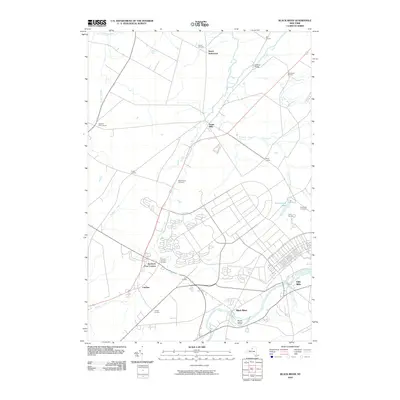 2010 Black River2010 Print · USGSJefferson County’s river valleys and historic crossroads are captured here just before the turn of the decade. Genealogists and local historians can trace family sites at Hoover Cemetery, the grounds of the Leray Mansion, or the early settlement at Dutch Settlement.
 - 2010 Map of Rutland Center, 2010 Print
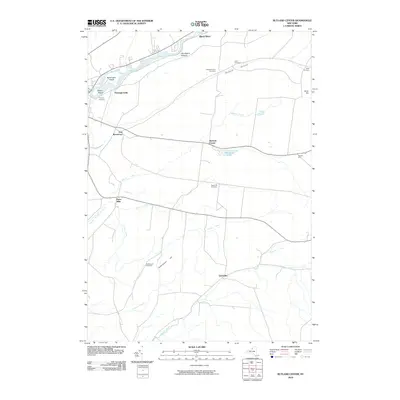 2010 Rutland Center2010 Print · USGSJefferson County during the early twenty-first century reveals a landscape of enduring rural hamlets and upland cemeteries. Genealogists and historians can trace lineage and settlement patterns through landmarks like Calvary Cemetery, Burrs Mills, and Harpers Ferry.
 - 2013 Map of Rutland Center, 2013 Print
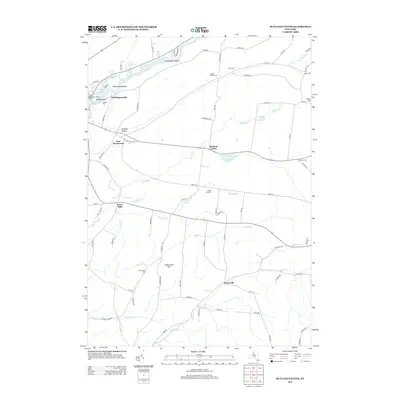 2013 Rutland Center2013 Print · USGSJefferson County’s rural uplands and the southern banks of the Black River are captured here during the early twenty-first century. Genealogists and local historians can locate several family cemeteries, such as Rutland Hollow Cem, and historic hamlets like Burrs Mills and Tylersville.
 - 2013 Map of Black River, 2013 Print
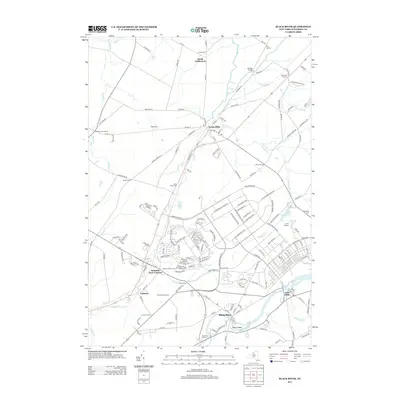 2013 Black River2013 Print · USGSJefferson County's agrarian and riverfront character is captured here in the early twenty-first century. Researchers can trace the heritage of local estates and hamlets through landmarks like Leray Mansion, Dutch Settlement, and Felts Mills.
Showing maps 1-25 of 31
Top cities near Black River
- Le Ray historical maps
- Watertown historical maps
- Watertown historical maps
- Brownville historical maps
- Wilna historical maps
- Adams historical maps
See more
Frequently asked questions
- What are the different types of historical maps available for Black River?
- What is the oldest map of Black River?
- Where can I purchase historical maps of Black River for my home or office?
- Where can I download high-res historical maps of Black River?
- Are there historical topographic maps available for Black River?
- Is there historical aerial imagery available for Black River?
- Where are historical maps of Black River sourced from?