Old Maps of Nassau County, New York for Academic Research
Study the evolution of Nassau County with 153 high-resolution historic maps. Whether you're teaching, researching, or modeling changes in land use, these maps provide essential visual documentation of urban, environmental, and geographic change.
- Analyze long-term change: Track patterns in development, transportation, and natural features.
- Ideal for environmental or urban studies: Support academic projects with primary historical map data.
- Use in the classroom or lab: Educators and researchers rely on these maps to bring historical context to life.
These maps are a powerful tool for teaching, research, and visualizing how Nassau County has changed over the decades.
Nassau County, NY maps
(153)- 1889 Map of Brooklyn
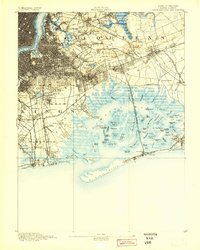 1889 Brooklyn1889 Print · USGSBrooklyn and Queens are shown here in the late nineteenth century as urban grids began to overtake the old farm townships. Genealogists and historians can trace defunct rail lines and early settlements like Winfield Junction, Hollis, and Canarsie Landing.
 - 1891 Map of Brooklyn
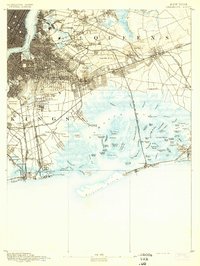 1891 Brooklyn1891 Print · USGSThe Brooklyn and Queens landscape of the early 1890s is captured here at a moment of intense rail-driven growth. Researchers can trace the original shoreline of Jamaica Bay and locate family history in the Navy Yard or at Evergreen Cemetery.
 - 1891 Map of Harlem
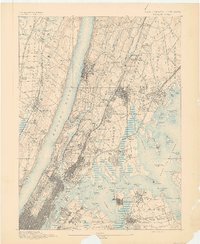 1891 Harlem1891 Print · USGSUpper Manhattan and the Bronx met the burgeoning towns of Westchester and Bergen County in the late 1800s. Researchers can trace the path of the Croton Aqueduct, locate the historic site of Bulls Ferry, and explore the early rail-connected villages of Schraalenburgh and Pelhamville.
 - 1897 Map of Harlem, 1956 Print
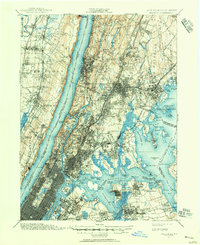 1897 Harlem1956 Print · USGSUpper Manhattan and Westchester thrive at the end of the nineteenth century as rail lines and reservoirs reshape the landscape. Trace early neighborhoods and landmarks like Schraalenburg, Woodlawn Cemetery, and the Jerome Park Reservoir.4 unique versions available
 - 1897 Map of Brooklyn, 1959 Print
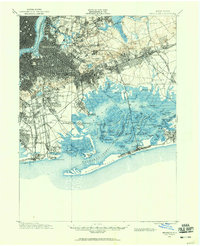 1897 Brooklyn1959 Print · USGSBrooklyn and Queens are captured in the late nineteenth century as rural townships began their rapid transformation into a dense urban landscape. Genealogists can locate family plots in Greenwood Cemetery or trace early neighborhood origins in New Utrecht and Flatbush.3 unique versions available
 - 1897 Map of Hempstead, 1961 Print
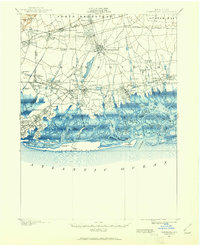 1897 Hempstead1961 Print · USGSNassau County's transition from rural townships to a suburban rail corridor is captured here at the end of the nineteenth century. Genealogists and historians can trace the early footprints of Garden City, find the Camp Meeting Grounds, or locate coastal landmarks like the Long Beach Life Saving Station.
 - 1897 Map of Oyster Bay, 1963 Print
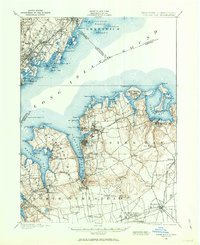 1897 Oyster Bay1963 Print · USGSThe North Shore and Westchester coastline are captured here in the late nineteenth century as maritime trade and rail travel transformed the region. Researchers can trace the early layouts of Sea Cliff, Port Washington, and Larchmont alongside historic navigation aids like Sands Point Light.
 - 1898 Map of Harlem
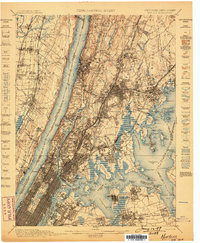 1898 Harlem1898 Print · USGSThe northern reaches of the city and its surrounding suburbs are shown in late-Victorian detail as rail lines expanded across the Hudson. Researchers can trace the early layouts of Woodlawn Cemetery, the site of Grants Tomb, and the fortifications at Fort Schuyler.
 - 1898 Map of Hempstead
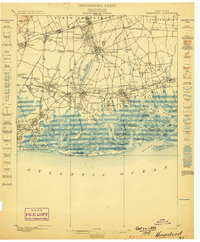 1898 Hempstead1898 Print · USGSNassau County's south shore is meticulously detailed in the 1890s, showing a landscape of burgeoning rail suburbs and intricate salt marshes. Genealogists and historians can trace early settlements like Christian Hook, find family Cem. sites, and locate vanished landmarks such as the Camp Meeting Grounds.
 - 1898 Map of Brooklyn
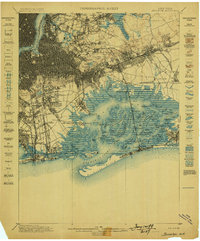 1898 Brooklyn1898 Print · USGSBrooklyn and Queens at the close of the nineteenth century reveal a landscape of growing commuter suburbs and vast, untouched tidal marshes. Genealogists and historians can trace old property boundaries near Greenwood Cemetery or follow the early rail lines through Winfield Junction and Jamaica.
 - 1898 Map of Oyster Bay
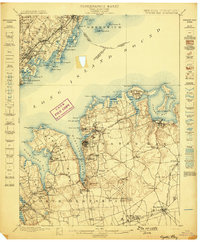 1898 Oyster Bay1898 Print · USGSNassau County and the Westchester shoreline are shown in detail at the end of the century, before the massive population shifts of the next century. Genealogists and maritime historians can trace the early village footprints of Sea Cliff and Oyster Bay, or locate historical markers like the Sands Point Light.
 - 1899 Map of Hempstead
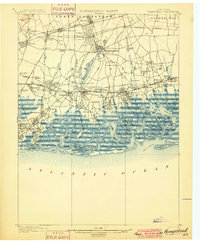 1899 Hempstead1899 Print · USGSThe South Shore of Long Island at the end of the century shows a landscape transitioning from rural townships to connected rail suburbs. Trace early settlement patterns in Hempstead and Rockville Center, or explore the old marshes around Haunts Creek and Barnum Id.
 - 1900 Map of Harlem
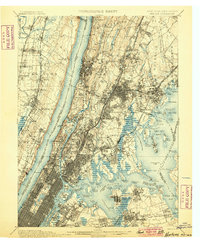 1900 Harlem1900 Print · USGSUpper Manhattan and the surrounding boroughs are shown at a pivotal moment of growth before the mid-century building boom. Genealogists can trace family footprints through the streets of Yonkers Park or locate ancestors in the sprawling Woodlawn Cemetery.16 unique versions available
 - 1900 Map of Brooklyn
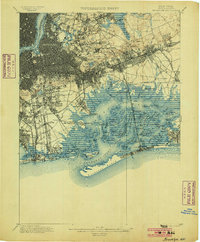 1900 Brooklyn1900 Print · USGSBrooklyn and Queens are shown here at the turn of the century as the urban grid begins to overtake rural villages and coastal marshes. Genealogists can locate family plots in Greenwood Cemetery or Evergreen Cemetery and trace early transit routes like the Electric R.R. and Kings Highway.11 unique versions available
 - 1900 Map of Oyster Bay
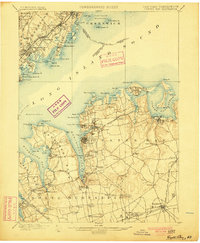 1900 Oyster Bay1900 Print · USGSThe North Shore of Long Island is captured at the turn of the century as its maritime villages and sprawling estates began to transition into refined commuter suburbs. Genealogists can trace property and neighborhood development in Sea Cliff, Glen Cove, and Oyster Bay before the automobile era.15 unique versions available
 - 1901 Map of Babylon, 1958 Print
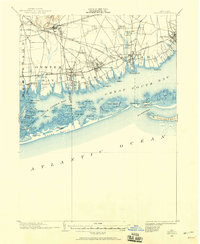 1901 Babylon1958 Print · USGSThe South Shore of Long Island at the turn of the century shows a landscape of rail-linked villages and tidal marshes. Trace early transit hubs like Bethpage Junc. and maritime outposts such as the Zachs Inlet L.S.S. along the coast.
 - 1901 Map of Northport, 1962 Print
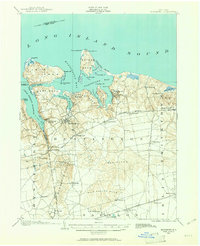 1901 Northport1962 Print · USGSThe North Shore of Long Island is captured here at the turn of the century, showing a landscape defined by deep harbors and maritime navigation. You can trace the early rail routes of the Long Island RR and locate historic coastal landmarks like Eatons Neck L.H. and Fort Salonga.
 - 1903 Map of Babylon
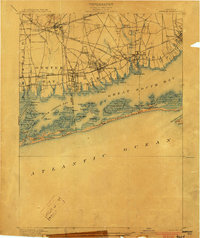 1903 Babylon1903 Print · USGSSouthern Suffolk County coastal life and rail expansion are captured here at the turn of the century. Genealogists and historians can trace early residential clusters around Amityville or locate coastal landmarks like Oak Island L.S.S. and Bethpage Junc.8 unique versions available
 - 1903 Map of Northport
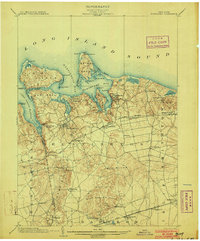 1903 Northport1903 Print · USGSThe North Shore of Long Island at the turn of the century reveals a landscape defined by deep harbors and the expanding railroad. Genealogists and historians can trace the early layouts of Northport and Huntington, or locate landmarks like Eaton Neck L.H. and Kings Park.8 unique versions available
 - 1903 Map of Hempstead
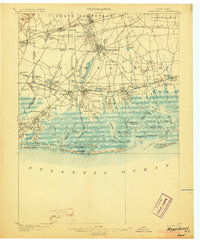 1903 Hempstead1903 Print · USGSSouthern Nassau County at the turn of the century shows a landscape transitioning from rural estates and marshlands to rail-connected villages. Genealogists can trace family footprints in Hempstead or Garden City and locate coastal landmarks like Christian Hook and the Camp Meeting Grounds.9 unique versions available
 - 1904 Map of Islip
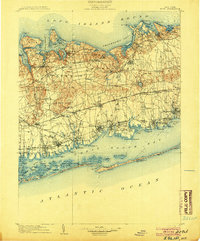 1904 Islip1904 Print · USGSSuffolk County at the start of the century reveals a landscape defined by deep north-shore harbors and the expansive Great South Bay. Genealogists and local historians can trace early rail lines through Kings Park and Stony Brook, or locate the sprawling State Hospital and St. Dominic Convent.5 unique versions available
 - 1919 Map of Babylon
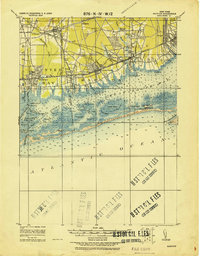 1919 Babylon1919 Print · USGSThe South Shore of Long Island is captured here during a period of steady growth between the world wars. Genealogists and local historians can trace early transportation routes like the Motor Parkway and locate coastal landmarks such as the Oak Island L.S.S. and St. Dominic Convent.
 - 1942 Map of Islip, 1943 Print
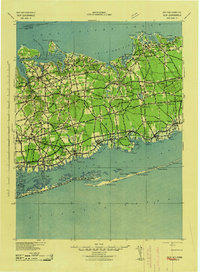 1942 Islip1943 Print · USGSCentral Suffolk County is shown during the early years of the war, as the automobile began to reshape the distance between historic North Shore harbors and the South Shore bays. Researchers can trace the path of the Long Island Motor Parkway, locate family plots at Pinelawn Cem, and identify coastal landmarks like Eaton Neck L H.
 - 1947 Map of Mamaroneck
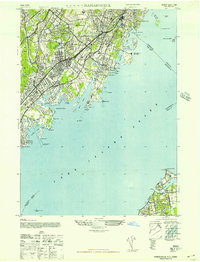 1947 Mamaroneck1947 Print · USGSCoastal Westchester and Nassau Counties are shown here just after the war as the region's grand estates and suburban centers flourished. Genealogists and historians can locate private landmarks like the J P Morgan property, Pratts Estate, and St Thomas Ch.
 - 1947 Map of Hicksville
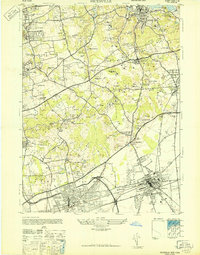 1947 Hicksville1947 Print · USGSMid-century Nassau County is captured here as the storied Gold Coast estates began to meet the expanding suburban reach of Hicksville and Syosset. Genealogists and historians can locate family-named lands like the Davison Estate or visit the T Roosevelt Grave at Young Memorial Cemetery.
Showing maps 1-25 of 153
Top cities of Nassau County
- Hempstead historical maps
- Oyster Bay historical maps
- North Hempstead historical maps
- Long Beach historical maps
- Glen Cove historical maps
- New Hyde Park historical maps
See more
Frequently asked questions
- What are the different types of historical maps available for Nassau County?
- What is the oldest map of Nassau County?
- Where can I purchase historical maps of Nassau County for my home or office?
- Where can I download high-res historical maps of Nassau County?
- Are there historical topographic maps available for Nassau County?
- Is there historical aerial imagery available for Nassau County?
- Where are historical maps of Nassau County sourced from?