Old Maps of Indian Park, Warwick for Academic Research
Study the evolution of Indian Park with 17 high-resolution historic maps. Whether you're teaching, researching, or modeling changes in land use, these maps provide essential visual documentation of urban, environmental, and geographic change.
- Analyze long-term change: Track patterns in development, transportation, and natural features.
- Ideal for environmental or urban studies: Support academic projects with primary historical map data.
- Use in the classroom or lab: Educators and researchers rely on these maps to bring historical context to life.
These maps are a powerful tool for teaching, research, and visualizing how Indian Park has changed over the decades.
Indian Park, Warwick maps
(17)- 1891 Map of Greenwood Lake
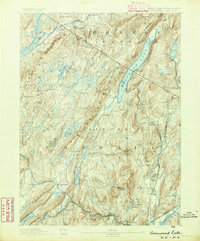 1891 Greenwood Lake1891 Print · USGSThe Highlands of New York and New Jersey are captured here in the late nineteenth century during a peak era of iron mining and rail expansion. Researchers can trace the industrial footprint of the Sterling Furnace, locate family-named mines like Carey Mine, and follow the historic routes of the New York Susquehanna and Western Railroad.
 - 1893 Map of Greenwood Lake
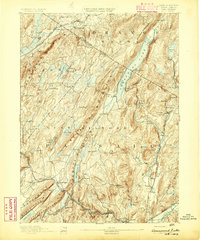 1893 Greenwood Lake1893 Print · USGSThe iron-rich highlands of the New York-New Jersey border come to life in this late-century survey of the lakes and ridges between Passaic and Orange counties. Genealogists and industrial historians can trace the paths of the Sterling Mountain Railroad and find long-established sites like Sterling Furnace or the Layton Mines.6 unique versions available
 - 1903 Map of Greenwood Lake, 1909 Print
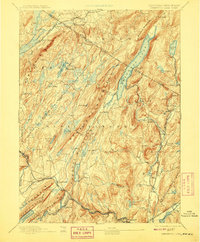 1903 Greenwood Lake1909 Print · USGSThe Highlands of New York and New Jersey are captured here at the height of their industrial era, showing a landscape of iron mines and mountain railroads. Genealogists and historians can locate heritage sites like Sterling Furnace, Dayton Mines, and the rural community of New Newfoundland.
 - 1910 Map of Greenwood Lake
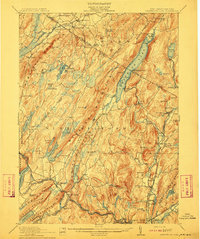 1910 Greenwood Lake1910 Print · USGSThe Highlands of northern New Jersey and southern New York are shown here during a peak era of iron mining and rail expansion. Genealogists and industrial historians can trace the foundations of Sterling Furnace, Charlotteburg Mine, and the New Milford Sta. along the Erie Railroad.9 unique versions available
 - 1943 Map of Greenwood Lake
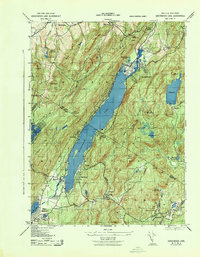 1943 Greenwood Lake1943 Print · USGSGreenwood Lake and the surrounding Highlands are captured during the early 1940s, revealing a landscape defined by iron industry and lakeside settlement. Genealogists and researchers can locate the Ringwood Iron Plant Mine, St Francis School, and the Erie Ringwood Branch railroad.
 - 1950 Map of Scranton, 1952 Print
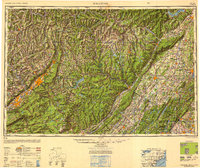 1950 Scranton1952 Print · USGSMid-century Northeast Pennsylvania and the Hudson Valley come alive in this survey of the tri-state region. Genealogists and historians can trace the dense rail networks of the Erie RR and DL&W RR between industrial hubs like Scranton and Wilkes-Barre.
 - 1953 Map of Scranton
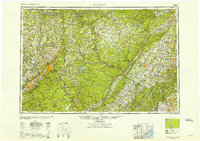 1953 Scranton1953 Print · USGSNortheastern Pennsylvania and the Catskills are shown in great detail during the early fifties, a time when rail lines and river valleys dictated the region's growth. Genealogists and historians can trace the industrial hearts of Scranton and Wilkes-Barre or locate remote landmarks like High Point and Lake Wallenpaupack.
 - 1954 Map of Greenwood Lake, 1956 Print
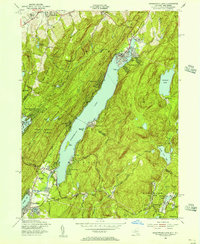 1954 Greenwood Lake1956 Print · USGSGreenwood Lake and the surrounding mountain ridges are shown at a turning point in the mid-1950s as the area shifted from industry to recreation. Genealogists and hikers can trace the Appalachian Trail, locate the Erskine Cem, and find an Iron Mine (Inactive) near the state line.5 unique versions available
 - 1959 Map of Scranton
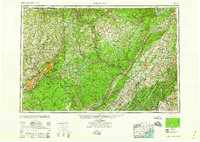 1959 Scranton1959 Print · USGSThe northern coalfields and the Hudson Valley meet in this mid-century survey of the Pennsylvania and New York borderlands. Genealogists and historians can trace the intricate rail networks of the Erie Railroad and the vast waters of Lake Wallenpaupack.2 unique versions available
 - 1962 Map of Scranton, 1977 Print
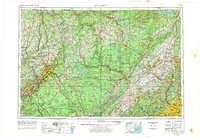 1962 Scranton1977 Print · USGSThe industrial heart of eastern Pennsylvania and the New York Catskills are captured here in the early sixties. Genealogists and historians can trace the dense valley settlements from Scranton to Wilkes-Barre and the rail lines of the Erie Lackawanna Railroad.2 unique versions available
 - 1965 Map of Scranton
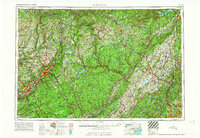 1965 Scranton1965 Print · USGSThe tri-state highlands of Pennsylvania, New York, and New Jersey come alive in the mid-sixties as industry and recreation converge. Trace the intricate rail lines of the Erie Lackawanna RR or locate landmarks like the U S Military Academy.2 unique versions available
 - 1986 Map of Middletown
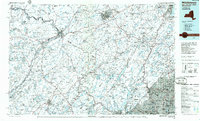 1986 Middletown1986 Print · USGSThe Tri-State region comes alive in the mid-1980s, documenting the corridor from the Hudson River to the Delaware Water Gap. Researchers can trace the sprawling grounds of West Point, the extensive Conrail rail network, and early suburban growth around Middletown and Suffern.2 unique versions available
 - 2011 Map of Greenwood Lake, 2011 Print
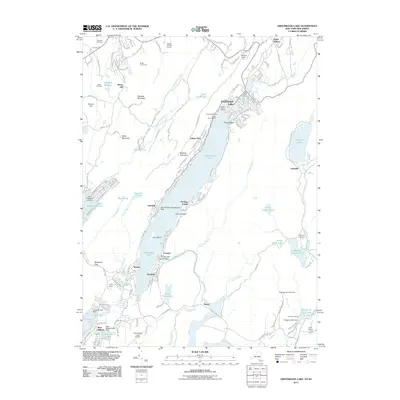 2011 Greenwood Lake2011 Print · USGSGreenwood Lake at the New York and New Jersey border is seen here as a bustling hub of lakeside settlements and mountain recreation. Researchers can trace historic industrial sites like the Ringwood Iron Plant Mine or locate family plots at Erskine Cemetery and Sterling Cemetery.
 - 2013 Map of Greenwood Lake, 2013 Print
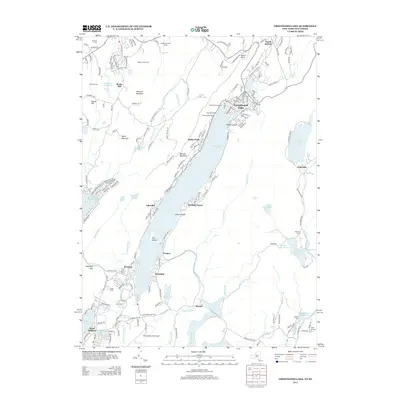 2013 Greenwood Lake2013 Print · USGSThe Greenwood Lake region comes into focus during the early 21st century, showing the established communities and shoreline developments between New York and New Jersey. Genealogists and local historians can trace legacy sites like Warwick Cem, Chapel Island, and the old settlement at Dutch Hollow.
 - 2016 Map of Greenwood Lake, 2016 Print
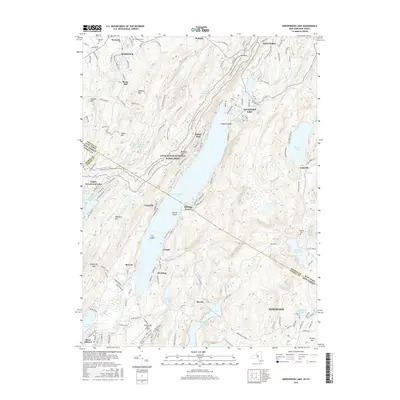 2016 Greenwood Lake2016 Print · USGSCrossing the New York and New Jersey border in the mid-2010s, this survey documents the Highlands region from the village of Warwick down to Ringwood. Genealogists and local historians can trace family sites at Warwick Cem, the Greenwood Lake Airport, and the Appalachian National Scenic Trail.
 - 2019 Map of Greenwood Lake, 2019 Print
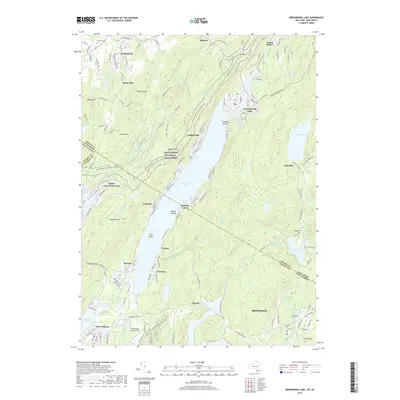 2019 Greenwood Lake2019 Print · USGSGreenwood Lake and its surrounding mountain ridges appear here in the late 2010s, straddling the New York and New Jersey state line. Researchers can locate the Erskine Grave Site, trace the Appalachian National Scenic Trail, and find local burials at Warwick Cemetery.
 - 2023 Map of Greenwood Lake, 2023 Print
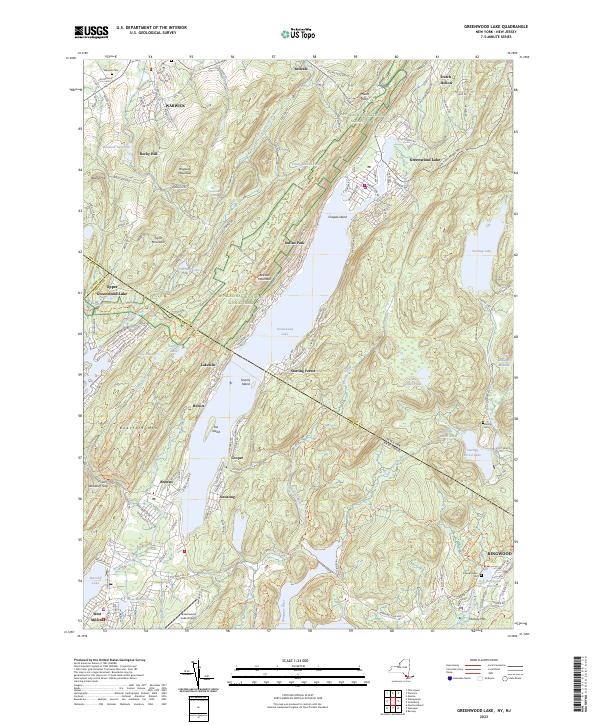 2023 Greenwood Lake2023 Print · USGSCrossing the state line between New York and New Jersey, this recent survey captures the high-country settlements and conservation lands surrounding Greenwood Lake. Genealogists and hikers can trace the Appalachian National Scenic Trail, the Erskine Grave Site, and the historic Ringwood Mill Pond.
End of results
Showing maps 1-17 of 17
Top cities near Indian Park
- Ramapo historical maps
- Wayne historical maps
- Haverstraw historical maps
- Kiryas Joel historical maps
- Palm Tree historical maps
- Warwick historical maps
See more
Frequently asked questions
- What are the different types of historical maps available for Indian Park?
- What is the oldest map of Indian Park?
- Where can I purchase historical maps of Indian Park for my home or office?
- Where can I download high-res historical maps of Indian Park?
- Are there historical topographic maps available for Indian Park?
- Is there historical aerial imagery available for Indian Park?
- Where are historical maps of Indian Park sourced from?