Old Maps of Otto Mills, Redfield for Genealogy
Trace your family roots with 16 historic maps of Otto Mills. These high-res maps reveal old neighborhoods, homesites, landmarks, and streets — helping you uncover where your ancestors lived and how the area evolved over time.
- Explore historic neighborhoods: Identify where your relatives may have lived in the 1800s or 1900s.
- Compare maps over time: Trace the changes in streets, buildings, and landmarks for multi-generational research.
- Perfect for genealogy & ancestry research: Used by family historians and researchers to map out lineage and migration.
These maps are an incredible resource for exploring your personal connection to Otto Mills's past.
Otto Mills, Redfield maps
(16)- 1903 Map of Orwell, 1955 Print
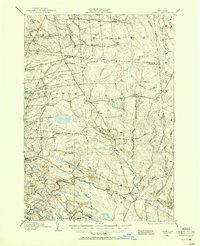 1903 Orwell1955 Print · USGSOswego and Jefferson counties are documented here at the opening of the twentieth century, showing a landscape defined by the Tug Hill drainages. Genealogists and historians can trace the early footprints of Littlejohn Settlement, Otto Mills, and the falls at Stillwater.
 - 1905 Map of Orwell
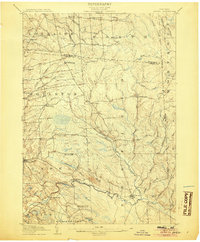 1905 Orwell1905 Print · USGSUpper Oswego and Jefferson counties are shown here in the early nineteen-hundreds as a landscape of remote settlements and river-powered valleys. Genealogists and historians can trace the exact locations of Little John Settlement, the Salmon Falls cataracts, and Bennett Bridge.6 unique versions available
 - 1942 Map of Redfield, 1958 Print
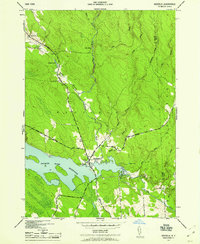 1942 Redfield1958 Print · USGSThe upland township of Redfield and its namesake reservoir are captured here during the early war years as a landscape of rural schools and winding river branches. Researchers can trace local family landmarks and infrastructure including Myrtle Cem, Otto Mills, and the sites of three numbered schoolhouses.
 - 1943 Map of Redfield
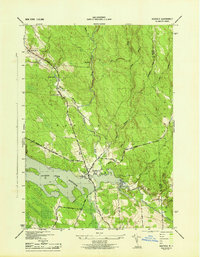 1943 Redfield1943 Print · USGSOswego County's high country during the mid-forties shows a landscape of small mill sites and remote schoolhouses. Trace the early layout of Redfield and Otto Mills, or locate family sites like the Myrtle Cem and School No 9 along the Mad River.
 - 1950 Map of Utica, 1951 Print
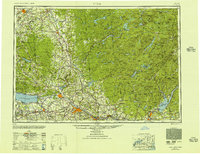 1950 Utica1951 Print · USGSCentral New York in the post-war era showcases the industrial Mohawk Valley and the pristine Adirondack interior. Researchers can trace transportation networks like the New York Central Railroad and find early Cold War sites such as Griffiss Air Force Base.
 - 1957 Map of Utica
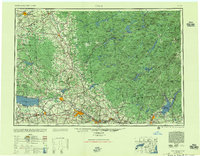 1957 Utica1957 Print · USGSCentral New York and the Adirondack foothills are captured here in the mid-fifties, showing a landscape defined by the Mohawk River corridor and the growing highway system. Genealogists and researchers can trace the rail lines of the New York Central and locate communities from Lowville to Gloversville.
 - 1960 Map of Redfield, 1962 Print
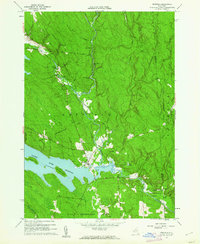 1960 Redfield1962 Print · USGSThe Tug Hill region of New York comes to life in the early sixties, showing the settlement of Redfield and the expansion of the Salmon River Reservoir. Genealogists and local historians can trace the paths of Waterbury Road to find Myrtle Cem or the industrial remnants at Otto Mills.4 unique versions available
 - 1962 Map of Utica
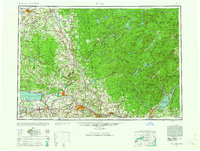 1962 Utica1962 Print · USGSCentral New York and the Adirondack wilderness are captured here during the mid-century era of highway and industrial expansion. Genealogists and historians can trace the development of the New York State Thruway and local rail lines connecting Utica, Rome, and Gloversville.3 unique versions available
 - 1964 Map of Utica
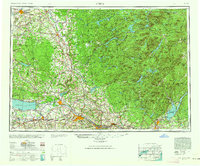 1964 Utica1964 Print · USGSCentral New York and the high wilderness of the Adirondacks are captured here during the post-war era of infrastructure expansion. Researchers can trace the development of the New York State Thruway alongside historic corridors like the Oneida Lake (Barge Canal Route) and the N. Y. Central railroad.
 - 1967 Map of Utica
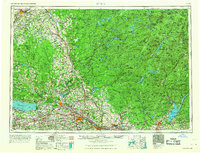 1967 Utica1967 Print · USGSCentral New York's industrial Mohawk Valley meets the Adirondack wilderness in the 1960s, showing the region's transition from manufacturing hubs to state-managed parklands. Trace historic settlements and sites like Griffiss Air Force Base, Colgate University, and the Lyons Falls Paper Mill.
 - 1985 Map of Watertown, 1986 Print
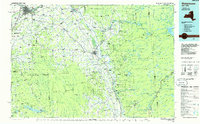 1985 Watertown1986 Print · USGSThe Black River Valley and the western Adirondacks are captured here in the mid-1980s, from the urban streets of Watertown to the remote Stillwater Reservoir. Researchers can trace the Conrail lines through Carthage or locate family landmarks in Lowville, Boonville, and Old Forge.2 unique versions available
 - 2010 Map of Redfield, 2010 Print
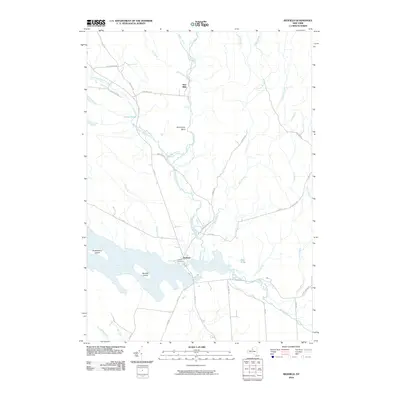 2010 Redfield2010 Print · USGSOswego County’s highlands are captured in the early 2000s, centered on the settlement of Redfield and the sprawling Salmon River Reservoir. Trace local history through family-named routes and landmarks like Otto Mills, Myrtle Cemetery, and the Mad River Falls.
 - 2013 Map of Redfield, 2013 Print
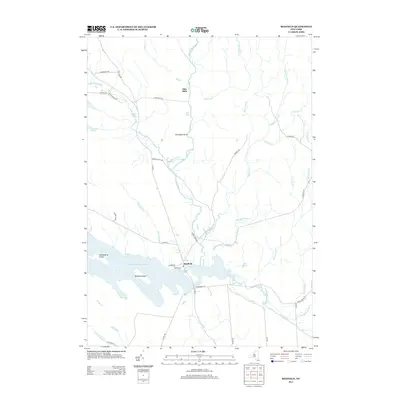 2013 Redfield2013 Print · USGSRedfield and the surrounding Oswego County highlands are shown here just after the first decade of the millennium. Researchers can trace family sites near Myrtle Cem, locate the hamlet of Otto Mills, or explore the shores of the Salmon River Reservoir.
 - 2016 Map of Redfield, 2016 Print
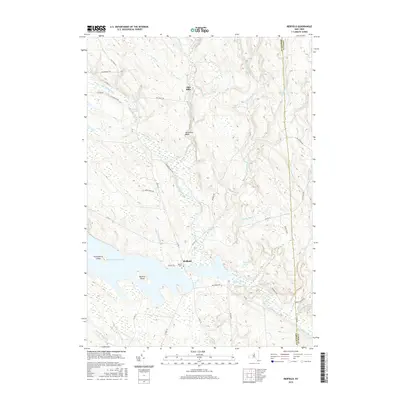 2016 Redfield2016 Print · USGSThe village of Redfield and the Salmon River Reservoir are the centerpieces of this 2016 survey of the Oswego and Lewis County border. Trace the local geography around Otto Mills, find the Myrtle Cem, or explore landmarks like Mad River Falls.
 - 2019 Map of Redfield, 2019 Print
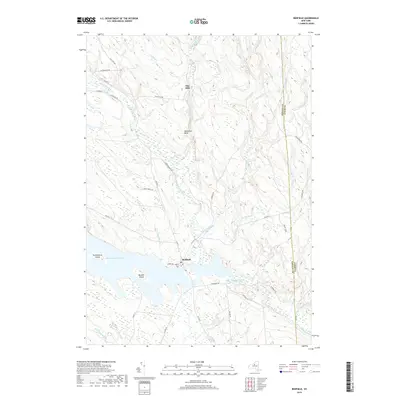 2019 Redfield2019 Print · USGSRedfield and the surrounding Tug Hill wilderness are shown here in the modern era as the Salmon River Reservoir dominates the southern landscape. Genealogists and hikers can trace the shoreline to Burdick Island or locate the site of Otto Mills and Myrtle Cem.
 - 2023 Map of Redfield, 2023 Print
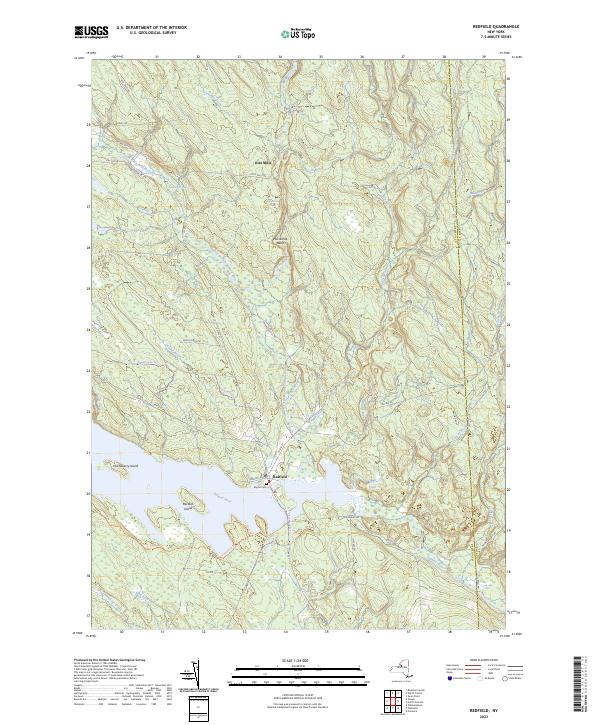 2023 Redfield2023 Print · USGSThe Salmon River watershed in Oswego County comes into sharp focus during the 2020s, showing the intersection of river islands and rural settlements. Researchers can locate Myrtle Cem and trace the winding paths of Mad River and Cold Brook.
End of results
Showing maps 1-16 of 16
Top cities near Otto Mills
- Richland historical maps
- Adams historical maps
- Camden historical maps
- Sandy Creek historical maps
- Ellisburg historical maps
- Annsville historical maps
See more
Frequently asked questions
- What are the different types of historical maps available for Otto Mills?
- What is the oldest map of Otto Mills?
- Where can I purchase historical maps of Otto Mills for my home or office?
- Where can I download high-res historical maps of Otto Mills?
- Are there historical topographic maps available for Otto Mills?
- Is there historical aerial imagery available for Otto Mills?
- Where are historical maps of Otto Mills sourced from?