1930s Maps of Bardonia, Clarkstown
Explore 7 historic maps of Bardonia from the 1930s. These maps offer a rare glimpse into what life looked like during the 1930s — showing old roads, neighborhoods, homes, and landmarks that have changed or disappeared over time.
Whether you're researching your family's past, planning a metal detecting trip, or studying how Bardonia's landscape evolved across the 1930s, these high-resolution maps are a powerful tool for exploring the history of this region.
- Focus on a specific era: All maps on this page are from the 1930s, giving you a focused view of this time period.
- See what’s changed: Compare century-old streets, trails, and buildings to today's modern landscape using overlays and satellite layers.
- Research with precision: Use these maps for genealogy, historical research, land use analysis, or educational projects.
- View, download, or print: Maps are fully viewable online in high resolution, and can be downloaded or printed for your own records.
Start exploring Bardonia's history through authentic maps from the 1930s. This is your window into the past.
Bardonia, Clarkstown maps
(7)- 1931 Map of Ramapo
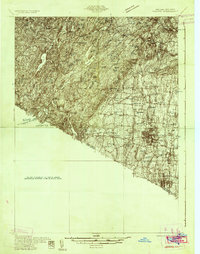 1931 Ramapo1931 Print · USGSRockland County in the late twenties and early thirties shows a unique mix of expanding suburban rail towns and state park wilderness. Genealogists and historians can trace Letchworth Village, the old Hogan Kamp Mine, and early schools like Bardonia Sch.3 unique versions available
 - 1934 Map of Park Ridge
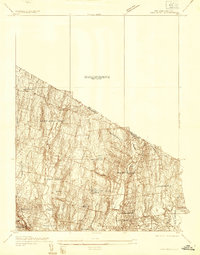 1934 Park Ridge1934 Print · USGSBergen County settlements were evolving into distinct residential hubs during the mid-1930s. Researchers can trace early infrastructure and local landmarks like Villa Maria Clare, the Western Reservoir, and the estates of Saddle River.
 - 1937 Map of Nyack
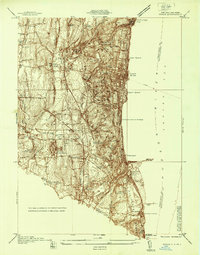 1937 Nyack1937 Print · USGSRockland County’s riverfront and wooded interior are shown here in the late 1930s as the rail-and-river economy remained in full swing. Genealogists and historians can trace family locations near the Rockland State Hospital, Piermont, and the St Catharines Cem.
 - 1937 Map of Tarrytown
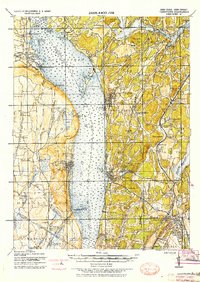 1937 Tarrytown1937 Print · USGSThe Hudson River valley during the 1930s serves as a busy corridor of rail, water, and infrastructure. Genealogists and local historians can trace the old landings at Waldberg Landing, the grounds of the State Prison in Ossining, and the rail lines through Nyack.
 - 1938 Map of Haverstraw
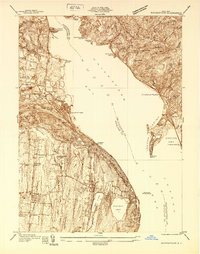 1938 Haverstraw1938 Print · USGSThe lower Hudson River corridor comes alive in this late 1930s survey of the bustling industrial and commuter towns along the riverbanks. Researchers can trace the path of the West Shore RR, find family roots at St Peters Cem, or locate the New York Reconstruction Home.
 - 1938 Map of Ramapo
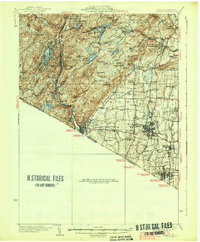 1938 Ramapo1938 Print · USGSRockland County in the late 1930s is revealed here as a landscape of institutional campuses, rail-side villages, and emerging parklands. Genealogists can trace family connections at Letchworth Village, St Agatha Home, and vanished hamlets like Sandyfield or Johnsontown.3 unique versions available
 - 1939 Map of Park Ridge
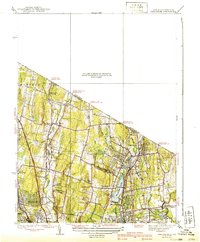 1939 Park Ridge1939 Print · USGSNorthwestern Bergen County and the New York state line are captured here during a period of steady suburban development along the rail lines. Trace the early layout of Montvale and Park Ridge or locate landmarks like Zion Tabernacle and Woodcliff Lake.2 unique versions available
End of results
Showing maps 1-7 of 7
Top cities near Bardonia
- New York historical maps
- North Hempstead historical maps
- Yonkers historical maps
- Ramapo historical maps
- Paterson historical maps
- Greenburgh historical maps
See more
Top neighborhoods of Bardonia
Frequently asked questions
- What are the different types of historical maps available for Bardonia?
- What is the oldest map of Bardonia?
- Where can I purchase historical maps of Bardonia for my home or office?
- Where can I download high-res historical maps of Bardonia?
- Are there historical topographic maps available for Bardonia?
- Is there historical aerial imagery available for Bardonia?
- Where are historical maps of Bardonia sourced from?