Old Maps of Gilboa, New York for Hiking & Exploration
Hike through history with 46 historic maps of Gilboa. Explore old trails, ghost towns, and forgotten backroads — perfect for outdoor adventurers and local explorers.
- Rediscover forgotten places: Map out old mining camps, roads, and footpaths that no longer exist on modern maps.
- Layer with modern tools: Combine with LiDAR or satellite views to plan hikes through historical terrain.
- Made for exploration: Popular among hikers, overlanders, and local history lovers.
Use these maps to find adventure and explore the hidden past of Gilboa.
Gilboa, NY maps
(46)- 1898 Map of Schoharie, 1963 Print
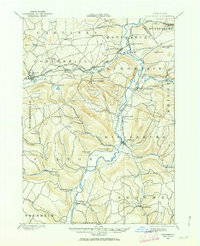 1898 Schoharie1963 Print · USGSSchoharie County in the late nineteenth century was a landscape of vital river valleys and developing rail lines. Local historians can trace the paths of the Delaware and Hudson RR or locate old hamlets like Breakabeen and Fultonham.
 - 1900 Map of Schoharie
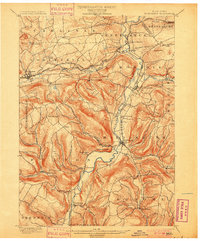 1900 Schoharie1900 Print · USGSSchoharie County at the turn of the century shows a landscape defined by the winding Schoharie Creek and vital rail connections. Genealogists can trace family roots through specific locations like Howe Cave, Mineral Springs, and the various stops along the Middleburg and Schoharie RR.8 unique versions available
 - 1901 Map of Gilboa, 1961 Print
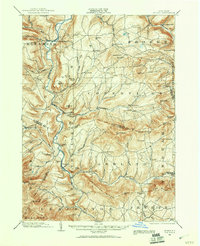 1901 Gilboa1961 Print · USGSThe northern Catskills at the start of the twentieth century reveal a landscape of river-valley hamlets and high mountain peaks. Genealogists and historians can trace original homesteads near Gilboa, Prattsville, and Livingstonville, or find landmarks like Pratt Rocks.
 - 1903 Map of Gilboa
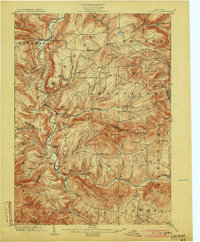 1903 Gilboa1903 Print · USGSThe Schoharie Valley at the turn of the century shows a landscape of clustered hamlets and prominent mountain peaks before major regional changes. Researchers can trace the layout of early settlements like Gilboa and Prattsville, or locate family landmarks such as Pratt Rocks and Manorkill Falls.9 unique versions available
 - 1904 Map of Hobart
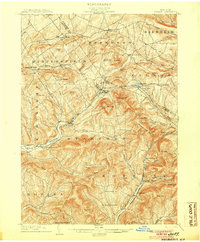 1904 Hobart1904 Print · USGSThe northern Catskills and Delaware River headwaters come to life in this study of the region just after the turn of the century. You can trace the Ulster and Delaware rail line through high-elevation settlements like Stamford, Hobart, and Roxbury.5 unique versions available
 - 1943 Map of Breakabeen, 1959 Print
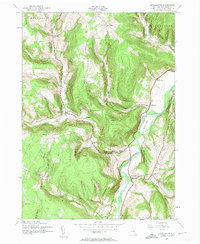 1943 Breakabeen1959 Print · USGSSchoharie County in the 1940s is captured here in the transition from traditional valley farming to modern rural life. Genealogists can trace family homes near Vintonton, locate the Fulton Hill Cem, or explore the riverside layout of Breakabeen.5 unique versions available
 - 1945 Map of Gilboa, 1946 Print
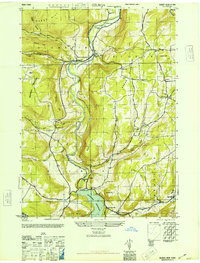 1945 Gilboa1946 Print · USGSSchoharie County in the mid-1940s shows a landscape reshaped by water engineering and the Schoharie Creek valley. Genealogists and local historians can trace family plots at Shafer Cem or locate the old Central Sch near the rising Schoharie Reservoir.5 unique versions available
 - 1945 Map of Stamford, 1960 Print
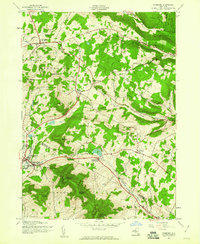 1945 Stamford1960 Print · USGSUpper Delaware valley life is captured here in the mid-1940s, as mountain agriculture and the railroad defined the border of Schoharie and Delaware counties. Researchers can trace the NEW YORK CENTRAL line to South Gilboa Station or locate family plots at Evergreen Cem and Blenheim Hill Cem.4 unique versions available
 - 1945 Map of Prattsville, 1960 Print
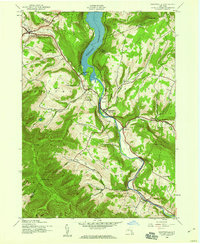 1945 Prattsville1960 Print · USGSThe northern Catskills appear here in the mid-1940s as a landscape of steep ridges and valley settlements tied to the Schoharie Creek. Researchers can trace rural life through sites like School No 1 or family burial grounds such as Huntersfield Cem and Rappleyea Cem.3 unique versions available
 - 1945 Map of Livingstonville, 1966 Print
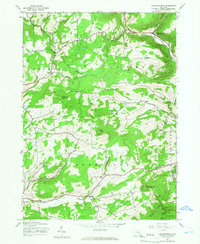 1945 Livingstonville1966 Print · USGSSchoharie County's mountain valleys were still defined by a network of one-room schoolhouses and small hamlets in the mid-1940s. Researchers can trace ancestral sites like Scott Patent Ch or locate rural districts such as School No 8 and School No 13.2 unique versions available
 - 1946 Map of Stamford
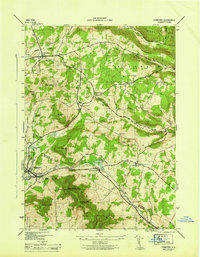 1946 Stamford1946 Print · USGSSchoharie and Delaware counties are shown at the end of the war, where mountain farming and rail transport define the Catskill foothills. Locate old family landmarks like Choate Cem, the South Gilboa Sta, and the high lookout on Utsayantha Mtn.
 - 1946 Map of Breakabeen
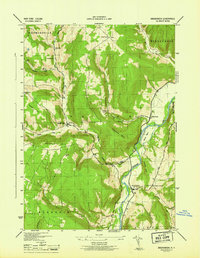 1946 Breakabeen1946 Print · USGSSchoharie County in the mid-1940s is captured here in a transition between its agricultural past and forested future. Researchers can trace family sites from Housons Corners to West Fulton, or locate remote landmarks like Fulton Hill Cem and Boucks Falls.
 - 1946 Map of Prattsville
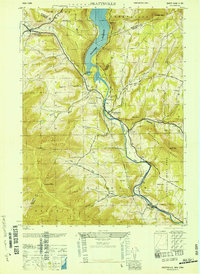 1946 Prattsville1946 Print · USGSThe Catskills in the 1940s reveal a landscape of high peaks and managed waters. Genealogists can trace family roots through numerous small burial grounds like Fairlawn Cem and Huggins Cem, or locate local landmarks like School No 1.
 - 1946 Map of Livingstonville
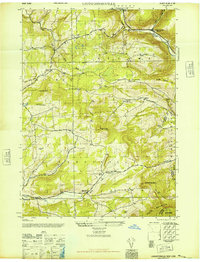 1946 Livingstonville1946 Print · USGSThe Schoharie and Albany county borders meet here in the mid-1940s, showing a landscape of high Catskill peaks and narrow creek valleys. Researchers can locate family roots via several rural schoolhouses and cemeteries like Keyser Cem and School No 12.
 - 1948 Map of Binghamton, 1980 Print
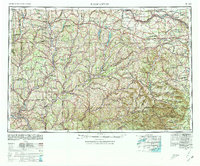 1948 Binghamton1980 Print · USGSCentral New York and the Southern Tier thrive in the late 1940s as a hub of rail traffic and mountain industry. Researchers can trace historic transit lines like the Erie Railroad through Binghamton or find old valley settlements near Oneonta and Delhi.
 - 1950 Map of Binghamton
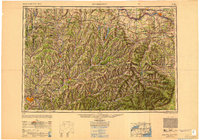 1950 Binghamton1950 Print · USGSBinghamton and the surrounding Southern Tier are shown in the mid-century era, highlighting the intricate rail and river networks that drove local industry. Researchers can trace the path of the Erie Railroad and locate landmarks from Otsego Lake to Sidney Mountain.2 unique versions available
 - 1958 Map of Binghamton
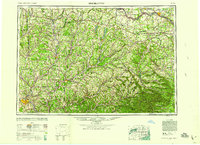 1958 Binghamton1958 Print · USGSCentral New York in the late fifties was a network of manufacturing cities and river valleys connected by vital rail lines. Genealogists and historians can trace family roots in Oneonta, Norwich, and Cooperstown or locate long-standing farms along Schoharie Creek.
 - 1962 Map of Livingstonville
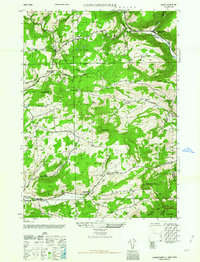 1962 Livingstonville1962 Print · USGSSchoharie County's southern highlands are documented here as they appeared in the 1940s and 50s, centered on the Catskill Creek valley. Genealogists can locate family landmarks like the Ellis Cem, Scott Patent Ch, and numerous rural schools from Conesville to Broome Center.
 - 1963 Map of Binghamton
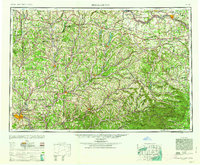 1963 Binghamton1963 Print · USGSThe Southern Tier and Catskill peaks are shown in the early sixties as new reservoirs reshaped the valleys. Trace historic rail corridors like the Erie Lackawanna RR and explore lakeside settlements such as Cooperstown and Oneonta.
 - 1985 Map of Amsterdam, 1986 Print
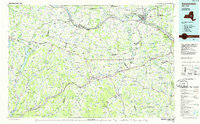 1985 Amsterdam1986 Print · USGSUpstate New York in the mid-1980s reveals a landscape defined by historic river valleys and expanding interstate corridors. Researchers can trace family sites near Stone Arabia Cemetery or explore the civic centers of Amsterdam and Cooperstown near Otsego Lake.2 unique versions available
 - 1986 Map of Pepacton Reservoir
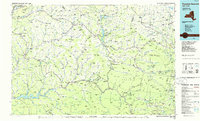 1986 Pepacton Reservoir1986 Print · USGSThe Catskills in the mid-eighties show a landscape shaped by the Pepacton Reservoir and protected wilderness. Local historians can trace mountain rail corridors like the Delaware & Ulster RR and locate high-elevation landmarks from Slide Mountain to Hunter Mountain.2 unique versions available
 - 2010 Map of Gilboa, 2010 Print
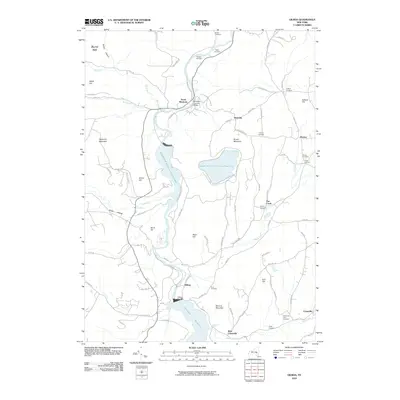 2010 Gilboa2010 Print · USGSSchoharie County water management and rural hamlets are centered here in the late twenty-teens. Genealogists can trace family heritage through numerous burial sites like Shafer Cemetery and Patrie Cemetery, or find historic landmarks like the Blenheim Covered Bridge.
 - 2010 Map of Prattsville, 2010 Print
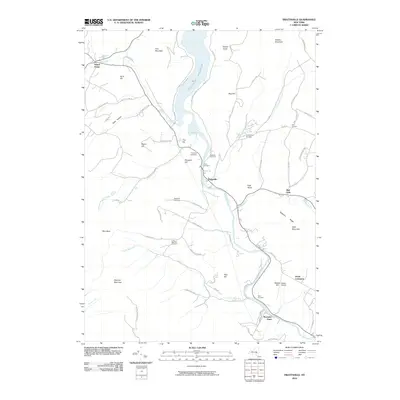 2010 Prattsville2010 Print · USGSThe northern Catskills appear in great detail here, centered on the Prattsville valley and the Schoharie Reservoir. Genealogists and local historians can locate numerous family burial sites like Huggins Cemetery and landmarks such as Hardenburgh Falls or Maben Airport.
 - 2010 Map of Stamford, 2010 Print
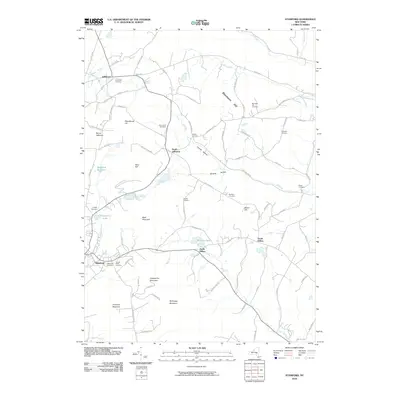 2010 Stamford2010 Print · USGSThe northern Catskills at the turn of the millennium are shown here as a landscape of high ridges and secluded valley hamlets. Genealogists can trace family lines through several hilltop burial grounds like Blenheim Hill Cemetery and Shew Cemetery near Utsayantha Lake.
 - 2010 Map of Livingstonville, 2010 Print
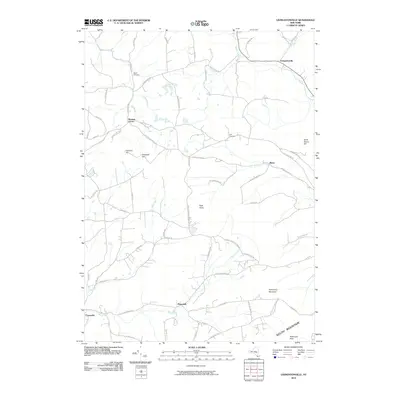 2010 Livingstonville2010 Print · USGSThe hill country of Greene and Schoharie Counties remains a landscape of winding creek valleys and high peaks at the start of the 21st century. Researchers can trace rural lineages at Keyser Cemetery or follow old routes through Bates and Broome Center.
Showing maps 1-25 of 46
Top cities near Gilboa
- Cobleskill historical maps
- Middletown historical maps
- Middleburgh historical maps
- Schoharie historical maps
- Hunter historical maps
- Berne historical maps
See more
Top neighborhoods of Gilboa
- Flat Creek historical maps
- Mackey historical maps
- South Gilboa historical maps
- South Gilboa historical maps
- Broome Center historical maps
- Owlsville historical maps
Frequently asked questions
- What are the different types of historical maps available for Gilboa?
- What is the oldest map of Gilboa?
- Where can I purchase historical maps of Gilboa for my home or office?
- Where can I download high-res historical maps of Gilboa?
- Are there historical topographic maps available for Gilboa?
- Is there historical aerial imagery available for Gilboa?
- Where are historical maps of Gilboa sourced from?