Old Maps of Ditch Plains, Montauk
Explore 15 old maps of Ditch Plains, spanning from 1904 to today. These high-resolution historic maps reveal how streets, neighborhoods, landmarks, and natural features evolved over time — perfect for genealogy, metal detecting, research, and local history exploration.
What you can do with these maps:
- See how Ditch Plains changed over time: Compare historical maps to modern-day views to trace roads, homesites, rail lines & more.
- View detailed metadata: Each map includes creators, publishers, year, scale, and archive source.
- Overlay maps with satellite & LiDAR: Visualize the past alongside modern tools to explore terrain & human change.
- Trusted historical sources: Maps sourced from the USGS, Library of Congress, and other archives.
- Access maps your way: View online, download high-res files, or order prints for personal or research use.
Start exploring old maps of Ditch Plains to uncover forgotten places, hidden landmarks, and the deep history beneath your feet.
Ditch Plains, Montauk maps
(15)- 1904 Map of Montauk
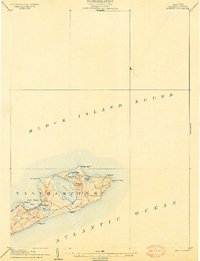 1904 Montauk1904 Print · USGSThe tip of Long Island at the turn of the century is a maritime frontier where the railway meets the Atlantic. Researchers can trace the early layout of Montauk, the vital Montauk Point L.H., and coastal life-saving stations like Ditch Plain L.S.S.6 unique versions available
 - 1942 Map of Montauk Point
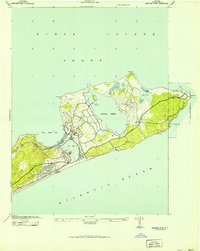 1942 Montauk Point1942 Print · USGSThe tip of Long Island comes into focus during the early 1940s as a vital coastal and maritime hub. Researchers can trace the Long Island railroad line to its terminus and locate specific landmarks like the Lighthouse and Ditch Plain LSS.
 - 1942 Map of Block Island, 1943 Print
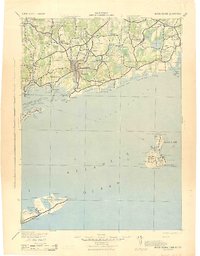 1942 Block Island1943 Print · USGSThe coastal borderlands of Rhode Island and Connecticut are captured here during the wartime years, documenting a landscape defined by rail and sea. Researchers can trace the NY NH & H RR through historic mill villages or locate landmarks like the Silex Mine and Indian Burying Hill.2 unique versions available
 - 1947 Map of Providence, 1948 Print
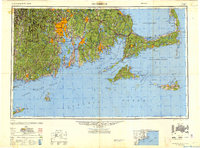 1947 Providence1948 Print · USGSSouthern New England is captured in the mid-1940s, showing a landscape defined by busy industrial ports and expanding military installations. Researchers can trace the rail lines of the N.Y. N.H. & H. RR or locate coastal defenses like Fort Adams and Quonset Point.5 unique versions available
 - 1948 Map of Providence, 1951 Print
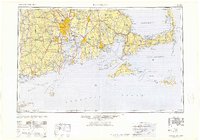 1948 Providence1951 Print · USGSSouthern New England’s coastal reaches are captured here in the late 1940s, from the industrial heart of Providence to the tip of Provincetown. Genealogists and historians can trace rail lines like the Central Vermont Railway and locate active military sites such as Otis Air Force Base and Fort Rodman.
 - 1956 Map of Montauk Point, 1957 Print
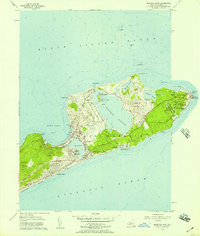 1956 Montauk Point1957 Print · USGSThe tip of Long Island in the mid-fifties shows a unique blend of seasonal retreat and military defense. Researchers can trace the end of the Long Island Railroad at Montauk Sta and locate the Lighthouse at the edge of Montauk Point.2 unique versions available
 - 1957 Map of Providence
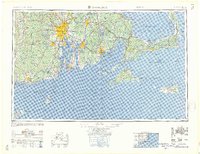 1957 Providence1957 Print · USGSCoastal New England at the height of the mid-century era shows a landscape shaped by maritime industry and Cold War defense. Genealogists and historians can trace the reach of the New York, New Haven & Hartford RR and locate legacy sites like Fort Adams and Quonset Point Naval Air Station.
 - 1958 Map of Providence
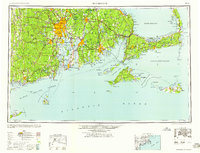 1958 Providence1958 Print · USGSThe Rhode Island and Massachusetts coastlines are shown in detail during the late 1950s, from the urban cores to the tips of the islands. Researchers can trace the mid-century footprint of Quonset Point Naval Air Station, the defense works at Fort Adams, and the rail network of the New York, New Haven and Hartford RR.
 - 1963 Map of Providence
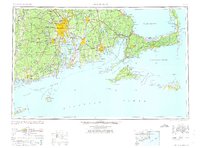 1963 Providence1963 Print · USGSSouthern New England's coastal and industrial heartland is captured here in the early sixties, from the Rhode Island mainland to the far reaches of the Cape. Researchers can trace mid-century growth in Providence or locate landmarks on Marthas Vineyard and Nantucket Island.
 - 1984 Map of Block Island
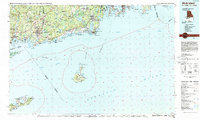 1984 Block Island1984 Print · USGSThe coastal borderlands of Rhode Island, Connecticut, and New York are captured here in the mid-eighties, from the rail hubs of Westerly to the shores of Block Island. Genealogists and historians can trace the shoreline's evolution through landmarks like the Pequot Indian Res, New Shoreham, and Narragansett Pier.
 - 2010 Map of Montauk Point, 2010 Print
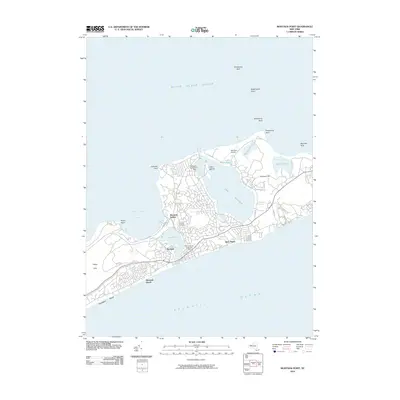 2010 Montauk Point2010 Print · USGSMontauk at the opening of the 21st century remains a vital maritime and transportation hub on the eastern end of Long Island. Researchers can trace the local infrastructure from the Montauk Station to the Montauk Seaplane Base and Fort Hill Cemetery.
 - 2013 Map of Montauk Point, 2013 Print
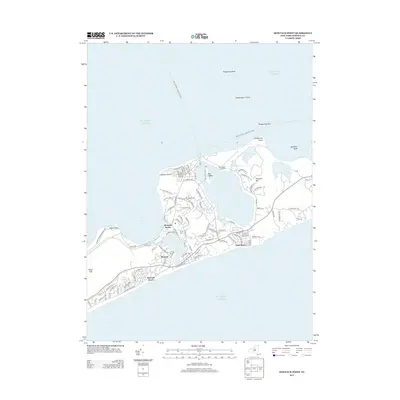 2013 Montauk Point2013 Print · USGSThe tip of Long Island comes into focus in this recent survey of the maritime community at the edge of the Atlantic. Genealogists and local historians can trace the roads of Montauk Beach, locate the Ft Hill Cem, and explore the waterfronts of Lake Montauk and Fort Pond Bay.
 - 2016 Map of Montauk Point, 2016 Print
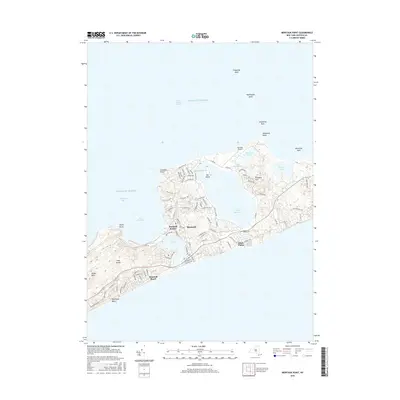 2016 Montauk Point2016 Print · USGSThe tip of Long Island is captured here in the mid-2010s, showing the settled landscape from the railroad terminus to the outer points. Trace the coastal growth of Montauk Beach, locate the Fort Hill Cem, and explore the docks at Montauk Harbor.
 - 2019 Map of Montauk Point, 2019 Print
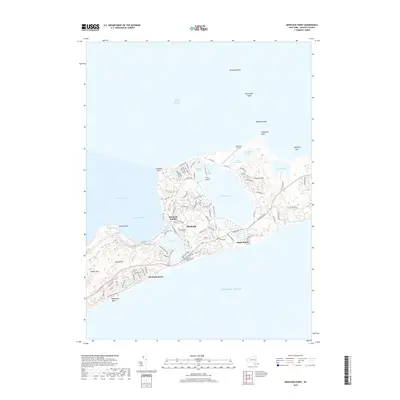 2019 Montauk Point2019 Print · USGSThe tip of Long Island comes alive in this contemporary survey of the eastern coast during a period of modern recreational growth. Trace the maritime landscape from the Montauk Station rail line to coastal landmarks like Ditch Plains and Fort Hill Cem.
 - 2023 Map of Montauk Point, 2023 Print
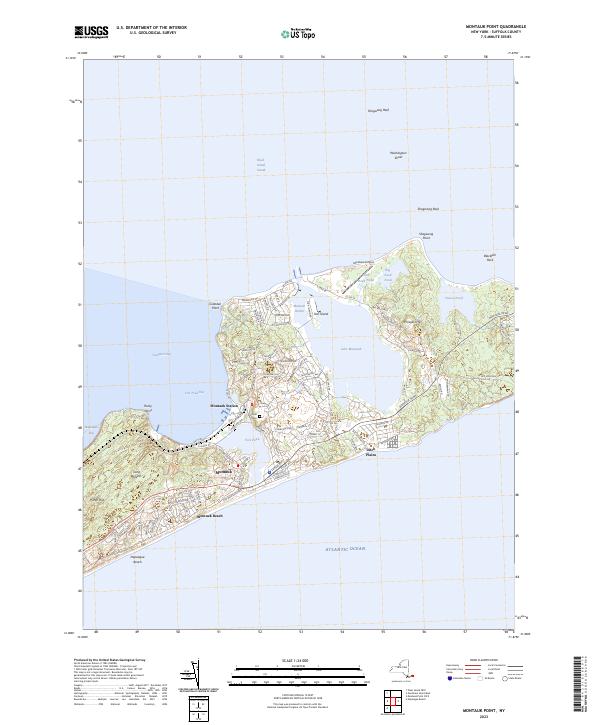 2023 Montauk Point2023 Print · USGSEastern Long Island at the 2020s shows a landscape defined by maritime heritage and glacial ponds. Researchers can trace the rail terminus at Montauk Station, the local airfield at Montauk Airport, and the historic Fort Hill Cem.
End of results
Showing maps 1-15 of 15
Top cities near Ditch Plains
- East Hampton historical maps
- Southold historical maps
- Springs historical maps
- Montauk historical maps
- Amagansett historical maps
- Fishers Island historical maps
See more
Frequently asked questions
- What are the different types of historical maps available for Ditch Plains?
- What is the oldest map of Ditch Plains?
- Where can I purchase historical maps of Ditch Plains for my home or office?
- Where can I download high-res historical maps of Ditch Plains?
- Are there historical topographic maps available for Ditch Plains?
- Is there historical aerial imagery available for Ditch Plains?
- Where are historical maps of Ditch Plains sourced from?