Old Maps of Sixth Siding, North Carolina for Academic Research
Study the evolution of Sixth Siding with 13 high-resolution historic maps. Whether you're teaching, researching, or modeling changes in land use, these maps provide essential visual documentation of urban, environmental, and geographic change.
- Analyze long-term change: Track patterns in development, transportation, and natural features.
- Ideal for environmental or urban studies: Support academic projects with primary historical map data.
- Use in the classroom or lab: Educators and researchers rely on these maps to bring historical context to life.
These maps are a powerful tool for teaching, research, and visualizing how Sixth Siding has changed over the decades.
Sixth Siding, NC maps
(13)- 1914 Map of Belhaven
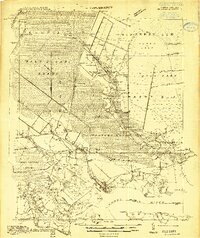 1914 Belhaven1914 Print · USGSIn the decade before the Great War, the North Carolina coast was a landscape of timber trams and swamp landings. Researchers can trace the John L. Roper Lumber Co. Tram and locate family landmarks like Morrisons Store and Lower Pungo School.
 - 1916 Map of Belhaven
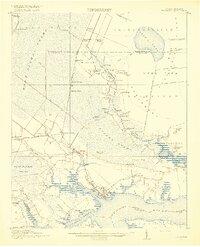 1916 Belhaven1916 Print · USGSCoastal Beaufort County comes to life in the years before World War I, when the Pungo River landings were essential hubs. Genealogists can trace family roots through rural schools like Haslin School and rail stops like Bishops Cross or Pungo P.O.3 unique versions available
 - 1943 Map of Plymouth
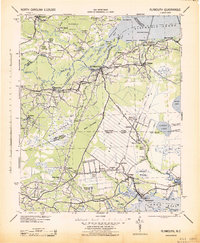 1943 Plymouth1943 Print · USGSThe coastal plains and swamps of eastern North Carolina are captured here during the wartime era, showing a landscape defined by river navigation and drainage canals. Genealogists can trace family roots through rural landmarks like Ellis Store, St Lukes Ch, and small rail stops such as Acre Sta.
 - 1953 Map of Rocky Mount, 1964 Print
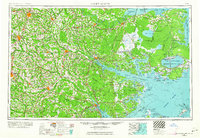 1953 Rocky Mount1964 Print · USGSEastern North Carolina in the mid-fifties is defined by its deep river basins and the vast wetlands of the Tidewater. Genealogists can trace family roots through hubs like Kinston and New Bern or explore the wilderness of Pettigrew State Park and Lake Mattamuskeet.4 unique versions available
 - 1954 Map of Rocky Mount
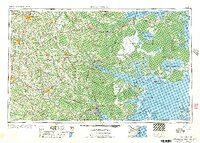 1954 Rocky Mount1954 Print · USGSEastern North Carolina is mapped in the mid-fifties, showing a landscape of sounds, swamps, and steam-era rail lines. Genealogists can trace the rural road networks and rail spurs connecting towns like Tarboro, Greenville, and the remote Columbia.
 - 1954 Map of Pike Road, 1957 Print
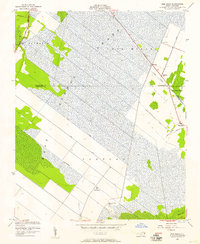 1954 Pike Road1957 Print · USGSCoastal North Carolina's drainage and swamp lands are seen here in the mid-fifties as engineering transformed the Beaufort and Washington county lines. Researchers can trace the layout of early canal systems like the East Pantego Intercepting Canal and find local landmarks such as Wenona Ch and the Pike Road settlement.2 unique versions available
 - 1985 Map of Plymouth
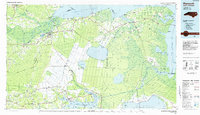 1985 Plymouth1985 Print · USGSThe coastal plains of Washington and Beaufort counties come into focus in the mid-eighties as a region defined by large-scale conservation and water-bound trade. Researchers can trace the layout of small farming towns like Pantego and Creswell alongside the vast waters of Phelps Lake and Lake Mattamuskeet.2 unique versions available
 - 1997 Map of Pike Road, 2001 Print
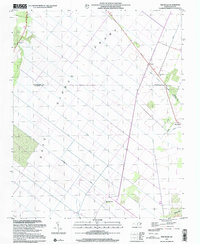 1997 Pike Road2001 Print · USGSCoastal North Carolina at the end of the century is defined here by the massive engineering of the East Dismal Swamp. Genealogists and local historians can trace the rural communities of Wenona and Pike Road, along with landmarks like Morning Star Ch and the Old Turnpike.
 - 2010 Map of Pike Road, 2010 Print
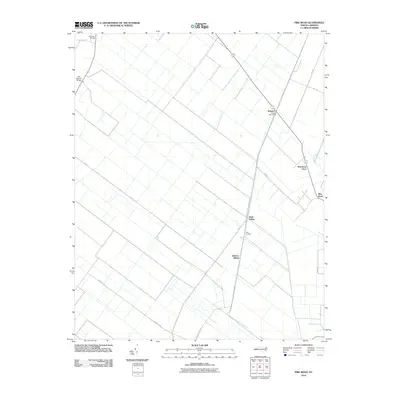 2010 Pike Road2010 Print · USGSThe Beaufort County lowlands appear in the early 21st century as a landscape defined by its historic rail corridors and drainage networks. Researchers can trace the agricultural heart of the region through sites like Wenona, Morrisons Store, and Sixth Siding.
 - 2013 Map of Pike Road, 2013 Print
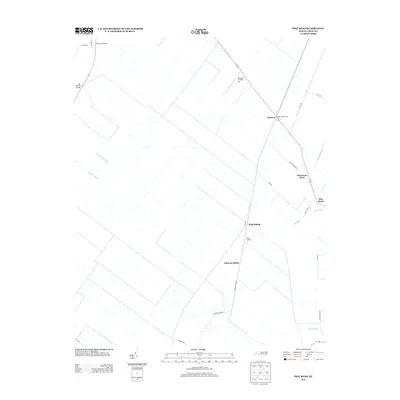 2013 Pike Road2013 Print · USGSCoastal North Carolina's rural landscape is defined by its drainage history in this early 21st-century survey of Beaufort County. Genealogists and local historians can trace former rail activity at Sixth Siding, Sixteen Mile Siding, and the namesake community of Pike Road.
 - 2016 Map of Pike Road, 2016 Print
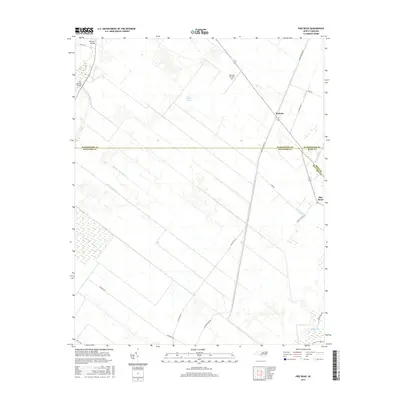 2016 Pike Road2016 Print · USGSCoastal North Carolina's drainage and settlement patterns are revealed in this 2010s study of the Inner Banks. Trace the grid of essential waterways like the Oregon Canal and explore local landmarks from Wenona to Donald's Air Park Inc.
 - 2019 Map of Pike Road, 2019 Print
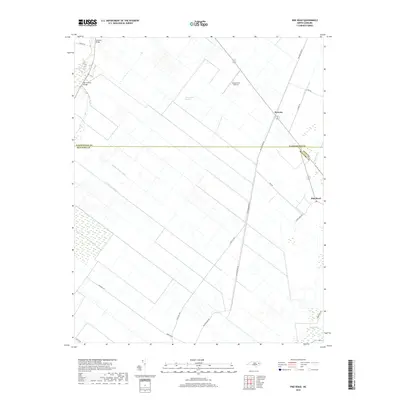 2019 Pike Road2019 Print · USGSCoastal plain settlements and extensive drainage canals define this part of Beaufort and Washington counties in the late 2010s. Researchers can trace the layout of Wenona and Pike Road or locate rural landmarks like Donald's Air Park Inc and Tareover Bridge.
 - 2022 Map of Pike Road, 2022 Print
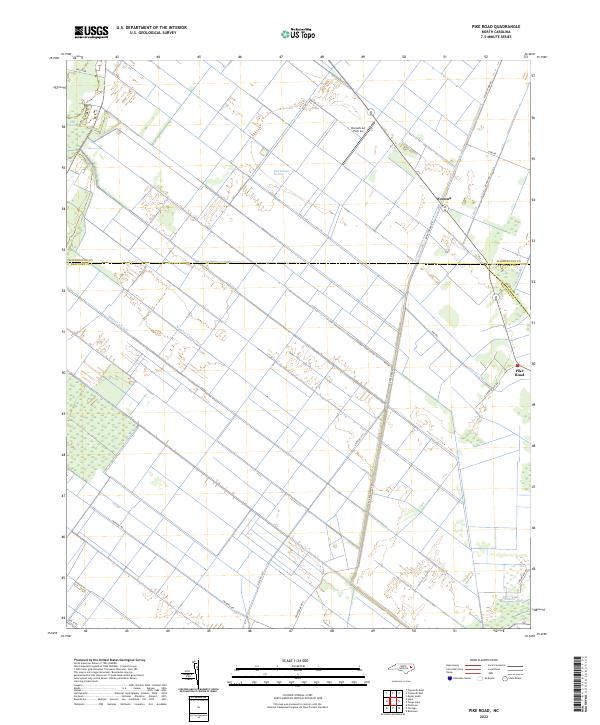 2022 Pike Road2022 Print · USGSThe reclaimed wetlands of Beaufort and Washington counties are revealed in this recent survey of North Carolina's inner banks. Trace the drainage history of the East Dismal Swamp through landmarks like Number 2 Canal, Wenona, and Donald's Air Park Inc.
End of results
Showing maps 1-13 of 13
Top cities near Sixth Siding
- Plymouth historical maps
- Belhaven historical maps
- Roper historical maps
- Jamesville historical maps
- Bath historical maps
- Pantego historical maps
See more
Frequently asked questions
- What are the different types of historical maps available for Sixth Siding?
- What is the oldest map of Sixth Siding?
- Where can I purchase historical maps of Sixth Siding for my home or office?
- Where can I download high-res historical maps of Sixth Siding?
- Are there historical topographic maps available for Sixth Siding?
- Is there historical aerial imagery available for Sixth Siding?
- Where are historical maps of Sixth Siding sourced from?