Old Maps of Grabtown, North Carolina for Academic Research
Study the evolution of Grabtown with 12 high-resolution historic maps. Whether you're teaching, researching, or modeling changes in land use, these maps provide essential visual documentation of urban, environmental, and geographic change.
- Analyze long-term change: Track patterns in development, transportation, and natural features.
- Ideal for environmental or urban studies: Support academic projects with primary historical map data.
- Use in the classroom or lab: Educators and researchers rely on these maps to bring historical context to life.
These maps are a powerful tool for teaching, research, and visualizing how Grabtown has changed over the decades.
Grabtown, NC maps
(12)- 1901 Map of Williamston, 1972 Print
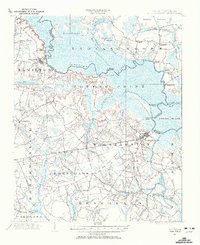 1901 Williamston1972 Print · USGSThe Roanoke River basin at the turn of the century shows a thriving network of steamboat landings and new rail lines. Genealogists and researchers can trace the river economy through Spellers Ferry Landing, Grabtown, and the Atlantic Coast Line R. R.
 - 1902 Map of Williamston, 1944 Print
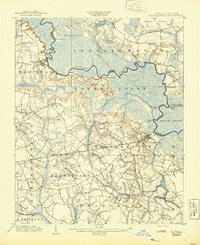 1902 Williamston1944 Print · USGSMartin County’s riverfront and rail corridors are frozen in time here at the dawn of the twentieth century. Genealogists and local historians can trace family roots through landings like Spellers Ferry Landing or settlements at Everetts and Goldpoint.
 - 1953 Map of Rocky Mount, 1964 Print
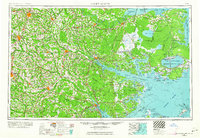 1953 Rocky Mount1964 Print · USGSEastern North Carolina in the mid-fifties is defined by its deep river basins and the vast wetlands of the Tidewater. Genealogists can trace family roots through hubs like Kinston and New Bern or explore the wilderness of Pettigrew State Park and Lake Mattamuskeet.4 unique versions available
 - 1954 Map of Rocky Mount
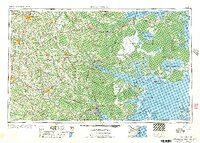 1954 Rocky Mount1954 Print · USGSEastern North Carolina is mapped in the mid-fifties, showing a landscape of sounds, swamps, and steam-era rail lines. Genealogists can trace the rural road networks and rail spurs connecting towns like Tarboro, Greenville, and the remote Columbia.
 - 1981 Map of Quitsna
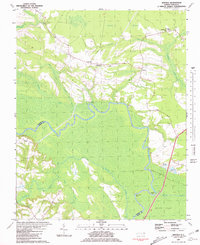 1981 Quitsna1981 Print · USGSThe Roanoke River floodplain in Bertie County is shown here in the early eighties, characterized by its winding oxbows and deep swamp forests. Local historians can trace riverside landings like Coniott Landing and quiet crossroads churches such as Siloam Ch and Indian Woods Ch.
 - 1985 Map of Rocky Mount
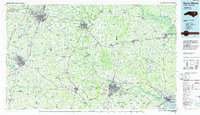 1985 Rocky Mount1985 Print · USGSThe eastern North Carolina coastal plain in the mid-eighties shows a landscape defined by its river-and-rail heritage. Genealogists and local historians can trace the development of Rocky Mount, Greenville, and Wilson, or locate landmarks like East Carolina University and the Voice of America site.2 unique versions available
 - 2002 Map of Quitsna
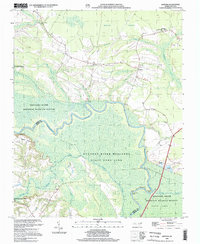 2002 Quitsna2002 Print · USGSBertie County at the start of the millennium remains a landscape of deep river bends and rural crossroads. Genealogists and historians can trace family roots through landmarks like Indian Woods Ch or the riverfront at Coniott Landing.
 - 2010 Map of Quitsna, 2010 Print
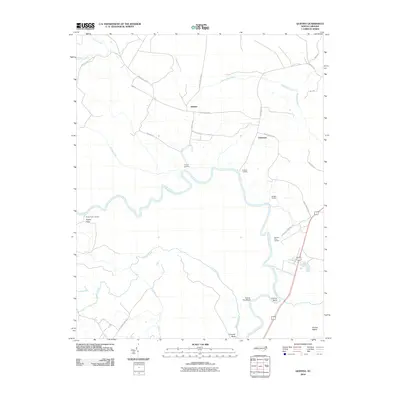 2010 Quitsna2010 Print · USGSBertie County's river-dependent landscape is documented here in the early twenty-first century, showing the enduring geography of the Roanoke River. Genealogists and historians can trace old river access points like Spellers Ferry Landing and Poplar Point Landing alongside the inland crossroads of Grabtown.
 - 2013 Map of Quitsna, 2013 Print
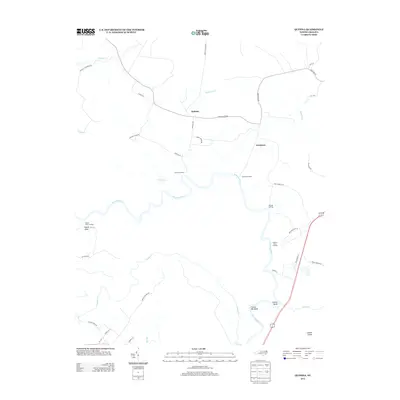 2013 Quitsna2013 Print · USGSBertie County's riverfront comes into focus in the early 2010s, showing the deep-seated connection between the land and the water. Genealogists and local historians can trace family-named landings and settlements like Grabtown, Spellers Ferry Landing, and Quitsna.
 - 2016 Map of Quitsna, 2016 Print
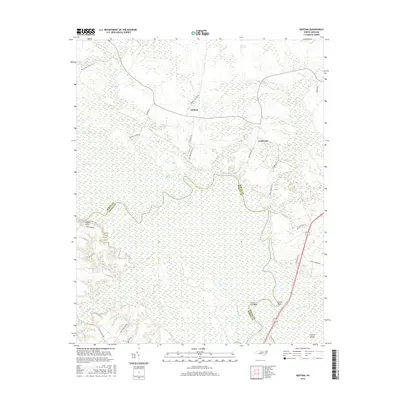 2016 Quitsna2016 Print · USGSThe Roanoke River lowlands of Bertie County are captured here in the mid-2010s, showing a landscape shaped by river bends and vast pocosin wetlands. Genealogists and local historians can trace family-named roads and landings near Quitsna, Grabtown, and Conine Island.
 - 2019 Map of Quitsna, 2019 Print
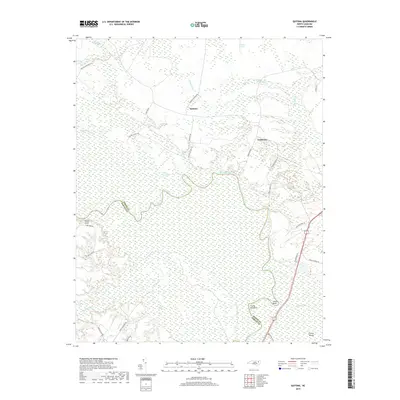 2019 Quitsna2019 Print · USGSThe Roanoke River basin in Bertie County is shown here in the modern era, dominated by extensive wetlands and river bends. Researchers can trace rural life near Quitsna and Grabtown, or locate local landmarks like Conine Island and Spellars Ferry Rd.
 - 2022 Map of Quitsna, 2022 Print
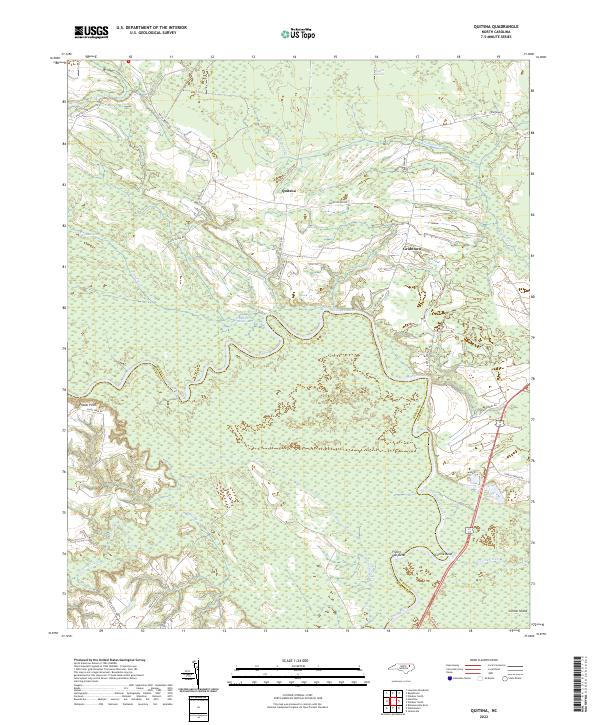 2022 Quitsna2022 Print · USGSThe Bertie and Martin County line follows the winding Roanoke River through a landscape of pocosin and swamp in the 2020s. Researchers can trace rural roads and family landmarks like Quitsna, Grabtown, and the remote Frog Level Swamp.
End of results
Showing maps 1-12 of 12
Top cities near Grabtown
- Williamston historical maps
- Windsor historical maps
- Robersonville historical maps
- Lewiston Woodville historical maps
- Hamilton historical maps
- Jamesville historical maps
See more
Frequently asked questions
- What are the different types of historical maps available for Grabtown?
- What is the oldest map of Grabtown?
- Where can I purchase historical maps of Grabtown for my home or office?
- Where can I download high-res historical maps of Grabtown?
- Are there historical topographic maps available for Grabtown?
- Is there historical aerial imagery available for Grabtown?
- Where are historical maps of Grabtown sourced from?