Old Maps of Waves, North Carolina for Hiking & Exploration
Hike through history with 9 historic maps of Waves. Explore old trails, ghost towns, and forgotten backroads — perfect for outdoor adventurers and local explorers.
- Rediscover forgotten places: Map out old mining camps, roads, and footpaths that no longer exist on modern maps.
- Layer with modern tools: Combine with LiDAR or satellite views to plan hikes through historical terrain.
- Made for exploration: Popular among hikers, overlanders, and local history lovers.
Use these maps to find adventure and explore the hidden past of Waves.
Waves, NC maps
(9)- 1955 Map of Wanchese
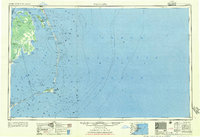 1955 Wanchese1955 Print · USGSThe Outer Banks and Dare County mainland are captured in the mid-1950s, showing the maritime isolation and early highway connections of the coast. Researchers can locate coastal landmarks like the Cape Hatteras Light, the remote settlement of Buffalo City, and fishing villages from Rodanthe to Ocracoke.
 - 1957 Map of Manteo, 1967 Print
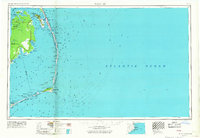 1957 Manteo1967 Print · USGSThe Outer Banks and Albemarle Sound are captured in the late fifties as the national seashore and wildlife refuges were newly established. Trace the coastal villages from Manteo to Hatteras, and locate landmarks like the Cape Hatteras Lighthouse and Billy Mitchell field.3 unique versions available
 - 1960 Map of Manteo
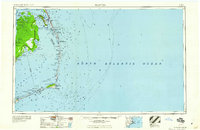 1960 Manteo1960 Print · USGSThe Outer Banks and Dare County in the early sixties reveal a landscape defined by maritime tradition and shifting sands. Genealogists can trace family lines through villages like Rodanthe and Buxton or locate landmarks like Fort Raleigh and the Cape Hatteras Lighthouse.
 - 1985 Map of Manteo
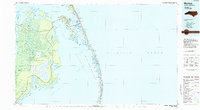 1985 Manteo1985 Print · USGSThe Outer Banks and Roanoke Island appear in the mid-1980s, showcasing the early development of the modern coastal landscape. Researchers can trace family ties and coastal landmarks from Kill Devil Hills down to the remote village of Stumpy Point.2 unique versions available
 - 2011 Map of Rodanthe, 2011 Print
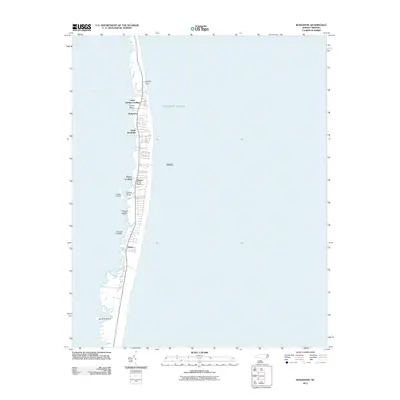 2011 Rodanthe2011 Print · USGSThe Outer Banks settlements of Hatteras Island are captured in the early twenty-first century, perched on a thin thread of sand. Local historians can trace sound-side landmarks and coastal developments from Rodanthe down to Salvo and No Ache Island.
 - 2013 Map of Rodanthe, 2013 Print
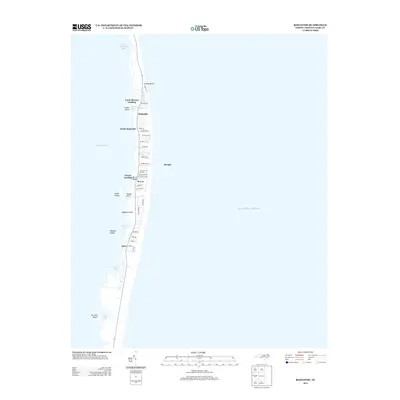 2013 Rodanthe2013 Print · USGSThe Outer Banks communities of Rodanthe, Waves, and Salvo are shown in high detail during the early 2010s. Researchers can trace family-named landmarks and coastal access points such as Midgett Island, Uncle Jimmys Landing, and Wimble Shoals.
 - 2016 Map of Rodanthe, 2016 Print
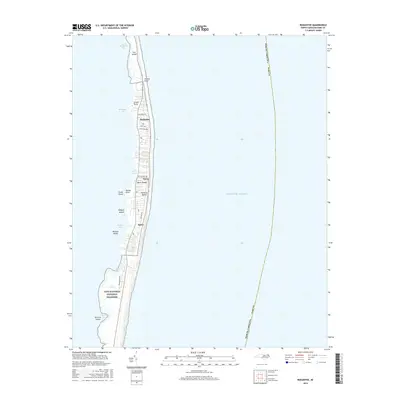 2016 Rodanthe2016 Print · USGSThe Outer Banks and Hatteras Island appear in this mid-2010s survey, showing the interconnected villages of Rodanthe, Waves, and Salvo. Researchers can trace local landmarks like Aunt Phoebes Marsh, Midgett Island, and the extent of the Cape Hatteras National Seashore.
 - 2019 Map of Rodanthe, 2019 Print
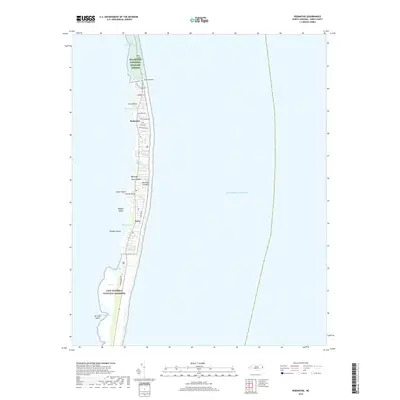 2019 Rodanthe2019 Print · USGSThe northern Outer Banks are captured here in the late 2010s, showcasing the narrow coastal communities along Hatteras Island. Researchers can map residential footprints in Rodanthe, Waves, and Salvo or explore the protected marshes of Pea Island National Wildlife Refuge.
 - 2022 Map of Rodanthe, 2022 Print
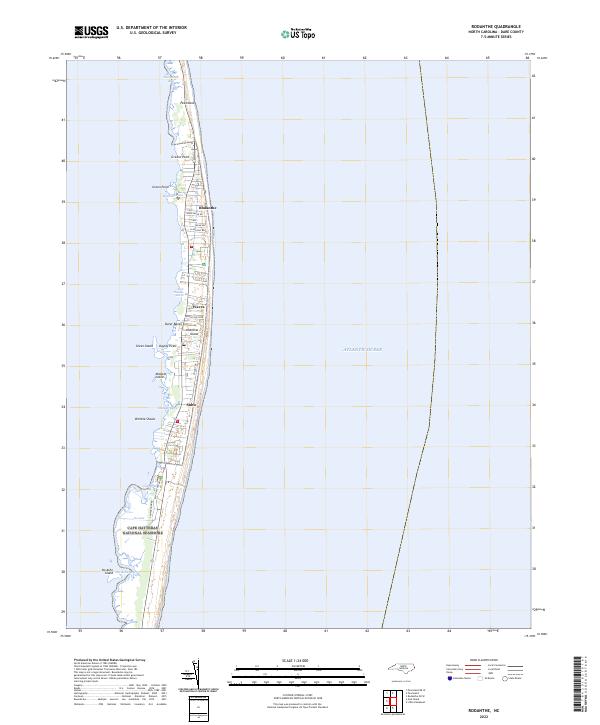 2022 Rodanthe2022 Print · USGSThe Outer Banks in the early 2020s are captured here as a narrow strip of coastal life between the sea and the sound. You can trace the residential development of Rodanthe, Waves, and Salvo or explore the protected lands of Pea Island National Wildlife Refuge.
End of results
Showing maps 1-9 of 9
Top cities near Waves
Frequently asked questions
- What are the different types of historical maps available for Waves?
- What is the oldest map of Waves?
- Where can I purchase historical maps of Waves for my home or office?
- Where can I download high-res historical maps of Waves?
- Are there historical topographic maps available for Waves?
- Is there historical aerial imagery available for Waves?
- Where are historical maps of Waves sourced from?