Old Maps of Faison, North Carolina for Academic Research
Study the evolution of Faison with 10 high-resolution historic maps. Whether you're teaching, researching, or modeling changes in land use, these maps provide essential visual documentation of urban, environmental, and geographic change.
- Analyze long-term change: Track patterns in development, transportation, and natural features.
- Ideal for environmental or urban studies: Support academic projects with primary historical map data.
- Use in the classroom or lab: Educators and researchers rely on these maps to bring historical context to life.
These maps are a powerful tool for teaching, research, and visualizing how Faison has changed over the decades.
Faison, NC maps
(10)- 1953 Map of Raleigh, 1965 Print
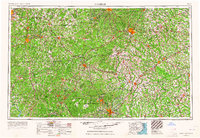 1953 Raleigh1965 Print · USGSCentral North Carolina in the early sixties shows a landscape of growing towns and military hubs before the full expansion of the interstate system. Genealogists can trace family footprints across the Piedmont through Wake Forest, Siler City, and the large Fort Bragg Military Reservation.4 unique versions available
 - 1954 Map of Raleigh
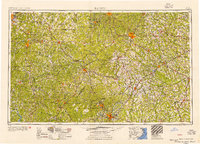 1954 Raleigh1954 Print · USGSThe North Carolina Piedmont and Sandhills are captured in the mid-fifties during a period of steady regional growth. Genealogists and historians can trace the development of towns like Siler City or locate landmarks such as Falls of Neuse and Camp Mackall.
 - 1975 Map of Faison, 1977 Print
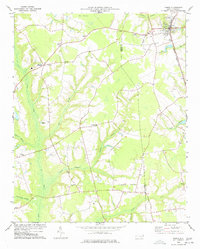 1975 Faison1977 Print · USGSThe coastal plain of North Carolina is captured here in the mid-seventies, showing the intersection of the Seaboard Coast Line and rural farming life. Genealogists can locate family landmarks like Millers Chapel, Hargrove Sch, and dozens of unnamed rural cemeteries near Faison.
 - 1986 Map of Fayetteville
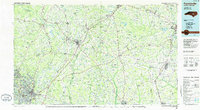 1986 Fayetteville1986 Print · USGSThe North Carolina coastal plain appears in the mid-1980s as a bustling corridor of military installations and historic tobacco towns. Genealogists and historians can trace the footprints of Fort Bragg Military Reservation, Campbell University, and the rail lines of the Seaboard Coast Line RR.2 unique versions available
 - 1997 Map of Faison, 2000 Print
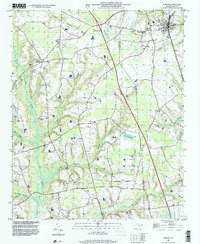 1997 Faison2000 Print · USGSIn the late 1990s, the rural borderlands of Sampson and Duplin Counties remained a landscape of deep swamps and scattered country parishes. Researchers can trace historic family locations and local institutions such as Hargrove Sch, Bethlehem Ch, and Poplar Grove.
 - 2010 Map of Faison, 2010 Print
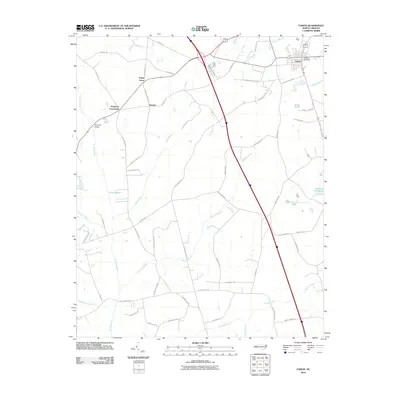 2010 Faison2010 Print · USGSIn Duplin County during the early twenty-first century, the town of Faison and its surrounding wetlands were interconnected by a complex network of rural roads. Genealogists can trace family landmarks and local congregations along Beulah Church Rd, 6 Runs Church Rd, and near Hargrove Crossroads.
 - 2013 Map of Faison, 2013 Print
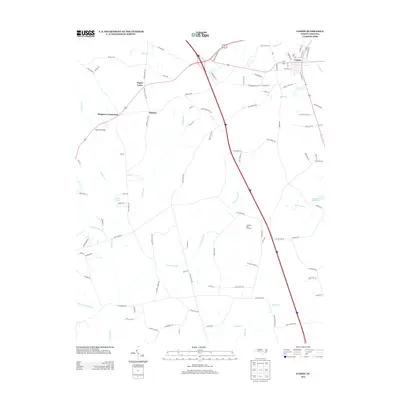 2013 Faison2013 Print · USGSFaison and the surrounding Duplin County countryside are captured here in the early 2010s as a landscape of rural crossroads and wetlands. Genealogists and local historians can trace family-named landmarks and settlements like Hargrove Crossroads, Poplar Grove, and the Carolina Fish Hatchery.
 - 2016 Map of Faison, 2016 Print
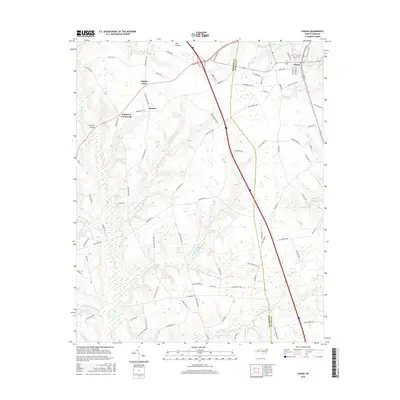 2016 Faison2016 Print · USGSThis rural portion of Duplin and Sampson Counties was mapped in the mid-2010s, showing a landscape shaped by extensive wetlands and established farm communities. Researchers can trace local heritage through sites like Poplar Grove Ch, the CSX rail line in Faison, and crossings at Hargrove Bridge.
 - 2019 Map of Faison, 2019 Print
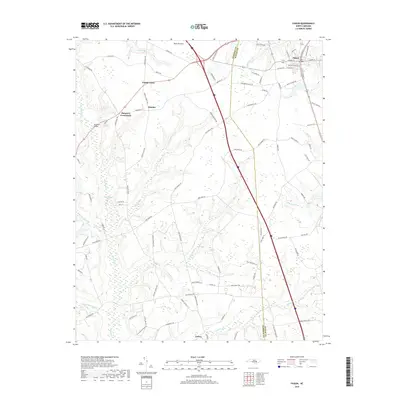 2019 Faison2019 Print · USGSCoastal plain agriculture and swampy bottomlands define the Sampson and Duplin County border in the late 2010s. Researchers can trace the rural layout of Faison and Turkey, alongside historic congregational sites like Beulah Church and Six Runs Church.
 - 2022 Map of Faison, 2022 Print
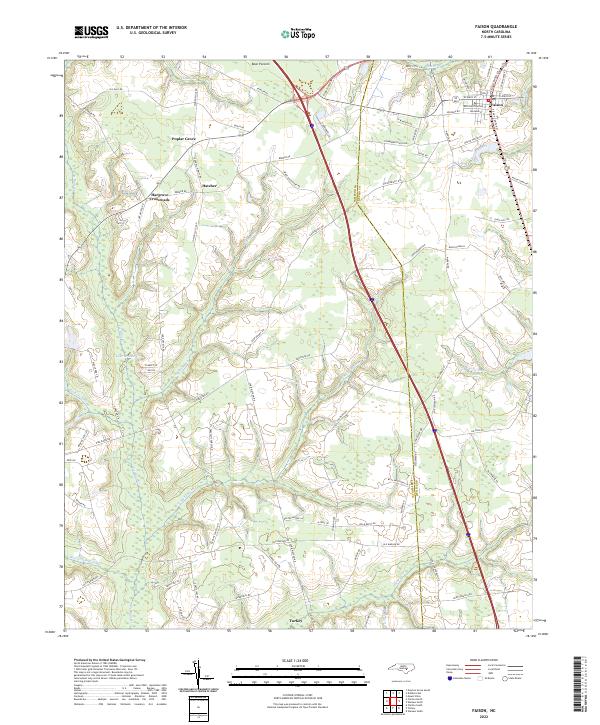 2022 Faison2022 Print · USGSThe rural landscape of Duplin and Sampson Counties is captured here in the early twenty-first century, centered on the historic hub of Faison. Genealogists can trace family-named routes like William Thornton St near Hatcher or explore the swampy reaches of Tenmile Swamp and Bear Pocosin.
End of results
Showing maps 1-10 of 10
Top cities near Faison
- Goldsboro historical maps
- Clinton historical maps
- Mount Olive historical maps
- Warsaw historical maps
- Magnolia historical maps
- Kenansville historical maps
See more
Frequently asked questions
- What are the different types of historical maps available for Faison?
- What is the oldest map of Faison?
- Where can I purchase historical maps of Faison for my home or office?
- Where can I download high-res historical maps of Faison?
- Are there historical topographic maps available for Faison?
- Is there historical aerial imagery available for Faison?
- Where are historical maps of Faison sourced from?