Old Maps of Quinland, North Carolina for Hiking & Exploration
Hike through history with 17 historic maps of Quinland. Explore old trails, ghost towns, and forgotten backroads — perfect for outdoor adventurers and local explorers.
- Rediscover forgotten places: Map out old mining camps, roads, and footpaths that no longer exist on modern maps.
- Layer with modern tools: Combine with LiDAR or satellite views to plan hikes through historical terrain.
- Made for exploration: Popular among hikers, overlanders, and local history lovers.
Use these maps to find adventure and explore the hidden past of Quinland.
Quinland, NC maps
(17)- 1891 Map of Cowee
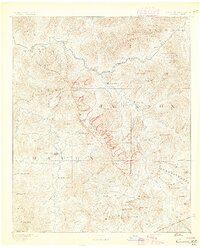 1891 Cowee1891 Print · USGSWestern North Carolina's high mountain reaches are captured here in the late nineteenth century as the railroad began to transform the region. Trace early transport routes like the Western North Carolina Railroad and Cowee Tunnel alongside old settlements at Franklin and Quallatown.
 - 1897 Map of Cowee
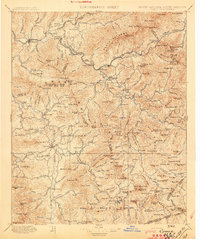 1897 Cowee1897 Print · USGSThe Great Smoky Mountains and Blue Ridge foothills appear here in the 1890s, when the railroad first began to penetrate the high gaps. Trace family roots and mountain industry through old settlements like Quallatown, Sylva, and the Cowee Tunnel engineering site.4 unique versions available
 - 1907 Map of Cowee
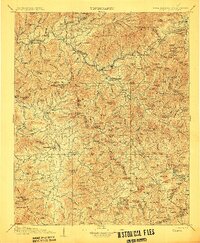 1907 Cowee1907 Print · USGSWestern North Carolina at the turn of the century shows a landscape of rail-connected river towns and high mountain gaps. Genealogists can trace early homesteads and industry through landmarks like West Mill, Roanes Mill, and the many settlements along the Southern Railway.5 unique versions available
 - 1935 Map of Hazelwood
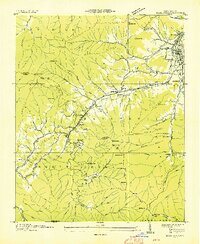 1935 Hazelwood1935 Print · USGSHaywood and Jackson counties meet along these high ridgelines during the mid-1930s, where the Southern railway climbs toward the clouds. Researchers can locate early family landmarks like Plott Cem, the Allen Creek Sch, and high-altitude settlements at Balsam and Clarks Siding.
 - 1941 Map of Hazelwood, 1957 Print
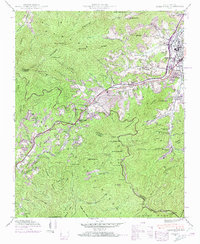 1941 Hazelwood1957 Print · USGSThe high passes of the Plott Balsams were a vital rail and road corridor in the early 1940s. Genealogists and historians can trace the foundations of Hazelwood and Balsam, finding remote sites like the Grassy Ridge Mine and Redbank Cem.7 unique versions available
 - 1942 Map of Hazelwood
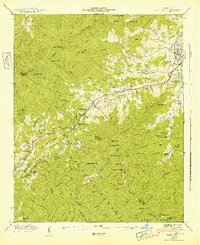 1942 Hazelwood1942 Print · USGSThe mountain communities around WAYNESVILLE and Hazelwood are shown just before the mid-century during this era of rail travel and early industry. Trace family sites at the Allen Creek Sch or search for local landmarks like the Grassy Ridge Mine and Redbank Cem.
 - 1955 Map of Knoxville
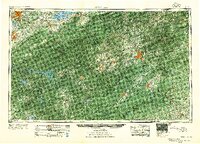 1955 Knoxville1955 Print · USGSThe Southern Appalachians and the Smoky Mountains are shown here at a peak of mid-century development and conservation. Genealogists and historians can trace the early road networks connecting Gatlinburg, Waynesville, and the Cherokee Indian Reservation across the high ridges.
 - 1957 Map of Knoxville, 1966 Print
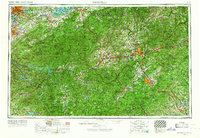 1957 Knoxville1966 Print · USGSThe Southern Appalachians of Tennessee and North Carolina are mapped here during the mid-twentieth century as new highways reached the high country. Genealogists and historians can trace the topography between Knoxville and Asheville, locating family landmarks near Fontana Lake or along the Blue Ridge Parkway.4 unique versions available
 - 1960 Map of Knoxville
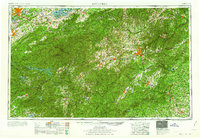 1960 Knoxville1960 Print · USGSThe Southern Appalachians come alive in the 1950s, showing the intersection of new national park tourism and deep-rooted mountain industry. Trace old rail lines like the Clinchfield RR and find high-altitude landmarks from Mt Le Conte to the Cherokee Indian Reservation.2 unique versions available
 - 1964 Map of Knoxville
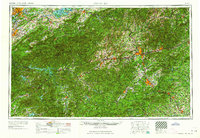 1964 Knoxville1964 Print · USGSThe Southern Appalachians and Great Smokies are captured here during the mid-sixties, showing the rugged borderlands of Tennessee and North Carolina. Researchers can trace historic mountain routes like U S 441, the expanse of Pisgah National Forest, and the growing footprints of Asheville and Knoxville.
 - 1983 Map of Fontana Lake
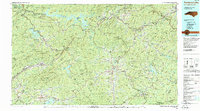 1983 Fontana Lake1983 Print · USGSWestern North Carolina's high peaks and reservoir-carved valleys are documented here during the early eighties. Genealogists and local historians can trace the mountain communities of Bryson City and Franklin or explore the boundaries of the Qualla Boundary.2 unique versions available
 - 1997 Map of Hazelwood, 2001 Print
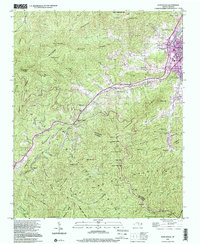 1997 Hazelwood2001 Print · USGSThe high ridges of the Great Balsam Mountains meet the growing towns of Waynesville and Hazelwood in the late 1990s. Researchers can trace the local landscape through landmarks like Grassy Ridge Mine, Redbank Cem, and the Morrison Fish Hatchery.
 - 2011 Map of Hazelwood, 2011 Print
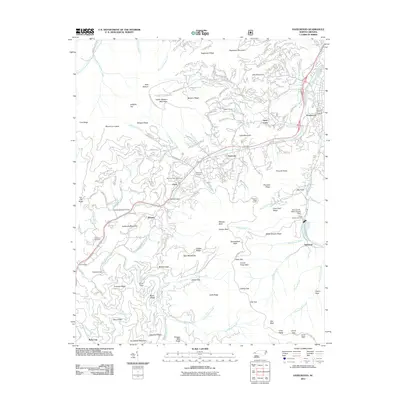 2011 Hazelwood2011 Print · USGSWestern North Carolina's high ridges and steep coves come into focus in this early twenty-first century study. Genealogists and hikers can trace the Blue Ridge Pkwy past the Morrison Fish Hatchery and local burial sites like Redbank and Love.
 - 2013 Map of Hazelwood, 2013 Print
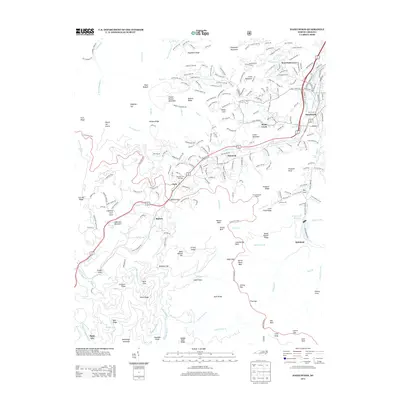 2013 Hazelwood2013 Print · USGSWaynesville and the surrounding Blue Ridge ridges come into sharp focus in the early twenty-first century. Family researchers and hikers can trace the geography of old homesteads and landmarks like Balsam, the Morrison Fish Hatchery, and Crawford Cemetery Rd.
 - 2016 Map of Hazelwood, 2016 Print
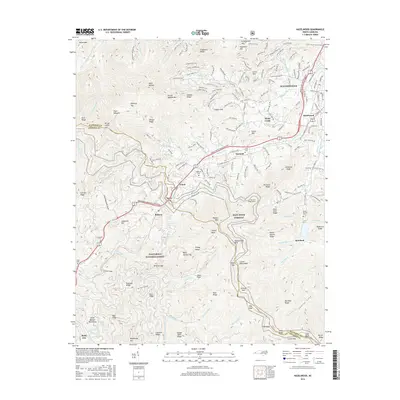 2016 Hazelwood2016 Print · USGSThe mountain communities around Waynesville and Hazelwood are documented here in the mid-2010s. Genealogists and local historians can trace the Southern Ry route and find family names near Balsam, Saunook, and the high ridges of the Plott Balsams.
 - 2019 Map of Hazelwood, 2019 Print
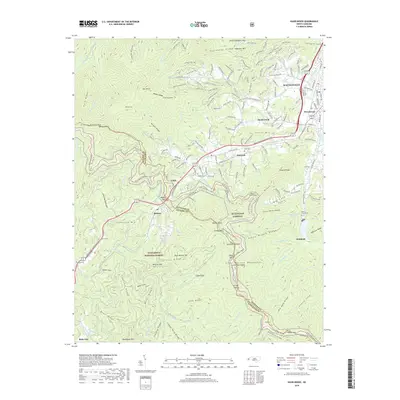 2019 Hazelwood2019 Print · USGSWestern North Carolina’s high-country terrain and mountain communities are captured here in the late 2010s. Researchers can locate family landmarks such as Love Cem, the Pinnacle Ridge Tunnel, and the historic junction at Balsam Gap.
 - 2023 Map of Hazelwood, 2023 Print
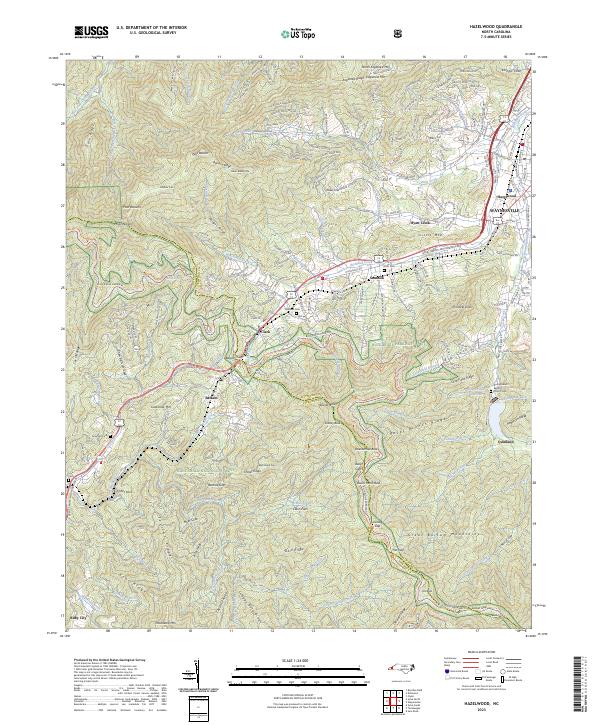 2023 Hazelwood2023 Print · USGSThe high ridges of the Blue Ridge Mountains frame these western North Carolina communities in the early twenty-first century. Genealogists and local historians can trace family sites like Redbank Cem or visit the Rocky Branch Baptist Church and Ruby City.
End of results
Showing maps 1-17 of 17
Top cities near Quinland
- Waynesville historical maps
- Cullowhee historical maps
- Brevard historical maps
- Canton historical maps
- Sylva historical maps
- Clyde historical maps
See more
Frequently asked questions
- What are the different types of historical maps available for Quinland?
- What is the oldest map of Quinland?
- Where can I purchase historical maps of Quinland for my home or office?
- Where can I download high-res historical maps of Quinland?
- Are there historical topographic maps available for Quinland?
- Is there historical aerial imagery available for Quinland?
- Where are historical maps of Quinland sourced from?