Old Maps of Pine Oaks, Campbell for Genealogy
Trace your family roots with 13 historic maps of Pine Oaks. These high-res maps reveal old neighborhoods, homesites, landmarks, and streets — helping you uncover where your ancestors lived and how the area evolved over time.
- Explore historic neighborhoods: Identify where your relatives may have lived in the 1800s or 1900s.
- Compare maps over time: Trace the changes in streets, buildings, and landmarks for multi-generational research.
- Perfect for genealogy & ancestry research: Used by family historians and researchers to map out lineage and migration.
These maps are an incredible resource for exploring your personal connection to Pine Oaks's past.
Pine Oaks, Campbell maps
(13)- 1906 Map of Youngstown, 1958 Print
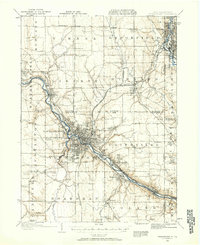 1906 Youngstown1958 Print · USGSThe Mahoning Valley's industrial heartland is caught at its early twentieth-century peak, showing the massive rail and steel infrastructure at the state border. Researchers can trace the lineage of local neighborhoods and schools like Hell Street School, Idora Park, and Tibbetts Corners.
 - 1908 Map of Youngstown, 1937 Print
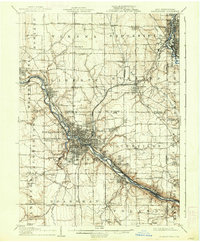 1908 Youngstown1937 Print · USGSThe Mahoning Valley at the height of its industrial boom is defined by a massive concentration of rail lines and riverfront steel towns. Genealogists and historians can trace the footprint of early neighborhood schools like Bell School, find the original layout of Idora Park, and locate vanished rail stops along the ERIE RAILROAD.2 unique versions available
 - 1950 Map of Cleveland
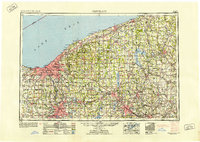 1950 Cleveland1950 Print · USGSCovers Pine Oaks, including Cleveland, Akron, and other nearby areas
 - 1951 Map of Campbell, 1953 Print
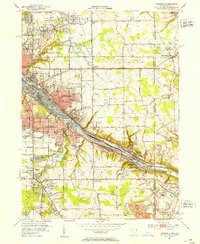 1951 Campbell1953 Print · USGSThe Mahoning River valley in the early fifties shows a dense industrial corridor of rails and riverside towns on the Ohio-Pennsylvania line. Genealogists can trace family landmarks like White Sch, St Johns Cem, and Holy Rosary Cem.
 - 1956 Map of Cleveland, 1967 Print
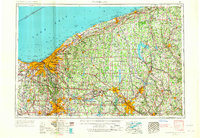 1956 Cleveland1967 Print · USGSNortheast Ohio and Western Pennsylvania are shown at their industrial height during the mid-fifties, from the steel mills to the lakeshore. Researchers can trace the massive Ravenna Arsenal, the Ohio Turnpike, and vanished rail sidings of the B & O RR.3 unique versions available
 - 1962 Map of Cleveland
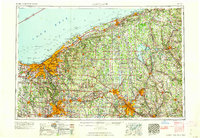 1962 Cleveland1962 Print · USGSNortheast Ohio and the Pennsylvania borderlands appear here during the industrial peak of the early sixties. Genealogists and historians can trace the expansive rail lines of the Nickel Plate Road and the growth of suburbs from Parma to Lyndhurst.
 - 1963 Map of Campbell, 1964 Print
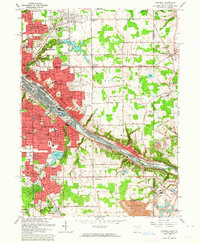 1963 Campbell1964 Print · USGSThe Mahoning Valley industrial corridor reached a peak of rail and steel development during the early sixties. Genealogists can trace family roots through neighborhood landmarks like Scienceville, the Poland Cemetery, and many local schools from Reed Sch to Haddow Sch.3 unique versions available
 - 1986 Map of Youngstown, 1988 Print
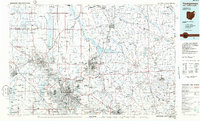 1986 Youngstown1988 Print · USGSThe industrial corridor of the Mahoning Valley and the collegiate towns of Western Pennsylvania are captured here in the mid-eighties. Researchers can trace the rail lines of the Conrail network or locate historical sites like Churchill and Crown Hill Cem.2 unique versions available
 - 2010 Map of Campbell, 2010 Print
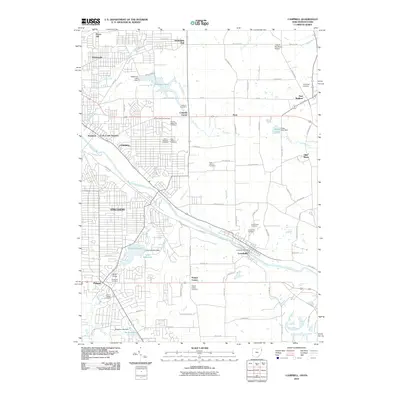 2010 Campbell2010 Print · USGSThe Mahoning River valley in the early twenty-first century reveals a landscape defined by its industrial heritage and residential growth near Campbell and Struthers. Trace local roots at Pioneer Methodist Cemetery or explore landmarks like Quakertown Falls and the J and B Sky Ranch Airport.
 - 2013 Map of Campbell, 2013 Print
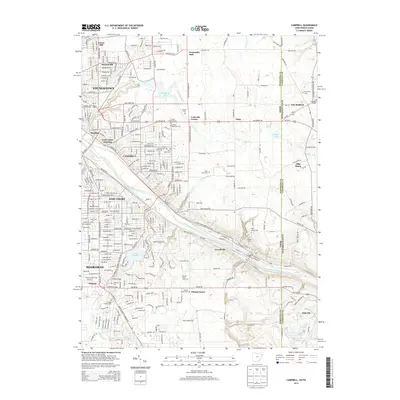 2013 Campbell2013 Print · USGSThe industrial Mahoning Valley at the start of the 21st century comes into focus, from the eastern edge of Youngstown to the Pennsylvania border. Researchers can trace local heritage through numerous burial grounds like Poland Village Cem and landmarks such as Crab Creek Junction.
 - 2016 Map of Campbell, 2016 Print
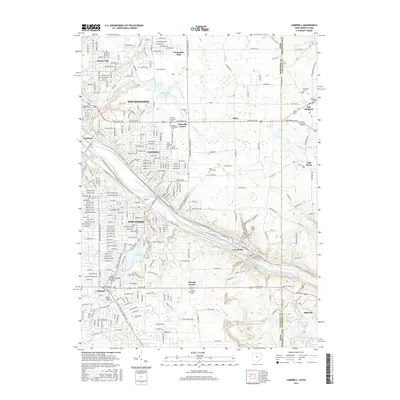 2016 Campbell2016 Print · USGSThe industrial heart of the Mahoning Valley is captured here in the mid-2010s, spanning the border from Youngstown to Villa Maria. Genealogists can locate numerous burial grounds like Pioneer Methodist Cem and trace the paths of Yellow Creek and the Mahoning River.
 - 2019 Map of Campbell, 2019 Print
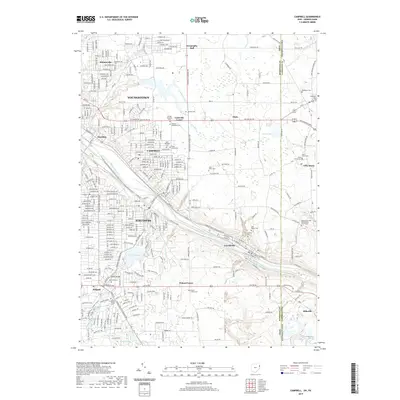 2019 Campbell2019 Print · USGSIn the valley of the Mahoning River just east of Youngstown, this map captures the residential and industrial character of the Ohio-Pennsylvania border. Researchers can trace family roots through numerous sites like Riverside Cem, Poland Village Cem, and Temple Emanuel.
 - 2023 Map of Campbell, 2023 Print
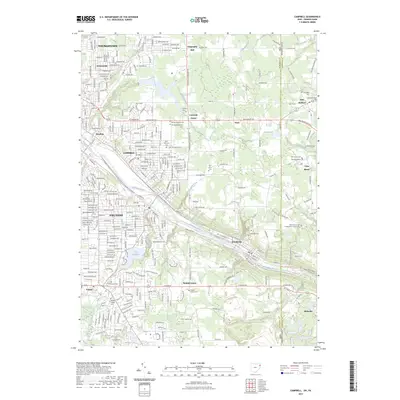 2023 Campbell2023 Print · USGSThe industrial Mahoning Valley is seen in the early 2020s as it spans the Ohio and Pennsylvania border. Genealogists can locate family sites at Riverside Cem or Saint Johns Cem while tracing the waters of Lake Hamilton.
End of results
Showing maps 1-13 of 13
Frequently asked questions
- What are the different types of historical maps available for Pine Oaks?
- What is the oldest map of Pine Oaks?
- Where can I purchase historical maps of Pine Oaks for my home or office?
- Where can I download high-res historical maps of Pine Oaks?
- Are there historical topographic maps available for Pine Oaks?
- Is there historical aerial imagery available for Pine Oaks?
- Where are historical maps of Pine Oaks sourced from?