Old Maps of Piqua-Caldwell Historic District, Piqua
Explore 11 old maps of Piqua-Caldwell Historic District, spanning from 1914 to today. These high-resolution historic maps reveal how streets, neighborhoods, landmarks, and natural features evolved over time — perfect for genealogy, metal detecting, research, and local history exploration.
What you can do with these maps:
- See how Piqua-Caldwell Historic District changed over time: Compare historical maps to modern-day views to trace roads, homesites, rail lines & more.
- View detailed metadata: Each map includes creators, publishers, year, scale, and archive source.
- Overlay maps with satellite & LiDAR: Visualize the past alongside modern tools to explore terrain & human change.
- Trusted historical sources: Maps sourced from the USGS, Library of Congress, and other archives.
- Access maps your way: View online, download high-res files, or order prints for personal or research use.
Start exploring old maps of Piqua-Caldwell Historic District to uncover forgotten places, hidden landmarks, and the deep history beneath your feet.
Piqua-Caldwell Historic District, Piqua maps
(11)- 1914 Map of Troy, 1931 Print
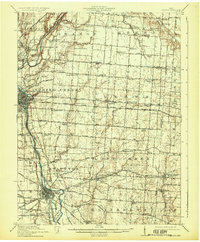 1914 Troy1931 Print · USGSMiami County at the height of the interurban era shows a landscape defined by the Miami River and competing rail lines. Genealogists can locate family landmarks like the County Infirmary or schools such as Sheepskin School and Frogpond School.2 unique versions available
 - 1944 Map of Troy
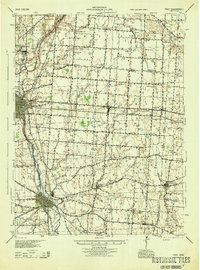 1944 Troy1944 Print · USGSMiami County during the mid-forties reveals a landscape of industrial river towns and an incredibly dense network of rural schools. Researchers can trace the path of the Miami and Erie Canal and locate family-named landmarks like Rhodhammel Sch and Staunton.
 - 1953 Map of Muncie, 1966 Print
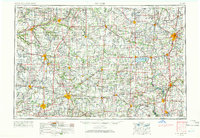 1953 Muncie1966 Print · USGSIndiana and Ohio borderlands thrive in the early fifties, showing a landscape defined by manufacturing cities and an intensive railroad network. Genealogists can trace family roots across the Indiana-Ohio line through Muncie, Celina, and Portland via the Pennsylvania railroad.5 unique versions available
 - 1956 Map of Muncie
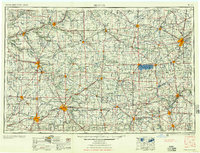 1956 Muncie1956 Print · USGSEastern Indiana and western Ohio are shown at a peak of rail-driven industry in the mid-fifties. Genealogists and rail historians can trace the paths of the Pennsylvania RR through Muncie or locate landmarks like Lake Saint Marys (Grand Lake Reservoir) and Frances Slocum State Forest.
 - 1961 Map of Piqua East, 1962 Print
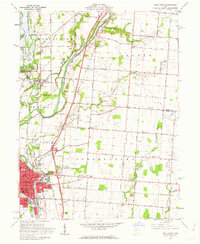 1961 Piqua East1962 Print · USGSMiami County during the early sixties shows the industrial hub of Piqua at a crossroads of rail and river commerce. Genealogists and local historians can trace the Miami and Erie Canal path or locate family sites at Garby Cem No 1 and Kirkwood.4 unique versions available
 - 1986 Map of Piqua
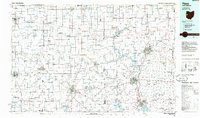 1986 Piqua1986 Print · USGSThe western Ohio and eastern Indiana borderlands appear here in the mid-1980s, showcasing a landscape of river-valley industry and fertile plains. Researchers can trace historic rail lines like Conrail and Norfolk and Western through towns like Greenville and Winchester.3 unique versions available
 - 2010 Map of Piqua East, 2010 Print
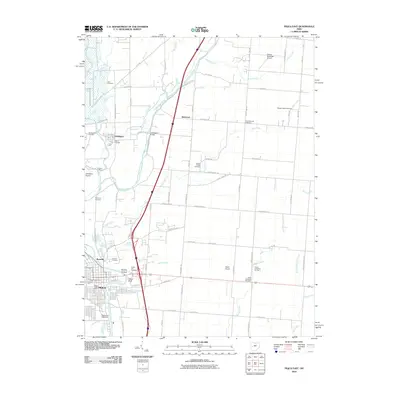 2010 Piqua East2010 Print · USGSMiami County at the start of the 2100s shows a landscape defined by the Great Miami River and its rural townships. Researchers can trace family history through numerous burial sites like Wesley Chapel Cemetery or locate landmarks such as Loramie Mill and Johnston Prairie.
 - 2013 Map of Piqua East, 2013 Print
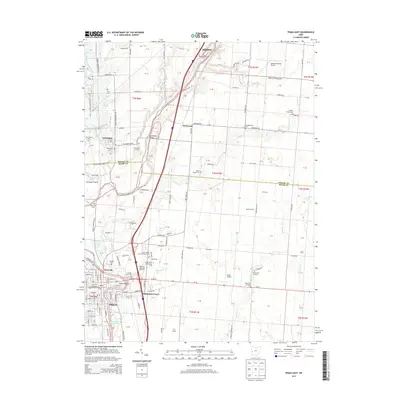 2013 Piqua East2013 Print · USGSThe Great Miami River valley in Miami and Shelby Counties shows a landscape shaped by river commerce and agricultural heritage. Genealogists and local historians can trace family roots through numerous sites like Beechwood Cem, Loramie Mill, and Johnston Prairie.
 - 2016 Map of Piqua East, 2016 Print
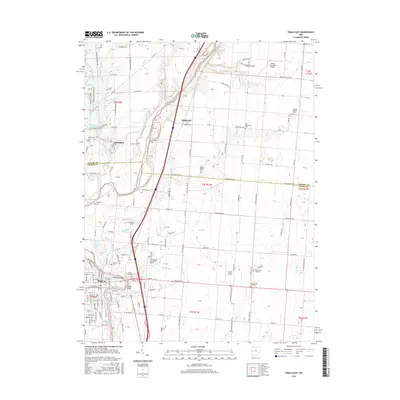 2016 Piqua East2016 Print · USGSMiami and Shelby counties appear here in the mid-2010s, centered on the river-fed industrial and residential growth of Piqua. Genealogists can trace family heritage through numerous rural burying grounds like Cedar Bluff Cem and Old Reformed Cem, or locate historic crossings like the Lockington Bridge.
 - 2019 Map of Piqua East, 2019 Print
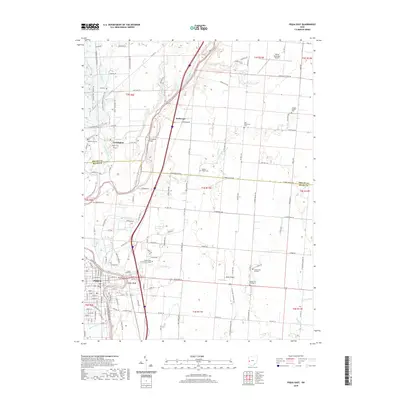 2019 Piqua East2019 Print · USGSMiami County farmland and river valleys are captured here during a period of modern growth and rural preservation. Researchers can locate numerous family burial sites and landmarks like Orange Chapel Cem, Lockington Bridge, and Edison State Community College.
 - 2023 Map of Piqua East, 2023 Print
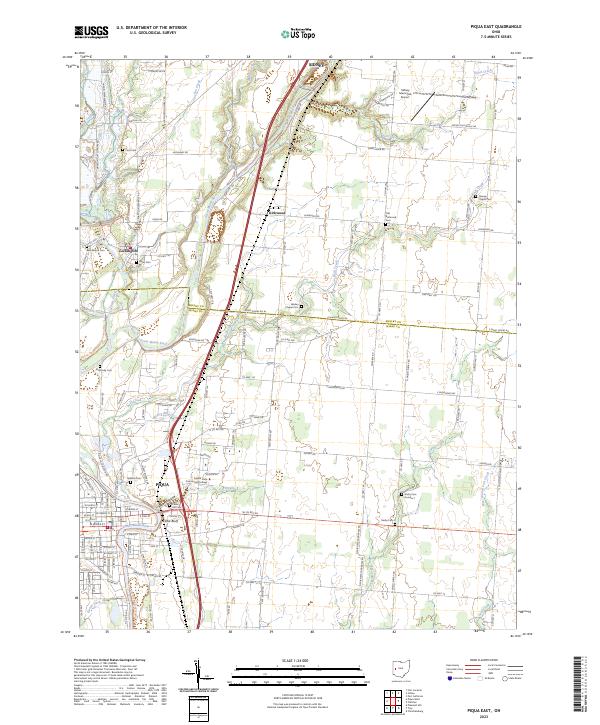 2023 Piqua East2023 Print · USGSMiami and Shelby counties come together in the early 2020s as the Great Miami River winds through Piqua and Lockington. Genealogists and historians can trace numerous family burial sites, including Old Reformed Cem, Cecil Cem, and Orange Chapel Cem.
End of results
Showing maps 1-11 of 11
Frequently asked questions
- What are the different types of historical maps available for Piqua-Caldwell Historic District?
- What is the oldest map of Piqua-Caldwell Historic District?
- Where can I purchase historical maps of Piqua-Caldwell Historic District for my home or office?
- Where can I download high-res historical maps of Piqua-Caldwell Historic District?
- Are there historical topographic maps available for Piqua-Caldwell Historic District?
- Is there historical aerial imagery available for Piqua-Caldwell Historic District?
- Where are historical maps of Piqua-Caldwell Historic District sourced from?