Old Maps of Pickaway County, Ohio
Explore 143 old maps of Pickaway County, spanning from 1906 to today. These high-resolution historic maps reveal how streets, neighborhoods, landmarks, and natural features evolved over time — perfect for genealogy, metal detecting, research, and local history exploration.
What you can do with these maps:
- See how Pickaway County changed over time: Compare historical maps to modern-day views to trace roads, homesites, rail lines & more.
- View detailed metadata: Each map includes creators, publishers, year, scale, and archive source.
- Overlay maps with satellite & LiDAR: Visualize the past alongside modern tools to explore terrain & human change.
- Trusted historical sources: Maps sourced from the USGS, Library of Congress, and other archives.
- Access maps your way: View online, download high-res files, or order prints for personal or research use.
Start exploring old maps of Pickaway County to uncover forgotten places, hidden landmarks, and the deep history beneath your feet.
Pickaway County, OH maps
(143)- 1906 Map of Mt Sterling, 1946 Print
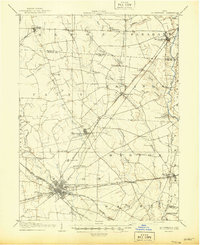 1906 Mt Sterling1946 Print · USGSCentral Ohio at the start of the twentieth century is a landscape of thriving rail hubs and rural townships. Trace the convergence of five railroads at Washington Courthouse and find family landmarks like the County Infirmary or Bloomingburg.
 - 1906 Map of Chillicothe, 1954 Print
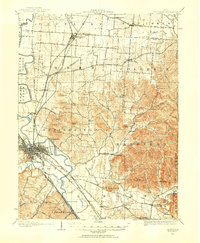 1906 Chillicothe1954 Print · USGSIn the early 1900s, this area of south-central Ohio was defined by a complex intersection of major railroads and river valleys. Researchers can trace the development of Chillicothe or locate ancestral sites at Londonderry, Bethel Chapel, and the County Infirmary.
 - 1907 Map of Lancaster, 1958 Print
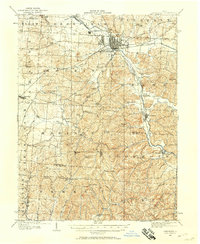 1907 Lancaster1958 Print · USGSFairfield and Hocking counties are captured here in the early twentieth century, showing a landscape defined by the Hocking River valley and early rail corridors. Researchers can locate vanished landmarks like the Abandoned Hocking Canal and the State Industrial School alongside numerous rural schools and churches.
 - 1908 Map of Chillicothe, 1943 Print
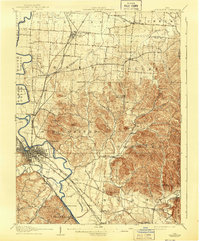 1908 Chillicothe1943 Print · USGSChillicothe and its surrounding rural townships thrive at a turn-of-the-century crossroads of river and rail. Trace old family landmarks and institutions like Mount Logan, Bethel Chapel, and the County Infirmary across Ross and Pickaway counties.
 - 1909 Map of Lancaster, 1938 Print
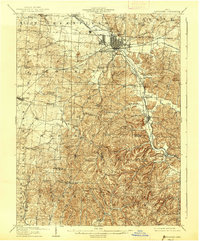 1909 Lancaster1938 Print · USGSFairfield County at the turn of the century shows a bustling rail hub and the remnants of the canal era. Historians can trace the Abandoned Hocking Canal or locate local landmarks like the State Industrial School and Hopewell Church.2 unique versions available
 - 1910 Map of Laurelville, 1962 Print
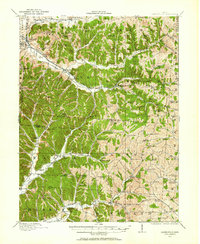 1910 Laurelville1962 Print · USGSHocking and Vinton counties come alive in the decade before the First World War, showing a landscape of ridge-top farms and valley hamlets. Genealogists can locate family landmarks like Eagle Mills, the Indian Mound, and dozens of schools including Tuling School and Union School.
 - 1911 Map of Era, 1952 Print
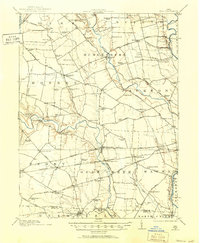 1911 Era1952 Print · USGSPickaway County at the start of the 1900s is a landscape of established farmsteads and creekside milling. Genealogists can trace family footprints through numerous rural school sites like Tick Ridge School or Locust Grove School and find early commerce hubs like Crownover Mill and Williamsport.
 - 1912 Map of Laurelville, 1939 Print
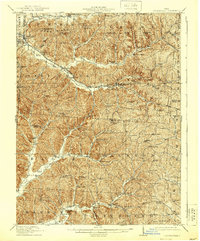 1912 Laurelville1939 Print · USGSHocking and Vinton counties at the dawn of the twentieth century show a landscape of ridge-top schools and creek-side settlements. Researchers can trace the path of the Columbus and Southern RR (Abandoned) and locate landmarks like Ash Cave and the Indian Mound.2 unique versions available
 - 1913 Map of Era, 1936 Print
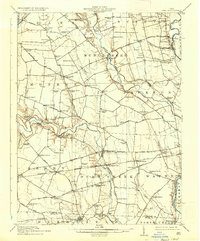 1913 Era1936 Print · USGSPickaway County agricultural life and early transport networks are preserved here in the years before the Great War. Genealogists and local historians can locate dozens of country schoolhouses like Dublin Hill School and river crossings such as Becks Ford and Gulicks Ford.
 - 1914 Map of Circleville, 1948 Print
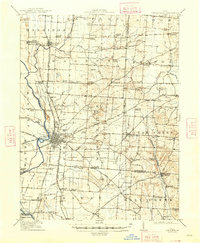 1914 Circleville1948 Print · USGSThe Scioto River valley and Pickaway Plains are captured here during a period of thriving rail commerce and rural schoolhouse districts. Researchers can find ancestral sites from the Reber Hill Cemetery to vanished stops along the Scioto Valley and New England RR.
 - 1923 Map of West Columbus, 1955 Print
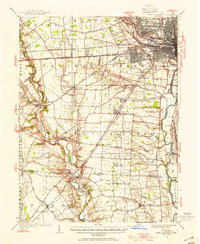 1923 West Columbus1955 Print · USGSFranklin County in the early twenties shows the growing western edge of Columbus and its surrounding rural townships. Genealogists and historians can trace the paths of the National Road and find landmarks like Camp Chase, Urbancrest, and Pisgah School.
 - 1925 Map of East Columbus, 1940 Print
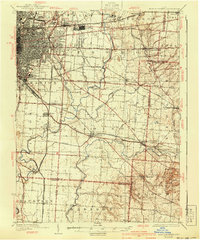 1925 East Columbus1940 Print · USGSGreater Columbus and its eastern suburbs were rapidly expanding in the 1920s as industry and transit lines bridged the gap between city and farm. Genealogists and historians can trace the paths of the ABANDONED CANAL, the legacy of NORTON FIELD, and old village centers like Canal Winchester and Lithopolis.3 unique versions available
 - 1925 Map of West Columbus, 1946 Print
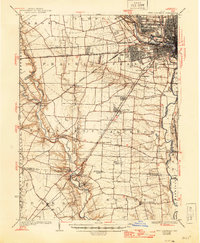 1925 West Columbus1946 Print · USGSFranklin and Pickaway counties are shown here in the mid-twenties, when the growing state capital met a landscape of electric railways and rural schoolhouses. Researchers can trace the National Road and locate sites like the Pisgah School, Mt Calvary Cemetery, and the State Hospital.
 - 1943 Map of Era
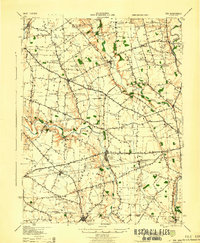 1943 Era1943 Print · USGSPickaway and Ross Counties are shown in the early 1940s, a period when rural education and river-based land divisions still shaped the Ohio countryside. Genealogists can locate dozens of country schoolhouses like Frogeye Sch and trace the Pennsylvania rail line through Williamsport and Atlanta.
 - 1943 Map of Circleville
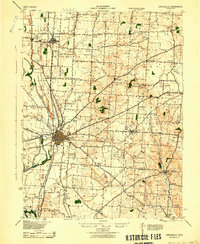 1943 Circleville1943 Print · USGSMid-century Pickaway County is defined here by its intersection of rail power and ancient landmarks along the Scioto River. Genealogists and historians can trace dozens of rural schoolhouses like Bushwhack Sch, the county Infirmary, and the site of the Logan Elm.
 - 1943 Map of East Columbus
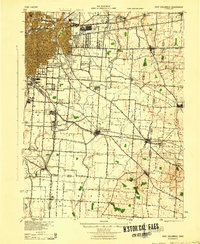 1943 East Columbus1943 Print · USGSEastern Columbus and the Refugee Tract are captured here during the mobilization of the early 1940s. Genealogists and historians can trace the foundations of modern aviation at Port Columbus or find vanished landmarks like the Childrens Home and Norton Field.
 - 1944 Map of Laurelville
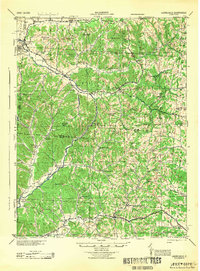 1944 Laurelville1944 Print · USGSMid-century Hocking and Vinton Counties appear here as a patchwork of tight-knit upland communities during the Second World War. Researchers can locate dozens of local landmarks including Adelphi, Eagle Mills, and the Chestnut Grove Church nestled among the hollows.
 - 1947 Map of Columbus, 1948 Print
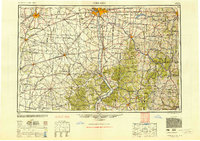 1947 Columbus1948 Print · USGSCentral Ohio in the late 1940s is captured in this survey, showing the post-war transition of its rail hubs and military airfield expansions. Genealogists and historians can trace the paths of the Ohio Canal, the Pennsylvania RR lines, and the Camp Sherman Military Reservation.
 - 1955 Map of Lockbourne, 1956 Print
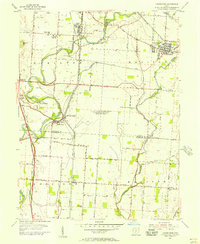 1955 Lockbourne1956 Print · USGSSouth of Columbus in the mid-fifties, the landscape is defined by the massive Lockbourne Air Force Base. Genealogists can trace family names at Watkins Cem or locate the Scioto Valley Grange and Township High Sch.
 - 1955 Map of Harrisburg, 1956 Print
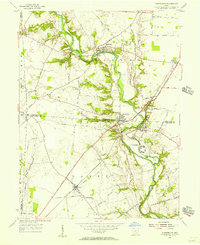 1955 Harrisburg1956 Print · USGSThe rural borderlands of Franklin, Pickaway, and Madison counties come to life in the mid-fifties as the Baltimore and Ohio Railroad connects the towns of Orient and Derby. Researchers can trace the grounds of the Orient State Institute or locate family plots at Little Pennsylvania Cem and McKinley Cem.
 - 1955 Map of Commercial Point, 1956 Print
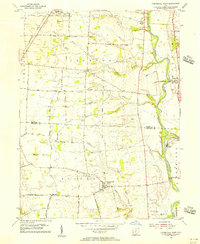 1955 Commercial Point1956 Print · USGSPickaway and Franklin counties appear here in the mid-fifties, dominated by the Scioto River valley and a traditional agricultural landscape. Researchers can trace historic family properties like the James Borror Farm or locate rural burial sites such as Beckett Cem and Seeds Cem.
 - 1955 Map of Canal Winchester, 1956 Print
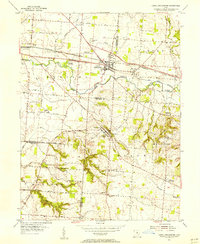 1955 Canal Winchester1956 Print · USGSThe crossroads of Franklin and Fairfield counties are captured here in the mid-fifties, showing the transition from canal-era commerce to a modern rail-and-road network. Genealogists and local historians can locate early landmarks like The Wagnalls Memorial, Township Sch, and Union Grove Cem.
 - 1958 Map of Darbyville, 1959 Print
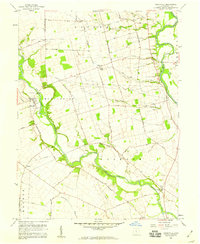 1958 Darbyville1959 Print · USGSThe rural Pickaway County landscape of the late fifties is defined by the winding paths of Big Darby Creek and the Scioto River. Researchers can trace old family sites near Robtown, find local burials at Florence Cemetery, and locate the old Township School.3 unique versions available
 - 1958 Map of Ashville, 1959 Print
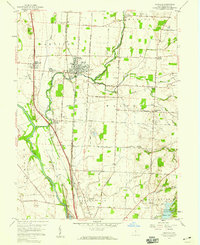 1958 Ashville1959 Print · USGSPickaway County's rural heartland is captured here in the late fifties, where the railroad junction at Ashville anchors a landscape of fertile creek bottoms. Genealogists can trace family connections through local landmarks like Hedges Chapel, Reber Hill Cem, and the small settlement of Millport.2 unique versions available
 - 1958 Map of East Ringgold, 1959 Print
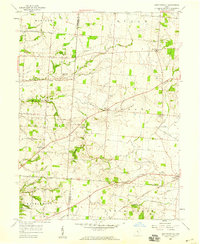 1958 East Ringgold1959 Print · USGSFairfield and Pickaway counties are captured here in the late fifties, showing a rural landscape defined by creek valleys and crossroad hamlets. Researchers can locate family landmarks like Bethany Ch, the East Union Cem, and the rail siding at Amanda.3 unique versions available
Showing maps 1-25 of 143
Top cities of Pickaway County
- Circleville historical maps
- Ashville historical maps
- South Bloomfield historical maps
- Williamsport historical maps
- Commercial Point historical maps
- Darbyville historical maps
Frequently asked questions
- What are the different types of historical maps available for Pickaway County?
- What is the oldest map of Pickaway County?
- Where can I purchase historical maps of Pickaway County for my home or office?
- Where can I download high-res historical maps of Pickaway County?
- Are there historical topographic maps available for Pickaway County?
- Is there historical aerial imagery available for Pickaway County?
- Where are historical maps of Pickaway County sourced from?