Old Maps of Van Wert County, Ohio for Academic Research
Study the evolution of Van Wert County with 96 high-resolution historic maps. Whether you're teaching, researching, or modeling changes in land use, these maps provide essential visual documentation of urban, environmental, and geographic change.
- Analyze long-term change: Track patterns in development, transportation, and natural features.
- Ideal for environmental or urban studies: Support academic projects with primary historical map data.
- Use in the classroom or lab: Educators and researchers rely on these maps to bring historical context to life.
These maps are a powerful tool for teaching, research, and visualizing how Van Wert County has changed over the decades.
Van Wert County, OH maps
(96)- 1911 Map of Berne
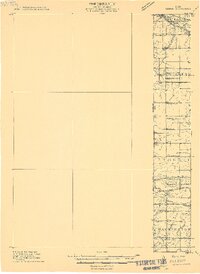 1911 Berne1911 Print · USGSThe Ohio-Indiana borderlands come to life in this pre-war survey of the rural landscape between the St. Marys and Wabash rivers. Genealogists can trace family footprints through numerous district sites like Duck Creek School No 4, St Anthony, and Zion Church.
 - 1911 Map of Spencerville, 1942 Print
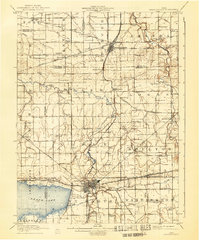 1911 Spencerville1942 Print · USGSWestern Ohio in the early 1900s was a hub of canal and rail transport, anchored by the industrial and shipping activity in St Marys. Genealogists and historians can trace numerous rural schoolhouses like Hardscrabble School and the path of the Miami and Erie Canal.
 - 1911 Map of Delphos, 1942 Print
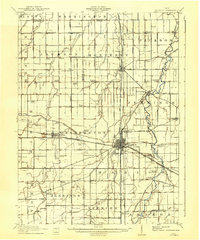 1911 Delphos1942 Print · USGSNorthwest Ohio at the height of the steam and electric rail era shows a landscape deeply organized by section lines and turnpikes. Genealogists can trace rural family life through dozens of named sites like Eickholt School, Horeb Church, and the town of Landeck.
 - 1914 Map of Celina, 1942 Print
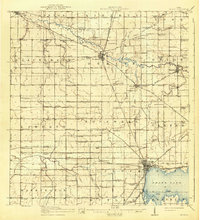 1914 Celina1942 Print · USGSMercer County's agricultural and railway hub at Celina is captured here in the years before the Great War. Genealogists and local historians can pinpoint dozens of rural schoolhouses and crossroads settlements, including Skeels Crossroads, St Anthony, and the County Infirmary.
 - 1914 Map of Van Wert, 1942 Print
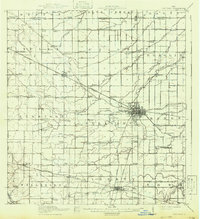 1914 Van Wert1942 Print · USGSWestern Ohio’s agricultural heartland is documented here just before the First World War, when electric interurban lines still connected rural townships. Genealogists can locate named local landmarks like Sugar Grove Church, Wolfcale School, and the village of Venedocia.
 - 1944 Map of Delphos
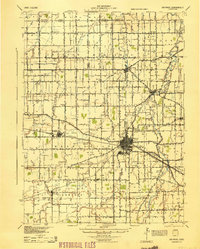 1944 Delphos1944 Print · USGSThe rail-and-river landscape of West-Central Ohio is captured here during the mid-forties, showing the intersection of three counties. Genealogists can locate family roots via dozen of named schools like Raabe Sch and churches such as Morris Chapel or the Mennonite Cem.
 - 1944 Map of Van Wert
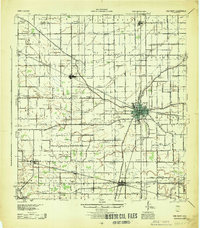 1944 Van Wert1944 Print · USGSVan Wert County was a bustling rail and road nexus during the 1940s, centered on the intersection of the Pennsylvania Railroad and Lincoln Highway. Researchers can trace dozens of local landmarks from Willshire to Scott, including numerous rural schoolhouses like Gunsett Sch and country parishes like Asbury Ch.
 - 1944 Map of Celina
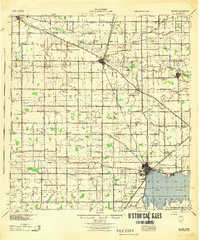 1944 Celina1944 Print · USGSMercer and Van Wert counties in the mid-1940s show a landscape of productive farmland and lakeside life. Genealogists can locate dozens of country schoolhouses like Victor Sch and trace family roots in settlements from St Anthony to Willshire.
 - 1944 Map of Spencerville
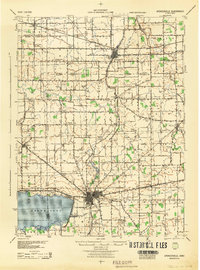 1944 Spencerville1944 Print · USGSMid-century Western Ohio is shown here at the height of its rail and canal era. Genealogists can trace family roots through dozens of rural landmarks like Deep Cut Sch, Walnut Grove Church, and the Artesian Well at St Marys.
 - 1953 Map of Muncie, 1966 Print
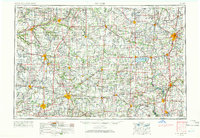 1953 Muncie1966 Print · USGSIndiana and Ohio borderlands thrive in the early fifties, showing a landscape defined by manufacturing cities and an intensive railroad network. Genealogists can trace family roots across the Indiana-Ohio line through Muncie, Celina, and Portland via the Pennsylvania railroad.5 unique versions available
 - 1956 Map of Muncie
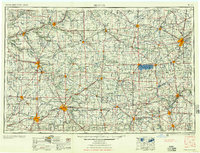 1956 Muncie1956 Print · USGSEastern Indiana and western Ohio are shown at a peak of rail-driven industry in the mid-fifties. Genealogists and rail historians can trace the paths of the Pennsylvania RR through Muncie or locate landmarks like Lake Saint Marys (Grand Lake Reservoir) and Frances Slocum State Forest.
 - 1960 Map of Convoy, 1961 Print
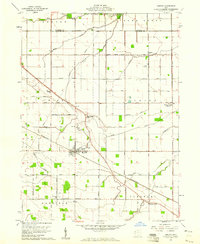 1960 Convoy1961 Print · USGSSurrounding the rail hub of Convoy in the early 1960s, this area of Van Wert County is a landscape of established family farms and country churches. Researchers can locate the Convoy Union Jr High Sch, find Union Quarries, and trace family roots at St Johns Cem.3 unique versions available
 - 1960 Map of Ottoville, 1961 Print
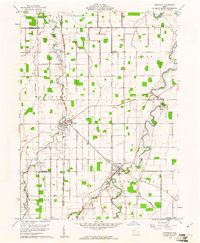 1960 Ottoville1961 Print · USGSNorthwestern Ohio's agricultural landscape is seen here in the early sixties, defined by the winding Auglaize River and the old canal route. Genealogists can trace family landmarks and burial sites like St Marys Cem, Antioch Ch, and the hamlet of Muntanna.2 unique versions available
 - 1960 Map of Dixon, 1961 Print
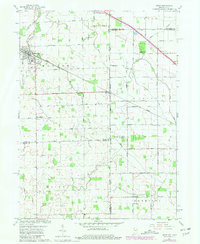 1960 Dixon1961 Print · USGSThe Indiana-Ohio borderlands come into focus in the early sixties, showing a landscape shaped by rural townships and the CONRAIL railroad. Local historians can trace family roots at Odd Fellows Cem and Alpha Cem or locate old community centers like Mentzer Ch.5 unique versions available
 - 1960 Map of Delphos, 1961 Print
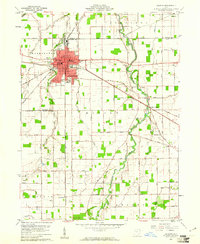 1960 Delphos1961 Print · USGSDelphos and the surrounding farm townships of Allen and Van Wert counties are captured here at the start of the 1960s. Researchers can trace the legacy of the Miami and Erie Canal (Abandoned) alongside active rail lines and rural landmarks like Morris Chapel and Landeck.3 unique versions available
 - 1960 Map of Scott, 1961 Print
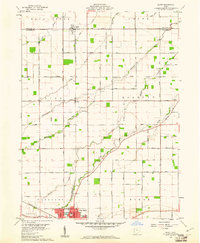 1960 Scott1961 Print · USGSNorthwestern Ohio farmland at the start of the sixties is meticulously gridded here, showing the rural communities between Scott and Van Wert. Genealogists can trace family sites near Grand Victory Ch, Oakland Cem, and the small settlement of Cavett.4 unique versions available
 - 1960 Map of Middle Point, 1961 Print
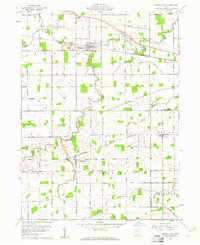 1960 Middle Point1961 Print · USGSWestern Ohio farm country and rail corridors are preserved here as they appeared in the early sixties. Genealogists and local researchers can trace family lands near Venedocia and Landeck or locate burials at King Cem and Horeb Cem.3 unique versions available
 - 1960 Map of Mendon, 1961 Print
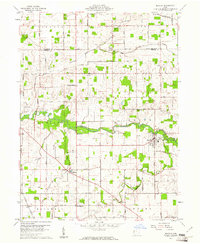 1960 Mendon1961 Print · USGSMercer and Van Wert counties are captured in the early 1960s, showing a landscape of productive farmsteads and rural crossroads. Local researchers can trace the New York Central rail line through Mendon or locate family sites like Frisinger Cem and Wesley Chapel.2 unique versions available
 - 1960 Map of Rockford, 1961 Print
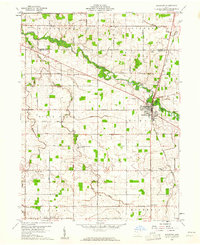 1960 Rockford1961 Print · USGSMercer and Van Wert counties are captured here at the start of the sixties, showcasing a landscape defined by the St Marys River and a busy rail junction. Genealogists can trace family names through landmarks like Riverside Cem, Fountain Chapel Cem, and the rural Bursville settlement.
 - 1960 Map of Elgin, 1961 Print
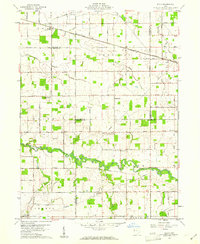 1960 Elgin1961 Print · USGSWestern Ohio farmland is captured here in the early sixties at the meeting point of four counties. Genealogists and historians can trace family-named landmarks like Fissel Lauth Cem and Hankin Cem or locate the village of Elgin along the Erie Lackawanna Railroad.
 - 1960 Map of Van Wert, 1961 Print
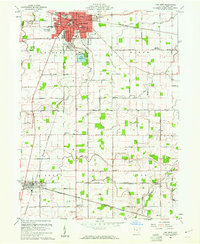 1960 Van Wert1961 Print · USGSVan Wert and its surrounding townships are shown here in the early sixties at a peak of rail and road connectivity. Genealogists can trace family names through rural sites like Wallick Cem, St Peters Ch, and the small community of Jonestown.3 unique versions available
 - 1960 Map of Glenmore, 1961 Print
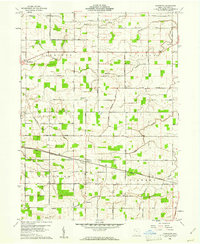 1960 Glenmore1961 Print · USGSThe rural Van Wert County landscape during the early 1960s was an intricate network of rail lines and farming crossroads. Researchers can trace family history through sites like Balyeat Cem or follow the paths of the Erie Lackawanna Railroad through Glenmore.2 unique versions available
 - 1960 Map of Wetsel, 1961 Print
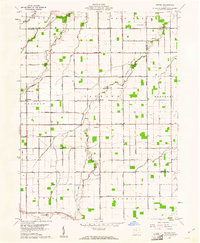 1960 Wetsel1961 Print · USGSVan Wert and Paulding Counties at the start of the 1960s show a structured rural landscape defined by straight section-line roads and family-named landmarks. Researchers can trace the exact locations of Harmony Ch, the Tri-County Airport, and small settlements like Wetsel and Seamersville.3 unique versions available
 - 1960 Map of Wren, 1962 Print
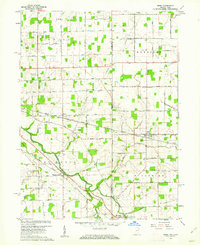 1960 Wren1962 Print · USGSThe Indiana-Ohio borderlands at the start of the 1960s reveal a landscape defined by the St Marys River and major rail lines. Genealogists can trace family names at Old Mt Tabor Cem or locate the Covered Bridge at Pleasant Mills.3 unique versions available
 - 1960 Map of Willshire, 1964 Print
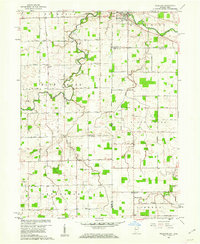 1960 Willshire1964 Print · USGSThe Indiana-Ohio borderlands come into focus in the early sixties as a patchwork of small farms and crossroads hamlets. Genealogists and historians can locate family landmarks like Tricker Cem, Blue Creek Sch, and the riverside village of Willshire.3 unique versions available
Showing maps 1-25 of 96
Top cities of Van Wert County
- Van Wert historical maps
- Convoy historical maps
- Ohio City historical maps
- Hoaglin historical maps
- Middle Point historical maps
- Willshire historical maps
See more
Frequently asked questions
- What are the different types of historical maps available for Van Wert County?
- What is the oldest map of Van Wert County?
- Where can I purchase historical maps of Van Wert County for my home or office?
- Where can I download high-res historical maps of Van Wert County?
- Are there historical topographic maps available for Van Wert County?
- Is there historical aerial imagery available for Van Wert County?
- Where are historical maps of Van Wert County sourced from?