Old Maps of Falcon Landing, Bowling Green
Explore 21 old maps of Falcon Landing, spanning from 1901 to today. These high-resolution historic maps reveal how streets, neighborhoods, landmarks, and natural features evolved over time — perfect for genealogy, metal detecting, research, and local history exploration.
What you can do with these maps:
- See how Falcon Landing changed over time: Compare historical maps to modern-day views to trace roads, homesites, rail lines & more.
- View detailed metadata: Each map includes creators, publishers, year, scale, and archive source.
- Overlay maps with satellite & LiDAR: Visualize the past alongside modern tools to explore terrain & human change.
- Trusted historical sources: Maps sourced from the USGS, Library of Congress, and other archives.
- Access maps your way: View online, download high-res files, or order prints for personal or research use.
Start exploring old maps of Falcon Landing to uncover forgotten places, hidden landmarks, and the deep history beneath your feet.
Falcon Landing, Bowling Green maps
(21)- 1901 Map of Bowling Green, 1958 Print
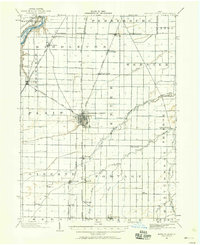 1901 Bowling Green1958 Print · USGSWood County at the turn of the century is a hub of steam and rail traffic centered on the growing seat of Bowling Green. Researchers can trace old family sites and rural settlements like Hull Prairie, Tontogany, and Jerry City across a landscape of early railroad lines.
 - 1903 Map of Bowling Green
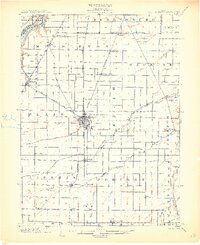 1903 Bowling Green1903 Print · USGSWood County at the turn of the century is a dense web of steam railroads and electric interurban lines connecting agricultural hubs. Researchers can trace the path of the Miami and Erie Canal or locate small settlements like Sugar Ridge, Tontogany, and Jerry City.3 unique versions available
 - 1938 Map of Tontogany
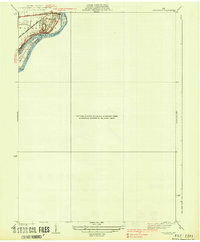 1938 Tontogany1938 Print · USGSThe Maumee River corridor in the late thirties is captured here at a major rail and road junction. Local historians can trace the early industrial footprint of Waterville and the Waterville Quarry, or locate river landmarks like Roche de Boeuf.2 unique versions available
 - 1952 Map of Tontogany, 1953 Print
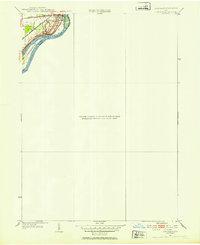 1952 Tontogany1953 Print · USGSThe riverfront town of Waterville is captured here in the early fifties, situated along a prominent stretch of the Maumee. Local historians can trace the paths of the New York Chicago and St Louis railroad and landmarks like Roche de Boeuf and Missionary Island.
 - 1956 Map of Toledo, 1968 Print
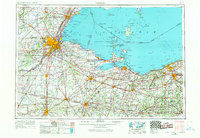 1956 Toledo1968 Print · USGSNorthwest Ohio and the Lake Erie shoreline are shown in detail during the late fifties, showcasing a landscape of heavy industry, railroads, and island communities. Genealogists and historians can trace rail networks like the Chesapeake & Ohio RR or locate landmarks such as the Erie Proving Ground and Kelleys Island.4 unique versions available
 - 1958 Map of Bowling Green South, 1960 Print
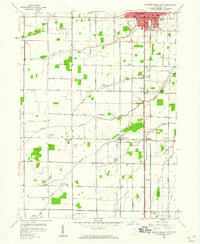 1958 Bowling Green South1960 Print · USGSWood County south of Bowling Green was a landscape of fertile plains and busy rail lines in the late fifties. Genealogists and local historians can trace the foundations of Digby, Rudolph, and Mermill, or locate family sites near Wingston Cemetery and Mt Zion Ch.2 unique versions available
 - 1958 Map of Bowling Green North, 1960 Print
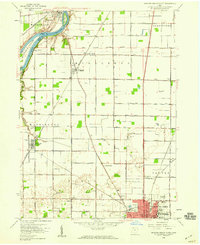 1958 Bowling Green North1960 Print · USGSWood County in the late fifties shows a landscape of river-bend settlements and expanding academic grounds. Researchers can trace the mid-century footprint of Bowling Green State University or locate family sites near Tontogany Cem and Haskins.6 unique versions available
 - 1961 Map of Toledo
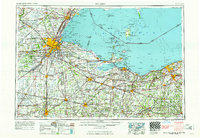 1961 Toledo1961 Print · USGSThe western basin of Lake Erie and the industrial heart of Northern Ohio are captured here during the post-war era. Researchers can trace historical rail lines like the New York Central or locate landmarks like the Erie Ordnance Depot and Pelee Island.
 - 1986 Map of Findlay
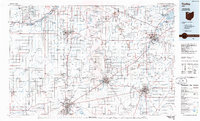 1986 Findlay1986 Print · USGSNorthwest Ohio's industrial and agricultural heartland is documented here in the mid-1980s, centered on the major hubs of Findlay, Fostoria, and Tiffin. Researchers can trace the intersections of the BALTIMORE AND OHIO railroad and family sites near Greenlawn Cem or Sagar Ridge.2 unique versions available
 - 1994 Map of Bowling Green South, 1998 Print
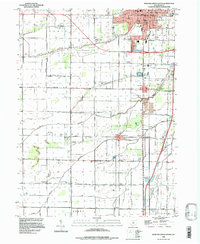 1994 Bowling Green South1998 Print · USGSWood County's agricultural heartland is documented here in the mid-1990s as the suburbs of Bowling Green expanded southward. Genealogists and local historians can trace family-named landmarks like Sargeant Cem and old crossroads hamlets such as Rudolph, Mermill, and Portage.
 - 1994 Map of Bowling Green North, 1998 Print
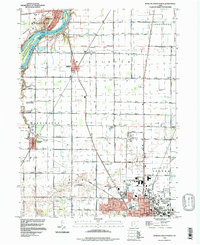 1994 Bowling Green North1998 Print · USGSThe Maumee River and the expanding campus of Bowling Green define this Wood County landscape in the mid-1990s. Genealogists can trace family names through the Union Hill Cem and Miltonville Cem or locate the old Plain Ch among the structured farmlands.
 - 2010 Map of Bowling Green South, 2010 Print
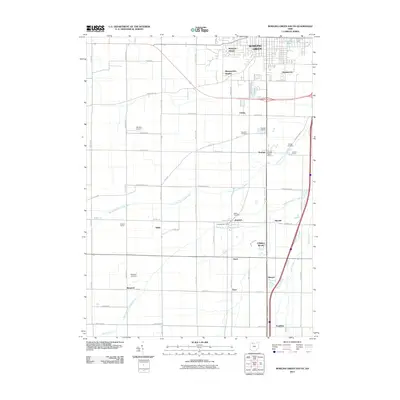 2010 Bowling Green South2010 Print · USGSThe rural expanses south of BOWLING GREEN are seen here at the start of the 2010s, showing a landscape defined by agriculture and small hamlets. Genealogists and local historians can locate several family and community landmarks, including Sargeant Cemetery, Bateson Farms, and the Portage Post Office.
 - 2010 Map of Bowling Green North, 2010 Print
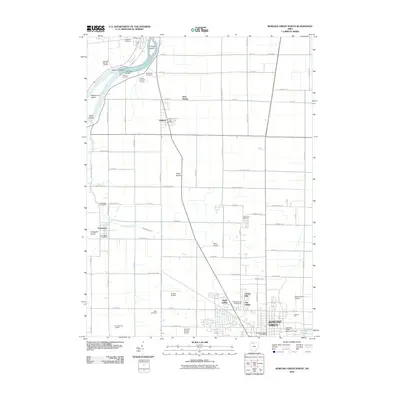 2010 Bowling Green North2010 Print · USGSNorthern Wood County in the early twenty-first century shows a landscape of productive prairies and growing university town outskirts. Researchers can trace historic river landmarks like Roche de Boeuf and the Interurban Bridge alongside the sprawling grounds of Bowling Green State University.
 - 2013 Map of Bowling Green North, 2013 Print
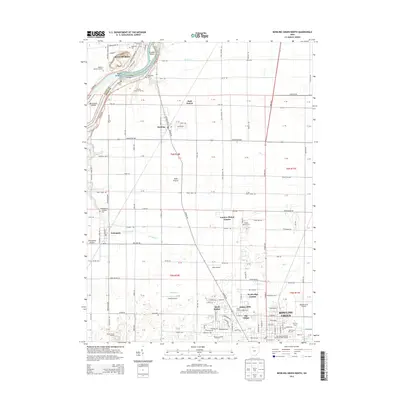 2013 Bowling Green North2013 Print · USGSNorthwest Ohio's agricultural and academic heartland is captured here in the early twenty-first century. Researchers can locate numerous family burial sites such as Miltonville Cem and Opperman Cem, or trace the grounds of the Bowling Green State University Main Campus.
 - 2013 Map of Bowling Green South, 2013 Print
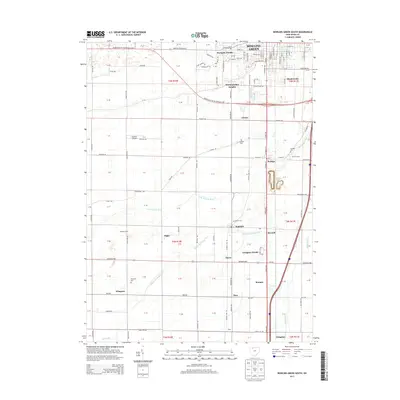 2013 Bowling Green South2013 Print · USGSThe southern outskirts of Bowling Green and rural Wood County are captured here in the early twenty-first century as suburban growth met traditional farmland. Genealogists and local historians can locate smaller settlements like Rudolph and Wingston or find family plots at Portage Cem and Sargeant Cem.
 - 2016 Map of Bowling Green North, 2016 Print
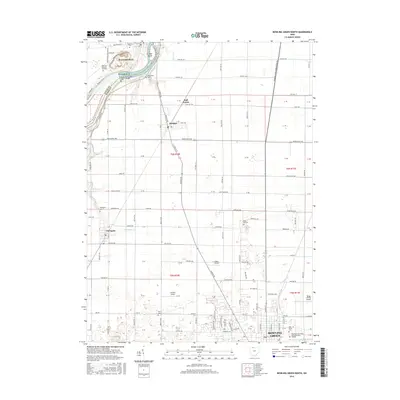 2016 Bowling Green North2016 Print · USGSNorthern Wood County in the mid-2010s shows the growth of university life and regional aviation near the Maumee River. Researchers can trace historic cemeteries like Wakeman Cem and Dunlap Cem or find the landmark Roche de Boeuf near Waterville.
 - 2016 Map of Bowling Green South, 2016 Print
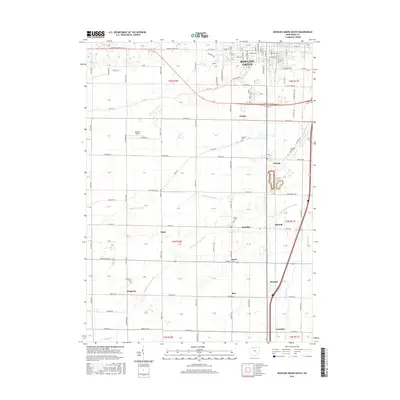 2016 Bowling Green South2016 Print · USGSWood County south of the county seat reveals a landscape of small agricultural hamlets and river branches during the twenty-first century. Researchers can trace family roots at Sargeant Cem or explore historic settlement sites like Rudolph, Mermill, and Wingston.
 - 2019 Map of Bowling Green North, 2019 Print
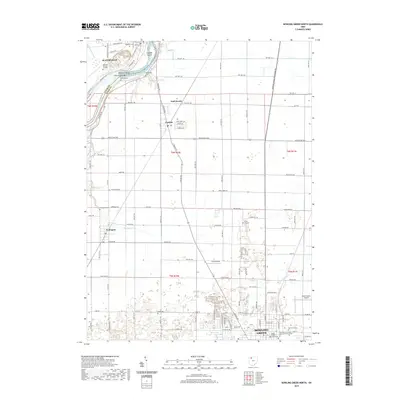 2019 Bowling Green North2019 Print · USGSBowling Green and the Wood County countryside are documented here in the modern era as the city expands toward the Maumee River. Genealogists and local historians can trace legacy burial sites like Union Hill Cem and landmarks such as the Wood County Courthouse.
 - 2019 Map of Bowling Green South, 2019 Print
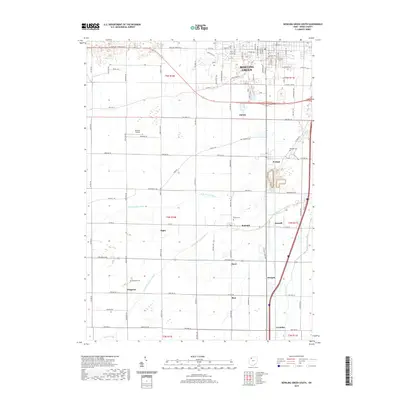 2019 Bowling Green South2019 Print · USGSWood County farmland south of BOWLING GREEN is captured here in the late 2010s, showing a landscape defined by its river branches and rural hamlets. Genealogists can trace family roots through sites like Sargeant Cem or the old crossroads at Rudolph, Mermill, and Bays.
 - 2023 Map of Bowling Green South, 2023 Print
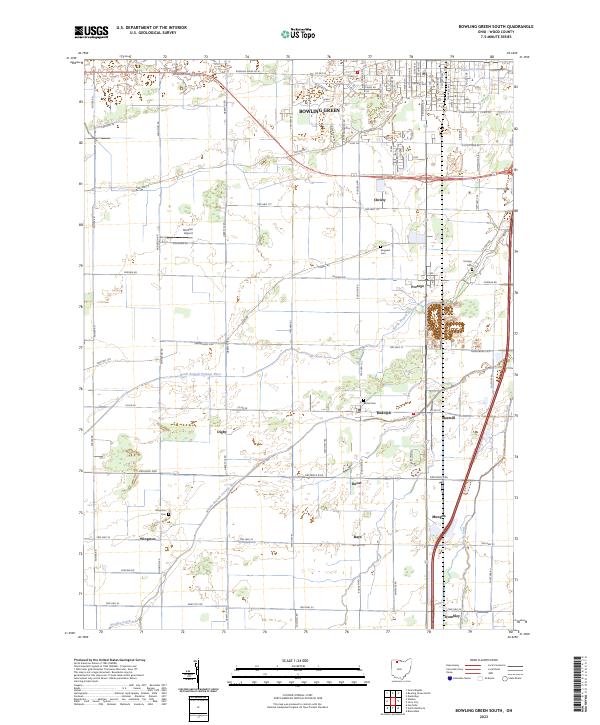 2023 Bowling Green South2023 Print · USGSWood County agricultural and water patterns are visible in the modern era south of the city. Researchers can trace rural cemeteries like Bethel Cem and small settlements including Rudolph and Wingston.
 - 2023 Map of Bowling Green North, 2023 Print
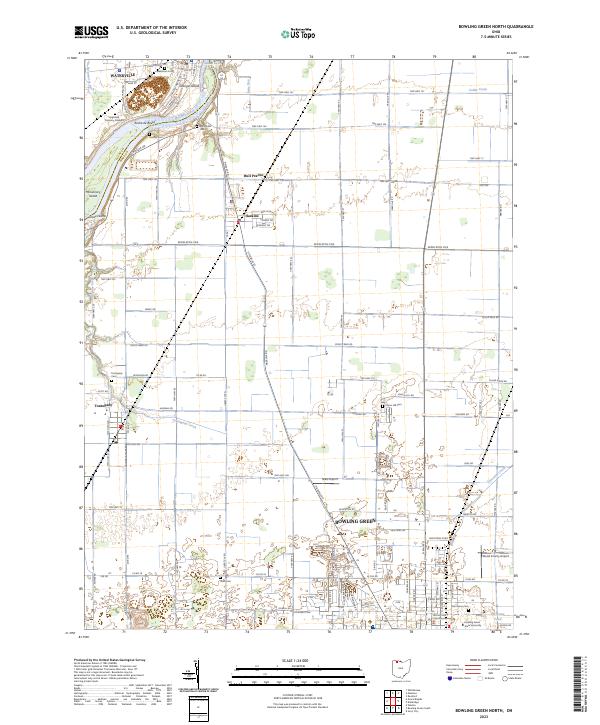 2023 Bowling Green North2023 Print · USGSWood County in the 2020s shows the continued growth of the university city and the surrounding agricultural hamlets. Genealogists can locate family sites near Plain Cemetery or Union Hill Cemetery, and trace the riverfront at Roche de Boeuf.
End of results
Showing maps 1-21 of 21
Frequently asked questions
- What are the different types of historical maps available for Falcon Landing?
- What is the oldest map of Falcon Landing?
- Where can I purchase historical maps of Falcon Landing for my home or office?
- Where can I download high-res historical maps of Falcon Landing?
- Are there historical topographic maps available for Falcon Landing?
- Is there historical aerial imagery available for Falcon Landing?
- Where are historical maps of Falcon Landing sourced from?