Old Maps of Cache, Oklahoma
Explore 38 old maps of Cache, spanning from 1937 to today. These high-resolution historic maps reveal how streets, neighborhoods, landmarks, and natural features evolved over time — perfect for genealogy, metal detecting, research, and local history exploration.
What you can do with these maps:
- See how Cache changed over time: Compare historical maps to modern-day views to trace roads, homesites, rail lines & more.
- View detailed metadata: Each map includes creators, publishers, year, scale, and archive source.
- Overlay maps with satellite & LiDAR: Visualize the past alongside modern tools to explore terrain & human change.
- Trusted historical sources: Maps sourced from the USGS, Library of Congress, and other archives.
- Access maps your way: View online, download high-res files, or order prints for personal or research use.
Start exploring old maps of Cache to uncover forgotten places, hidden landmarks, and the deep history beneath your feet.
Cache, OK maps
(38)- 1937 Map of Cache
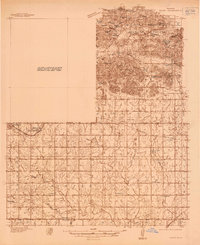 1937 Cache1937 Print · USGSComanche County reveals its dual nature in the late thirties, split between the high peaks of the Wichita Mountains and the rural farmsteads to the south. Genealogists and historians can locate vanished landmarks like Quilla Sch, Deyo Sch, and the Cache Cem during the height of the local rail-and-ranch economy.
 - 1937 Map of Quanah Mountain
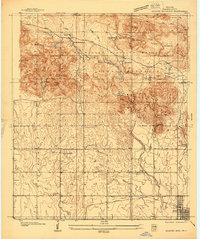 1937 Quanah Mountain1937 Print · USGSComanche County during the late 1930s shows a landscape of conservation and transition between the Wichita Mountains and the plains. Researchers can locate New Deal-era infrastructure at C C C Camp No 870 and cultural sites like Post Oak Mission.
 - 1942 Map of Cache
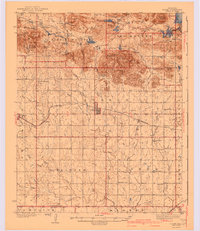 1942 Cache1942 Print · USGSComanche County during the late 1930s reveals a unique landscape where the Wichita Mountains Wildlife Refuge meets the rail-side towns of the plains. Genealogists can trace rural life through sites like Post Oak Mission, Devo Memorial Chapel, and the Spring Valley Sch.3 unique versions available
 - 1949 Map of Mount Scott, 1952 Print
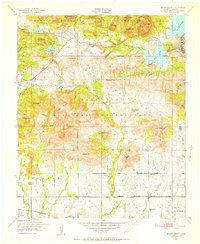 1949 Mount Scott1952 Print · USGSThe Wichita Mountains meet the Fort Sill Military Reservation in the late 1940s, showing a landscape of granite peaks and new reservoirs. Genealogists and historians can locate Medicine Park, the Spring Valley Sch, and the Easter Pageant grounds.2 unique versions available
 - 1949 Map of Quanah Mountain, 1953 Print
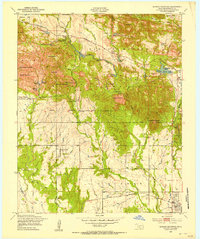 1949 Quanah Mountain1953 Print · USGSComanche County reveals a complex landscape of wildlife preservation and Comanche heritage just after the war. You can trace the locations of the Old Star House, Post Oak Mission, and Quanah Parker Camp alongside the granite peaks of Elk Mountain and Quanah Mountain.2 unique versions available
 - 1955 Map of Lawton, 1958 Print
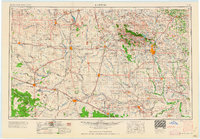 1955 Lawton1958 Print · USGSSouthwestern Oklahoma and North Texas are shown here in the mid-fifties, dominated by the Wichita Mountains and the vital Red River watershed. Genealogists and historians can trace the foundations of Lawton alongside rural landmarks like Rainy Mountain Church and Pleasant Hill School.5 unique versions available
 - 1956 Map of Post Oak Creek, 1959 Print
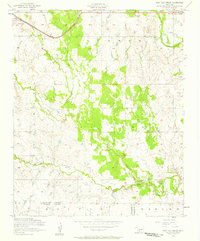 1956 Post Oak Creek1959 Print · USGSSouthwestern Oklahoma's agricultural and mission history comes into focus in the mid-1950s near the Comanche and Tillman county line. Researchers can trace the St Louis - San Francisco rail corridor and find the Nazarene (Indian) Mission near Indiahoma.2 unique versions available
 - 1956 Map of Quanah Mountain, 1959 Print
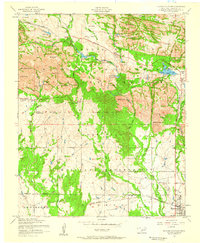 1956 Quanah Mountain1959 Print · USGSThe Wichita Mountains in the mid-fifties reveal a landscape of military training grounds and wildlife conservation just north of the rail lines. Trace the development of Indiahoma and Cache, find the curious Official Dog Town, and locate family sites near Quanah Parker Lake.4 unique versions available
 - 1956 Map of Mount Scott, 1959 Print
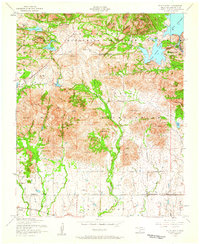 1956 Mount Scott1959 Print · USGSThe Wichita Mountains in the mid-fifties reveal a unique landscape shared between the Fort Sill Military Reservation and federal wildlife lands. Researchers can trace the layout of Medicine Park, find the Holy City Church, and locate the St Louis San Francisco rail line through Cache.5 unique versions available
 - 1956 Map of Taupa, 1959 Print
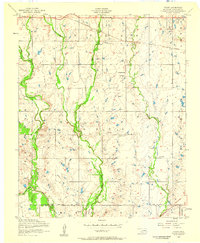 1956 Taupa1959 Print · USGSSouthern Oklahoma at the height of the 1950s reveals a landscape of rural homesteads and winding creek beds south of the Wichita Mountains. Researchers can locate family landmarks like Deyo Cemetery, Wesley Chapel, and the whistle-stop of Taupa.3 unique versions available
 - 1956 Map of Cache, 1960 Print
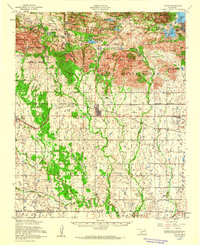 1956 Cache1960 Print · USGSSouthwestern Oklahoma at the peak of the mid-century era shows a landscape defined by federal land reserves and rural rail towns. Researchers can trace family history at the Deyo Memorial Chapel or explore the early footprints of Cache and Indiahoma.3 unique versions available
 - 1981 Map of Lawton
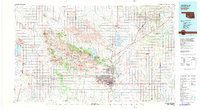 1981 Lawton1981 Print · USGSSouthwestern Oklahoma in the early eighties shows a landscape shaped by military history and the rising peaks of the Wichitas. Researchers can trace the boundaries of the Fort Sill Military Reservation and locate early settlements like Meers, Chattanooga, and Richards Spur.
 - 1991 Map of Taupa, 1992 Print
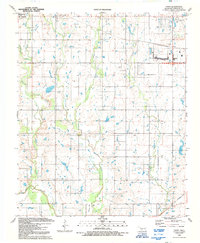 1991 Taupa1992 Print · USGSComanche County is shown at the start of the nineties as a landscape of established rural communities and small-town growth. Researchers can locate specific family burial sites at Deyo Cem and Pecan Cem or trace the path of the old railroad grade.
 - 1991 Map of Mount Scott, 1992 Print
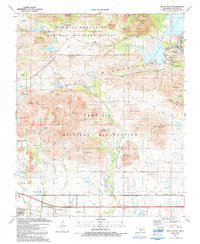 1991 Mount Scott1992 Print · USGSComanche County is shown at a time when the peaks of the Wichita Mountains met the expansive training grounds of Fort Sill. Researchers can locate the grounds of The Holy City, trace the streets of Medicine Park, or find family sites near Cache Cemetery and Komah Mem Ch.
 - 1991 Map of Quanah Mountain, 1992 Print
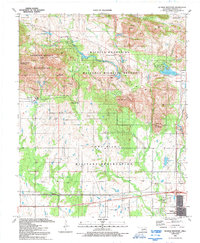 1991 Quanah Mountain1992 Print · USGSThe Wichita Mountains at the start of the 1990s reveal a landscape split between wildlife conservation and military operations. Trace the early mining history at Bonanza Mine or explore the transition from the Charons Garden Wilderness to the Fort Sill Military Reservation.2 unique versions available
 - 1991 Map of Post Oak Creek, 1992 Print
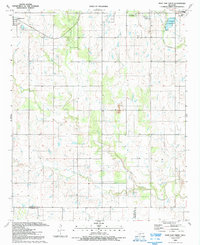 1991 Post Oak Creek1992 Print · USGSComanche County during the early nineties reveals a landscape of tribal centers and rural prairie settlements. Trace ancestral roots and local history at the Comanche Tribal Cultural Center, Cache Indian Cem, and the town of Indiahoma.
 - 1997 Map of Quanah Mountain, 1999 Print
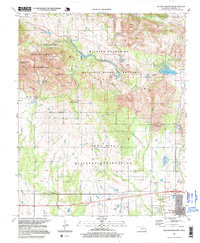 1997 Quanah Mountain1999 Print · USGSComanche County during the late nineties reveals a stark division between preserved wilderness and military territory. Genealogists and historians can trace old landmarks like the Peprington Mine, the settlement of Cache, and family-favored spots like Eagle Park.2 unique versions available
 - 1997 Map of Mount Scott, 2000 Print
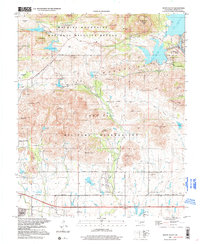 1997 Mount Scott2000 Print · USGSComanche County during the late nineties shows a fascinating intersection of military training grounds and wildlife conservation. Genealogists and local historians can trace the area around Cache, the resort streets of Medicine Park, or the grounds of The Holy City.
 - 2009 Map of Taupa, 2009 Print
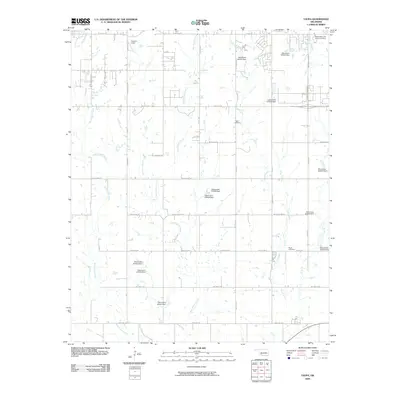 2009 Taupa2009 Print · USGSLawton’s western outskirts and the surrounding Comanche County prairie are captured here in the late 2000s. Researchers can trace land use near Deyo Cemetery, find Huscher Field, and study the dozens of small local reservoirs like Oknoname 031037 Dam.
 - 2010 Map of Mount Scott, 2010 Print
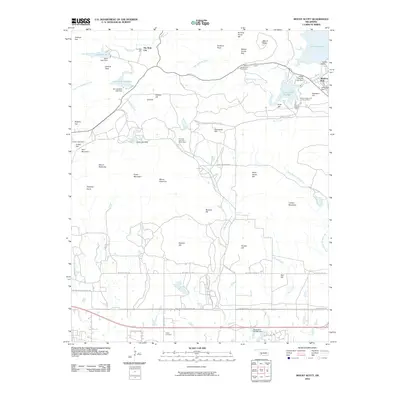 2010 Mount Scott2010 Print · USGSThe peaks and reservoirs north of Lawton come into focus in this 2010 survey of the Wichita Mountains area. Genealogists and historians can locate The Holy City, trace the grounds of Medicine Park, or find family names at Cache Cemetery.
 - 2010 Map of Quanah Mountain, 2010 Print
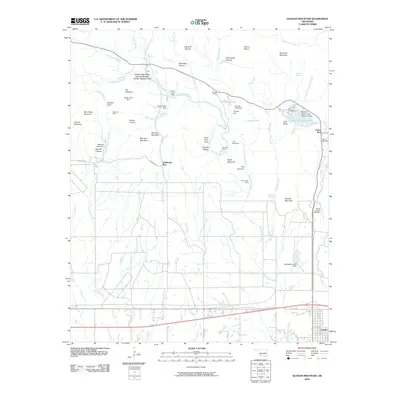 2010 Quanah Mountain2010 Print · USGSThe Wichita Mountains of Oklahoma are shown in the early twenty-first century, featuring a mix of protected wilderness and local settlements. Researchers can locate the Bonanza Mine, trace the Indiahoma Wye, or explore the grounds of the Wichita Mountains National Wildlife Refuge Headquarters.
 - 2010 Map of Post Oak Creek, 2010 Print
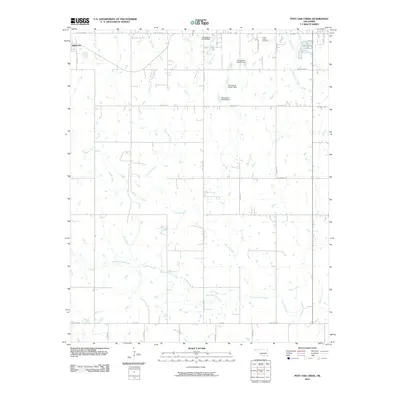 2010 Post Oak Creek2010 Print · USGSIndiahoma and the surrounding Comanche County ranchlands are captured here in the early twenty-first century. Genealogists and historians can locate the Cache Indian Cemetery or trace the original paths of Old US Hwy 62 and Post Oak Creek.
 - 2012 Map of Quanah Mountain, 2012 Print
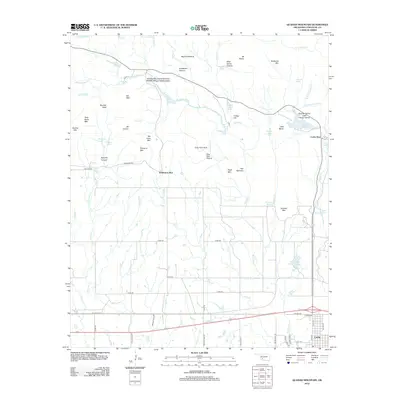 2012 Quanah Mountain2012 Print · USGSThe Wichita Mountains of Comanche County are documented here in detail during the early 21st century. Researchers can locate the Wichita Mountains National Wildlife Refuge Headquarters, trace the road network near Cache, and identify local landmarks like Winborn Spring and Forty Foot Hole.
 - 2012 Map of Mount Scott, 2012 Print
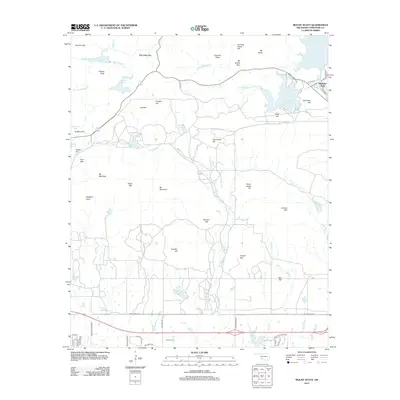 2012 Mount Scott2012 Print · USGSComanche County’s high peaks and resort lakes are captured here in the early 2000s, centered on the landmark of Mt Scott. Researchers can trace local landmarks like The Holy City, Medicine Park, and the long-established Cache Cemetery.
 - 2012 Map of Taupa, 2012 Print
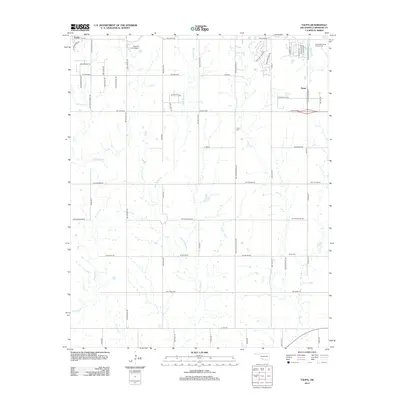 2012 Taupa2012 Print · USGSComanche County during the early 21st century shows a landscape where industrial scale meets rural tradition. Genealogists and local historians can locate several burial sites like Deyo Cem and Pecan Cem, or trace the grounds of the massive Goodyear Plant.
Showing maps 1-25 of 38
Top cities near Cache
- Lawton historical maps
- Geronimo historical maps
- Chattanooga historical maps
- Medicine Park historical maps
- Indiahoma historical maps
- Faxon historical maps
Frequently asked questions
- What are the different types of historical maps available for Cache?
- What is the oldest map of Cache?
- Where can I purchase historical maps of Cache for my home or office?
- Where can I download high-res historical maps of Cache?
- Are there historical topographic maps available for Cache?
- Is there historical aerial imagery available for Cache?
- Where are historical maps of Cache sourced from?