Old Maps of Fisher, Sand Springs for Genealogy
Trace your family roots with 11 historic maps of Fisher. These high-res maps reveal old neighborhoods, homesites, landmarks, and streets — helping you uncover where your ancestors lived and how the area evolved over time.
- Explore historic neighborhoods: Identify where your relatives may have lived in the 1800s or 1900s.
- Compare maps over time: Trace the changes in streets, buildings, and landmarks for multi-generational research.
- Perfect for genealogy & ancestry research: Used by family historians and researchers to map out lineage and migration.
These maps are an incredible resource for exploring your personal connection to Fisher's past.
Fisher, Sand Springs maps
(11)- 1912 Map of Hominy, 1960 Print
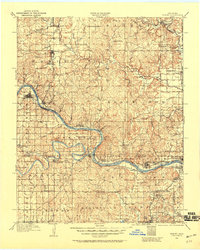 1912 Hominy1960 Print · USGSNortheastern Oklahoma comes alive in this pre-reservoir survey, documenting the river-valley settlements and tribal lands of the early statehood era. Genealogists can locate dozens of country schools and sites like Black Dog (Indian Village) or the early Oil City Barnsdall P O.
 - 1915 Map of Hominy
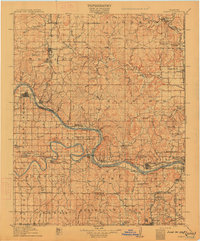 1915 Hominy1915 Print · USGSOsage and Creek counties come to life in the years before the Great War, showing a landscape defined by river confluences and the expansion of the rail industry. Genealogists can locate early settlements like Black Dog and schools like Dripping Spring School or Sunset School.2 unique versions available
 - 1955 Map of Enid, 1966 Print
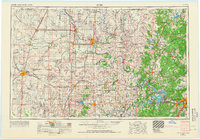 1955 Enid1966 Print · USGSNorth-central Oklahoma's transition from open plains to the blackjack hills of the Osage Indian Reservation is captured in the mid-1950s. Researchers can trace the development of the Naval Reserve Oil Field, the grounds of Vance AFB, and the early footprints of Tulsa and Stillwater.4 unique versions available
 - 1958 Map of Enid
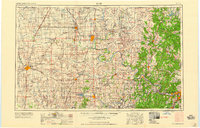 1958 Enid1958 Print · USGSNorthern Oklahoma is mapped here in the late fifties, showcasing a dense network of petroleum production and historic tribal lands. Researchers can trace the legacy of the Osage Indian Reservation, early energy hubs like the Cushing Oil Field, and the Chilocco Indian Agricultural School.2 unique versions available
 - 1958 Map of Wekiwa, 1959 Print
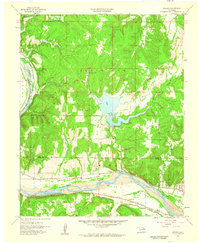 1958 Wekiwa1959 Print · USGSThe Arkansas River valley of the late 1950s was a landscape defined by the Osage Indian Reservation, heavy oil production, and vital rail lines. Genealogists and local historians can trace the foundations of Fisher and Wekiwa, along with rural landmarks like Anderson Sch and Fisher Ch.5 unique versions available
 - 1990 Map of Keystone Lake
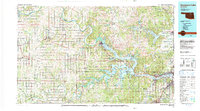 1990 Keystone Lake1990 Print · USGSNorth-central Oklahoma's landscape is captured here in the 1990s as the vast waters of Keystone Lake meet the Osage Indian Reservation. Researchers can trace old rail corridors like the St Louis-San Francisco Railway and find local landmarks such as Pawnee Bill State Park or the Oil Field at Oilton.
 - 2010 Map of Wekiwa, 2010 Print
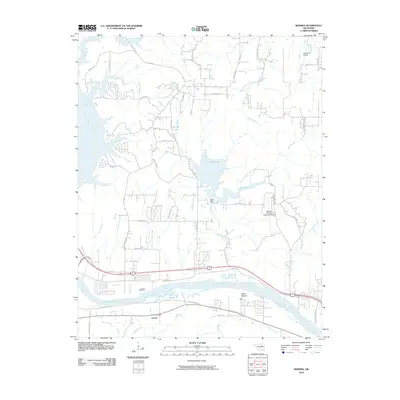 2010 Wekiwa2010 Print · USGSThe Arkansas River valley west of Tulsa comes into focus during the early 2000s, showing a landscape shaped by water and aviation. Researchers can trace the layout of Lotsee, find the Shell Dam at Shell Lake, or locate the William R Pogue Municipal Airport.
 - 2012 Map of Wekiwa, 2012 Print
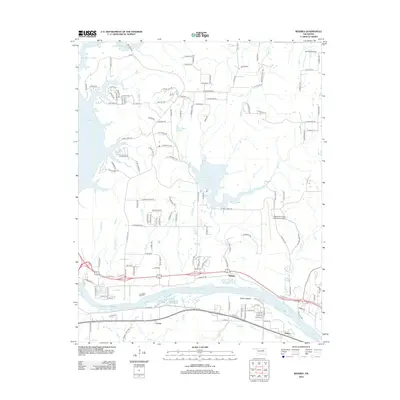 2012 Wekiwa2012 Print · USGSOklahoma's riverfront and aviation history are captured here in the early twenty-first century as the suburbs expanded west of Tulsa. Researchers can trace the river's path through Fisher Bottom or locate small settlements like Lotsee and Wekiwa.
 - 2016 Map of Wekiwa, 2016 Print
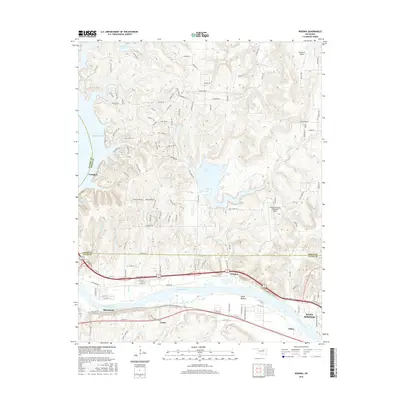 2016 Wekiwa2016 Print · USGSThe river valley and lake country west of Tulsa are shown here during the mid-2010s. Researchers can trace the Arkansas River through Fisher Bottom or locate family-named road networks near Wekiwa and William R Pogue Municipal Airport.
 - 2018 Map of Wekiwa, 2018 Print
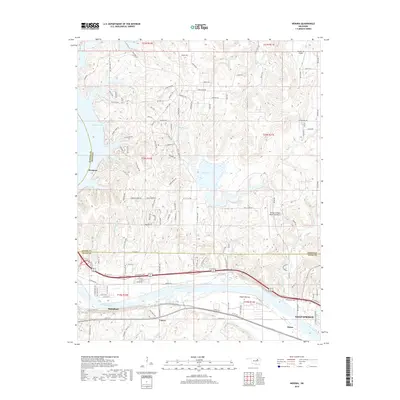 2018 Wekiwa2018 Print · USGSThe Arkansas River valley west of Tulsa is captured here in the late 2010s, showing the development around the Keystone Expressway. Genealogists and local historians can trace the riverside communities of Lotsee, Fisher, and Wekiwa, or locate the William R Pogue Municipal Airport.
 - 2022 Map of Wekiwa, 2022 Print
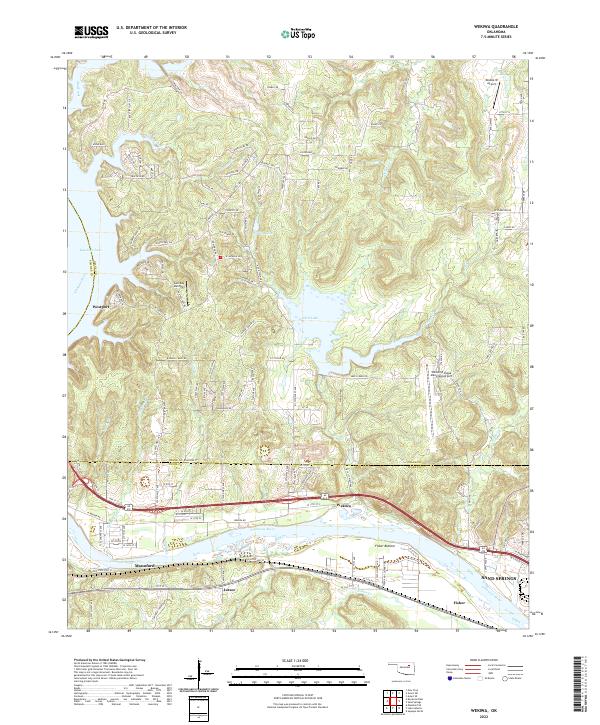 2022 Wekiwa2022 Print · USGSThe riverbanks and lakefronts of the Oklahoma interior are captured in this recent survey of the lands between the Arkansas River and Keystone Lake. Researchers can trace local development around Westport, Mannford, and the rural community of Lotsee.
End of results
Showing maps 1-11 of 11
Top cities near Fisher
- Tulsa historical maps
- Bixby historical maps
- Sapulpa historical maps
- Sand Springs historical maps
- Jenks historical maps
- Glenpool historical maps
See more
Frequently asked questions
- What are the different types of historical maps available for Fisher?
- What is the oldest map of Fisher?
- Where can I purchase historical maps of Fisher for my home or office?
- Where can I download high-res historical maps of Fisher?
- Are there historical topographic maps available for Fisher?
- Is there historical aerial imagery available for Fisher?
- Where are historical maps of Fisher sourced from?