Old Maps of Grugan Township, Pennsylvania for Genealogy
Trace your family roots with 44 historic maps of Grugan Township. These high-res maps reveal old neighborhoods, homesites, landmarks, and streets — helping you uncover where your ancestors lived and how the area evolved over time.
- Explore historic neighborhoods: Identify where your relatives may have lived in the 1800s or 1900s.
- Compare maps over time: Trace the changes in streets, buildings, and landmarks for multi-generational research.
- Perfect for genealogy & ancestry research: Used by family historians and researchers to map out lineage and migration.
These maps are an incredible resource for exploring your personal connection to Grugan Township's past.
Grugan Township, PA maps
(44)- 1921 Map of Howard
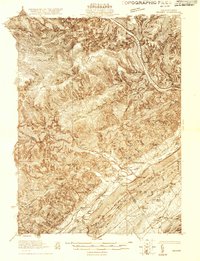 1921 Howard1921 Print · USGSThe valleys and ridges of Central Pennsylvania are captured here just as the rail-and-river economy was maturing. Researchers can trace family sites among a high density of rural schools and churches like Cedar Spring School, Hunter Run Church, and the town of Lamar.3 unique versions available
 - 1923 Map of Howard
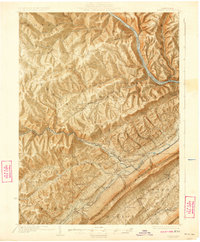 1923 Howard1923 Print · USGSThe valleys of Clinton and Center counties were bustling with rural life in the 1920s as the rail and river economy matured. Genealogists can locate over a dozen local schoolhouses like Wagner School and trace the paths of the Pennsylvania Railroad and Beech Creek Sta.6 unique versions available
 - 1943 Map of Hyner
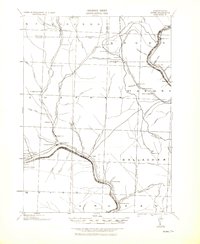 1943 Hyner1943 Print · USGSIn the central Pennsylvania highlands during the mid-1940s, the river and rail lines dictated the life of the valley. Researchers can trace the industrial corridor from Renovo Boro to remote outposts like Slate Run and Young Womanstown.
 - 1946 Map of Renovo East, 1953 Print
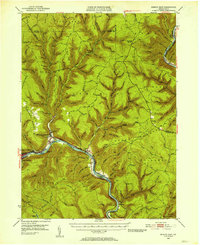 1946 Renovo East1953 Print · USGSThe industrial corridor of the West Branch Susquehanna River is seen here in the mid-1940s, showing the critical rail infrastructure of the Pennsylvania railroad. Genealogists can trace family sites in Gleasonton or Farwell and locate the St Josephs Cem.3 unique versions available
 - 1946 Map of Slate Run, 1958 Print
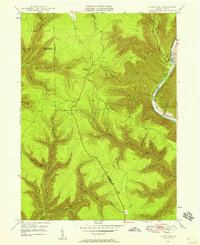 1946 Slate Run1958 Print · USGSThe wilderness of Lycoming and Clinton counties comes into focus in the mid-1940s, highlighting the riverside rail economy and high-plateau landmarks. Genealogists and researchers can trace the New York Central railroad, the Slate Run settlement, and the Pump Station Fire Tower.4 unique versions available
 - 1946 Map of Renovo East, 1958 Print
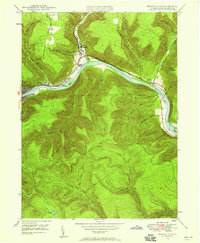 1946 Renovo East1958 Print · USGSThe West Branch Susquehanna River valley near Renovo is seen here just after the war, showing the industrial pulse of the river and rail lines. Genealogists and historians can locate Fairview Cem, the St Josephs Ch, and old settlements like Gleasonton and Farwell.4 unique versions available
 - 1946 Map of Glen Union, 1964 Print
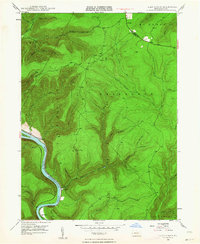 1946 Glen Union1964 Print · USGSThe West Branch Susquehanna River valley in the mid-1940s reveals a landscape of isolated river settlements and steep timbered hollows. Genealogists and historians can trace the early footprints of Glen Union, Whetham, and the Whetham Fire Tower along the river's winding course.5 unique versions available
 - 1948 Map of Renovo East
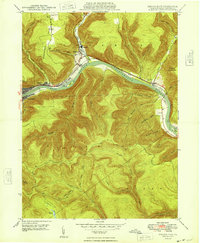 1948 Renovo East1948 Print · USGSClinton County in the late 1940s centers on the busy river corridor of the West Branch Susquehanna River and its mountain settlements. Genealogists and rail historians can trace the Pennsylvania RR through Renovo, find resting places at St Josephs Cem, and locate the Hyner Landing Field.
 - 1948 Map of Slate Run
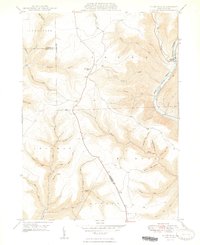 1948 Slate Run1948 Print · USGSThe Pine Creek Valley near the Lycoming and Clinton county line is shown here just after the war, when the New York Central railroad still served the riverside. Genealogists and hikers can trace the remote hollows and high points like the Pump Station Fire Tower and the Gorge near Slate Run.2 unique versions available
 - 1948 Map of Glen Union
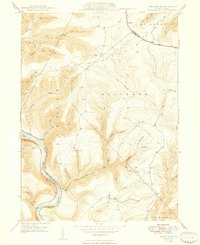 1948 Glen Union1948 Print · USGSClinton County's river valley and high plateau country are shown in detail here just after the war. Local researchers can locate isolated river settlements like Whetham and Glen Union or trace the winding path of the Bucktail Trail and the Whetham Fire Tower.2 unique versions available
 - 1954 Map of Williamsport
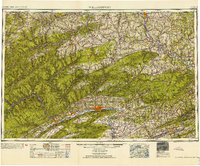 1954 Williamsport1954 Print · USGSNorth-central Pennsylvania in the mid-fifties is defined by the winding West Branch Susquehanna River and its industrial valley. Local historians can trace the massive Susquehanna Ordnance Depot and the extensive rail networks of the Pennsylvania Railroad.
 - 1960 Map of Williamsport
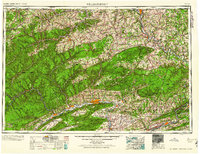 1960 Williamsport1960 Print · USGSNorth-central Pennsylvania in the mid-twentieth century was a vital corridor of rail and river industry stretching from the New York line to the coal regions. Genealogists can trace the rail networks of the Pennsylvania RR and Lehigh Valley RR connecting towns like Williamsport, Towanda, and Lock Haven.
 - 1962 Map of Williamsport, 1966 Print
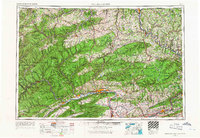 1962 Williamsport1966 Print · USGSNorth-central Pennsylvania was a landscape of industrial river hubs and vast state woodlands in the early sixties. Researchers can trace the path of the Pennsylvania Railroad through Williamsport and explore the remote reaches of Bucktail State Park.5 unique versions available
 - 1965 Map of Williamsport
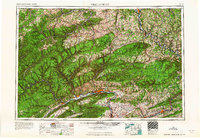 1965 Williamsport1965 Print · USGSNorth-central Pennsylvania in the mid-1960s is defined by the industrial river towns and vast timberlands of the Allegheny Plateau. Researchers can trace historic rail lines like the Erie Lackawanna and Reading as they thread through Williamsport, Lock Haven, and Jersey Shore.
 - 1966 Map of Williamsport
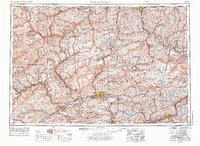 1966 Williamsport1966 Print · USGSThe Susquehanna Valley was a hub of transit and industry in the mid-seventies, where the river's West Branch connected major college towns and timberlands. Researchers can trace historical rail lines like the Reading or locate regional landmarks from Jersey Shore to Ricketts Glen State Park.
 - 1966 Map of Farrandsville, 1969 Print
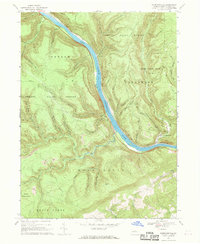 1966 Farrandsville1969 Print · USGSThe West Branch Susquehanna River corridor in the 1960s reveals a landscape of industrial transit and remote ridges. Genealogists can locate the riverside settlements of Farrandsville and Riverview, as well as Peoples Ch and upland strip mines.2 unique versions available
 - 1967 Map of Howard NW, 1968 Print
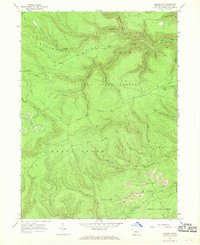 1967 Howard NW1968 Print · USGSClinton County’s deep woods and mining heritage are documented here in the late sixties, showing the remote highlands of Sproul State Forest. Researchers can trace old resource extraction routes and forest clearings like Eagleton Fields and several hillside Strip Mines.3 unique versions available
 - 1984 Map of Williamsport West, 1985 Print
 1984 Williamsport West1985 Print · USGSCentral Pennsylvania in the mid-eighties was a landscape of dense state forests and industrious river towns along the West Branch Susquehanna River. Trace the rail lines of Conrail through Renovo or locate the historic grounds of Lock Haven State College.2 unique versions available
 - 1994 Map of Slate Run, 1999 Print
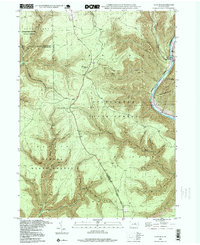 1994 Slate Run1999 Print · USGSThe wilderness at the junction of Lycoming, Potter, and Clinton counties is captured here in the 1990s. Local researchers can trace the rugged topography of Pine Creek Gorge, the isolated settlement of Slate Run, and the high-elevation Pump Station Fire Tower.
 - 2010 Map of Howard NW, 2010 Print
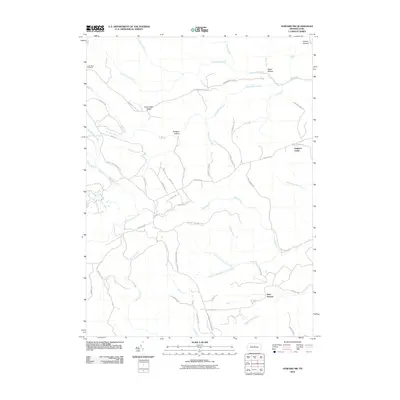 2010 Howard NW2010 Print · USGSClinton County’s high ridges and deep hollows are shown in detail during the 2010s, revealing a landscape shaped by timber management and remote access. Trace old forest routes and landmarks like the Coffin Rock Fire Tower, Eagleton Fields, and Bear Swamp.
 - 2010 Map of Renovo East, 2010 Print
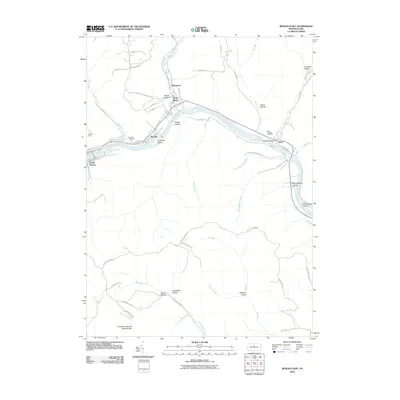 2010 Renovo East2010 Print · USGSClinton County river life and mountain terrain are captured here in the early 21st century. Genealogists and hikers can trace the valley settlements of North Bend, Farwell, and Gleasonton alongside remote landmarks like Fairview Cemetery and the Cranberry Swamp Natural Area.
 - 2010 Map of Farrandsville, 2010 Print
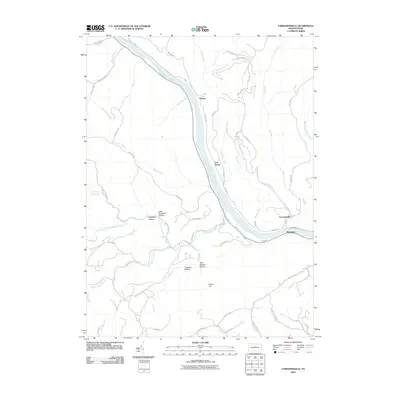 2010 Farrandsville2010 Print · USGSClinton County’s river valleys and wooded ridges are documented here at the start of the 2010s. Researchers can trace the riverfront communities of Farrandsville and East Ferney or locate landmarks like Round Top and the Boiler Maker Trl.
 - 2010 Map of Glen Union, 2010 Print
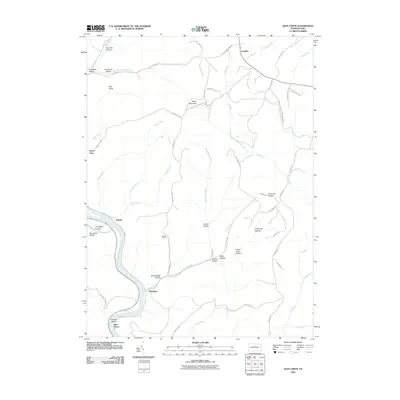 2010 Glen Union2010 Print · USGSThe West Branch Susquehanna River valley and its high plateaus are documented here in the early twenty-first century. Genealogists and local historians can locate small river settlements like Whetham and Glen Union or trace mountain landmarks like Ponderosa Airport and Hyner View.
 - 2010 Map of Slate Run, 2010 Print
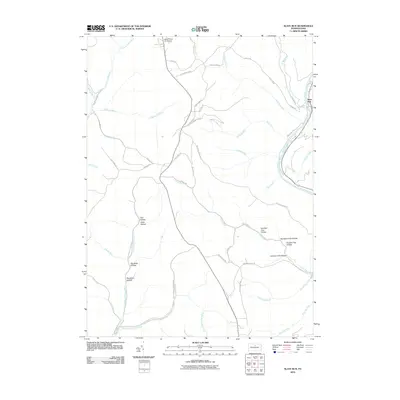 2010 Slate Run2010 Print · USGSThe wilderness of Potter and Lycoming Counties is captured here in the early twenty-first century, centered on the Pine Creek corridor. Local history enthusiasts can trace old logging routes and remote landmarks like Black Forest Inn Airport, Slate Run, and the winding Narrow Gauge Rd.
 - 2013 Map of Farrandsville, 2013 Print
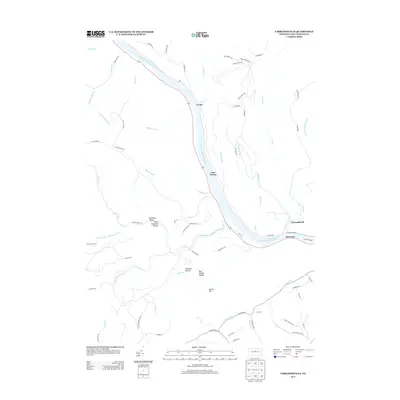 2013 Farrandsville2013 Print · USGSThe West Branch Susquehanna River corridor in Clinton County remained a landscape of isolated riverside settlements and deep hollows in the early 2010s. Researchers can trace the narrow footprints of Farrandsville and Riverview or find secluded spots like Tinsmith Hollow and Bear Wallow Hollow.
Showing maps 1-25 of 44
Top cities near Grugan Township
- Lock Haven historical maps
- Mill Hall historical maps
- Flemington historical maps
- Castanea Township historical maps
- Beech Creek historical maps
- South Renovo historical maps
See more
Top neighborhoods of Grugan Township
- Eagleton Fields historical maps
- Glen Union historical maps
- Ritchie historical maps
- Whetham historical maps
- Ferney historical maps
Frequently asked questions
- What are the different types of historical maps available for Grugan Township?
- What is the oldest map of Grugan Township?
- Where can I purchase historical maps of Grugan Township for my home or office?
- Where can I download high-res historical maps of Grugan Township?
- Are there historical topographic maps available for Grugan Township?
- Is there historical aerial imagery available for Grugan Township?
- Where are historical maps of Grugan Township sourced from?