Old Maps of Graysville, Franklin Township for Metal Detecting
Plan your next treasure hunt with 17 historic maps of Graysville. Find old homesites, ghost towns, trails, and gathering spots that may be lost to time — perfect for identifying promising metal detecting locations.
- Locate forgotten sites: Uncover places like long-lost settlements, abandoned rail lines, or gathering spots.
- Plan better hunts: Use map overlays combined with LiDAR or satellite views to narrow in on historically rich areas.
- Made for detectorists: Thousands of hobbyists use these maps to discover relics, coins, and hidden history.
Use these historic maps to boost your research and find new opportunities beneath the surface of Graysville.
Graysville, Franklin Township maps
(17)- 1923 Map of Tyrone
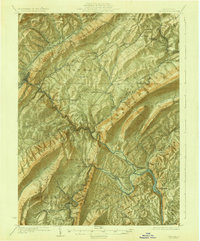 1923 Tyrone1923 Print · USGSThe industrial and rail corridor of the Juniata Valley is captured here in the early twenties as it winds between massive ridges. Researchers can locate early iron landmarks like Huntingdon Furnace, local schools such as Kinch School, and the rail junction at Tyrone.4 unique versions available
 - 1929 Map of Tyrone
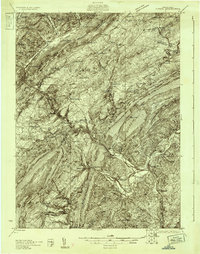 1929 Tyrone1929 Print · USGSCentral Pennsylvania during the 1920s reveals a landscape defined by industrial rail towns and limestone valleys. Trace the route of the Pennsylvania Railroad past historic sites like Graziers Mill and Union Furnace.6 unique versions available
 - 1933 Map of Tyrone
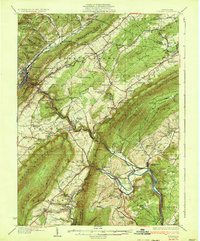 1933 Tyrone1933 Print · USGSCentral Pennsylvania's iron and rail heritage is on full display here in the early thirties as the industrial hub of Tyrone connects the valleys. Genealogists can trace family footprints at Pennsylvania Furnace, Grazier Mill, and dozens of rural schoolhouses like Rural Choice Sch.3 unique versions available
 - 1946 Map of Tyrone
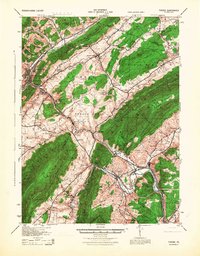 1946 Tyrone1946 Print · USGSThe valleys of Blair and Huntingdon counties are captured here in the 1940s as rail and river corridors defined local life. Researchers can trace the Pennsylvania Canal, find family-named schoolhouses like Eyer Sch, or locate the historic Huntingdon Furnace.
 - 1953 Map of Pittsburgh
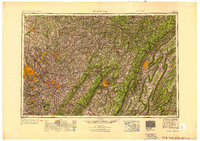 1953 Pittsburgh1953 Print · USGSWestern Pennsylvania's industrial landscape at the start of the fifties shows the steel and rail corridors between Pittsburgh and Altoona. Trace family roots in river towns like Tarentum or follow the Pennsylvania Turnpike across Laurel Hill.
 - 1954 Map of Pittsburgh
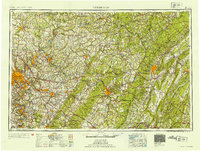 1954 Pittsburgh1954 Print · USGSWestern Pennsylvania in the early fifties remains a powerhouse of heavy industry and vital transit corridors. Genealogists and historians can trace the rail-and-river network connecting Pittsburgh, Johnstown, and Altoona via the Pennsylvania RR and the Lincoln Highway.2 unique versions available
 - 1958 Map of Pittsburgh
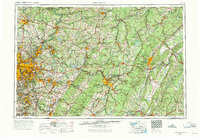 1958 Pittsburgh1958 Print · USGSWestern Pennsylvania in the late fifties shows an industrial heartland defined by the confluence of the Allegheny River and Monongahela River. Researchers can trace the sprawling rail networks of the Pennsylvania RR and find established towns like Butler, Latrobe, and Windber.5 unique versions available
 - 1959 Map of Pittsburgh
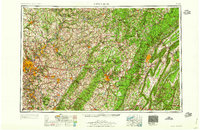 1959 Pittsburgh1959 Print · USGSWestern Pennsylvania in the late fifties is captured here at the height of its industrial era. Genealogists and historians can trace the riverfront growth of Pittsburgh, the rail works at Altoona, and the mountain gaps of Laurel Hill.
 - 1963 Map of Franklinville, 1965 Print
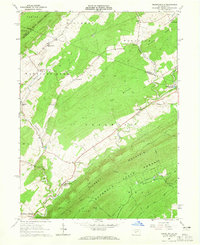 1963 Franklinville1965 Print · USGSCentral Pennsylvania’s industrial and agricultural valleys are captured here in the early sixties. Researchers can trace the heritage of Pennsylvania Furnace and locate landmark sites like Indian Caverns and Warriors Mark Airport.3 unique versions available
 - 1964 Map of Pittsburgh
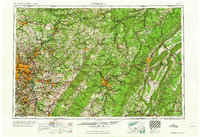 1964 Pittsburgh1964 Print · USGSWestern Pennsylvania in the late fifties and early sixties shows a landscape of powerful river industries and expanding highways. Genealogists and historians can trace the rail corridors of the Pennsylvania RR through industrial hubs like Johnstown, Altoona, and Nanty Glo.
 - 1984 Map of Tyrone, 1985 Print
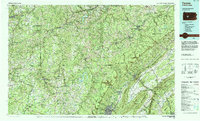 1984 Tyrone1985 Print · USGSCentral Pennsylvania in the mid-eighties shows a rugged landscape defined by the industry of Altoona and the ridges of the Appalachians. Genealogists and historians can trace the rail corridors of CONRAIL and locate vanished family homes near Glendale Lake or within Sinking Valley.
 - 1994 Map of Franklinville, 1997 Print
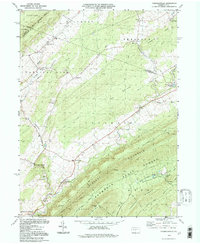 1994 Franklinville1997 Print · USGSThe valleys of Central Pennsylvania near Pennsylvania Furnace and Huntingdon Furnace are captured here in the 1990s. Genealogists and historians can trace old homesteads, rural landmarks like Indian Caverns, and the Old Halfmoon Railroad Grade.
 - 2010 Map of Franklinville, 2010 Print
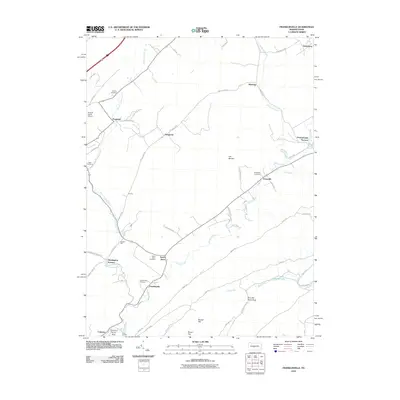 2010 Franklinville2010 Print · USGSThe iron-working valleys of Huntingdon County are preserved here as they appeared in 2010. Genealogists and local historians can trace legacy sites like Huntingdon Furnace, Grazier Mill, and several family burial grounds including Spittler Cemetery.
 - 2013 Map of Franklinville, 2013 Print
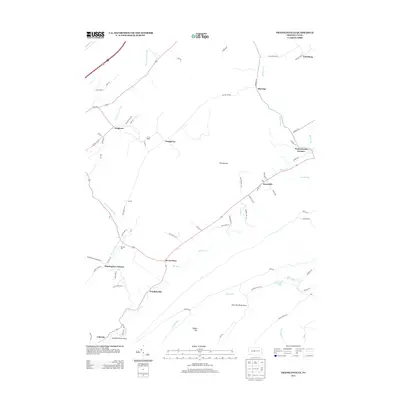 2013 Franklinville2013 Print · USGSWarriors Mark Township and Huntingdon County appear in this modern survey of central Pennsylvania's furnace valleys. Local researchers can trace the locations of historic industry at Pennsylvania Furnace and Huntingdon Furnace, or locate family-named landmarks like Grazier Mill.
 - 2016 Map of Franklinville, 2016 Print
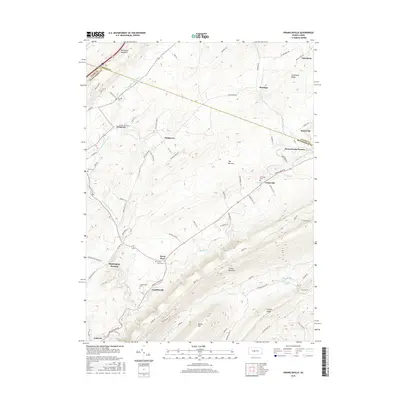 2016 Franklinville2016 Print · USGSWarrior Mark Township and the surrounding valleys show a landscape shaped by early industry and agriculture in the mid-2010s. Researchers can locate family burial sites at Spittler Cem or trace the legacy of iron production at Pennsylvania Furnace and Huntingdon Furnace.
 - 2019 Map of Franklinville, 2019 Print
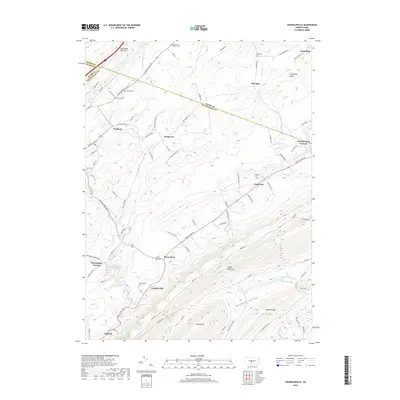 2019 Franklinville2019 Print · USGSWarriors Mark Township and the surrounding valleys are shown here during the late 2010s, capturing the enduring rural character of central Pennsylvania. Local historians can trace the legacy of the iron industry at Huntingdon Furnace or locate family burial sites at Spittler Cemetery and Seven Stars Cemetery.
 - 2023 Map of Franklinville, 2023 Print
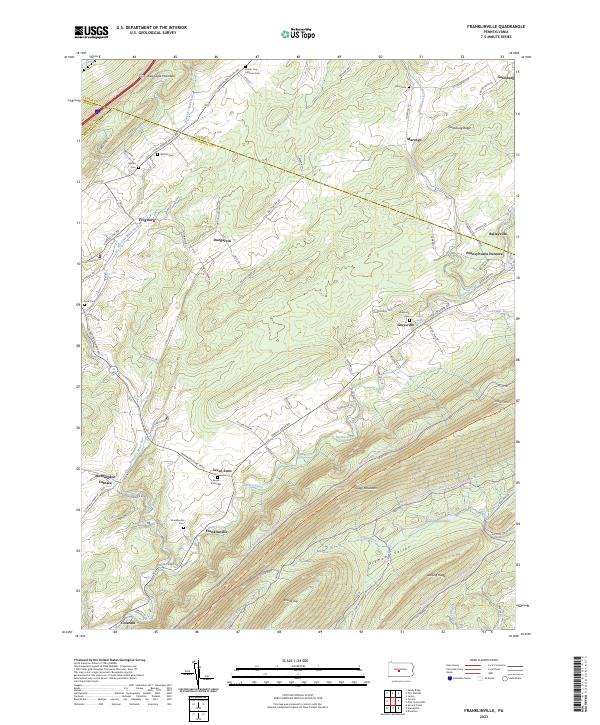 2023 Franklinville2023 Print · USGSHuntingdon County's iron-working past and ridge-and-valley settlement patterns are preserved in this recent survey. Local historians can trace the foundations of Pennsylvania Furnace, locate family plots at Seven Stars Cem, and follow the historical Warriors Mark Path.
End of results
Showing maps 1-17 of 17
Top cities near Graysville
- State College historical maps
- Frankstown Township historical maps
- Huntingdon historical maps
- Tyrone historical maps
- Philipsburg historical maps
- Menno Township historical maps
See more
Frequently asked questions
- What are the different types of historical maps available for Graysville?
- What is the oldest map of Graysville?
- Where can I purchase historical maps of Graysville for my home or office?
- Where can I download high-res historical maps of Graysville?
- Are there historical topographic maps available for Graysville?
- Is there historical aerial imagery available for Graysville?
- Where are historical maps of Graysville sourced from?