Old Maps of Henderson Township, Pennsylvania for Metal Detecting
Plan your next treasure hunt with 42 historic maps of Henderson Township. Find old homesites, ghost towns, trails, and gathering spots that may be lost to time — perfect for identifying promising metal detecting locations.
- Locate forgotten sites: Uncover places like long-lost settlements, abandoned rail lines, or gathering spots.
- Plan better hunts: Use map overlays combined with LiDAR or satellite views to narrow in on historically rich areas.
- Made for detectorists: Thousands of hobbyists use these maps to discover relics, coins, and hidden history.
Use these historic maps to boost your research and find new opportunities beneath the surface of Henderson Township.
Henderson Township, PA maps
(42)- 1906 Map of Punxsutawney
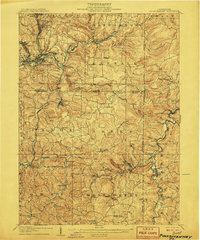 1906 Punxsutawney1906 Print · USGSPunxsutawney and the surrounding coal townships of the early 1900s are captured here at the height of the region's industrial growth. Genealogists and historians can trace the specific locations of historic post offices like Adrian and Gettysburg alongside family-named sites such as Bella Mills.4 unique versions available
 - 1922 Map of Du Bois, 1957 Print
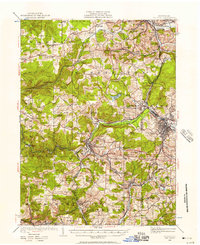 1922 Du Bois1957 Print · USGSJefferson and Clearfield Counties are shown during the height of the region's mining and rail era in the early twenties. Genealogists and researchers can trace family lands near Eleanora Mines, rural schools like Mason School, and stops along the Pittsburg and Shawmut railroad.2 unique versions available
 - 1924 Map of Du Bois
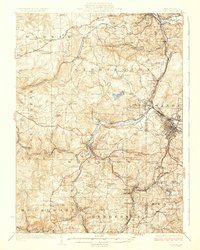 1924 Du Bois1924 Print · USGSJefferson and Clearfield Counties were at the heart of the Pennsylvania coal and rail economy in the early twenties. Genealogists and historians can trace dozens of small settlements and local schoolhouses like Allens Mills, Soldier PO, and the Beechwoods School.5 unique versions available
 - 1939 Map of Punxsutawney, 1957 Print
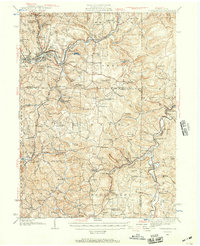 1939 Punxsutawney1957 Print · USGSPunxsutawney and the surrounding coal-and-rail country appear here in the years leading up to World War II. Genealogists and historians can trace defunct school districts like Harmony Thomas Sch, early rail junctions in Cloe, and burial sites at Fairview Cem.2 unique versions available
 - 1942 Map of Punxsutawney
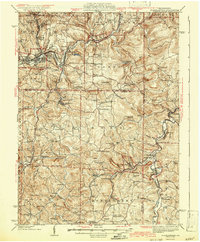 1942 Punxsutawney1942 Print · USGSWest-central Pennsylvania during the early war years reveals a landscape shaped by rail transport and deep-rooted rural communities. Researchers can trace the legacy of local education and industry through dozens of named sites like Harmony Thomas School, McGees Mills, and Bells Mills.2 unique versions available
 - 1943 Map of Punxsutawney
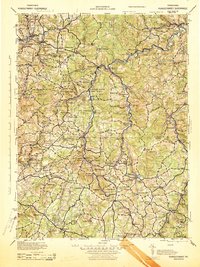 1943 Punxsutawney1943 Print · USGSThe Pennsylvania coal country around the turn of the century and through the war years is captured in this detailed survey of Jefferson, Indiana, and Clearfield counties. Researchers can trace the rail-reliant economy through Findley Mills, Rossiter Junction, and landmarks like the St Lawrence Fire Tower.
 - 1944 Map of Du Bois
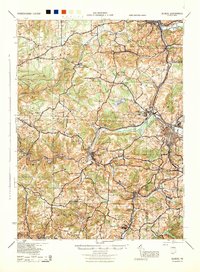 1944 Du Bois1944 Print · USGSJefferson and Clearfield counties are shown during the height of their industrial era in the 1940s. Genealogists can locate family-named landmarks like Groves Sch or McAninch Sch and trace the operations at Eleanora Mines.
 - 1953 Map of Pittsburgh
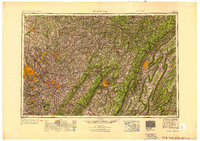 1953 Pittsburgh1953 Print · USGSWestern Pennsylvania's industrial landscape at the start of the fifties shows the steel and rail corridors between Pittsburgh and Altoona. Trace family roots in river towns like Tarentum or follow the Pennsylvania Turnpike across Laurel Hill.
 - 1954 Map of Pittsburgh
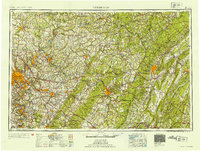 1954 Pittsburgh1954 Print · USGSWestern Pennsylvania in the early fifties remains a powerhouse of heavy industry and vital transit corridors. Genealogists and historians can trace the rail-and-river network connecting Pittsburgh, Johnstown, and Altoona via the Pennsylvania RR and the Lincoln Highway.2 unique versions available
 - 1957 Map of Warren, 1964 Print
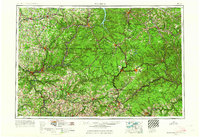 1957 Warren1964 Print · USGSThe northern Pennsylvania oil and timber country comes into focus in the mid-fifties, showing the region before modern highway expansions. Trace the industrial rail networks of the Pennsylvania RR and the early Allegheny River Reservoir near Warren and Oil City.4 unique versions available
 - 1958 Map of Pittsburgh
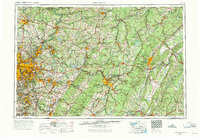 1958 Pittsburgh1958 Print · USGSWestern Pennsylvania in the late fifties shows an industrial heartland defined by the confluence of the Allegheny River and Monongahela River. Researchers can trace the sprawling rail networks of the Pennsylvania RR and find established towns like Butler, Latrobe, and Windber.5 unique versions available
 - 1958 Map of Warren
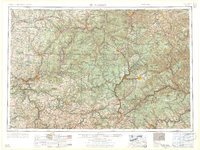 1958 Warren1958 Print · USGSNorthern Pennsylvania’s timber and oil country is captured here during the late fifties, showing the interplay of industrial valleys and vast state forests. Genealogists can trace family connections across the Cornplanter Indian Reservation or through rail hubs like Oil City and Saint Marys.
 - 1959 Map of Warren
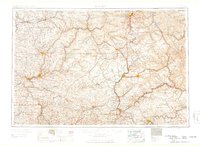 1959 Warren1959 Print · USGSNorthern Pennsylvania's oil and timber country comes alive in this late-fifties study of the forest-clad plateaus. Trace the historic Cornplanter (Indian Reservation), the sprawling Oil Field, and the rail lines of the Pennsylvania RR.2 unique versions available
 - 1959 Map of Pittsburgh
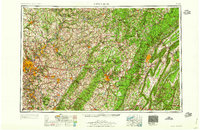 1959 Pittsburgh1959 Print · USGSWestern Pennsylvania in the late fifties is captured here at the height of its industrial era. Genealogists and historians can trace the riverfront growth of Pittsburgh, the rail works at Altoona, and the mountain gaps of Laurel Hill.
 - 1964 Map of Pittsburgh
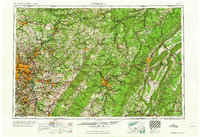 1964 Pittsburgh1964 Print · USGSWestern Pennsylvania in the late fifties and early sixties shows a landscape of powerful river industries and expanding highways. Genealogists and historians can trace the rail corridors of the Pennsylvania RR through industrial hubs like Johnstown, Altoona, and Nanty Glo.
 - 1966 Map of Du Bois, 1968 Print
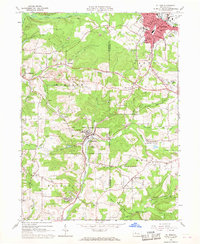 1966 Du Bois1968 Print · USGSThe Jefferson County coalfields are captured in the mid-1960s, showing a landscape defined by surface mining and rail transit. Researchers can trace the legacy of mining towns from Sykesville to Rathmel and locate family burial sites at Rumbarger Cem or Prospect Cem.6 unique versions available
 - 1966 Map of Reynoldsville, 1968 Print
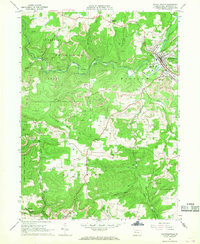 1966 Reynoldsville1968 Print · USGSJefferson County mining communities thrive during the late sixties as rail lines connect rural outposts. Genealogists can trace family names at St Marys Cem, identify the streets of Reynoldsville, or locate the Tipple Mine near Panic.4 unique versions available
 - 1968 Map of Punxsutawney, 1970 Print
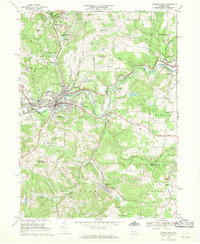 1968 Punxsutawney1970 Print · USGSPunxsutawney and its surrounding coal-mining townships are captured in the late sixties, showing a landscape defined by rail lines and deep-valley settlements. Genealogists can locate family sites at Circle Hill Cem, Steffy Chapel, and Gobblers Knob.6 unique versions available
 - 1968 Map of Mc Gees Mills, 1971 Print
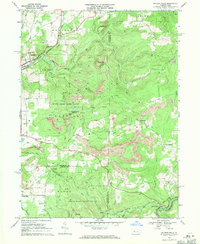 1968 Mc Gees Mills1971 Print · USGSThe West Branch Susquehanna River valley in the late sixties reveals a landscape shaped by coal mining, rail transport, and small upland farming. Researchers can locate the Covered Bridge at McGees Mills, the Punxsutawney Reservoir, and rural sites like Mt Pleasant Ch.5 unique versions available
 - 1971 Map of Warren
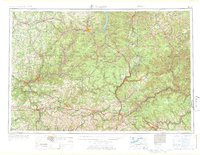 1971 Warren1971 Print · USGSNorth Central Pennsylvania is captured here in the early seventies, showing a landscape defined by industrial centers and massive state forests. Genealogists and historians can trace the rail lines of the Penn Central and Erie Lackawanna connecting towns like Warren, Kane, and Du Bois.
 - 1983 Map of Clearfield, 1984 Print
 1983 Clearfield1984 Print · USGSPennsylvania's coal and timber heartland is captured in the early eighties as industrial hubs like Du Bois and Saint Marys thrived among the state forests. Genealogists can locate family landmarks like Morningside Cemetery, the old works at Dagus Mines, and the rural community of Byrnedale.
 - 1984 Map of Tyrone, 1985 Print
 1984 Tyrone1985 Print · USGSCentral Pennsylvania in the mid-eighties shows a rugged landscape defined by the industry of Altoona and the ridges of the Appalachians. Genealogists and historians can trace the rail corridors of CONRAIL and locate vanished family homes near Glendale Lake or within Sinking Valley.
 - 2010 Map of McGees Mills, 2010 Print
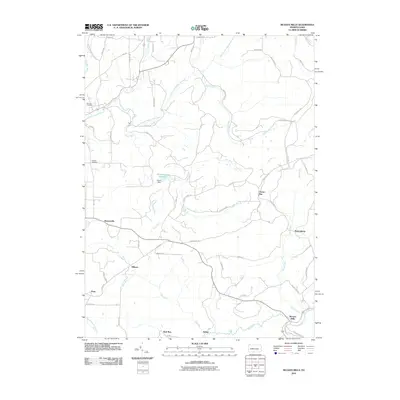 2010 McGees Mills2010 Print · USGSMcGees Mills and the rural uplands of Indiana County appear here in the early twenty-first century. Researchers can trace family roots at McClure Cemetery or locate old community centers like Bowersville, Newtonburg, and the Punxsutawney Reservoir.
 - 2010 Map of Punxsutawney, 2010 Print
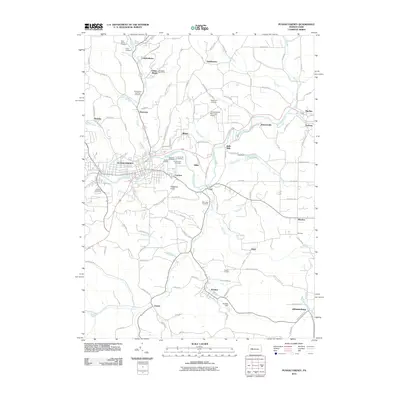 2010 Punxsutawney2010 Print · USGSJefferson County’s coal and rail heritage is captured here in the years following the millennium, centered on the borough of Punxsutawney. Researchers can locate legacy industrial sites like Adrian Mines and the B and O Terminal, or find family names at Circle Hill Cemetery and Oak Lawn Cemetery.
 - 2010 Map of Du Bois, 2010 Print
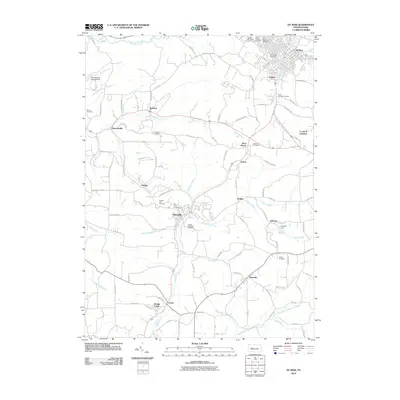 2010 Du Bois2010 Print · USGSSandy Township and the Du Bois area are shown here during the early 2000s, reflecting a landscape shaped by coal-country infrastructure. Genealogists can trace family roots through numerous sites like Prospect Cemetery or Soldier Hill Cemetery and locate former mining hubs such as Helvetia and Sykesville.
Showing maps 1-25 of 42
Top cities near Henderson Township
- Sandy Township historical maps
- DuBois historical maps
- Punxsutawney historical maps
- Winslow historical maps
- Reynoldsville historical maps
- Warsaw Township historical maps
See more
Top neighborhoods of Henderson Township
Frequently asked questions
- What are the different types of historical maps available for Henderson Township?
- What is the oldest map of Henderson Township?
- Where can I purchase historical maps of Henderson Township for my home or office?
- Where can I download high-res historical maps of Henderson Township?
- Are there historical topographic maps available for Henderson Township?
- Is there historical aerial imagery available for Henderson Township?
- Where are historical maps of Henderson Township sourced from?