1900s (20th Century) Maps of Bear Creek Township, Pennsylvania
Explore 38 historic maps of Bear Creek Township from the 1900s (20th Century). These maps offer a rare glimpse into what life looked like during the 1900s — showing old roads, neighborhoods, homes, and landmarks that have changed or disappeared over time.
Whether you're researching your family's past, planning a metal detecting trip, or studying how Bear Creek Township's landscape evolved across the 1900s, these high-resolution maps are a powerful tool for exploring the history of this region.
- Focus on a specific era: All maps on this page are from the 1900s, giving you a focused view of this time period.
- See what’s changed: Compare century-old streets, trails, and buildings to today's modern landscape using overlays and satellite layers.
- Research with precision: Use these maps for genealogy, historical research, land use analysis, or educational projects.
- View, download, or print: Maps are fully viewable online in high resolution, and can be downloaded or printed for your own records.
Start exploring Bear Creek Township's history through authentic maps from the 1900s. This is your window into the past.
Bear Creek Township, PA maps
(38)- 1922 Map of Stoddartsville, 1958 Print
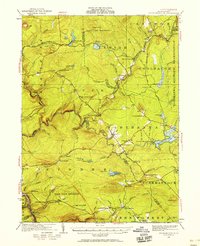 1922 Stoddartsville1958 Print · USGSThe Pennsylvania Poconos at the turn of the century show a landscape of high timber ridges and early mountain resorts. Genealogists and hikers can trace the original paths to Stoddartsville, identify the old Fayette School, or follow the Wilkes-Barre and Eastern rail line.2 unique versions available
 - 1924 Map of Stoddartsville
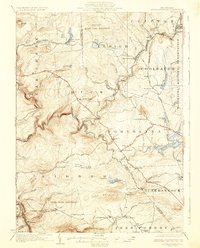 1924 Stoddartsville1924 Print · USGSUpper Carbon and Monroe counties are shown in the early twenties as a landscape of timbered hills and headwater streams. Genealogists can locate old rural landmarks like Bradys Switch, the Leonardsville settlement, and the Locust Ridge School.5 unique versions available
 - 1943 Map of Scranton
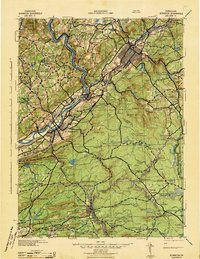 1943 Scranton1943 Print · USGSNortheastern Pennsylvania’s coal and rail corridor comes to life in the 1940s, showcasing the dense urban industrial centers of the Wyoming Valley. Genealogists can locate family landmarks like the Fayette School and Locust Ridge School or trace the early paths of the DL & W and Erie railroads.
 - 1943 Map of Stoddartsville
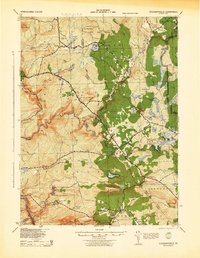 1943 Stoddartsville1943 Print · USGSThe Pocono Plateau at the height of the Second World War shows a landscape defined by river valleys and developing recreation preserves. Genealogists and local historians can trace rural schoolhouses and small settlements like Stoddartsville, Albrightsville, and the Fishery Sch.
 - 1946 Map of Avoca, 1959 Print
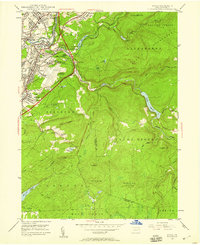 1946 Avoca1959 Print · USGSThe coal-rich Lackawanna Valley is shown here just after the war, as heavy industry and new aviation infrastructure transformed the landscape. Researchers can trace the extensive rail networks and local landmarks like the Consolidated Breaker, Belian Village, and Sacred Heart Cem.5 unique versions available
 - 1947 Map of Wilkes-Barre East, 1959 Print
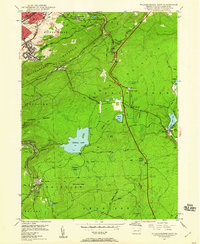 1947 Wilkes-Barre East1959 Print · USGSWilkes-Barre and the eastern ridges of the Wyoming Valley are shown in the post-war era as the anthracite coal industry shaped the landscape. Genealogists can trace family connections at Georgetown, Laurel Run, and Holy Trinity Cem, or locate landmarks like Ochre Mill and Oliver Sch.7 unique versions available
 - 1947 Map of Pittston, 1961 Print
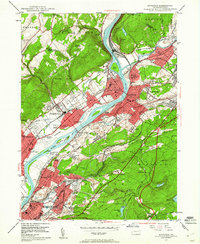 1947 Pittston1961 Print · USGSLuzerne County's industrial heartland is captured here in the late 1940s, showing the dense rail-and-river corridor of the Wyoming Valley. Genealogists can trace family roots through numerous local landmarks, including the Wyoming Monument, St Joseph Cem, and the Port Griffith Sch.4 unique versions available
 - 1947 Map of White Haven, 1966 Print
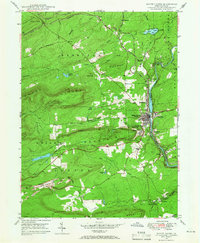 1947 White Haven1966 Print · USGSThe Lehigh River valley in the late 1940s is a landscape defined by industry and rail, where coal mining and transportation intersect. Genealogists can trace family roots through settlements like White Haven and Tannery, or locate local landmarks like Ripple Sch and St Patrick Cem.4 unique versions available
 - 1949 Map of Avoca
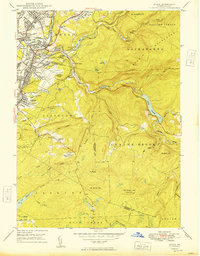 1949 Avoca1949 Print · USGSPost-war Luzerne and Lackawanna counties reveal a landscape of anthracite heritage and rising aviation. Trace family roots at Old Forge Cem, locate the Consolidated Breaker, or explore the rail networks around Hillside Junction.2 unique versions available
 - 1949 Map of Pittston
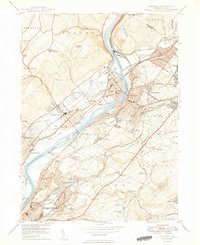 1949 Pittston1949 Print · USGSThe Wyoming Valley industrial corridor is captured here at a post-war peak, showing the heavy rail-and-river network of the coal regions. Researchers can trace historic family landmarks from the Wyoming Monument to the Wyoming Camp Ground and St Joseph Cem.2 unique versions available
 - 1950 Map of Wilkes-Barre East
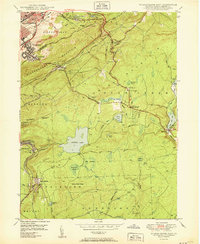 1950 Wilkes-Barre East1950 Print · USGSLuzerne County at the midpoint of the century shows a landscape defined by coal extraction, mountain railroading, and upland resorts. Genealogists and researchers can trace family landmarks like Oliver Mills, Llewellyn Corners, and the historic Holy Trinity Cem.2 unique versions available
 - 1950 Map of White Haven
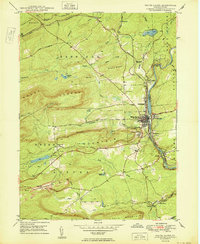 1950 White Haven1950 Print · USGSThe industrial Lehigh River corridor is captured here just after the war, showing the vital rail and mining networks of the day. Researchers can trace family sites at White Haven or Pond Creek, and locate features like the Ripple Sch and Jefferson Hospital.2 unique versions available
 - 1950 Map of Scranton, 1952 Print
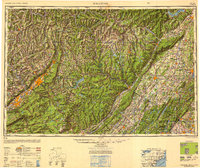 1950 Scranton1952 Print · USGSMid-century Northeast Pennsylvania and the Hudson Valley come alive in this survey of the tri-state region. Genealogists and historians can trace the dense rail networks of the Erie RR and DL&W RR between industrial hubs like Scranton and Wilkes-Barre.
 - 1953 Map of Scranton
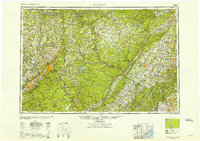 1953 Scranton1953 Print · USGSNortheastern Pennsylvania and the Catskills are shown in great detail during the early fifties, a time when rail lines and river valleys dictated the region's growth. Genealogists and historians can trace the industrial hearts of Scranton and Wilkes-Barre or locate remote landmarks like High Point and Lake Wallenpaupack.
 - 1959 Map of Scranton
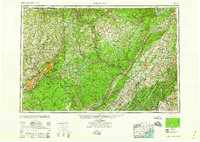 1959 Scranton1959 Print · USGSThe northern coalfields and the Hudson Valley meet in this mid-century survey of the Pennsylvania and New York borderlands. Genealogists and historians can trace the intricate rail networks of the Erie Railroad and the vast waters of Lake Wallenpaupack.2 unique versions available
 - 1962 Map of Scranton, 1977 Print
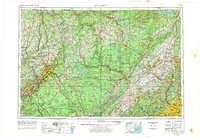 1962 Scranton1977 Print · USGSThe industrial heart of eastern Pennsylvania and the New York Catskills are captured here in the early sixties. Genealogists and historians can trace the dense valley settlements from Scranton to Wilkes-Barre and the rail lines of the Erie Lackawanna Railroad.2 unique versions available
 - 1965 Map of Scranton
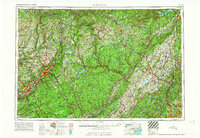 1965 Scranton1965 Print · USGSThe tri-state highlands of Pennsylvania, New York, and New Jersey come alive in the mid-sixties as industry and recreation converge. Trace the intricate rail lines of the Erie Lackawanna RR or locate landmarks like the U S Military Academy.2 unique versions available
 - 1965 Map of Pleasant View Summit, 1967 Print
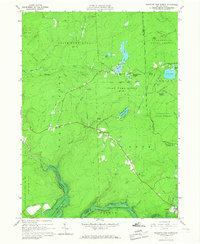 1965 Pleasant View Summit1967 Print · USGSThe Luzerne County highlands in the mid-sixties are shown here as a landscape of conservation and water management. You can trace the Francis E Walter Reservoir, the historic settlement at Stoddartsville, and an Old Railroad Grade.4 unique versions available
 - 1966 Map of Hickory Run, 1967 Print
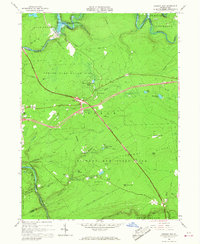 1966 Hickory Run1967 Print · USGSCarbon County is captured during its mid-century transition into a recreational hub as the new interstate highway system intersects old mountain roads. Trace the evolution of this landscape from the Central Railroad of New Jersey to the Boulder Field and Hickory Run State Park.3 unique versions available
 - 1976 Map of Pleasant View Summit, 1979 Print
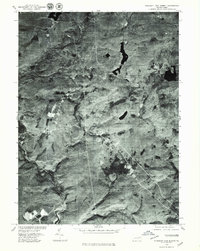 1976 Pleasant View Summit1979 Print · USGSLuzerne County's forested heights and river valleys are captured in this mid-seventies aerial survey. Local historians can trace the early footprints of Stoddartsville and Shades Glen along the course of the Lehigh River.
 - 1976 Map of Wilkes-Barre East, 1979 Print
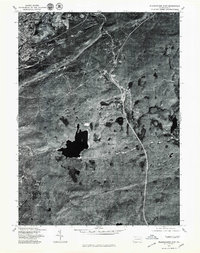 1976 Wilkes-Barre East1979 Print · USGSWilkes-Barre and the surrounding highlands are captured in this mid-seventies aerial survey as the city meets the mountain. Local historians can trace the development of Forest Park and Glen Summit against the terrain of Wyoming Mountain.
 - 1976 Map of Avoca, 1979 Print
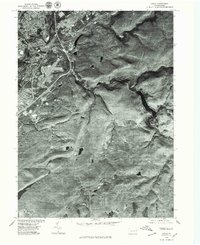 1976 Avoca1979 Print · USGSThe Lackawanna River valley in the mid-1970s shows a landscape of dense river towns and upland clearings. Researchers can trace the residential grids of Old Forge and Avoca or the winding course of Spring Brook.
 - 1976 Map of Hickory Run, 1979 Print
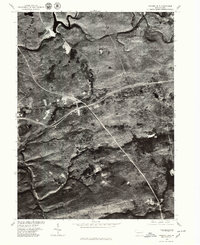 1976 Hickory Run1979 Print · USGSCarbon County in the mid-seventies shows a landscape defined by its river corridors and the growing reach of highway infrastructure. Researchers can trace the layout of small settlements like Leonardsville and Saylorville along the banks of Hickory Run.
 - 1976 Map of White Haven, 1979 Print
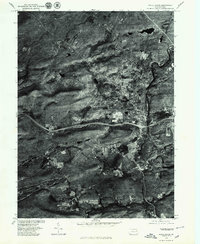 1976 White Haven1979 Print · USGSWhite Haven and the Lehigh River valley are captured in the mid-seventies via detailed aerial photography. You can trace the footprint of settlements like Middleburg and Pond Creek or study the wooded heights of Green Mountain.
 - 1976 Map of Pittston, 1979 Print
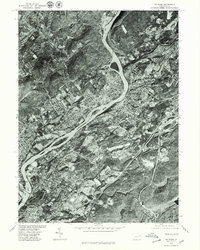 1976 Pittston1979 Print · USGSThe Wyoming Valley comes into sharp focus in the mid-1970s, showcasing the urban density along the Susquehanna River. Trace the industrial footprint of Pittston and Wilkes-Barre or locate family properties in Swoyersville.
Showing maps 1-25 of 38
Top cities near Bear Creek Township
- Scranton historical maps
- Wilkes-Barre historical maps
- Hazleton historical maps
- Kingston historical maps
- Nanticoke historical maps
- Plains Township historical maps
See more
Top neighborhoods of Bear Creek Township
- Liewellyn Corners historical maps
- Llewellyn Corners historical maps
- Pleasant View Summit historical maps
- Forest Park historical maps
Frequently asked questions
- What are the different types of historical maps available for Bear Creek Township?
- What is the oldest map of Bear Creek Township?
- Where can I purchase historical maps of Bear Creek Township for my home or office?
- Where can I download high-res historical maps of Bear Creek Township?
- Are there historical topographic maps available for Bear Creek Township?
- Is there historical aerial imagery available for Bear Creek Township?
- Where are historical maps of Bear Creek Township sourced from?