Old Maps of Polk Township, Pennsylvania for Academic Research
Study the evolution of Polk Township with 30 high-resolution historic maps. Whether you're teaching, researching, or modeling changes in land use, these maps provide essential visual documentation of urban, environmental, and geographic change.
- Analyze long-term change: Track patterns in development, transportation, and natural features.
- Ideal for environmental or urban studies: Support academic projects with primary historical map data.
- Use in the classroom or lab: Educators and researchers rely on these maps to bring historical context to life.
These maps are a powerful tool for teaching, research, and visualizing how Polk Township has changed over the decades.
Polk Township, PA maps
(30)- 1914 Map of Wind Gap, 1956 Print
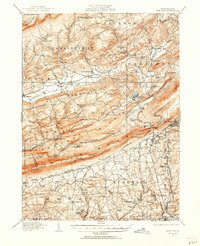 1914 Wind Gap1956 Print · USGSNorthampton and Monroe Counties are captured here just before the First World War, dominated by the industrial rail corridor at Wind Gap. Genealogists can locate dozens of named schools like Michael Valley School and early quarries at Chapman Quarries.
 - 1916 Map of Wind Gap
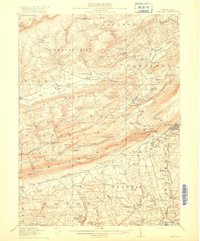 1916 Wind Gap1916 Print · USGSThe Pocono foothills and Blue Mountain ridge are captured here at the height of the steam-rail era. Genealogists can trace family names through dozens of rural landmarks like St. Joseph School, Haynes Mill, and the busy rail junction at Wind Gap.7 unique versions available
 - 1922 Map of Mauch Chunk, 1952 Print
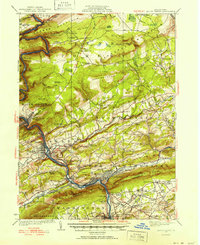 1922 Mauch Chunk1952 Print · USGSThe industrial Lehigh Valley thrives in the early 1920s, dominated by the winding river and two major competing railroad lines. Genealogists can locate old rural landmarks like the Larrytown Poor Farm, Indian Hills School, and the busy rail hub of Mauch Chunk.2 unique versions available
 - 1924 Map of Mauch Chunk
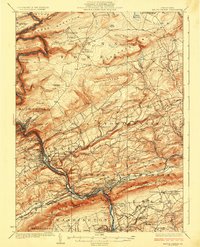 1924 Mauch Chunk1924 Print · USGSCarbon County in the early twenties is a landscape of industrial power and rural mountain life, dominated by the winding Lehigh River. Genealogists and historians can trace family roots through numerous small schools like Lentz School and old settlements from Mauch Chunk to Palmerton.4 unique versions available
 - 1943 Map of Mauch Chunk
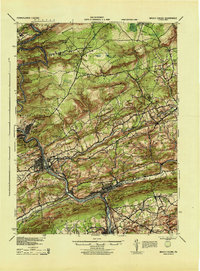 1943 Mauch Chunk1943 Print · USGSThe Lehigh River corridor is captured here during the mid-forties, showing the vital rail and industry centers of Carbon County. Genealogists and researchers can trace dozens of rural schoolhouses and family-named landmarks like the Larrytown Poor Farm, St Pauls Ch, and Three O'clock Spring.
 - 1943 Map of Wind Gap
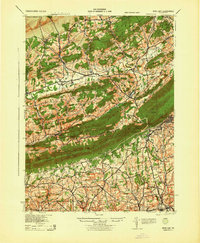 1943 Wind Gap1943 Print · USGSThe Pennsylvania countryside near the Monroe and Northampton county line is captured here during the wartime era. Researchers can trace the path of the Lehigh and New England railroad through the Wind Gap pass or locate local landmarks like St Joseph Sch and Ross Common.
 - 1943 Map of Bethlehem
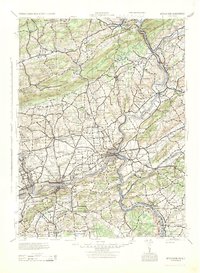 1943 Bethlehem1943 Print · USGSNorthampton and Lehigh counties hummed with industry and river commerce during the early war years. Researchers can trace the path of the Lehigh Valley RR, locate family-named landmarks like Chief Tatamy, and find rural schools such as Mexico School and Poplar Valley Sch.
 - 1944 Map of Newark, 1971 Print
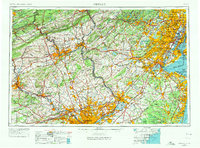 1944 Newark1971 Print · USGSThe industrial corridor from Philadelphia to New York was in a period of massive transition during the mid-forties. Genealogists and researchers can trace the rail lines of the Lehigh Valley RR, locate military installations like Picatinny Arsenal, and explore the early sprawl near Levittown.5 unique versions available
 - 1949 Map of Newark
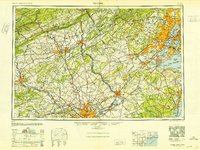 1949 Newark1949 Print · USGSThe industrial corridor between Philadelphia and New York comes alive in this post-war survey. Genealogists and historians can trace the massive rail networks of the Reading Railroad and locate major installations like Fort Dix or Picatinny Arsenal.2 unique versions available
 - 1956 Map of Newark
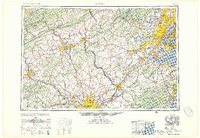 1956 Newark1956 Print · USGSThe industrial heart of the Mid-Atlantic is captured here at the dawn of the highway era, tracing the dense corridors between Newark and Philadelphia. Genealogists and local historians can map the rail networks of the Reading RR or locate mid-century military life at Fort Dix Military Reservation.2 unique versions available
 - 1957 Map of Newark
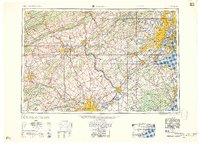 1957 Newark1957 Print · USGSThe industrial and military heart of the Mid-Atlantic is mapped during its post-war suburban boom. Genealogists and historians can trace the intricate rail corridors of the Reading Railroad and locate key landmarks from Princeton University to Fort Hancock.
 - 1960 Map of Newark
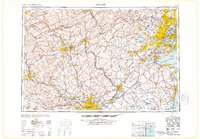 1960 Newark1960 Print · USGSThe industrial heart of the Mid-Atlantic is shown at mid-century, stretching from the dense urban centers of Newark and Philadelphia to the Blue Mountain ridges. Researchers can trace historic rail lines, coastal defenses at Fort Hancock, and the riverfront growth of Trenton and Easton.3 unique versions available
 - 1960 Map of Pohopco Mountain, 1962 Print
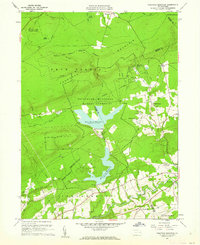 1960 Pohopco Mountain1962 Print · USGSThe Pocono foothills come alive in the early 1960s as the Bethlehem Municipal Water Authority shapes the landscape. Genealogists and hikers can trace the rural roads connecting Meckesville, the Dotters Corners Cem, and the edges of Hickory Run State Park.5 unique versions available
 - 1960 Map of Broadheadsville, 1962 Print
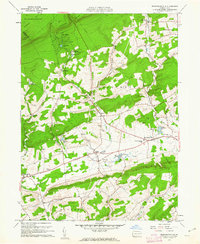 1960 Broadheadsville1962 Print · USGSMonroe County settlements and the southern Poconos are captured here in the early 1960s. Researchers can trace family roots through St Johns Ch, Effort Cem, and local landmarks like the Fairground and Pleasant Valley Sch.7 unique versions available
 - 1964 Map of Newark
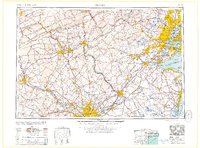 1964 Newark1964 Print · USGSGreater New Jersey and eastern Pennsylvania appear at the peak of their industrial and rail-centered development in the mid-sixties. Genealogists and historians can trace the paths of the Pennsylvania RR, identify mid-century landmarks like CAMP KILMER, or follow the Schuylkill River through READING.2 unique versions available
 - 1976 Map of Pohopco Mountain, 1978 Print
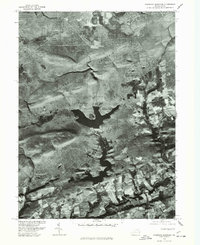 1976 Pohopco Mountain1978 Print · USGSThe Pennsylvania highlands near Pohopco Mountain are captured in the mid-seventies, showing the expansion of residential lakes. Genealogists and local historians can trace the footprint of Trachsville or the development of Robin Hood Lakes.
 - 1976 Map of Broadheadsville, 1979 Print
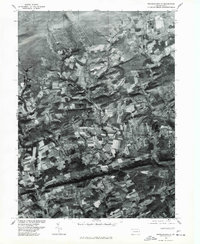 1976 Broadheadsville1979 Print · USGSMonroe County's rural landscape is captured here during the late 1970s through detailed aerial photography. You can trace the development of crossroads settlements like Effort, Gilbert, and the expanding community of Sun Valley.
 - 1984 Map of Allentown, 1985 Print
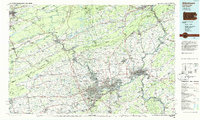 1984 Allentown1985 Print · USGSThe Lehigh Valley and southern Poconos are captured in the mid-eighties as industry and academic life converge along the river corridor. Trace the rail-and-water networks connecting Jim Thorpe and Bethlehem, or explore landmarks like Lehigh University and the Delaware Water Gap.3 unique versions available
 - 1999 Map of Brodheadsville, 2001 Print
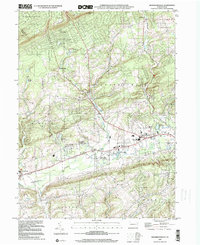 1999 Brodheadsville2001 Print · USGSThe Pocono foothills near the turn of the millennium show a landscape of growing mountain communities and protected wilds. Trace local family roots at Effort Cem, St Johns Ch, or the old Polk Sch while exploring the banks of Pohopoco Creek.
 - 1999 Map of Pohopoco Mountain, 2002 Print
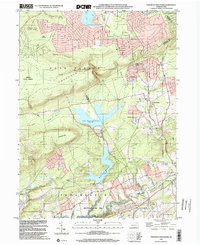 1999 Pohopoco Mountain2002 Print · USGSCarbon and Monroe Counties were a mix of protected forests and expanding residential enclaves at the end of the twentieth century. Researchers can trace land use through Hickory Run State Park or locate family plots at Dotters Corners Cem.
 - 2010 Map of Pohopoco Mountain, 2010 Print
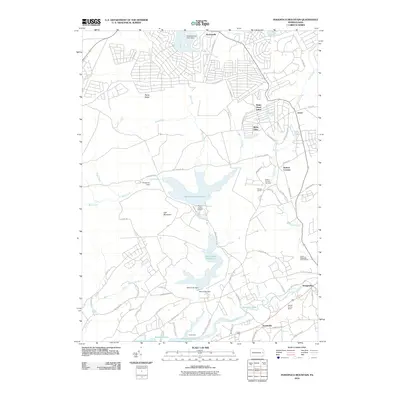 2010 Pohopoco Mountain2010 Print · USGSCarbon County’s reservoir systems and rural crossroad villages are captured here in the early twenty-first century. Genealogists and local historians can trace family locations near Trachsville and Dotters Corners or locate the Dotters Corners Cemetery.
 - 2010 Map of Brodheadsville, 2010 Print
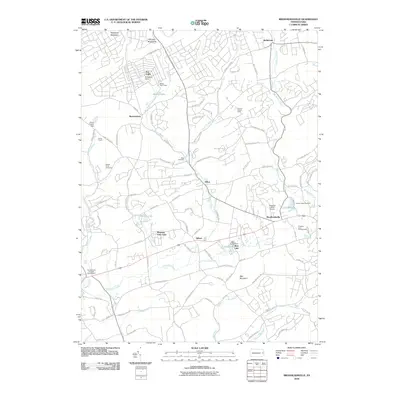 2010 Brodheadsville2010 Print · USGSMonroe County enters the twenty-first century as a blend of quiet residential hamlets and mountain retreats. Researchers can map out local lineages and landmarks at Brodheadsville, Effort Cemetery, and Camp Trexler, or trace the winding course of Pohopoco Creek.
 - 2013 Map of Pohopoco Mountain, 2013 Print
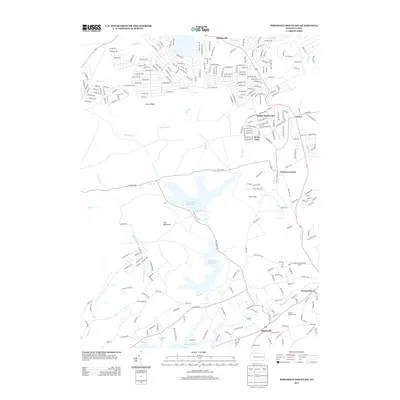 2013 Pohopoco Mountain2013 Print · USGSTowamensing Township and the surrounding area are defined by their vast water reservoirs and growing communities in the early twenty-first century. Researchers can trace the layout of settlements like Kresgeville and Trachsville or explore the recreational geography of Beltzville State Park.
 - 2013 Map of Brodheadsville, 2013 Print
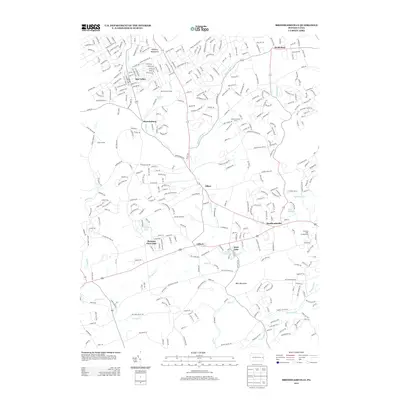 2013 Brodheadsville2013 Print · USGSMonroe County settlements and the Poconos foothills are documented here during a period of modern residential growth. Genealogists and local historians can trace family locations near Brodheadsville, Effort, and the waters of Lake Mineola or Weir Lake.
 - 2016 Map of Pohopoco Mountain, 2016 Print
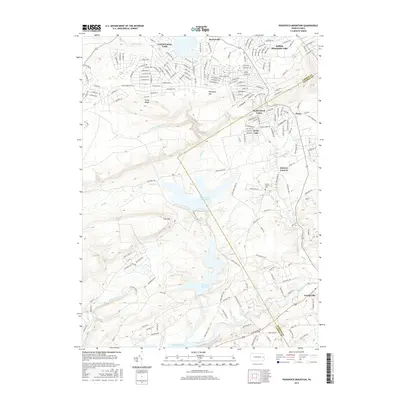 2016 Pohopoco Mountain2016 Print · USGSCarbon County's upland reservoirs and mountain ridges are documented here during the mid-2010s. Researchers can trace local heritage and modern development through landmarks like the Dotters Corners Cemetery, Meckesville, and Kresgeville.
Showing maps 1-25 of 30
Top cities near Polk Township
- Easton historical maps
- Nazareth historical maps
- Palmerton historical maps
- Lehighton historical maps
- Jim Thorpe historical maps
- Slatington historical maps
See more
Top neighborhoods of Polk Township
- Kresgeville historical maps
- Dottersville historical maps
- Jonas historical maps
- Robin Hood Lakes historical maps
- El-Do Lake historical maps
Frequently asked questions
- What are the different types of historical maps available for Polk Township?
- What is the oldest map of Polk Township?
- Where can I purchase historical maps of Polk Township for my home or office?
- Where can I download high-res historical maps of Polk Township?
- Are there historical topographic maps available for Polk Township?
- Is there historical aerial imagery available for Polk Township?
- Where are historical maps of Polk Township sourced from?