Old Maps of Andreas, West Penn Township for Genealogy
Trace your family roots with 19 historic maps of Andreas. These high-res maps reveal old neighborhoods, homesites, landmarks, and streets — helping you uncover where your ancestors lived and how the area evolved over time.
- Explore historic neighborhoods: Identify where your relatives may have lived in the 1800s or 1900s.
- Compare maps over time: Trace the changes in streets, buildings, and landmarks for multi-generational research.
- Perfect for genealogy & ancestry research: Used by family historians and researchers to map out lineage and migration.
These maps are an incredible resource for exploring your personal connection to Andreas's past.
Andreas, West Penn Township maps
(19)- 1889 Map of Hazleton, 1956 Print
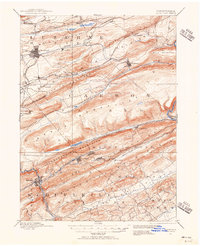 1889 Hazleton1956 Print · USGSThe Pennsylvania coal fields are seen at their industrial height in the late 1880s, revealing a landscape defined by anthracite and iron rails. Genealogists and historians can trace the early footprints of Hazleton, the company town of Eckley, and the rail-heavy corridors of Lansford and Tamaqua.
 - 1891 Map of Hazleton
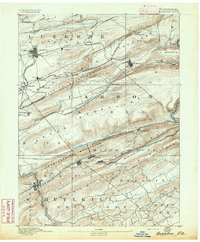 1891 Hazleton1891 Print · USGSThe anthracite coal region comes alive in the late nineteenth century, showing a landscape defined by ridges and rail lines. Genealogists and historians can trace the early footprints of Hazleton, the gravity-rail heritage at Summit Hill, and the bustling yards of Lansford or Tamaqua.
 - 1893 Map of Hazleton
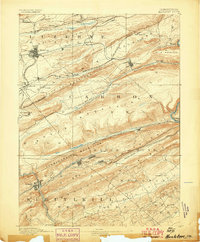 1893 Hazleton1893 Print · USGSThe anthracite coal region of Northeastern Pennsylvania is captured here in the late nineteenth century, during its industrial peak. Genealogists and historians can trace the early rail networks and company patches like Lansford, Summit Hill, and the coal-rich village of Eckley.8 unique versions available
 - 1944 Map of Newark, 1971 Print
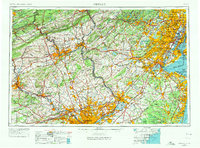 1944 Newark1971 Print · USGSThe industrial corridor from Philadelphia to New York was in a period of massive transition during the mid-forties. Genealogists and researchers can trace the rail lines of the Lehigh Valley RR, locate military installations like Picatinny Arsenal, and explore the early sprawl near Levittown.5 unique versions available
 - 1948 Map of Nesquehoning, 1958 Print
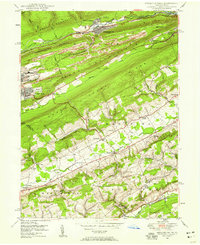 1948 Nesquehoning1958 Print · USGSMid-century Carbon County reveals a landscape shaped by anthracite mining and valley farming just after the war. Local historians can trace the rail networks at Nesquehoning Junction or locate vanished rural landmarks like Hoppers Mill and East Penn Airport.7 unique versions available
 - 1949 Map of Newark
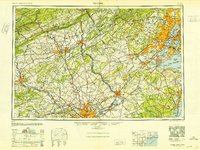 1949 Newark1949 Print · USGSThe industrial corridor between Philadelphia and New York comes alive in this post-war survey. Genealogists and historians can trace the massive rail networks of the Reading Railroad and locate major installations like Fort Dix or Picatinny Arsenal.2 unique versions available
 - 1950 Map of Nesquehoning
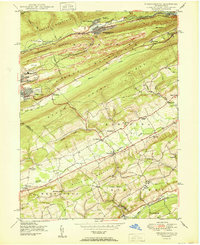 1950 Nesquehoning1950 Print · USGSCarbon County's anthracite landscape is captured here in the mid-twentieth century as rail and mining towns still hummed with activity. Genealogists can locate family landmarks from Bloomingdale to Mertz Town, including the Our Lady of Mt Carmel Cem and East Penn Airport.2 unique versions available
 - 1956 Map of Newark
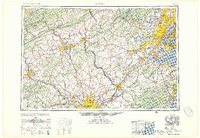 1956 Newark1956 Print · USGSThe industrial heart of the Mid-Atlantic is captured here at the dawn of the highway era, tracing the dense corridors between Newark and Philadelphia. Genealogists and local historians can map the rail networks of the Reading RR or locate mid-century military life at Fort Dix Military Reservation.2 unique versions available
 - 1957 Map of Newark
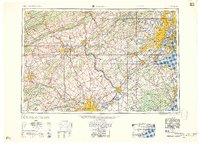 1957 Newark1957 Print · USGSThe industrial and military heart of the Mid-Atlantic is mapped during its post-war suburban boom. Genealogists and historians can trace the intricate rail corridors of the Reading Railroad and locate key landmarks from Princeton University to Fort Hancock.
 - 1960 Map of Newark
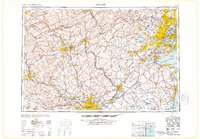 1960 Newark1960 Print · USGSThe industrial heart of the Mid-Atlantic is shown at mid-century, stretching from the dense urban centers of Newark and Philadelphia to the Blue Mountain ridges. Researchers can trace historic rail lines, coastal defenses at Fort Hancock, and the riverfront growth of Trenton and Easton.3 unique versions available
 - 1964 Map of Newark
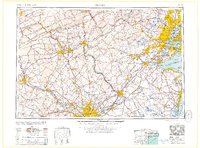 1964 Newark1964 Print · USGSGreater New Jersey and eastern Pennsylvania appear at the peak of their industrial and rail-centered development in the mid-sixties. Genealogists and historians can trace the paths of the Pennsylvania RR, identify mid-century landmarks like CAMP KILMER, or follow the Schuylkill River through READING.2 unique versions available
 - 1976 Map of Nesquehoning, 1979 Print
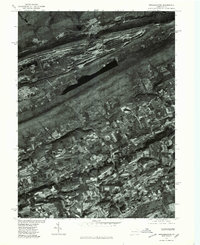 1976 Nesquehoning1979 Print · USGSCarbon County in the mid-seventies shows a landscape of sharp industrial and agricultural transitions. Genealogists can trace the residential footprints of Jim Thorpe and Lansford or locate rural homesteads near Normal Square.
 - 1984 Map of Allentown, 1985 Print
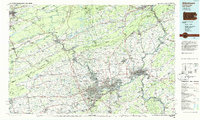 1984 Allentown1985 Print · USGSThe Lehigh Valley and southern Poconos are captured in the mid-eighties as industry and academic life converge along the river corridor. Trace the rail-and-water networks connecting Jim Thorpe and Bethlehem, or explore landmarks like Lehigh University and the Delaware Water Gap.3 unique versions available
 - 1997 Map of Nesquehoning, 1999 Print
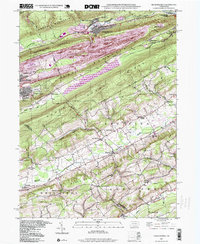 1997 Nesquehoning1999 Print · USGSThe anthracite coal region and the Mahoning Valley meet in this late-century study of Carbon and Schuylkill Counties. Genealogists can trace family roots through Our Lady of Mt Carmel Cem or search for old school sites like Sanden Sch and Ginders Sch.
 - 2010 Map of Nesquehoning, 2010 Print
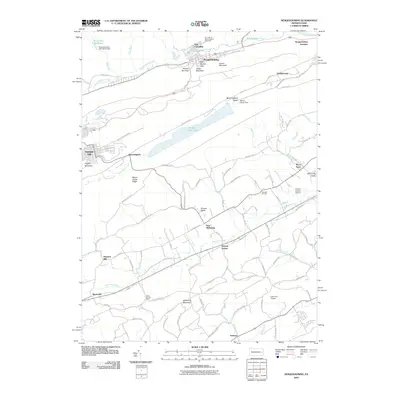 2010 Nesquehoning2010 Print · USGSSchuylkill and Carbon County terrain is mapped here in detail during the early 21st century. Genealogists and local historians can locate smaller settlements like Normal Square and Mertz Town or trace the drainage of Mahoning Creek and Lizard Creek.
 - 2013 Map of Nesquehoning, 2013 Print
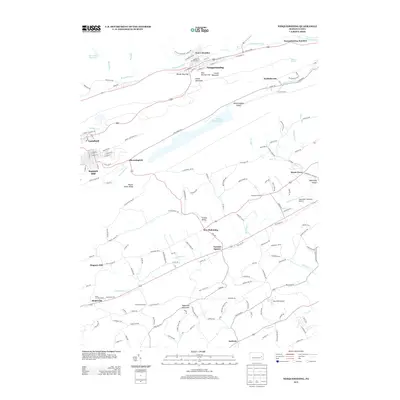 2013 Nesquehoning2013 Print · USGSThe boroughs of Lansford and Nesquehoning sit at the center of this 2010-era survey of the Pennsylvania anthracite region. Genealogists and local historians can trace the development of older settlements like Hacklebernie and Normal Square or locate family sites near Miller and Rex Farms.
 - 2016 Map of Nesquehoning, 2016 Print
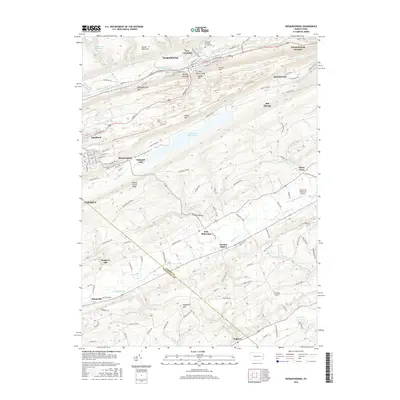 2016 Nesquehoning2016 Print · USGSThe coal and rail corridors of Carbon and Schuylkill counties are captured here in the mid-2010s. Researchers can trace historic settlements from the industrial grids of Nesquehoning and Summit Hill to rural landmarks like Hoppers Mill and Our Lady of Mount Carmel Cem.
 - 2019 Map of Nesquehoning, 2019 Print
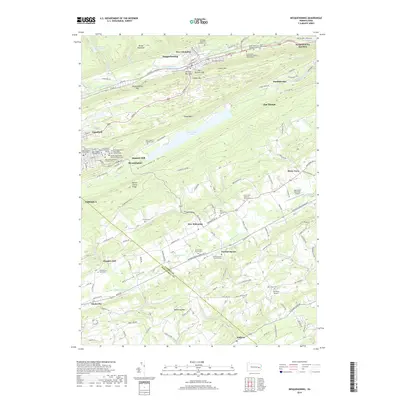 2019 Nesquehoning2019 Print · USGSThe anthracite region near Jim Thorpe and Nesquehoning is detailed here in the late 2010s. Genealogists can trace a remarkable number of ethnic parish cemeteries, such as the Saints Cyril and Methodius Cem and the New Saint Michael's Catholic Cem.
 - 2023 Map of Nesquehoning, 2023 Print
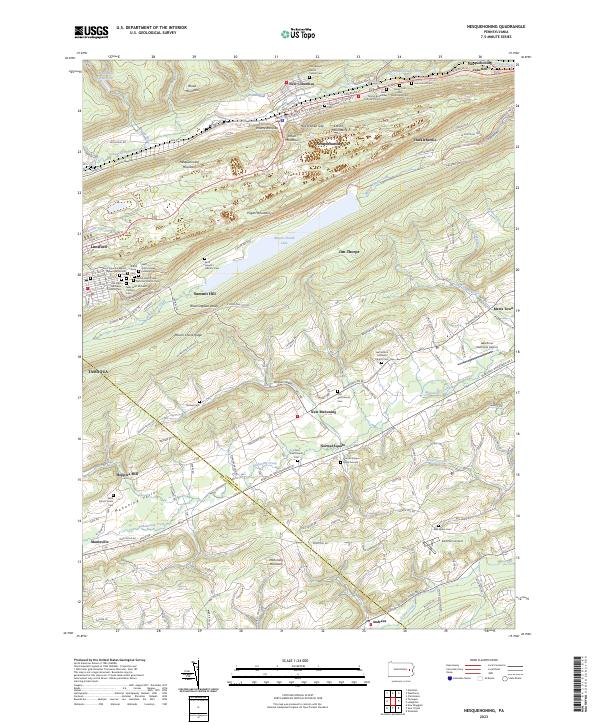 2023 Nesquehoning2023 Print · USGSModern-day Carbon County reveals its deep coal-heritage roots in this survey of the narrow valleys between Nesquehoning Mountain and Pisgah Mountain. Genealogists and historians can trace family sites from Hacklebernie to Lansford, including numerous parish cemeteries and the Switchback Railroad Trl.
End of results
Showing maps 1-19 of 19
Top cities near Andreas
- Hazleton historical maps
- Maxatawny Township historical maps
- Tamaqua historical maps
- Longswamp Township historical maps
- Palmerton historical maps
- Lehighton historical maps
See more
Frequently asked questions
- What are the different types of historical maps available for Andreas?
- What is the oldest map of Andreas?
- Where can I purchase historical maps of Andreas for my home or office?
- Where can I download high-res historical maps of Andreas?
- Are there historical topographic maps available for Andreas?
- Is there historical aerial imagery available for Andreas?
- Where are historical maps of Andreas sourced from?