Old Maps of Mead Township, Pennsylvania for Academic Research
Study the evolution of Mead Township with 51 high-resolution historic maps. Whether you're teaching, researching, or modeling changes in land use, these maps provide essential visual documentation of urban, environmental, and geographic change.
- Analyze long-term change: Track patterns in development, transportation, and natural features.
- Ideal for environmental or urban studies: Support academic projects with primary historical map data.
- Use in the classroom or lab: Educators and researchers rely on these maps to bring historical context to life.
These maps are a powerful tool for teaching, research, and visualizing how Mead Township has changed over the decades.
Mead Township, PA maps
(51)- 1906 Map of Warren
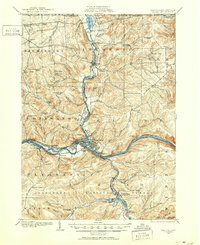 1906 Warren1906 Print · USGSWarren and its surrounding river valleys are captured here at the height of the early rail era. Genealogists can trace family names across dozens of rural landmarks, from the State Insane Asylum to scattered outposts like Lander and Old Clarendon.3 unique versions available
 - 1907 Map of Warren
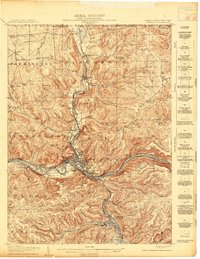 1907 Warren1907 Print · USGSWarren and its riverfront neighborhoods thrived at the dawn of the century as a hub for the Pennsylvania RR. Local historians can trace the footprint of the State Insane Asylum and find rural schools such as Dutch Hill School and Knupp School.
 - 1908 Map of Warren
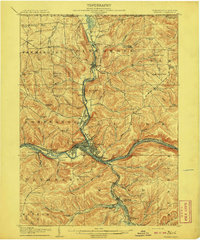 1908 Warren1908 Print · USGSThe river-and-rail economy of Warren County is documented here at the turn of the century. Genealogists can trace family-named landmarks and rural hubs like Lander, Oakland Cem, and the State Insane Asylum.3 unique versions available
 - 1935 Map of Sheffield
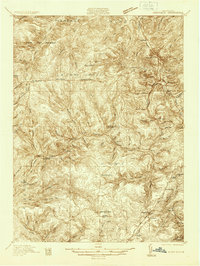 1935 Sheffield1935 Print · USGSThe Allegheny National Forest region in the mid-1930s reveals a landscape of deep timber runs, winding rail lines, and isolated New Deal work camps. Researchers can trace family roots at Cherry Grove Cem or locate forgotten crossroads like Deadmans Corners and Seldom Seen Corners.2 unique versions available
 - 1936 Map of Kinzua
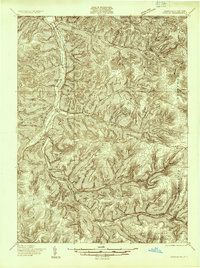 1936 Kinzua1936 Print · USGSThe Allegheny River valley remains in its natural state in the mid-1930s, long before the creation of the Allegheny Reservoir. Genealogists and historians can locate vanished riverfront settlements like Corydon and Kinzua, as well as the original boundaries of the Cornplanter Indian Reservation.
 - 1941 Map of Sheffield
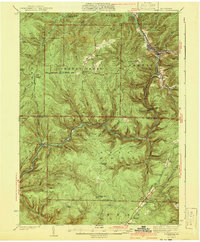 1941 Sheffield1941 Print · USGSForest and Warren Counties are seen here during the early 1940s, a period when local logging and oil activities shaped the landscape. Researchers can trace the Tionesta Valley RR and find remote outposts like Pigeon PO or Seldom Seen Cors.2 unique versions available
 - 1941 Map of Kinzua
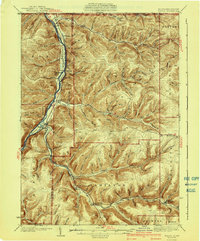 1941 Kinzua1941 Print · USGSThe Allegheny River valley and the Cornplanter Indian Reservation are shown here in the years before mid-century dam projects forever changed the landscape. Researchers can trace the river-level Pennsylvania Railroad, the Kinzua Coal Mine, and now-submerged settlements like Kinzua and Corydon.3 unique versions available
 - 1947 Map of Cherry Grove, 1972 Print
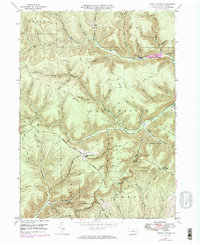 1947 Cherry Grove1972 Print · USGSPotter County's high forest plateaus are captured here as they appeared in the late forties and early seventies. Researchers can trace the old Coudersport and Port Allegany Railroad and locate the Cherry Springs Fire Tower.
 - 1949 Map of Kinzua, 1954 Print
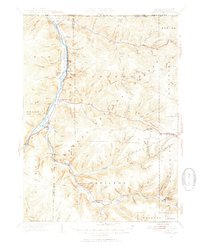 1949 Kinzua1954 Print · USGSThe Allegheny River valley remains the heart of this region in the late 1940s, just before major changes altered the landscape. Researchers can trace riverside life in Kinzua and Corydon or locate the historic Cornplanter Indian Reservation.4 unique versions available
 - 1954 Map of Clarendon, 1956 Print
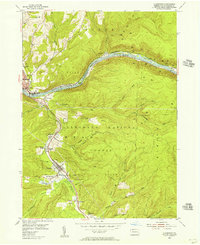 1954 Clarendon1956 Print · USGSMid-century Warren County is shown here as a center for the regional energy economy, dominated by the Oil Field. Family historians can trace the residents of Clarendon, Tiona, and Weldbank, or locate sites like Snyder Cem and Lincoln Sch.5 unique versions available
 - 1954 Map of Warren, 1956 Print
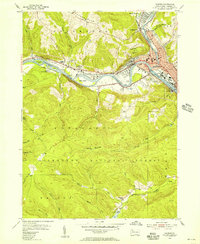 1954 Warren1956 Print · USGSWarren and its river valleys are seen here in the mid-fifties, when the rail and oil industries shaped the local economy. Researchers can trace historic cemeteries like Oakland Cem and industry sites like the Oil Refinery and Buchers Mills.6 unique versions available
 - 1957 Map of Warren, 1964 Print
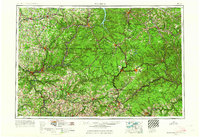 1957 Warren1964 Print · USGSThe northern Pennsylvania oil and timber country comes into focus in the mid-fifties, showing the region before modern highway expansions. Trace the industrial rail networks of the Pennsylvania RR and the early Allegheny River Reservoir near Warren and Oil City.4 unique versions available
 - 1958 Map of Warren
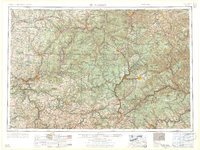 1958 Warren1958 Print · USGSNorthern Pennsylvania’s timber and oil country is captured here during the late fifties, showing the interplay of industrial valleys and vast state forests. Genealogists can trace family connections across the Cornplanter Indian Reservation or through rail hubs like Oil City and Saint Marys.
 - 1959 Map of Warren
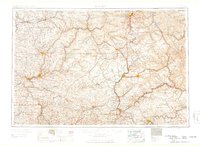 1959 Warren1959 Print · USGSNorthern Pennsylvania's oil and timber country comes alive in this late-fifties study of the forest-clad plateaus. Trace the historic Cornplanter (Indian Reservation), the sprawling Oil Field, and the rail lines of the Pennsylvania RR.2 unique versions available
 - 1966 Map of Cornplanter Bridge, 1968 Print
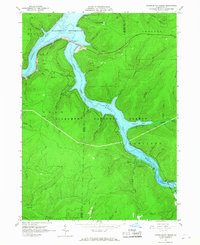 1966 Cornplanter Bridge1968 Print · USGSThe Allegheny River valley and its major tributaries appear here just as the reservoir was becoming a central feature of the landscape in the mid-1960s. Researchers can trace the infrastructure of the newly created Allegheny Reservoir, the crossing at Cornplanter Bridge, and numerous Oil Wells scattered across the forest.3 unique versions available
 - 1966 Map of Cornplanter Run, 1968 Print
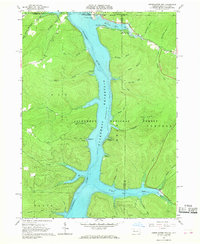 1966 Cornplanter Run1968 Print · USGSThe Pennsylvania-New York borderlands appear here in the mid-sixties, just as the new reservoir reshaped the valley. Researchers can find old petroleum sites in the Oil Field and trace legacy sites like the Riverview-Corydon Cem and Camp Olmsted.4 unique versions available
 - 1966 Map of Sheffield, 1969 Print
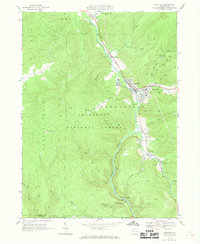 1966 Sheffield1969 Print · USGSWarren and Forest Counties were active hubs of the oil and gas industry in the 1960s, with deep-woods settlements connected by the river and rail. Local historians can trace the footprint of early communities like Henrys Mills and Saybrook alongside landmarks such as St Pauls Ch and the Deer Lick Reservoir.2 unique versions available
 - 1966 Map of Cherry Grove, 1970 Print
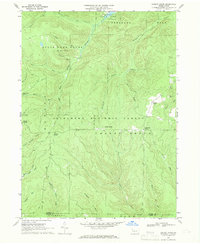 1966 Cherry Grove1970 Print · USGSThe Pennsylvania highlands in the mid-1960s reveal a landscape of forestry, oil extraction, and early recreation. Researchers can trace the Old Railroad Grade and Dunham Siding, or locate the Cherry Grove Cem and Oil Wells scattered across the plateau.4 unique versions available
 - 1971 Map of Warren
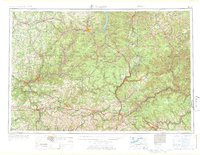 1971 Warren1971 Print · USGSNorth Central Pennsylvania is captured here in the early seventies, showing a landscape defined by industrial centers and massive state forests. Genealogists and historians can trace the rail lines of the Penn Central and Erie Lackawanna connecting towns like Warren, Kane, and Du Bois.
 - 1980 Map of Bradford, 1982 Print
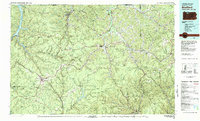 1980 Bradford1982 Print · USGSNorthern Pennsylvania's oil country and deep forests are captured here during the 1980s. Genealogists and researchers can trace rail-side settlements like Kushequa, Gifford, and Lewis Run or locate specific Oil and Gas Field sites across the plateau.
 - 1983 Map of Warren, 1984 Print
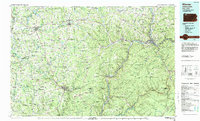 1983 Warren1984 Print · USGSNorthwestern Pennsylvania at the dawn of the 1980s reveals a landscape defined by the petroleum industry and expansive public lands. Trace the legacy of early oil at Drake Well Memorial Park and Pithole City Historical Site, or locate family sites near Warren State Hospital and Kellettville.
 - 2011 Map of Sheffield, 2011 Print
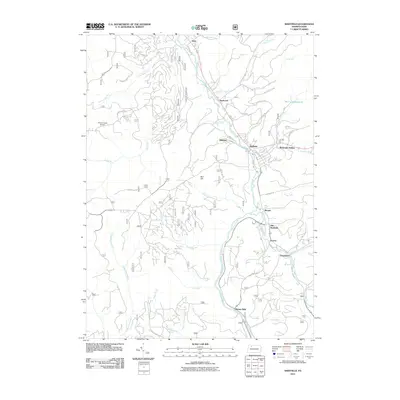 2011 Sheffield2011 Print · USGSThe Tionesta Creek valley in Warren County is captured here in the early twenty-first century, showing the enduring footprint of its industrial settlements. Genealogists and historians can trace family roots through Old Sheffield, Henrys Mills, and Shelander Hollow.
 - 2011 Map of Warren, 2011 Print
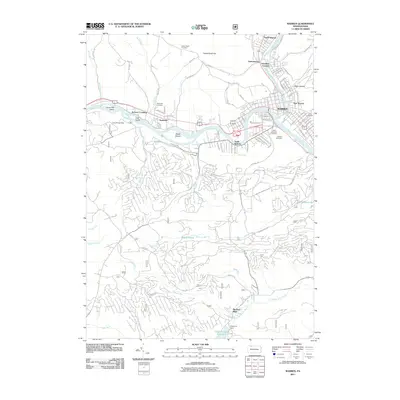 2011 Warren2011 Print · USGSThe confluence of the Allegheny River and Conewango Creek anchors the community of Warren in the early twenty-first century. Genealogists and local historians can trace legacy sites from the industrial corridors of Starbrick to the grounds of Oakland Cemetery and Yankee Bush Cemetery.
 - 2011 Map of Clarendon, 2011 Print
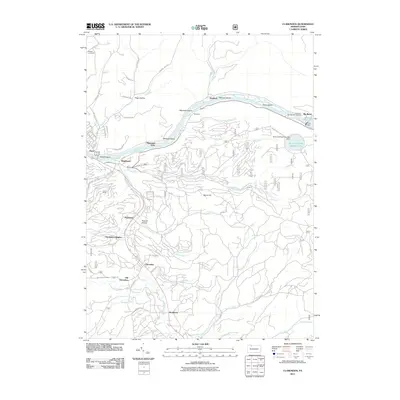 2011 Clarendon2011 Print · USGSThe Allegheny River valley near Warren reveals a landscape shaped by major 20th-century water projects and historic valley settlements. Researchers can trace the development of Clarendon Heights, locate the Snyder Cemetery, or study the footprint of the Kinzua Dam system.
 - 2011 Map of Cherry Grove, 2011 Print
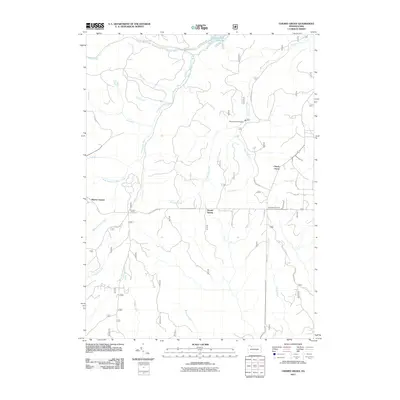 2011 Cherry Grove2011 Print · USGSCherry Grove and the surrounding Allegheny woodlands are captured here just after the turn of the millennium. Genealogists and historians can locate old crossroads like Vandergriff Corners and trace the waters of Minister Creek or Bobbs Creek.
Showing maps 1-25 of 51
Top cities near Mead Township
- Jamestown historical maps
- Warren historical maps
- Ellicott historical maps
- Busti historical maps
- Kane historical maps
- Carroll historical maps
See more
Top neighborhoods of Mead Township
- Tiona historical maps
- Kinzua Heights historical maps
- Weldbank historical maps
- Clarendon Heights historical maps
- Rogertown historical maps
- Stoneham historical maps
See more
Frequently asked questions
- What are the different types of historical maps available for Mead Township?
- What is the oldest map of Mead Township?
- Where can I purchase historical maps of Mead Township for my home or office?
- Where can I download high-res historical maps of Mead Township?
- Are there historical topographic maps available for Mead Township?
- Is there historical aerial imagery available for Mead Township?
- Where are historical maps of Mead Township sourced from?