Old Maps of Hughes, South Carolina for Academic Research
Study the evolution of Hughes with 14 high-resolution historic maps. Whether you're teaching, researching, or modeling changes in land use, these maps provide essential visual documentation of urban, environmental, and geographic change.
- Analyze long-term change: Track patterns in development, transportation, and natural features.
- Ideal for environmental or urban studies: Support academic projects with primary historical map data.
- Use in the classroom or lab: Educators and researchers rely on these maps to bring historical context to life.
These maps are a powerful tool for teaching, research, and visualizing how Hughes has changed over the decades.
Hughes, SC maps
(14)- 1919 Map of Olar
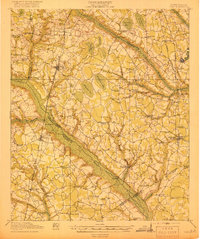 1919 Olar1919 Print · USGSBamberg and Barnwell counties are shown here just after the Great War, when the river swamps still dictated the path of travel. Genealogists can locate family sites near Hushes Old Mill, Savannah Creek Church, and Stony Bay School.3 unique versions available
 - 1943 Map of Olar
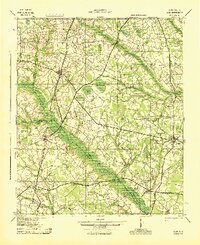 1943 Olar1943 Print · USGSThe rural Lowcountry around Olar and Ehrhardt appears here during the early 1940s, showing a landscape shaped by river swamps and rail lines. Genealogists can trace family footprints across dozens of sites like Kearse Chapel, Rizers Chapel, and Folk Sch.2 unique versions available
 - 1954 Map of Augusta
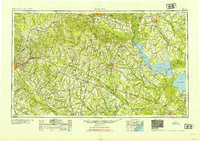 1954 Augusta1954 Print · USGSThe Savannah River valley and South Carolina Midlands are captured here during a period of post-war growth. Researchers can trace the rail-and-river economy through the Southern RR corridor and locate historic settlements like Aiken, Orangeburg, and Sumter.
 - 1957 Map of Augusta, 1966 Print
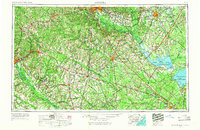 1957 Augusta1966 Print · USGSThe Savannah River and Santee basins are captured here during a period of massive military and industrial expansion in the late fifties. Genealogists can trace family footprints across Four Hole Swamp or near the Savannah River Plant.3 unique versions available
 - 1958 Map of Augusta
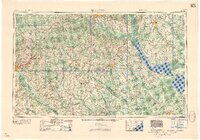 1958 Augusta1958 Print · USGSThe borderlands between Georgia and South Carolina come alive in the 1950s, showing the early footprint of the Savannah River Plant. Genealogists and historians can trace rail-dependent towns and rural landmarks from Orangeburg to the Fort Jackson Military Reservation.
 - 1961 Map of Augusta
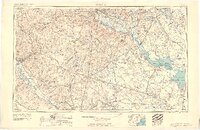 1961 Augusta1961 Print · USGSThe South Carolina lowcountry and CSRA appear here in the early sixties, during a period of massive military and industrial growth. Researchers can trace the development of the Savannah River Plant or locate legacy landmarks like Nelson Ferry and Magnolia Cemetery.2 unique versions available
 - 1962 Map of Augusta
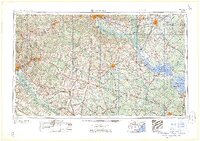 1962 Augusta1962 Print · USGSThe South Carolina and Georgia borderlands are seen here in the early sixties, showing the rise of the Savannah River Plant and the expansion of Fort Jackson. Researchers can trace old rail lines like the Southern Railway and find landmarks such as St. Pauls Church or the Santee Canal.
 - 1982 Map of Clear Pond, 1983 Print
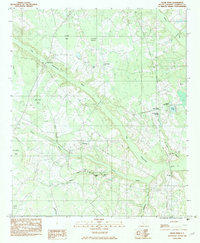 1982 Clear Pond1983 Print · USGSBamberg County’s riverine landscape is captured in the early eighties as a complex network of swamps and rural community hubs. Researchers can trace family ties and local history through landmarks like Andrew Jackson Academy, Union Ch, and Mitchell Cem.
 - 1982 Map of Barnwell, 1984 Print
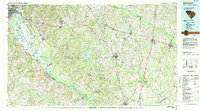 1982 Barnwell1984 Print · USGSCoastal plain settlements and a massive nuclear infrastructure meet in South Carolina during the early eighties. Genealogists and historians can trace rail-town development along the Southern line and explore the footprint of the Savannah River Plant Department of Energy.
 - 2011 Map of Clear Pond, 2011 Print
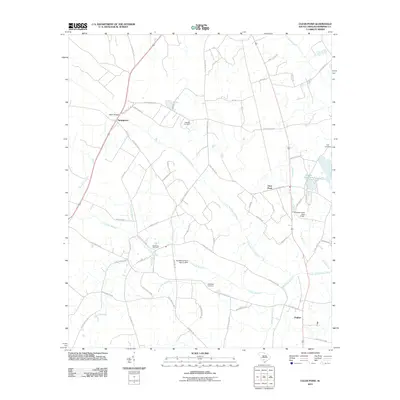 2011 Clear Pond2011 Print · USGSBamberg County’s Lowcountry landscape is captured here in the early twenty-first century, showing a network of rural settlements and family-named landmarks. Genealogists and local historians can locate Mitchell Cemetery, the settlement of Springtown, and the Odom Bridge crossing.
 - 2014 Map of Clear Pond, 2014 Print
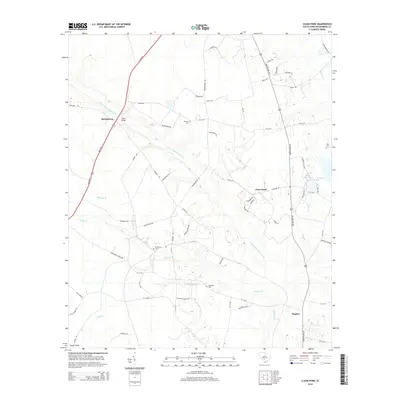 2014 Clear Pond2014 Print · USGSBamberg County’s riverine landscape is captured here in the early twenty-first century, showing the rural communities along the Little Salkehatchie River. Genealogists and local historians can locate specific family landmarks such as Mitchell Cem, Folk Cem, and the Odom Bridge crossing.
 - 2017 Map of Clear Pond, 2017 Print
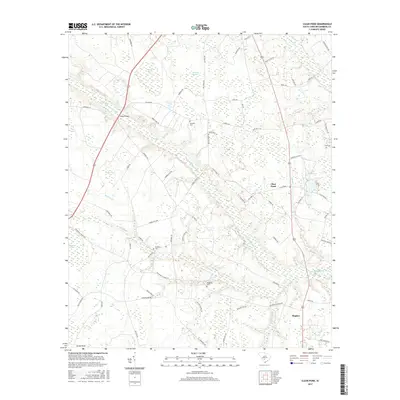 2017 Clear Pond2017 Print · USGSBamberg County’s lowlands are mapped here in the modern era, showing a landscape shaped by the Little Salkehatchie River. Genealogists and local historians can locate rural landmarks such as Mitchell Cem, the Hughes settlement, and Odom Bridge.
 - 2020 Map of Clear Pond, 2020 Print
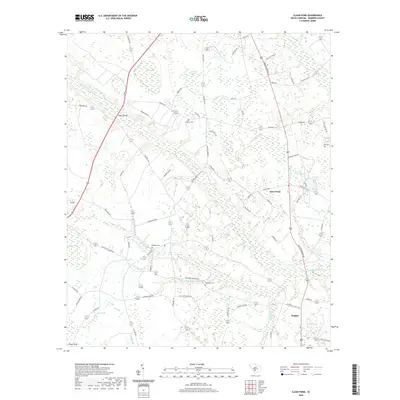 2020 Clear Pond2020 Print · USGSBamberg County’s blackwater landscape comes into focus in this contemporary survey of the South Carolina Lowcountry. Genealogists and local historians can trace family ties at McMillian Cem and Folk Cem or locate the crossing at Odom Bridge.
 - 2024 Map of Clear Pond, 2024 Print
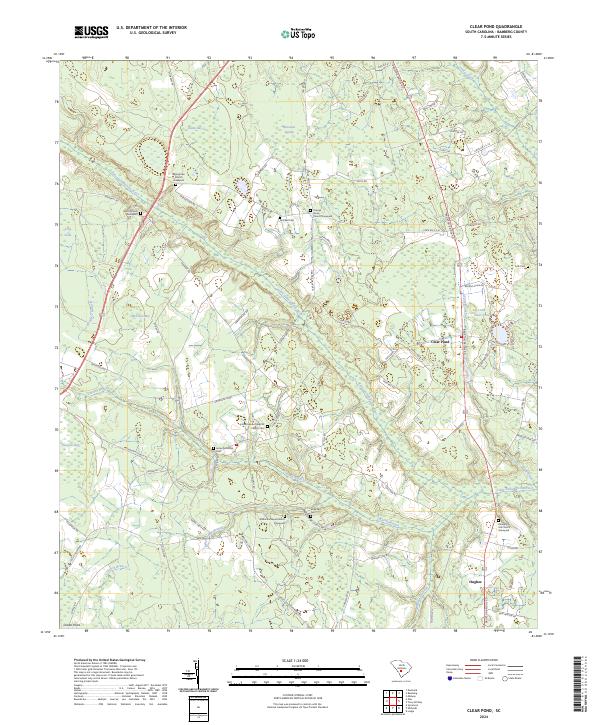 2024 Clear Pond2024 Print · USGSBamberg County in the modern era retains a distinctively rural character defined by its wetlands and old family homesteads. Researchers can trace local heritage through numerous landmarks like the James McMillan Cem, Springtown Church, and Clear Pond.
End of results
Showing maps 1-14 of 14
Top cities near Hughes
- Bamberg historical maps
- Fairfax historical maps
- Denmark historical maps
- Branchville historical maps
- Brunson historical maps
- Ehrhardt historical maps
See more
Frequently asked questions
- What are the different types of historical maps available for Hughes?
- What is the oldest map of Hughes?
- Where can I purchase historical maps of Hughes for my home or office?
- Where can I download high-res historical maps of Hughes?
- Are there historical topographic maps available for Hughes?
- Is there historical aerial imagery available for Hughes?
- Where are historical maps of Hughes sourced from?