Old Maps of Moncks Corner, South Carolina for Academic Research
Study the evolution of Moncks Corner with 28 high-resolution historic maps. Whether you're teaching, researching, or modeling changes in land use, these maps provide essential visual documentation of urban, environmental, and geographic change.
- Analyze long-term change: Track patterns in development, transportation, and natural features.
- Ideal for environmental or urban studies: Support academic projects with primary historical map data.
- Use in the classroom or lab: Educators and researchers rely on these maps to bring historical context to life.
These maps are a powerful tool for teaching, research, and visualizing how Moncks Corner has changed over the decades.
Moncks Corner, SC maps
(28)- 1919 Map of Summerville
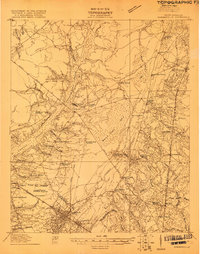 1919 Summerville1919 Print · USGSSummerville and the surrounding Lowcountry wetlands are captured here just after the Great War, during a period of established rail reliance and rural growth. Genealogists and researchers can trace local landmarks like St Johns Church, the Clemson Coast Express Station, and numerous early school sites including Barrow School.
 - 1919 Map of Cordesville
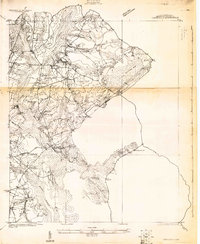 1919 Cordesville1919 Print · USGSBerkeley County was a landscape of dense swamps and historic parish chapels just after the First World War. Genealogists can trace family roots through numerous sites like Strawberry Chapel, Bethera Church, and the rural Pine Grove Flag Station.2 unique versions available
 - 1920 Map of Summerville
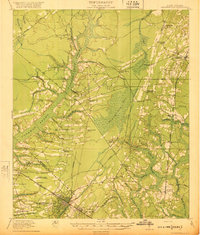 1920 Summerville1920 Print · USGSThe South Carolina Lowcountry at the close of the Great War reveals a landscape of deep cypress basins and burgeoning rail-side towns. Genealogists can locate numerous rural landmarks like Appii Church, Whitesville School, and the Clemson Coast Experiment Station.3 unique versions available
 - 1944 Map of Summerville
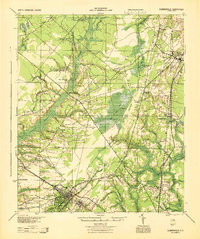 1944 Summerville1944 Print · USGSThe South Carolina lowcountry near the end of World War II is documented here, showing the rural landscapes of Dorchester and Berkeley counties. Genealogists can trace family roots through numerous local landmarks like Black Tom Sch, St Johns Ch, and Lincolnville.
 - 1948 Map of Cordesville, 1968 Print
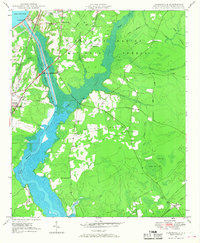 1948 Cordesville1968 Print · USGSBerkeley County at the dawn of the postwar era shows a landscape transformed by the new Pinopolis Dam and the rising Lake Moultrie. Researchers can trace the roots of local communities through landmarks like Old Cordesville, the Berkeley Training Sch, and Biggin Cem.2 unique versions available
 - 1949 Map of Cordesville
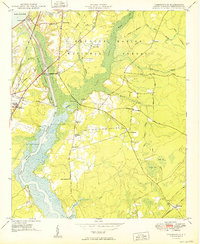 1949 Cordesville1949 Print · USGSBerkeley County in the late 1940s reveals a landscape where massive new hydroelectric projects like the Pinopolis Dam meet traditional timberlands. Researchers can locate the transition between Old Cordesville and the newer Cordesville or trace family roots at St Lukes Ch and Biggin Cem.2 unique versions available
 - 1949 Map of Georgetown, 1953 Print
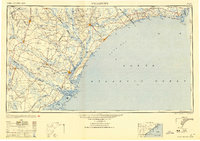 1949 Georgetown1953 Print · USGSThe South Carolina coast and North Carolina borderlands appear here in the mid-century, prior to the major modern development of the Grand Strand. Genealogists and historians can trace the rail networks of the Seaboard Air Line Railroad and locate coastal landmarks from Fort Caswell to McClellanville.
 - 1954 Map of Augusta
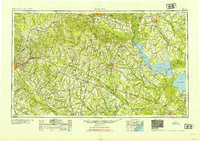 1954 Augusta1954 Print · USGSThe Savannah River valley and South Carolina Midlands are captured here during a period of post-war growth. Researchers can trace the rail-and-river economy through the Southern RR corridor and locate historic settlements like Aiken, Orangeburg, and Sumter.
 - 1957 Map of Augusta, 1966 Print
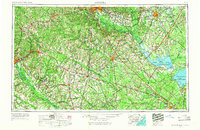 1957 Augusta1966 Print · USGSThe Savannah River and Santee basins are captured here during a period of massive military and industrial expansion in the late fifties. Genealogists can trace family footprints across Four Hole Swamp or near the Savannah River Plant.3 unique versions available
 - 1958 Map of Augusta
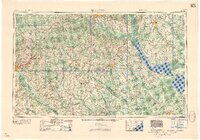 1958 Augusta1958 Print · USGSThe borderlands between Georgia and South Carolina come alive in the 1950s, showing the early footprint of the Savannah River Plant. Genealogists and historians can trace rail-dependent towns and rural landmarks from Orangeburg to the Fort Jackson Military Reservation.
 - 1958 Map of Moncks Corner, 1959 Print
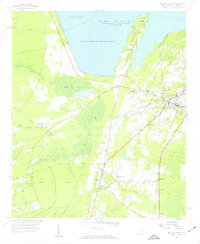 1958 Moncks Corner1959 Print · USGSBerkeley County life in the late fifties centered on the growing hub of Moncks Corner and the vast waters of Lake Moultrie. Researchers can trace rural family roots through landmarks like the Whitesville Sch, The Oak Chapel, and the Atlantic Coast Line railroad.3 unique versions available
 - 1961 Map of Augusta
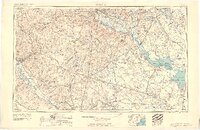 1961 Augusta1961 Print · USGSThe South Carolina lowcountry and CSRA appear here in the early sixties, during a period of massive military and industrial growth. Researchers can trace the development of the Savannah River Plant or locate legacy landmarks like Nelson Ferry and Magnolia Cemetery.2 unique versions available
 - 1962 Map of Augusta
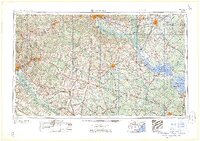 1962 Augusta1962 Print · USGSThe South Carolina and Georgia borderlands are seen here in the early sixties, showing the rise of the Savannah River Plant and the expansion of Fort Jackson. Researchers can trace old rail lines like the Southern Railway and find landmarks such as St. Pauls Church or the Santee Canal.
 - 1967 Map of Georgetown
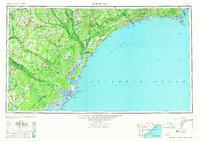 1967 Georgetown1967 Print · USGSThe South Carolina Lowcountry and Grand Strand meet in the late sixties, showcasing a coastal landscape transitioning from river-based industry to seaside tourism. Researchers can trace the Intracoastal Waterway past Georgetown or locate historical sites like Fort Fisher and Murrells Inlet.
 - 1974 Map of Georgetown, 1978 Print
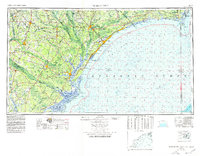 1974 Georgetown1978 Print · USGSThe Carolina coast and Pee Dee region are shown here in the mid-seventies, just as the Grand Strand was maturing into a premier destination. Researchers can trace the inland rail corridors of the Seaboard Coast Line Railroad or explore the coastal reaches of the Cape Romain National Wildlife Refuge and Myrtle Beach State Park.2 unique versions available
 - 1985 Map of Saint George, 1986 Print
 1985 Saint George1986 Print · USGSThe South Carolina Lowcountry in the mid-eighties shows a landscape defined by the great reservoirs and the meandering Edisto River. Researchers can trace the rail corridors of the Southern Railway and find rural settlements like Harleyville, Smoaks, and Grover.
 - 1986 Map of Georgetown
 1986 Georgetown1986 Print · USGSThe South Carolina Lowcountry is captured here in the mid-1980s, centered on the historic port of Georgetown and its surrounding wetlands. Researchers can trace the river-fed economy and land patterns of Waccamaw Neck, Hampton Plantation State Park, and the timber-rich Francis Marion National Forest.2 unique versions available
 - 1990 Map of Saint George
 1990 Saint George1990 Print · USGSThe South Carolina Lowcountry in the early nineties reveals a complex network of river systems and massive reservoirs. Genealogists and local historians can trace the development of inland settlements like St George and Branchville or explore the wetlands of Four Hole Swamp.
 - 2011 Map of Moncks Corner, 2011 Print
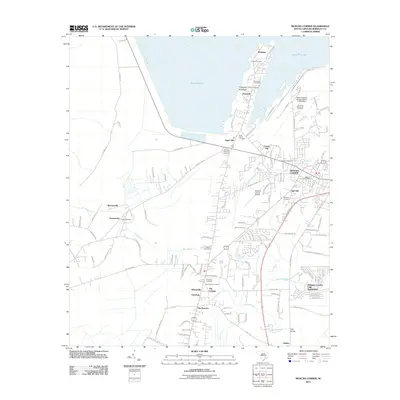 2011 Moncks Corner2011 Print · USGSBerkeley County, South Carolina, is shown here in the early twenty-first century as modern developments meet the shoreline of the great reservoir. Researchers can locate family landmarks like Appii Cemetery, Saint Johns Cemetery, and the community of Pinopolis.
 - 2011 Map of Cordesville, 2011 Print
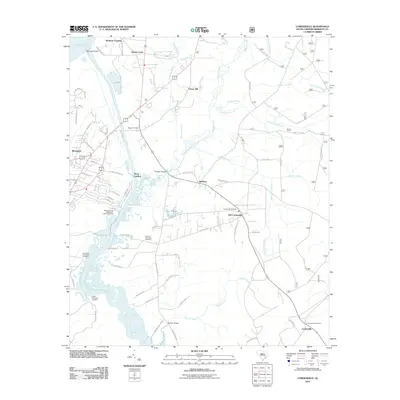 2011 Cordesville2011 Print · USGSBerkeley County in the early twenty-first century remains defined by its plantation heritage and the vital waterways of the Lowcountry. Genealogists and historians can trace the locations of several burial grounds including Biggin Cemetery and the Exeter Plantation Cemetery near the banks of Wadboo Creek.
 - 2014 Map of Cordesville, 2014 Print
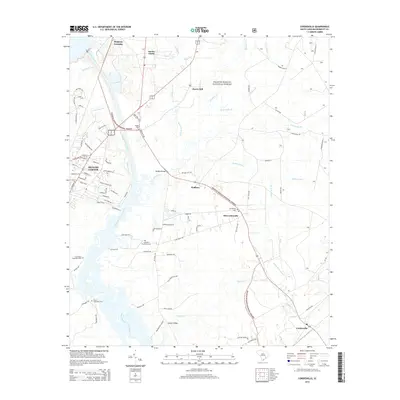 2014 Cordesville2014 Print · USGSBerkeley County's lowcountry landscape is captured here in the early twenty-first century, where the West Branch Cooper River meets dense forest. Researchers can locate numerous historical burial sites, including Biggin Cem, and trace the paths of the Old Santee Canal and Tailrace Canal.
 - 2014 Map of Moncks Corner, 2014 Print
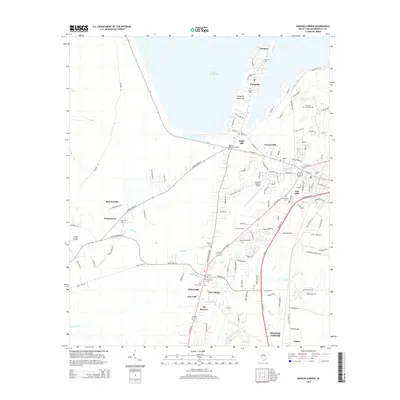 2014 Moncks Corner2014 Print · USGSBerkeley County is captured here in the early twenty-first century as the landscape transitions from the shores of Lake Moultrie to the hub of Moncks Corner. Researchers can trace local lineage through numerous sites like Trinity Cem, Ebenezer Cem, and the historic settlement at Pinopolis.
 - 2017 Map of Moncks Corner, 2017 Print
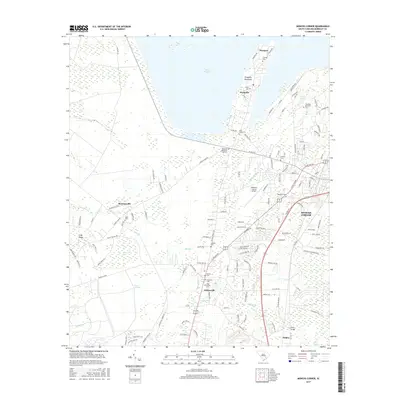 2017 Moncks Corner2017 Print · USGSBerkeley County in the late twenty-teens shows a landscape where the waters of Lake Moultrie meet expanding settlements. Researchers can trace family history at Saint Johns Cem or Ebenezer Cem and locate landmarks like the Berkeley County Airport.
 - 2017 Map of Cordesville, 2017 Print
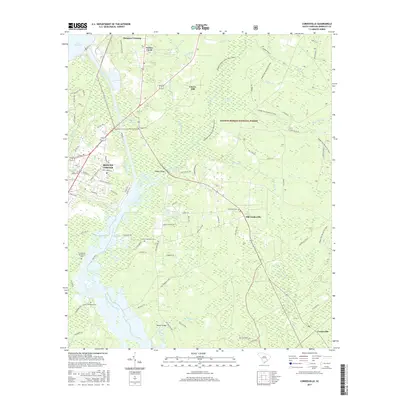 2017 Cordesville2017 Print · USGSThe Berkeley County Lowcountry is seen here in recent years as a mix of preserved forest and historic plantation lands. Genealogists can trace family sites at Biggin Cem, Lewisfield Plantation Cem, and the quiet crossroads of Old Cordesville.
 - 2020 Map of Moncks Corner, 2020 Print
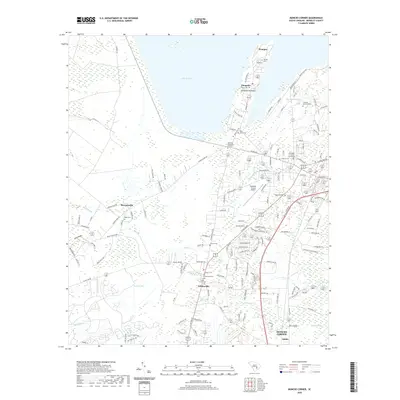 2020 Moncks Corner2020 Print · USGSMoncks Corner and the southern shores of Lake Moultrie appear in high detail during this recent period of South Carolina growth. Researchers can locate numerous family and community burial grounds like Thornley Memorial Cem, Saint Johns Cem, and Graham Cem.
Showing maps 1-25 of 28
Top cities near Moncks Corner
- Charleston historical maps
- North Charleston historical maps
- Summerville historical maps
- Goose Creek historical maps
- Hanahan historical maps
- Lincolnville historical maps
See more
Top neighborhoods of Moncks Corner
Frequently asked questions
- What are the different types of historical maps available for Moncks Corner?
- What is the oldest map of Moncks Corner?
- Where can I purchase historical maps of Moncks Corner for my home or office?
- Where can I download high-res historical maps of Moncks Corner?
- Are there historical topographic maps available for Moncks Corner?
- Is there historical aerial imagery available for Moncks Corner?
- Where are historical maps of Moncks Corner sourced from?